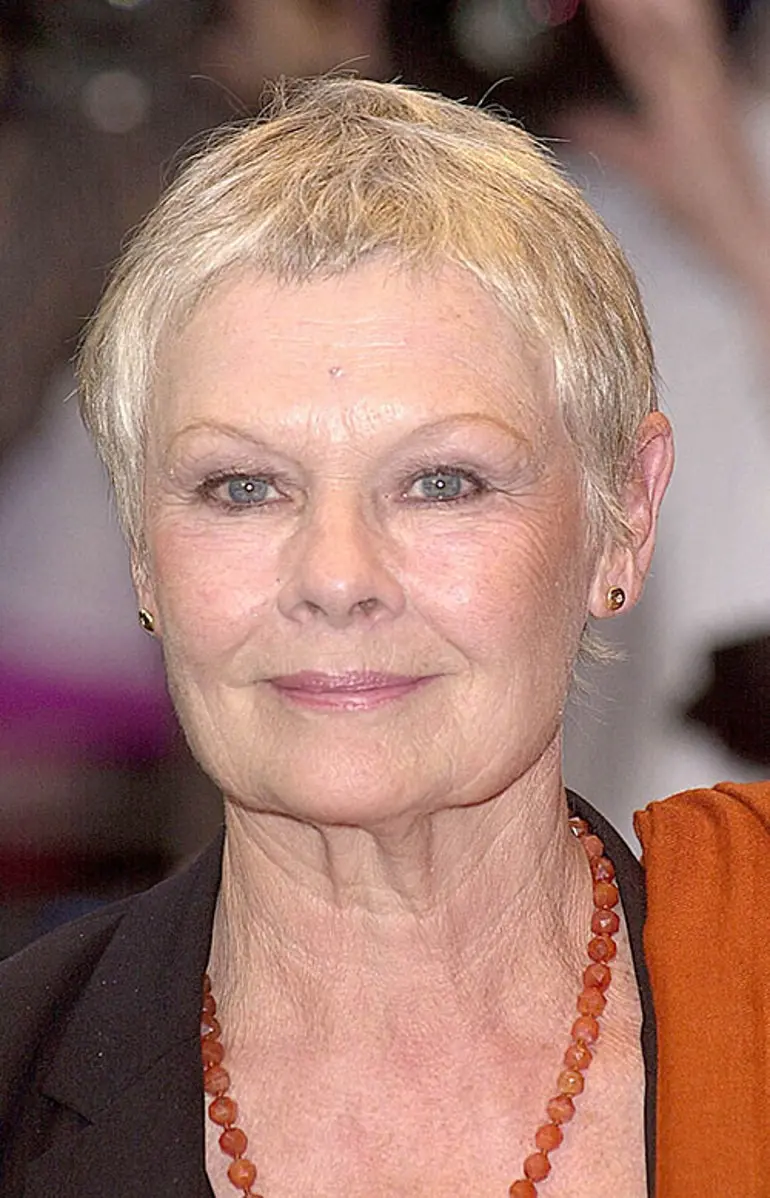
For nearly seven decades, Dame Judi Dench has stood as one of the most revered figures in contemporary performing arts. Since making her professional debut on the theatrical stage in 1957, the legendary British actress has captivated audiences worldwide, collecting an Academy Award, multiple BAFTA awards, and countless theatrical honours across a career defined by extraordinary versatility and emotional depth.
However, in a deeply moving and candid interview on BBC Radio 4’s Today program, the 91-year-old icon revealed that her remarkable journey in theater and film has drawn to an unavoidable close. Confronted by the severe, advanced stages of age-related macular degeneration—a progressive eye condition she has quietly fought for more than a decade—Dench admitted that she can no longer read scripts, see her fellow performers, or step onto a stage or movie set.
The revelation marks a poignant turning point for an artist who had long insisted she would never willingly retire, offering a heartbreaking glimpse into the reality of living with severe vision impairment.
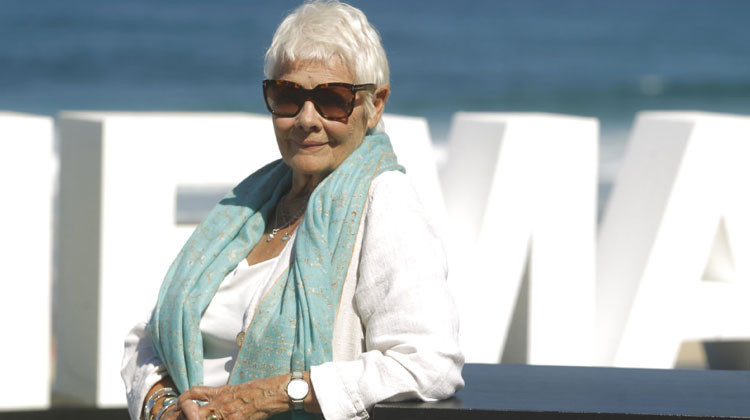
Acting and Stage Roles Become Impossible
Speaking to broadcast host Emma Barnett on BBC Radio 4, Dench addressed her physical limitations with characteristic honesty, laying bare the profound impact the condition has had on her everyday life and her lifelong profession.
During the broadcast, Dench candidly shared the extent of her sight loss, admitting to Barnett, "I can’t see your face at all."
The admission underscored the sobering reality that her visual acuity has degraded to a point where working in front of a camera or performing live in front of an audience is no longer feasible. Dench explained that her inability to see meant she could no longer take on theatrical productions or film roles, nor could she engage in the foundational preparation that acting demands, such as reading scripts independently.

"I can’t film anymore," Dench shared, acknowledging the disappointment her news would bring to millions of fans around the world who have followed her work across generations. "I’ve lost the ability to read."
For an actress whose career began in 1957 with the Old Vic Company and expanded to encompass definitive Shakespearean interpretations, commanding cinematic portraits such as Queen Elizabeth I in Shakespeare in Love, and her globally celebrated tenure as ‘M’ in the James Bond franchise, the inability to engage with text and visual cues represents a monumental barrier. What was once second nature has become an insurmountable physical obstacle, effectively bringing down the curtain on one of the most storied careers in modern drama.
A Decade-Long Battle with Macular Degeneration
Dench’s battle with severe visual impairment is not a sudden development, but rather the culmination of a conditions-driven decline that began more than a decade ago. In 2012, the veteran actress was formally diagnosed with age-related macular degeneration (AMD), a progressive medical condition that damages the central area of the retina.

Over the course of fourteen years, the disease has steadily eroded her central vision, leaving her almost entirely reliant on peripheral sight and memory to navigate her surroundings. During her conversation on the Today program, Dench shared several deeply personal anecdotes that illustrate how profoundly her day-to-day existence has been altered by the loss of her eyes.
Among the most heartbreaking aspects of her condition is the disorientation it causes in social settings. Dench admitted that she frequently mistakes strangers for acquaintances, leading to awkward moments in public.
"I’m constantly walking up to the wrong people and starting to hug them," Dench explained. "And then I have to apologize."

The disease has also severed her connection to the visual beauty of the natural world, something she has always cherished. Reflecting on the recent summer season, she recounted how friends remarked on the vibrant flora surrounding her home, only for her to realize she could not experience it herself.
"They told me the bluebells looked wonderful this summer," she recalled softly. "Yet I couldn’t see a single one."
To cope with the loss of direct visual perception, Dench relies on a mix of memory and imagination to keep her surroundings alive in her mind. Speaking about her deep affection for nature, particularly the trees on her property, she noted: "I know what my trees look like, partly from memory and partly from what I can picture in my mind from what I used to be able to see."
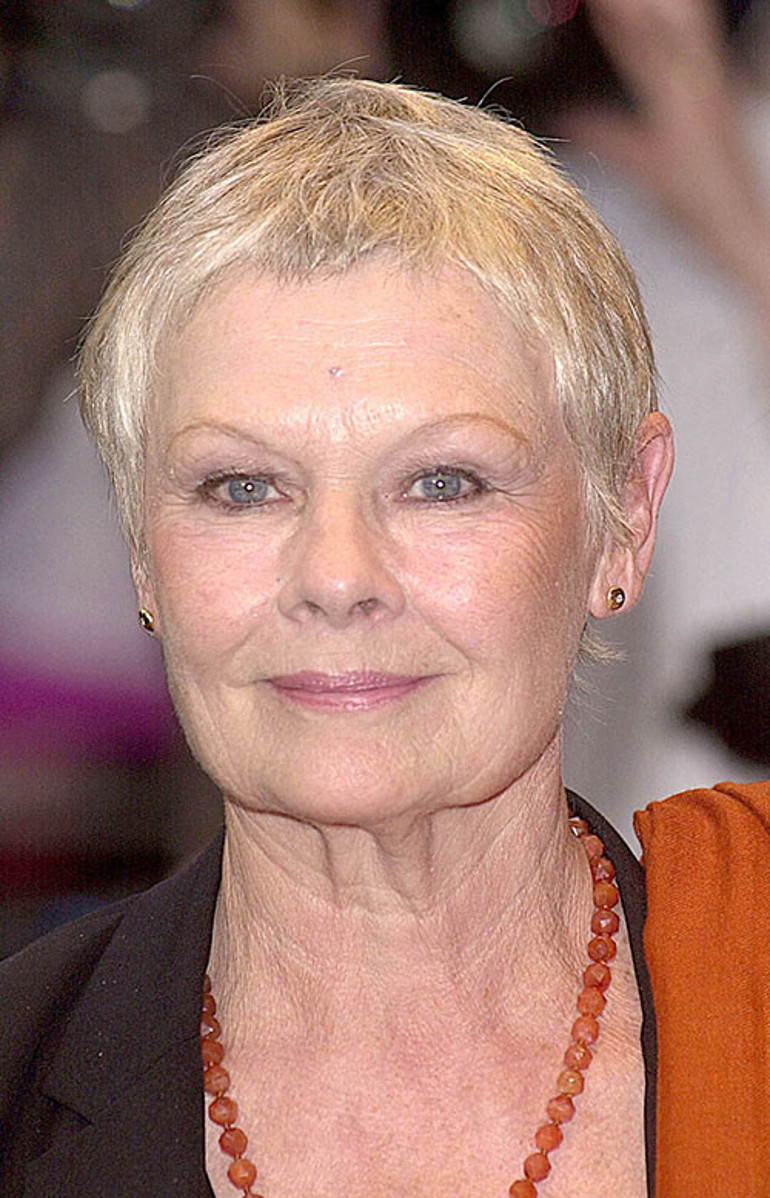
The condition also appears to have a hereditary component in her family. Dench noted that her mother, Eleanora Olave Dench, also suffered from age-related macular degeneration in her later years, suggesting that her battle with the disease was one she was genetically predisposed to face.
The Emotional Toll of Losing Independence and Fighting Retirement
The gradual loss of sight has presented not only physical hurdles for the acclaimed actress, but immense emotional challenges as well. Dench has previously spoken about the profound frustration that comes with losing her personal autonomy.
Three years ago, in an intimate interview with Notebook magazine, she reflected on the emotional weight of having to rely on friends, family, and assistants for tasks she had performed independently for decades.
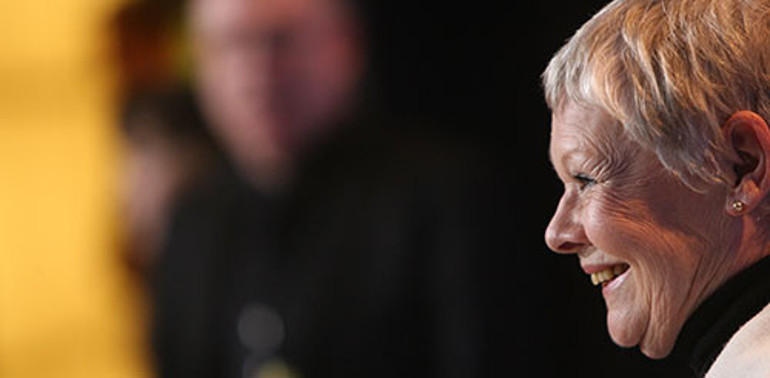
"It’s a terrible, shocking thing for a person," Dench said at the time. "To be so dependent on people is really distressing."
For years, as her sight deteriorated, Dench resisted any suggestion that she might step away from her craft. She openly voiced her irritation whenever interviewers or commentators raised the subject of retirement, holding firm to the belief that an actor’s vocation should endure for as long as life permits.
In a past interview with The Times, Dench expressed her disdain for the concept of stepping down from the stage, sharing her ideal vision of how her life and career might conclude. She recalled the story of fellow actor Newton Blick, who famously passed away backstage in his dressing room after a performance, describing his sudden departure as an enviable way for an artist to leave this world.
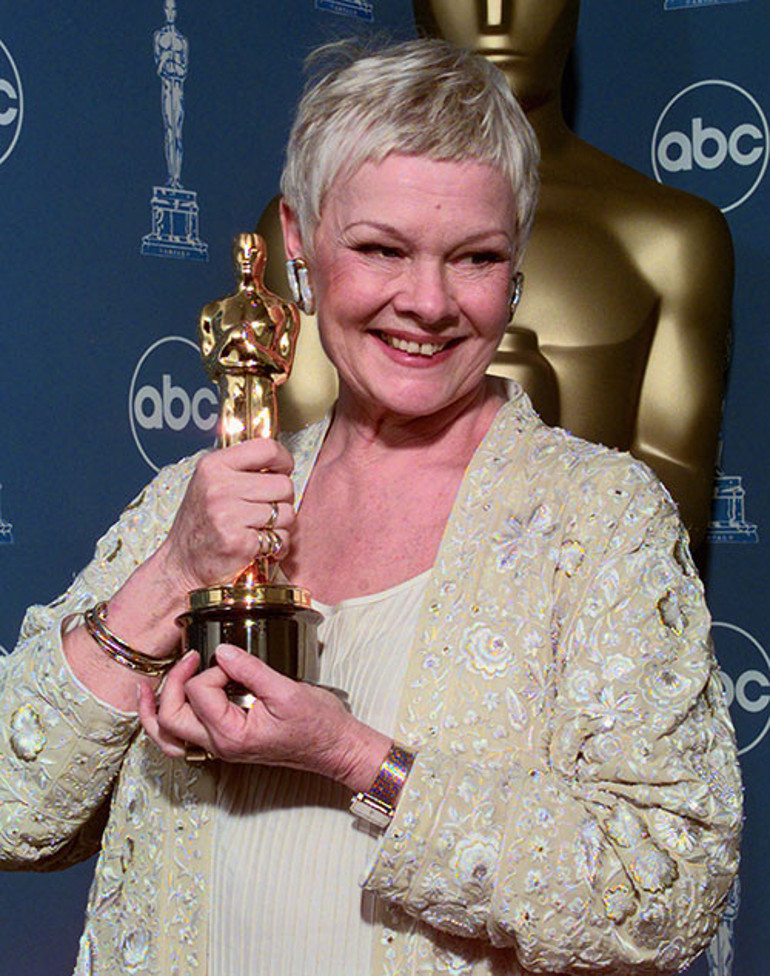
In that same interview, Dench playfully remarked on her desire to remain intrepid despite advancing age. "I want to be like those 100-year-old women who jump out of airplanes," she declared, refusing to let age define her boundaries.
Her strong desire to continue working led her to adapt in remarkable ways over the last decade. For years, she relied on close friends and family members to read scripts aloud to her repeatedly so she could memorize her lines through auditory repetition. On film sets, she required larger scripts with increased font sizes and needed assistance navigating sets safely. Yet, as her central vision continued to diminish, even these adaptive strategies were no longer enough to bridge the gap required for professional acting.
What Is Age-Related Macular Degeneration?
The condition that has altered the trajectory of Dame Judi Dench’s final professional chapter, age-related macular degeneration (AMD), is one of the leading causes of severe vision impairment among older adults worldwide.
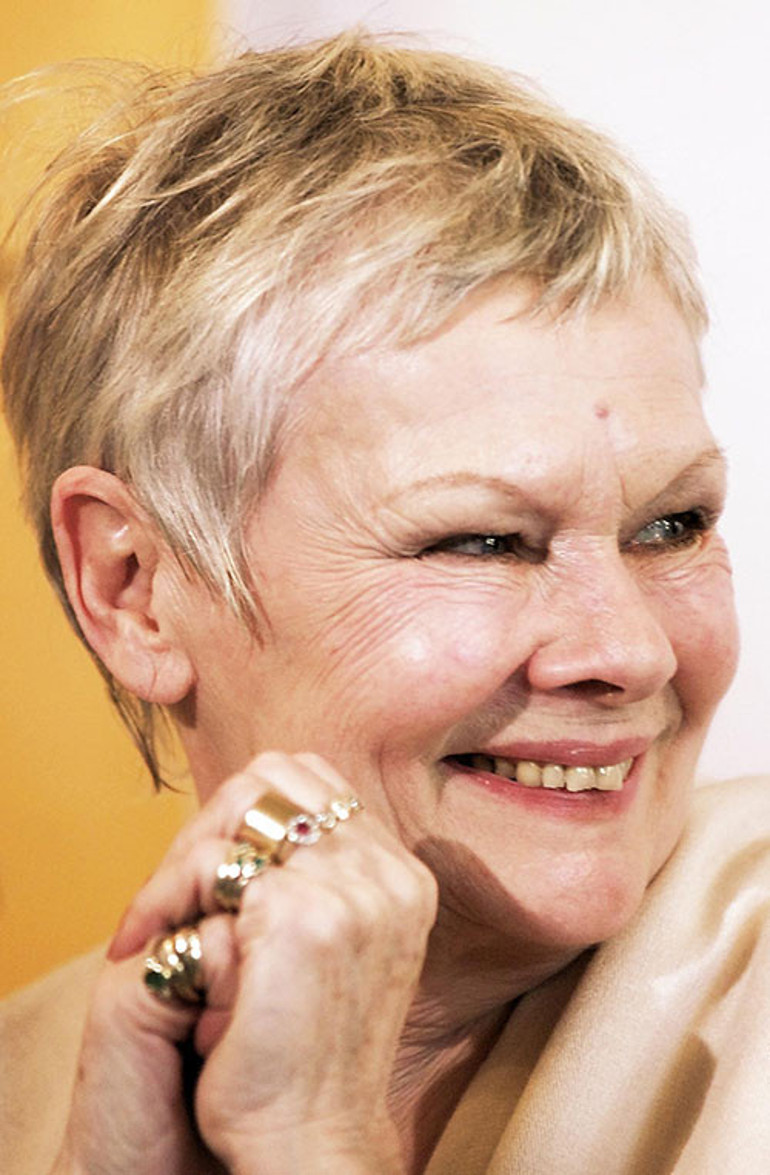
The disease specifically affects the macula—a small, highly sensitive area situated at the center of the retina at the back of the eye. The macula is responsible for crisp, sharp, central vision, which is essential for activities that require fine detail, such as reading, driving, recognizing faces, and identifying color.
As the aging process progresses, structural deterioration can occur within the tissues of the macula. Because AMD typically develops gradually and painlessly in its early stages, individuals often experience no noticeable symptoms at first. As a result, the condition is frequently left undiagnosed until it progresses to its second or third stages, when central vision blurriness or distortion becomes undeniable.
There are two primary types of macular degeneration:
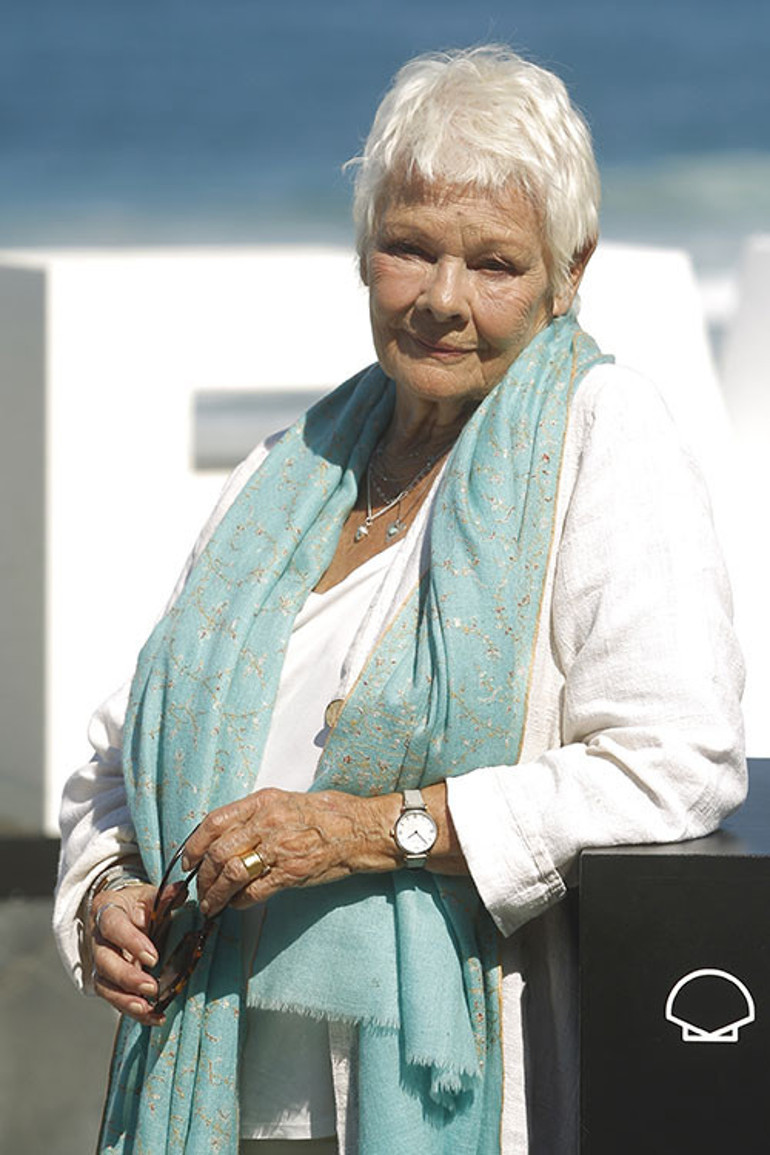
- Dry Macular Degeneration: The most common form, characterized by the gradual thinning of the macula and the accumulation of small yellow deposits called drusen. Progression is usually slow, but central vision gradually degrades over time.
- Wet Macular Degeneration: A less common but more severe form where abnormal blood vessels grow beneath the retina, leaking fluid or blood into the macula and causing rapid visual damage.
While medical treatments—such as specialized injections, laser therapy, and dietary supplements—can help slow the progression of certain types of AMD, there is currently no cure for the vision loss caused by advanced macular degeneration.
By speaking openly about her diagnosis and its profound impact on her life, Dame Judi Dench has brought crucial global attention to a condition that affects millions of aging individuals. Though her physical vision has faded, her legacy as one of the greatest performers in dramatic history remains undiminished, secured by decades of timeless performances recorded on film and cherished in the memories of theatergoers around the world.