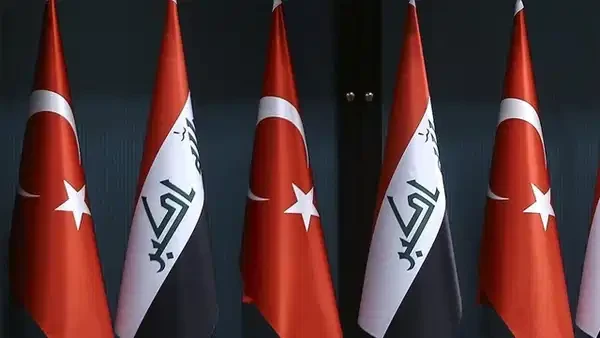
In a significant move aimed at reshaping the geopolitical landscape of the Middle East, the governments of Turkey and Iraq have reached a comprehensive agreement to institutionalize their security cooperation. This development, announced following a series of high-level diplomatic engagements, marks the beginning of what officials are calling a "new era" in bilateral relations. The agreement focuses on enhancing regional stability, securing shared borders, and establishing a permanent framework for counter-terrorism efforts.
The announcement, facilitated through the Republic of Turkey’s Directorate of Communications, underscores a strategic pivot in how Ankara and Baghdad manage their complex security relationship. For decades, the two neighbors have navigated a relationship often defined by the challenges of cross-border militancy and the complexities of regional power dynamics. However, the latest joint statement indicates that both nations have successfully navigated a critical diplomatic threshold, moving toward a structured, institutionalized partnership that prioritizes mutual sovereignty and collective security.
Central to this new phase of cooperation is the recognition that the security of one nation is intrinsically linked to the stability of the other. By establishing concrete mechanisms for dialogue and operational synchronization, Ankara and Baghdad aim to move beyond ad-hoc crisis management and toward a proactive, preventative security posture.
A Foundation Built on Diplomatic Persistence
The path to this agreement has been paved by years of intensive dialogue. While the relationship between Turkey and Iraq has historically been tested by security-centric crises—particularly regarding the presence of terrorist organizations in northern Iraq and the logistical challenges of border management—the last several years have seen a concerted effort to keep diplomatic channels open.
Observers of regional politics note that the shift began with a series of high-level visits involving heads of state, foreign ministers, and intelligence chiefs. These meetings allowed both sides to voice their respective concerns: Turkey’s focus on neutralizing threats to its national security originating from Iraqi soil, and Iraq’s emphasis on maintaining its territorial integrity and sovereign rights. The breakthrough reflected in the current agreement suggests that a common ground has been found—one that respects Iraq’s sovereignty while addressing Turkey’s legitimate security requirements.
The shift toward a "new era" is also reflective of broader regional trends. As the Middle East faces evolving threats from non-state actors and the shifting priorities of global powers, regional actors like Turkey and Iraq are increasingly finding that local cooperation is the most effective tool for maintaining order. The institutionalization of this relationship is intended to provide a buffer against regional volatility, ensuring that bilateral issues are resolved through established protocols rather than escalatory actions.
The Joint Security Coordination Committee Takes Center Stage
The most tangible outcome of these diplomatic efforts is the official activation of the Joint Security Coordination Committee (JSCC). This body is designed to serve as the primary engine for security cooperation, translating high-level political agreements into operational realities on the ground.
The JSCC will function as a permanent bridge between the military and intelligence agencies of both countries. By creating a formalized structure for the exchange of information, the committee aims to eliminate the delays and misunderstandings that often occur during fast-moving security incidents. Experts in regional security emphasize that such institutional structures are vital for rapid decision-making, particularly in the rugged and often difficult-to-monitor border regions.
The committee’s mandate is broad, covering several strategic priorities:
First, the JSCC will facilitate real-time intelligence sharing. In the fight against terrorism, the speed and accuracy of information are paramount. By synchronizing their intelligence-gathering efforts, Turkey and Iraq can more effectively track the movement of illicit groups and prevent the infiltration of militants across the border.
Second, the committee will oversee operational coordination. This does not necessarily mean joint military operations in every instance, but rather a high degree of synchronization to ensure that the actions of one military do not inadvertently conflict with the interests or safety of the other. This level of coordination is expected to significantly reduce the risk of accidental friction in border areas.
Third, the committee will work on long-term border security infrastructure and protocols. This includes the modernization of border crossings, the implementation of advanced surveillance technologies, and the establishment of joint protocols for responding to border violations. The ultimate goal is to transform the Turkey-Iraq border from a zone of contention into a secure, regulated corridor that facilitates legal trade and movement while blocking illegal activity.
The Transition of the Bashiqa-Zilikan Facility
Perhaps the most symbolic and politically significant component of the joint agreement concerns the future of the Bashiqa-Zilikan camp. For several years, the presence of Turkish forces at this facility in northern Iraq has been a point of contention and a subject of intense diplomatic debate between the two capitals.
According to the joint statement, the Turkish side has reaffirmed its commitment to the consensus reached at the leadership level regarding the status of the camp. In a move that signals a high degree of trust and a commitment to Iraqi sovereignty, it has been decided that the Bashiqa-Zilikan facility will be gradually handed over to the Iraqi Federal Government.
This transition is planned to be a phased process, ensuring that there is no security vacuum during the handover. The facility has historically been used for training local forces and monitoring regional threats. Under the new agreement, the responsibility for the site will shift to the Iraqi federal authorities, marking a significant step in Baghdad’s efforts to assert control over security infrastructure throughout the country.
The decision to proceed with a gradual handover reflects a sophisticated diplomatic compromise. For Iraq, it represents a restoration of sovereign control over a key piece of territory. For Turkey, the agreement ensures that the security objectives originally served by the camp—such as regional stability and the training of anti-terror forces—will continue to be pursued through a cooperative framework with the Iraqi government. This move is seen by many analysts as the "litmus test" of the new era of cooperation, proving that even the most sensitive issues can be resolved through structured dialogue.
Implications for Regional Stability and Counter-Terrorism
The broader implications of this agreement extend far beyond the immediate border regions. A stabilized and cooperative relationship between Turkey and Iraq is a cornerstone for wider regional peace. As both nations commit to a unified front against terrorism, the operational space for extremist groups is expected to shrink significantly.
The joint statement emphasizes that the fight against terrorism remains a top priority. While the specific names of organizations were not the sole focus of the announcement, the context of the agreement clearly targets groups that have long utilized the border regions for recruitment, training, and launching attacks. By formalizing their cooperation, Ankara and Baghdad are sending a clear message that the "wait-and-see" approach of the past has been replaced by a policy of active, mutual denial of safe havens.
Furthermore, this security agreement provides the necessary foundation for economic initiatives. Projects such as the "Development Road"—a massive infrastructure undertaking designed to connect the Persian Gulf to Europe via Iraq and Turkey—depend entirely on a secure and predictable environment. Without the security guarantees provided by the JSCC and the trust built through the Bashiqa transition, such multi-billion-dollar investments would remain high-risk ventures.
The Role of the Directorate of Communications
The transparency of this agreement is also noteworthy. By utilizing the Directorate of Communications to announce the details of the joint statement, the Turkish government has ensured that the public and the international community are fully informed of the strategic shift. This level of public documentation serves to cement the commitments made by both sides, making the agreement a matter of official record and public accountability.
The Directorate’s involvement also highlights the multifaceted nature of modern diplomacy, where communication and public perception play a vital role in the success of international treaties. By clearly outlining the goals and mechanisms of the Joint Security Coordination Committee, the announcement provides a roadmap for what the two nations hope to achieve in the coming months and years.
As the Joint Security Coordination Committee begins its work and the transition at Bashiqa-Zilikan commences, the eyes of the region will be on Ankara and Baghdad. The success of this "new era" will depend on the consistent implementation of the agreed-upon protocols and the continued willingness of both sides to prioritize long-term stability over short-term political gains. For now, the formalization of this partnership stands as a rare example of successful conflict resolution and institutional building in a region often marked by fragmentation.