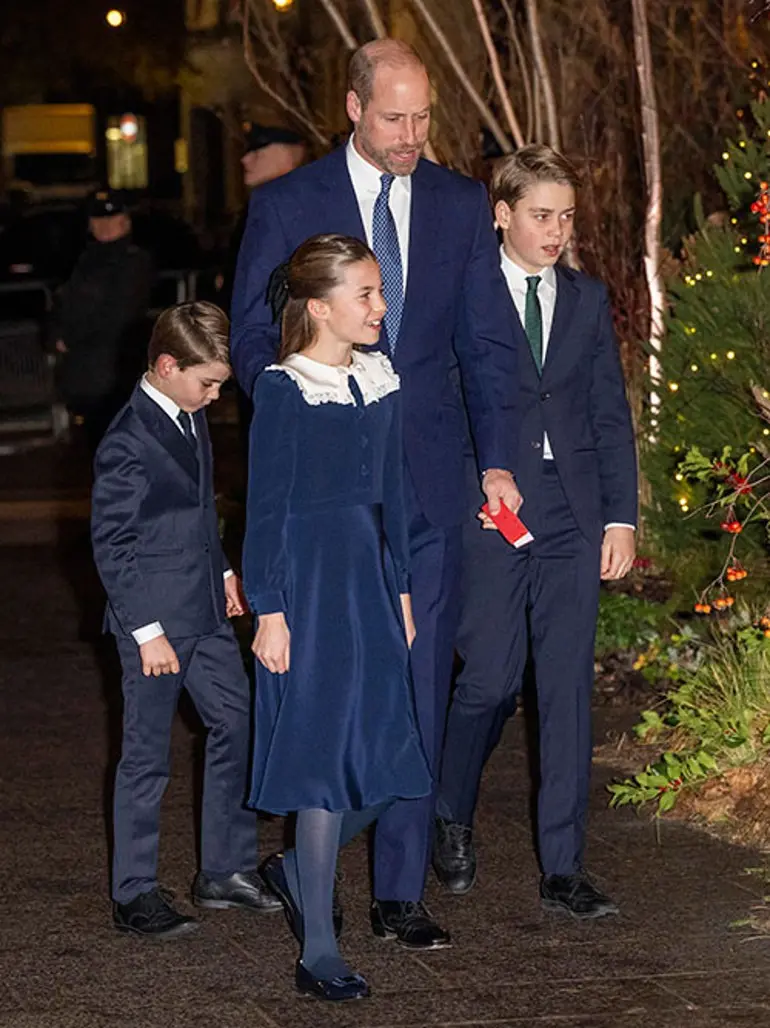
From the moment of his birth, Prince George’s destiny was firmly established as a future monarch of the United Kingdom. Born into a world defined by ancient constitutional traditions and unyielding public interest, the eldest son of Prince William and Catherine, Princess of Wales, has lived under the unique weight of royal expectations. Now 13 years old, George is steadily progressing along the path laid out for him, balancing the demands of a structured royal upbringing with the personal development common to any young teenager. Yet, behind his quiet public persona lies a creative dimension that has recently captured widespread attention: a remarkable talent for fine art.
The Destiny of Prince William and Kate Middleton’s Eldest Son Was Sealed Before He Was Born
As second in line to the British throne behind his father, Prince George’s future role as king has shaped every major milestone of his life. From his earliest days, his education and daily routine have been carefully managed to prepare him for the immense responsibilities that await him. Following the path taken by his father, Prince William, George was enrolled as a boarder at Eton College, an institution renowned for educating generations of leaders, statesmen, and figures of historical significance. The decision to send him to Eton reflects a long-standing tradition of combining rigorous academic training with character building, ensuring that he develops the discipline, independence, and intellectual foundation required of a future monarch.
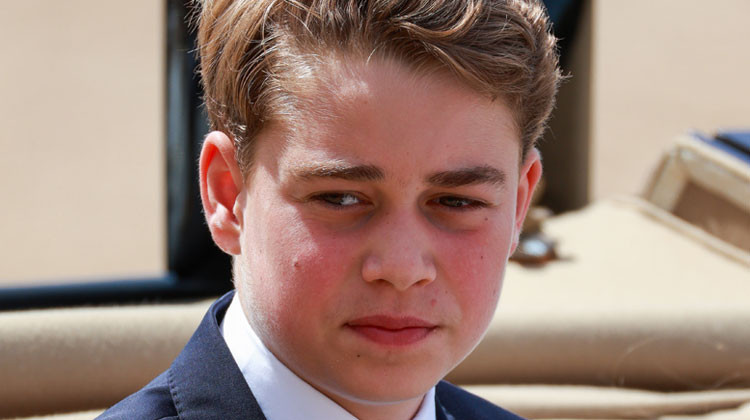
Growing up under the watchful gaze of the international media, George has navigated a childhood governed by strict royal rules and formal expectations. Unlike children who enjoy complete privacy, every major public appearance by the young prince is observed and analyzed. For years, observers noted that George frequently presented a reserved, shy demeanor during high-profile public events. Standing alongside his parents and siblings at official ceremonies, national celebrations, and traditional balcony appearances at Buckingham Palace, his quiet composure stood in subtle contrast to the more outgoing nature of his younger sister, Princess Charlotte.
Indeed, over the years, public commentary often focused on the dynamic between the royal siblings, with some commentators suggesting that Princess Charlotte possessed a more naturally dominant personality—one that appeared, at least on the surface, well-suited to the public-facing demands of royal life. While Charlotte frequently appeared self-assured, waving enthusiastically to crowds and guiding her younger brother Prince Louis during official outings, George’s measured silence was sometimes interpreted as extreme shyness or hesitation.

However, as the prince has matured, a clearer picture of his true temperament has emerged. What was once viewed simply as public shyness is now understood to be the quiet observation of a sensitive, artistic soul. Rather than reflecting a lack of confidence, his reserved nature aligns with a deeply thoughtful disposition—one that finds expression not in loud public displays, but in the quiet focus of creative work.
The true extent of Prince George’s artistic talent was revealed following the publication of a recent edition of Country Life magazine. The issue featured an extraordinary original drawing created by the young prince: a detailed illustration of a kingfisher bird. The artwork quickly drew admiration from art enthusiasts and the public alike, who were impressed by the precision of the line work, the careful rendering of form, and the thoughtful application of color. The drawing demonstrated a level of skill and spatial awareness far beyond what is typically expected of an artist his age, formally introducing George’s hidden creative ability to a wider audience.

The story behind the publication of the drawing offers a rare glimpse into the dynamics of the royal household and Prince William’s support for his son’s developing talents. Prince William served as the guest editor for that specific issue of Country Life, an assignment that allowed him to highlight topics close to his heart, including countryside conservation, British wildlife, and rural heritage. During the editorial planning process, William expressed a desire to include George’s artistic effort within the magazine’s pages, hoping to share his son’s passion for drawing with the readership.
However, the inclusion of the drawing was not guaranteed simply by virtue of royal lineage. Mark Hedges, the editor-in-chief of Country Life, made it clear during discussions with Prince William that any submission from the young prince would have to meet the publication’s strict aesthetic standards. The editorial team maintained that the artwork would only be printed if it was genuinely good enough to stand on its own merit alongside the professional illustrations and photography that regularly fill the magazine.

When the drawing was presented for review, it comfortably met and exceeded the editorial criteria. The magazine’s staff expressed genuine admiration for the craftsmanship and artistic intuition displayed in the depiction of the kingfisher. Details surrounding the artwork reveal that George produced the drawing during the spring season while at his family’s home at Forest Lodge. The peaceful setting of the residence provided an ideal environment for the young prince to focus on his work, carefully capturing the distinctive features and natural poise of the bird on paper.
In developing his artistic skills, Prince George is continuing a rich tradition within his own family. Most notably, he is following directly in the footsteps of his grandfather, King Charles III, who has long been recognized as an accomplished artist.

King Charles’s passion for landscape painting, particularly in watercolors, has been a defining element of his private life for decades. Over the course of several decades, the King has produced numerous works depicting the Scottish Highlands, royal estates such as Balmoral and Sandringham, and scenic landscapes encountered during international travels. Far from being a mere pastime, Charles’s artwork has earned considerable critical respect within the art community. Over the years, prints and lithographs of his watercolor paintings have raised more than £2 million for charitable causes through his philanthropic foundation, demonstrating both the artistic quality and practical impact of his work.
Artistic heritage has long played a meaningful role within the Royal Family, offering its members a private retreat from the relentless demands of state duties and public scrutiny. For King Charles, painting provided a therapeutic outlet—a way to step back from official responsibilities and connect with the natural world. For Prince George, cultivating his drawing skills offers a similar sense of calm and personal expression amidst a life that will inevitably be defined by public service.
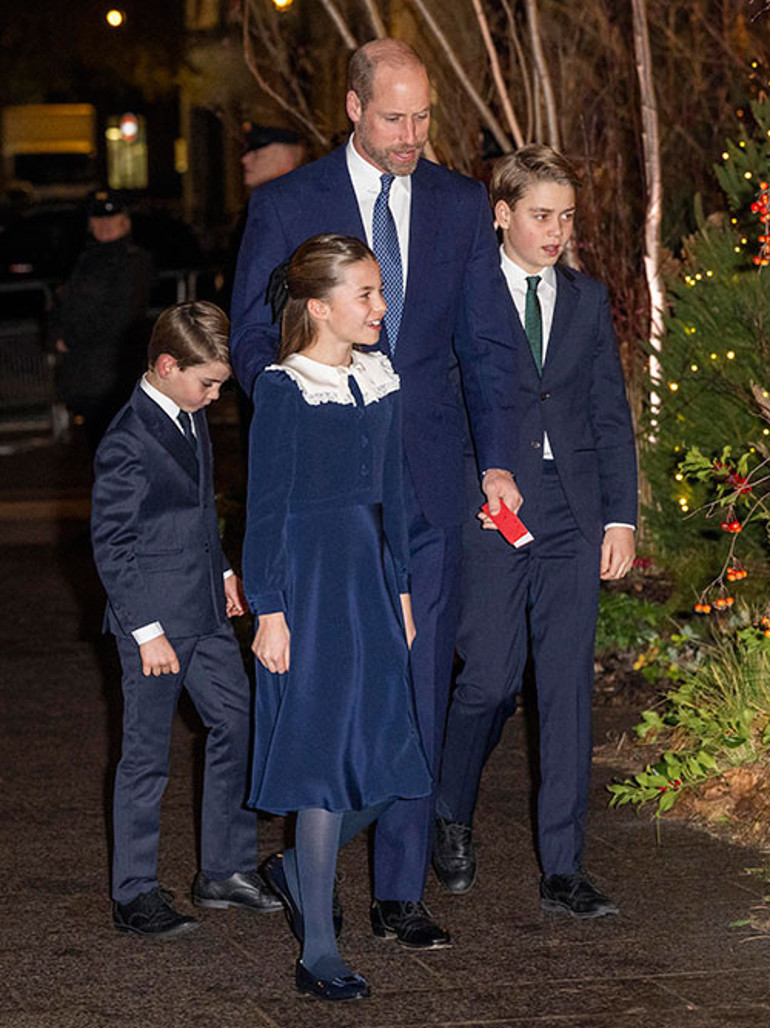
The revelation of George’s artistic ability adds a rich layer to the public’s understanding of the future king. As he continues his education at Eton and matures into young adulthood, the young prince carries forward both the solemn obligations of his position and a strong family tradition of creative achievement. What began as quiet sketchwork in the privacy of Forest Lodge has demonstrated that behind the formal expectations of his royal role, Prince George possesses a distinct creative voice that will accompany him on his journey toward the throne.