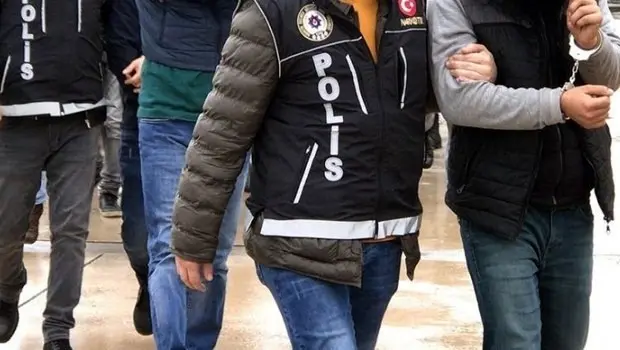
The relentless campaign against organized crime and the illicit drug trade in Turkey has achieved a significant breakthrough following a sophisticated, multi-provincial operation centered in the Aegean hub of Izmir. In a demonstration of the state’s uncompromising stance against "poison traffickers," security forces have successfully disrupted a major distribution network, leading to the incarceration of over a dozen high-level suspects and the apprehension of a primary organizational leader. This operation marks another milestone in the nationwide effort to sever the financial and logistical lifelines of syndicates that threaten public safety and the well-being of the youth.
The operation, which was the culmination of months of meticulous intelligence gathering and technical surveillance, underscores a strategic shift in how Turkish law enforcement approaches the narcotics trade. Rather than focusing solely on street-level distribution, the recent raids targeted the very architecture of the criminal enterprise. By identifying the nodes through which these organizations operate, the Izmir Police Department and its regional partners have managed to strike at the heart of a network that extended beyond city limits, impacting the broader regional security landscape.
Comprehensive Narcotics Operation in Izmir Targets Organized Networks
The initiative began with a series of coordinated strikes led by the Izmir Provincial Police Department’s Anti-Narcotic Crimes Division. Acting on actionable intelligence that suggested a surge in coordinated trafficking activities, authorities launched a sweeping investigation into the movements and communication channels of suspected gang members. The investigation revealed a highly structured hierarchy designed to facilitate the large-scale movement of illicit substances across provincial borders.
In a synchronized effort to prevent any potential leaks or the flight of key suspects, security units moved simultaneously against pre-identified addresses in two different provinces. These raids, conducted with the precision of high-stakes tactical maneuvers, involved hundreds of personnel, including special operations teams and narcotics detection dogs. The simultaneous nature of the intervention was critical; by striking multiple locations at once, law enforcement ensured that the suspects had no opportunity to destroy evidence or alert their counterparts in other jurisdictions.
The Izmir-centered operation is reflective of a broader trend in Turkish security policy, which emphasizes the total eradication of drug networks rather than temporary suppression. Officials noted that the success of the raids was not merely in the volume of substances or materials seized, but in the deconstruction of the criminal infrastructure itself. The intelligence work leading up to the "press of the button" involved deep-cover surveillance and the analysis of digital footprints, allowing the police to map out the entire organizational chart of the syndicate before making a single arrest.
Key Figures and Organization Leader Among Those Remanded in Custody
Perhaps the most significant outcome of the operation was the capture of the individual identified as the "elebaşı" or the ringleader of the criminal organization. In the world of organized crime, the removal of a central leadership figure often leads to the eventual collapse of the entire network, as the chain of command is severed and internal power struggles or logistical failures take hold. Alongside this key figure, numerous other high-ranking members of the organization were taken into custody during the dawn raids.
Following the initial detention period, during which suspects were interrogated and evidence was cataloged, the individuals were transferred to the courthouse under heavy security. The judicial phase of the operation was as rigorous as the field phase. Prosecutors presented a wealth of evidence, including intercepted communications, financial records indicating money laundering activities, and physical evidence recovered during the searches.
After reviewing the dossiers, the presiding judge ordered the formal arrest and imprisonment of 16 suspects. These individuals are now being held in correctional facilities as they await trial on a litany of charges. The evidence gathered during the operation is believed to have a high potential for exposing further national and regional connections, suggesting that the ripples of this specific crackdown may lead to subsequent investigations and arrests in other parts of the country. Legal experts and security analysts point out that such operations are essential for "drying up" the financial resources of organized crime, as the loss of both personnel and capital makes it increasingly difficult for these groups to reconstitute.
Innovative Strategies in the Fight Against Drug Trafficking
The success in Izmir is a testament to the evolving strategies employed by the Turkish security bureaucracy and judicial authorities. In recent years, the approach to reducing the supply of narcotics has transitioned into a more multi-faceted and technology-driven doctrine. This strategy is built upon several foundational pillars that have proven effective in the most recent Izmir case.
Firstly, there is a heightened emphasis on inter-agency cooperation. The coordination between local police forces, national intelligence units, and the judicial branch ensures that investigations are legally sound and operationally airtight. This synergy allows for a seamless transition from the gathering of raw intelligence to the execution of arrests and the eventual securing of convictions in court.
Secondly, the focus has shifted toward financial investigations. Recognizing that the primary motivator for these syndicates is profit, authorities are increasingly utilizing financial crimes units to track the movement of money. By freezing assets and tracing the "laundering" process, the state can inflict more damage on a criminal organization than through the seizure of drugs alone. When a syndicate loses its ability to fund its operations, its capacity to recruit new members or procure more inventory is effectively neutralized.
Furthermore, the integration of community-sourced information has become a vital component of the strategy. Modern reporting mechanisms and early warning systems allow citizens to contribute to the safety of their neighborhoods. Experts emphasize that while high-level operations like the one in Izmir are crucial, the long-term success of the fight against drugs is also dependent on social awareness and the proactive involvement of the public in reporting suspicious activities. This holistic approach ensures that the pressure on traffickers is constant, from the highest levels of the supply chain down to the local distribution points.
Frequently Asked Questions
In the aftermath of such a high-profile enforcement action, the public often seeks clarity on the specifics of the operation and the legal processes that follow. Below are some of the most frequently asked questions regarding the recent events in Izmir.
Which provinces were included in the scope of the operation?
While the operation was centered in Izmir, it was a coordinated effort that spanned two different provinces. Security forces carried out simultaneous raids at multiple addresses across these two regions to ensure that the entire network was neutralized at once. This multi-provincial approach is a standard tactic used to prevent suspects from escaping across regional borders or hiding in satellite locations.
What specific charges are the arrested suspects facing?
The 16 individuals who have been remanded in custody are facing a series of serious criminal allegations. These include the manufacturing and trafficking of narcotics or psychotropic substances, the establishment of a criminal organization for the purpose of committing crimes, and active membership in such an organization. Under Turkish law, these offenses carry heavy penalties, reflecting the severity with which the state views organized drug trafficking.
As the judicial process continues, authorities remain vigilant, noting that the fight against narcotics is an ongoing battle. The Izmir operation serves as a clear warning to those involved in the illicit trade: the state possesses the intelligence, the resources, and the resolve to dismantle even the most sophisticated networks. With 16 suspects now behind bars and a major ringleader out of commission, the streets of Izmir and the surrounding provinces are significantly safer, though the commitment to maintaining this pressure remains a top priority for law enforcement nationwide.