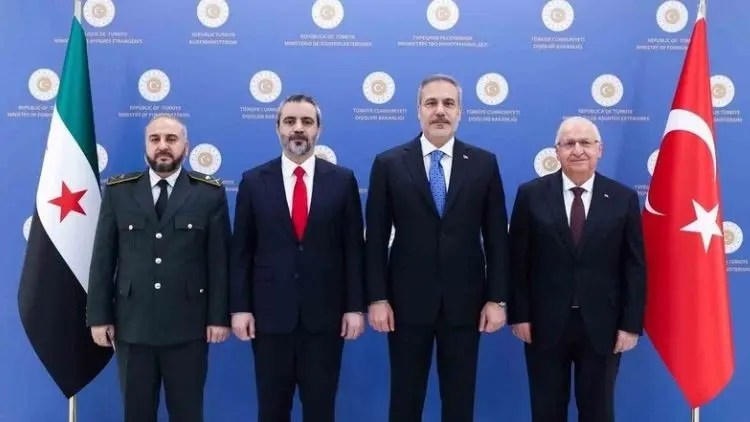
ANKARA — In a significant development that marks a potential turning point in regional diplomacy, Turkish Minister of National Defense Yaşar Güler and Minister of Foreign Affairs Hakan Fidan hosted their Syrian counterparts in the Turkish capital on Tuesday. The high-stakes meeting, which took place on November 17, 2026, saw the Turkish delegation engage in comprehensive discussions with Syrian Foreign Minister Esad Hasan al-Sheybani and Defense Minister Murhef Abu Kasra.
The meeting, held at a time of intense geopolitical recalibration in the Middle East, underscores the ongoing efforts to normalize relations between Ankara and Damascus after more than a decade of strained ties and open conflict. The announcement of the summit was first made public through an official statement released by the Turkish Ministry of National Defense via its social media channels, signaling a transparent approach to what has historically been a sensitive and often back-channel dialogue.
According to the brief but momentous statement from the Ministry, the four high-ranking officials gathered in Ankara to deliberate on a range of issues that have long defined the complex relationship between the two neighboring nations. "Minister of National Defense Yaşar Güler and Minister of Foreign Affairs Hakan Fidan met with Syrian Foreign Minister Esad Hasan al-Sheybani and Defense Minister Murhef Abu Kasra in Ankara," the Ministry confirmed, highlighting the bilateral nature of the engagement.
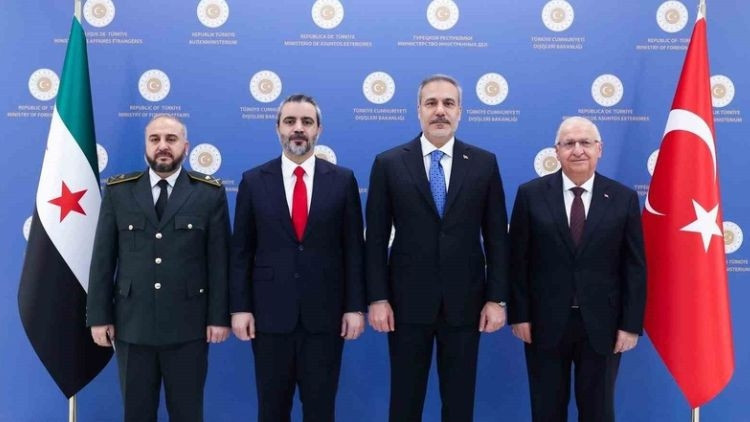
Ministers Güler and Fidan Meet with Syrian Counterparts
The presence of both the defense and foreign policy chiefs from both nations suggests that the talks were not merely symbolic but addressed the core pillars of the bilateral dispute: security, territorial integrity, and the political roadmap for future cooperation. For Turkey, the meeting represents a continuation of its "360-degree diplomacy" initiative, which seeks to resolve long-standing regional disputes through direct engagement and strategic dialogue.
Minister Hakan Fidan, who has been a central figure in Turkey’s regional outreach since his tenure as the head of the National Intelligence Organization (MİT), brought a wealth of institutional knowledge to the table. His counterpart, Syrian Foreign Minister Esad Hasan al-Sheybani, represents a Damascus administration that has increasingly sought to reintegrate into the regional fold following Syria’s return to the Arab League and the gradual thawing of relations with various regional powers.
On the defense front, Minister Yaşar Güler and Syrian Defense Minister Murhef Abu Kasra focused on the technical and security-related aspects of the border. The border between Turkey and Syria remains one of the most militarized and sensitive zones in the region. The discussions reportedly touched upon the coordination of counter-terrorism efforts, the prevention of illegal crossings, and the establishment of mechanisms to ensure long-term stability in the northern Syrian territories.
The Ankara summit is the latest in a series of meetings that have evolved from intelligence-level contacts to ministerial-level summits. While previous rounds of talks were often facilitated by third parties such as Russia or Iran within the framework of the Astana Process, the fact that this specific meeting took place directly in Ankara carries significant diplomatic weight. It suggests a growing level of confidence between the two sides and a mutual recognition that direct bilateral communication is essential for addressing the myriad challenges that remain.
One of the primary objectives for the Turkish delegation remains the security of its southern borders. Ankara has long maintained that the presence of terrorist organizations, specifically the PKK and its Syrian affiliates, poses a direct threat to Turkish national security. During the talks, Minister Güler is believed to have reiterated Turkey’s stance on maintaining a security corridor and ensuring that no "terrorist entities" are allowed to operate near the border. In return, the Syrian delegation has historically emphasized the importance of full sovereignty and the eventual withdrawal of foreign military forces from its soil.
The humanitarian dimension of the crisis also loomed large over the discussions. Turkey currently hosts the world’s largest refugee population, including millions of Syrians who fled the civil war. The "dignified, safe, and voluntary" return of these individuals is a top priority for the Turkish government. Achieving this goal requires close coordination with Damascus to ensure that returning citizens are provided with security guarantees and the necessary infrastructure to rebuild their lives. Minister Fidan’s discussions with al-Sheybani likely explored the legal and political frameworks required to facilitate such a return process, which remains a cornerstone of Turkey’s domestic and foreign policy.
Furthermore, the economic implications of a potential normalization cannot be overstated. Before the conflict began in 2011, Turkey and Syria shared a robust economic partnership, with the M4 and M5 highways serving as vital trade arteries connecting Europe to the Middle East. The reopening of these trade routes and the revitalization of cross-border commerce would provide a much-needed boost to the economies of both nations, which have suffered under the weight of regional instability and international sanctions.
The timing of the meeting is also noteworthy. As the global community focuses on various conflicts across Eurasia and the Middle East, the Ankara-Damascus dialogue serves as a reminder that regional actors are increasingly taking the lead in solving regional problems. The "Ankara Process," as some analysts have begun to call these direct interactions, represents a shift toward a more localized resolution of the Syrian crisis, moving away from the stalled international initiatives of previous years.

Public reaction to the meeting has been a mix of cautious optimism and strategic scrutiny. Proponents of the normalization process argue that a stable and cooperative relationship with Damascus is the only viable path to resolving the refugee crisis and ensuring permanent border security. Critics, however, point to the immense difficulties in reconciling the divergent interests of the various stakeholders involved in the Syrian theater, including the roles of international powers like the United States, Russia, and Iran.
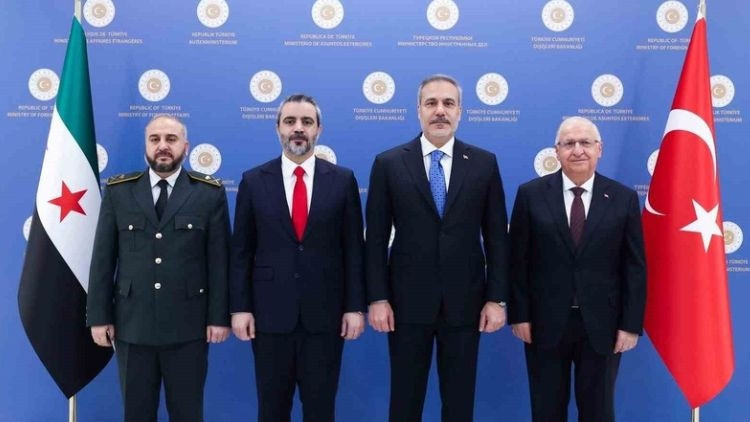
Despite these challenges, the meeting in Ankara stands as a testament to the power of persistent diplomacy. The image of the four ministers together in the Turkish capital provides a stark contrast to the rhetoric of the past decade. It signals a pragmatic realization that geography is destiny, and that neighboring states must eventually find a way to coexist and cooperate, regardless of past grievances.
As the delegations conclude their talks and return to their respective capitals, the focus will now shift to the implementation of any agreements reached during the summit. Follow-up meetings at the technical level are expected to take place in the coming weeks to iron out the details of security protocols and humanitarian cooperation. The international community will be watching closely to see if this Ankara summit translates into tangible improvements on the ground, particularly regarding the de-escalation of tensions in northern Syria and the movement of goods and people across the border.
The Ministry of National Defense’s announcement ended without detailing a specific timeline for the next meeting, but the mere occurrence of this high-level exchange suggests that the dialogue has reached a new, more formal stage. For the people of the region, who have endured years of uncertainty and violence, the sight of ministers discussing peace and security in Ankara offers a glimmer of hope that a new chapter in Turkish-Syrian relations may finally be beginning.

In the broader context of Middle Eastern geopolitics, this meeting also reflects Turkey’s evolving role as a central mediator and a stabilizing force. By hosting the Syrian delegation, Ankara has demonstrated its ability to engage with all parties to a conflict, further cementing its position as a key player in the quest for regional peace. The road to full normalization remains long and fraught with obstacles, but the November 17 summit in Ankara will undoubtedly be remembered as a milestone in that journey.