The experience of modern domestic life is often punctuated by small but persistent frustrations regarding the quality of tap water. Homeowners frequently report a variety of sensory issues, ranging from unpleasant odors and metallic tastes in their drinking water to the more subtle degradation of the flavor profile in their daily tea and coffee. Beyond the palate, physical evidence of water quality issues often manifests as stubborn sediment in kettles or white, crusty mineral deposits—commonly known as hardness—on faucets and showerheads. While these problems are ubiquitous, experts suggest that when the correct purification system is installed, the transformation in water quality is so profound that the difference is typically noticeable within the first few days of operation.
However, the path to achieving crystal-clear, high-quality water is often obscured by aggressive marketing tactics and a lack of technical clarity. The pursuit of the "best" water purification device is a common endeavor, yet the definition of what constitutes the best system is frequently misunderstood. Industry specialists emphasize that a superior system is not defined merely by having a high number of filters—a common selling point used to lure unsuspecting consumers—but rather by how well the technology aligns with specific consumption needs and the unique chemical profile of the local water source. Choosing a device based on a "more is better" philosophy regarding filter stages often leads to unnecessary expenses and, in many cases, a failure to address the actual contaminants present in the water.
Critical Criteria in Selecting the Best Water Purification Device
For a consumer to make an informed and rapid decision, several foundational pillars must be established before a purchase is made. These include a comprehensive water analysis, a clear understanding of required capacity, a match between technology and usage habits, and a realistic assessment of long-term maintenance costs. Experts suggest that the selection process should follow a strict checklist: water analysis, target quality goals, required flow rate (debi), and the sustainability of the maintenance schedule.
The most critical step is the initial analysis of the water source. Whether the water is supplied by a municipal city network or drawn from a private well drastically changes the technological requirements of the purification system. In city networks, the primary concerns are usually residual chlorine used for disinfection, organic compounds that affect taste and odor, and a balance of total dissolved solids (TDS). Conversely, well water or variable rural sources often present more complex challenges, such as high levels of iron, manganese, turbidity, or potential microbiological risks.
If the water source is inconsistent or comes from a well, the performance of the device becomes secondary to the durability of the filtration stages. In these scenarios, the frequency and reality of filter replacement cycles become the most critical factor for long-term success. A system that works perfectly in a laboratory setting may fail in a real-world application if its filters become clogged with sediment within weeks, leading to a drop in pressure and a decrease in water quality. Therefore, understanding the "input" water is the only way to guarantee the desired "output" quality.
Tailoring Solutions to Specific Usage Scenarios
The application of water purification technology is not a one-size-fits-all endeavor. Different environments and goals require distinct technological approaches to minimize risk and maximize efficiency. By examining various common scenarios, consumers can better understand which systems are likely to provide the most reliable results.
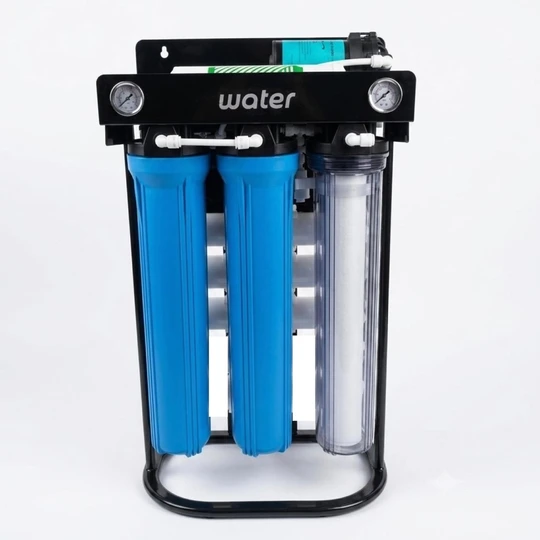
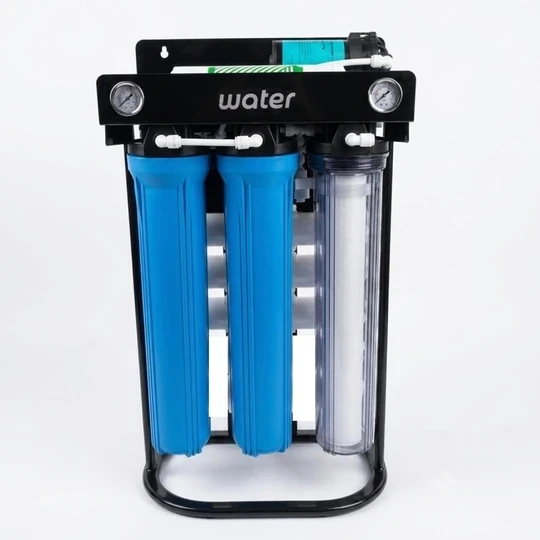
In a standard urban setting where the goal is primarily to produce high-quality drinking water from a municipal supply, the focus remains on balancing the reduction of dissolved solids with the elimination of unpleasant tastes and odors. The most effective approach in this context usually involves a combination of compatible pre-filtration stages—such as sediment and activated carbon filters—paired with a high-quality membrane, typically utilizing Reverse Osmosis (RO) technology. In areas where the municipal infrastructure is older or where secondary contamination is a concern, supplementary stages like Ultraviolet (UV) sterilization can be integrated to provide an extra layer of hygienic protection. The key to success here is verifying the technology against the specific TDS and hardness values of the city’s tap water to ensure the flow rate meets the household’s daily demands.
When dealing with well water or sources that fluctuate in quality, the strategy must shift toward robust protection of the system’s core components. Sediment control becomes the priority. If a strong pre-filtration system is not in place to handle iron, manganese, and general turbidity, the expensive semi-permeable membrane will degrade rapidly. This not only leads to a significant loss in purification efficiency but also drives up maintenance costs. In these cases, a successful installation requires a post-setup monitoring phase where flow rates and pressure levels are tracked to ensure that the filtration periods are sustainable.
Beyond traditional residential and rural uses, there is a growing demand for specialized systems in off-grid or high-purity environments. For locations that are independent of the national power grid or where energy planning is constrained, innovative solutions like solar-powered pure water purification devices have emerged. These systems are designed to support autonomous production goals, allowing for a reliable water supply in remote areas.
Similarly, in laboratory-like applications where extremely high purity is a non-negotiable requirement, the definition of "purity" must be established at the outset. If the target purity levels are not accurately matched with the specific combination of consumables and specialized filters, the system will fail to meet the necessary scientific or industrial standards. In such high-stakes environments, the configuration of the system must be meticulously aligned with the intended use to avoid costly errors and inconsistent results.
Technical Logistics and Long-Term Sustainability
Once the technology is matched to the water source, the practicalities of daily use come into play. Many consumers overlook the importance of flow rate and pressure, only to find themselves frustrated by a "slow trickle" at the faucet. It is essential to inquire about the actual flow rate (debi) of a device under real-world pressure conditions rather than relying on theoretical maximums.
Furthermore, the management of the water tank and the wastewater ratio is a vital consideration. Most high-efficiency purification systems, particularly those using Reverse Osmosis, produce a certain amount of wastewater as part of the filtration process. The balance between the purified water stored in the tank and the water sent to the drain must be planned according to the expected usage scenario. A tank that is too small will leave a large family waiting for water to be processed, while a tank that is too large may lead to water stagnation if not used frequently.
Finally, the long-term economic viability of a water purification system is determined by its maintenance profile. This includes the cost of replacement filter cartridges, the frequency of those changes, and the accessibility of authorized service providers. A device that appears inexpensive at the point of purchase may become a financial burden if it requires proprietary filters that are costly or difficult to source. By establishing these maintenance parameters early, users can transform the "best" claim of a manufacturer into a tangible, long-term performance reality.
In conclusion, the most common mistake made when searching for the best water purification device is confusing raw capacity or the number of filter stages with actual household needs. By focusing on a data-driven approach—starting with water analysis and ending with a sustainable maintenance plan—homeowners can ensure they are investing in a system that provides not just clean water, but the specific quality of water required for their unique environment and lifestyle. Whether for a city apartment, a rural farmhouse, or a specialized laboratory, the right technology, correctly applied, remains the most effective solution to the challenges of modern water quality.