

After Initially Concealing His Method Behind Claims of Routine Dieting, the Television Personality Opens Up About Medical Weight Loss, Public Accountability, and the Pressure to Maintain Unrealistic Standards
Renowned Turkish actor and television presenter Onur Büyüktopçu has publicly disclosed that his dramatic 28-kilogram weight loss was achieved through the use of slimming injections. Speaking candidly during a recent appearance on the popular talk show Sana Ne Bana Ne, hosted by media personality Ceren Akdağ, Büyüktopçu broke his silence on the medical assistance he received, admitting that while he initially tried to attribute his physical transformation to simple dietary changes, he ultimately felt a responsibility to speak truthfully about his experience.
The actor’s revelation comes at a time when public interest in modern weight-loss treatments is reaching unprecedented heights, accompanied by intense debate over body image, celebrity transparency, and the social stigmas attached to medical interventions for weight management. By choosing to speak openly about his decision, Büyüktopçu has joined a growing global conversation regarding the pressure placed on public figures to conceal the realities behind rapid physical changes.
A Candid Disclosure on Sana Ne Bana Ne
During his sit-down interview with Ceren Akdağ, Büyüktopçu initially opened the conversation with a lighthearted joke regarding his altered appearance, playfully deflecting questions before deciding to lay out the plain truth of his journey. He explained that after managing to shed 28 kilograms—a substantial change that transformed his overall physical health and appearance—he realized that continuing to pretend the change was solely the result of standard dieting was neither truthful nor fair to himself or his audience.
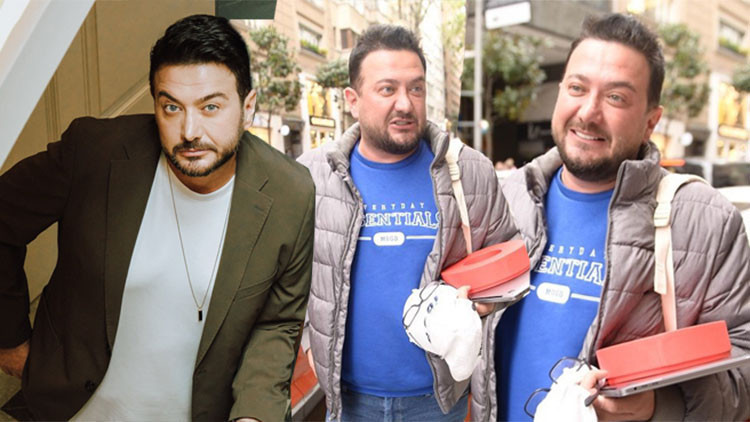
"I lost weight with a slimming injection. I lost 28 kilograms," Büyüktopçu stated frankly during the broadcast. Refusing to sugarcoat his initial reluctance to be transparent, he admitted to using common excuses when the physical changes first became noticeable to the public and the media. "When I first lost weight like this, I said ‘diet’ and so on. No lies—I said a whole person came out from inside me."
The expression "a whole person came out" underscored the magnitude of the reduction. Losing 28 kilograms represents a major physical transformation, one that inherently reshapes an individual’s daily life, public profile, and professional screen presence. For Büyüktopçu, who has spent years in front of the camera, the change was immediately visible to viewers, making the method behind it a subject of persistent curiosity.
Challenging the Myth of Effortless Transformation
Beyond disclosing his own personal routine, Büyüktopçu utilized his appearance on the show to criticize what he views as widespread dishonesty within the entertainment industry. He pointed out that many celebrities undergo significant, rapid weight loss through medical treatments or surgical procedures, only to tell the public that their new physique is entirely the result of sudden discipline, rigorous workouts, and strict meal planning.

Reflecting on his decision to stop hiding his process, Büyüktopçu explained that maintaining a false narrative began to feel like a self-inflicted burden. "I said to myself, ‘I was being unfair to myself.’ So I started telling it straight out," he recounted. "I said, ‘I am losing weight with slimming injections.’ Calling it diet and exercise strikes me as funny. You can’t lose weight for years, and then suddenly you lose it all—what happened, did a bug bite you?"
Büyüktopçu’s sharp, humorous commentary highlights a common frustration shared by many viewers who watch public figures undergo drastic physical changes overnight. By questioning the narrative that long-standing struggles with weight can be instantly resolved through basic lifestyle tweaks alone, he challenged the unrealistic standards that such claims perpetuate for the general public.
Navigating Shame, Ethics, and Public Perception
While Büyüktopçu is now firmly committed to full transparency, he candidly admitted that his initial choice to conceal the truth was driven by complex feelings of hesitation and embarrassment. In society, medical weight-loss solutions—ranging from pharmacological treatments to bariatric surgeries—have historically carried a social stigma, often unfairly framed as an "easy way out" compared to traditional diet and exercise.

Furthermore, Büyüktopçu noted that he harbored concerns about how his disclosure might be interpreted by the public. He was wary of appearing to endorse or promote a clinical procedure without proper medical context, given the broad influence that television personalities hold over their audience.
"At first, I was ashamed, and I didn’t want to look like I was recommending it," Büyüktopçu confessed during the interview. This admission sheds light on the delicate balance public figures must navigate when discussing personal health choices. On one hand, concealing the truth fosters unrealistic expectations about body image; on the other hand, speaking openly about prescription medications or medical procedures carries the risk of sounding like an uncritical endorsement to fans who may seek similar treatments without consulting healthcare professionals.
Ultimately, Büyüktopçu concluded that honesty was the most ethical path forward. By acknowledging that his transformation was enabled by slimming injections under medical supervision, he separated the reality of his journey from the idealized fantasy often presented by media personalities.

The Growing Conversation Around Medical Weight Loss
Büyüktopçu’s statements reflect a broader cultural shift taking place across the global entertainment landscape. The advent of modern slimming injections and pharmacological weight-management treatments has transformed how individuals approach obesity and weight reduction. However, public discourse around these treatments remains divided between celebration of their clinical efficacy and skepticism regarding their widespread misuse.
In recent years, numerous high-profile figures internationally have faced intense scrutiny regarding their physical appearances. While some have chosen to remain silent or attribute their changes exclusively to fitness routines, an increasing number of public figures are breaking the taboo by acknowledging the role of medical science in their transformations.
By openly discussing his 28-kilogram weight loss, Onur Büyüktopçu contributes to dismantling the traditional shame associated with seeking medical help for weight control. His commentary emphasizes that struggling with weight management is a complex issue, and utilizing available medical tools under proper guidance should not be a source of secrecy or embarrassment.

A New Chapter in Public Authenticity
As Büyüktopçu continues his career in acting and television, his candid reflections on Sana Ne Bana Ne have resonated with audiences who appreciate straightforwardness over sanitized public relations narratives. By addressing the reality of his physical changes directly, he has shifted the conversation away from gossip and toward an authentic discussion about health, self-image, and the pressures of public life.
His decision to reject the conventional "diet and workout" cover story marks a notable moment in Turkish entertainment media, signaling a shift toward greater accountability and transparency. Through his willingness to speak openly about his 28-kilogram weight loss journey, Büyüktopçu has reinforced the idea that personal health choices, when discussed responsibly, can help foster a more realistic and compassionate dialogue about body image in the public eye.