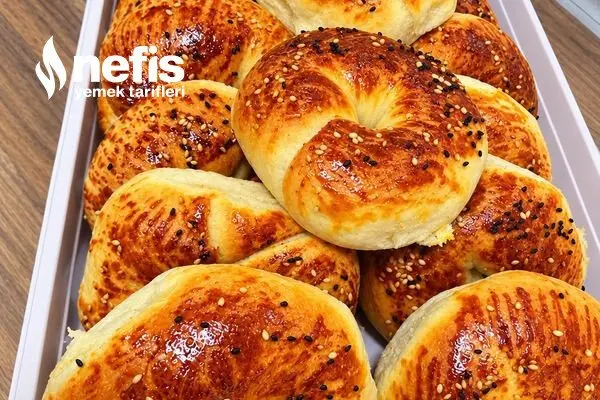
For home bakers and culinary enthusiasts searching for the ultimate pastry experience, a new sensation has taken center stage within the digital culinary community. Known widely as "Pamuk Açma"—translating aptly to "cotton soft-open pastry" in Turkish—this beloved traditional baked good has captured the attention and recipe notebooks of countless individuals looking to recreate bakery-quality comfort within their own kitchens. Developed and shared by food creator Yasemin Eren Sezen, this particular iteration of the classic Turkish açma has quickly become a preferred staple, celebrated specifically for its pillow-like texture and incredible versatility.
In a culinary landscape often saturated by complex, time-consuming baking trends, the appeal of Pamuk Açma lies in its straightforward yet effective approach to achieving a remarkably soft crumb. Traditional Turkish açma is a yeast-leavened pastry, distinct from a standard bagel or basic bread roll due to its unique shaping technique, which involves twisting dough strands and layering them with fats to create a tender, flaky interior alongside a golden, slightly crisp exterior. Sezen’s recipe, published on major culinary platforms, speaks directly to a universal desire among home cooks: finding a reliable, crowd-pleasing pastry that maintains its softness long after leaving the oven.
The timing of the recipe’s widespread attention coincides with a perennial challenge for households worldwide: planning daily meals and school lunchboxes that are both nourishing and genuinely appealing to children. According to culinary notes accompanying the recipe, the primary inspiration behind this specific version of Pamuk Açma is centered on providing families—particularly school-aged children—with a homemade, wholesome snack that remains delightfully soft throughout the school day. In an era where pre-packaged snacks often dominate school lunches, recipes that offer a comforting, homemade alternative continue to resonate deeply with parents and caregivers.
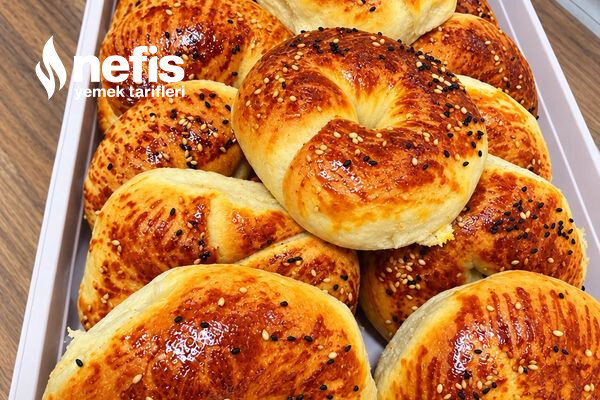
The structural foundation of Pamuk Açma relies heavily on a well-crafted yeast dough, requiring careful attention to proportion and technique. While elaborate ingredient measurements can sometimes deter novice bakers, the components utilized in Sezen’s recipe remain grounded in traditional Turkish baking staples—utilizing basic pantry items such as flour, yeast, milk, and essential fats to create the signature feather-light texture. The art of making açma traditionally involves incorporating soft butter or oil between the stretched dough layers during the shaping process, a technique that prevents the bread from drying out and guarantees that signature pull-apart quality that gives the pastry its name.
Beyond its utility as a lunchbox essential, the recipe has found a dedicated following among home bakers who appreciate the communal and interactive nature of sharing food photographs and culinary experiences online. As more users document their successful attempts at recreating the pastry, the digital footprint of Pamuk Açma continues to expand. Food platforms and recipe indices have noted a surge in engagement, with culinary enthusiasts trading tips on proofing times, oven temperatures, and optimal techniques for achieving the desired golden crust without compromising the interior moisture of the dough.
For those looking to integrate this traditional favorite into their baking repertoire, the recipe serves as a reminder of the enduring popularity of comfort foods rooted in cultural heritage. As home cooking trends continue to balance a desire for modern convenience with a renewed appreciation for scratch-made traditions, creations like Yasemin Eren Sezen’s Pamuk Açma demonstrate how classic techniques can be successfully adapted to meet the everyday needs of contemporary households.