

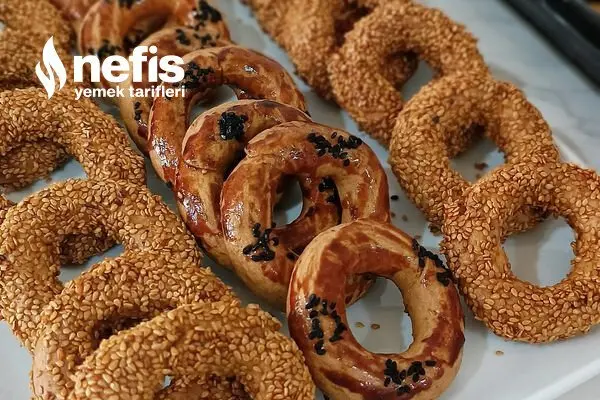
As communities prepare to observe upcoming sacred nights and festive gatherings, culinary traditions take center stage in households across Turkey. Among the most cherished treats of these holy evenings is the traditional Kandil Simidi—a ring-shaped, sesame-crusted savory pastry that has graced Turkish tables for generations. Amid countless variations and modern adaptations of the recipe, home cooks continually seek the definitive version that captures the authentic taste, texture, and aroma of traditional bakeries.
Addressing this culinary quest, food enthusiast and recipe developer Hatice Yıldırım has shared what she describes as the definitive recipe for the classic pastry, promising a result so authentic that even discerning palates will mistake it for a professional bakery creation. Published on popular culinary platforms, the recipe has quickly garnered significant attention from home cooks looking to recreate the nostalgic flavor in their own kitchens during sacred observances.
The Cultural Significance and Tradition of Kandil Simidi
Kandil Simidi holds a unique place in Turkish culture, deeply intertwined with the spiritual atmosphere of holy nights, known as kandil. These sacred evenings, celebrated throughout the Islamic calendar, are marked by communal prayers, family gatherings, and acts of charity. Traditionally, sharing food—particularly baked goods like simit and cookies—plays a vital role in strengthening neighborhood bonds and fostering a sense of community and generosity.
According to Yıldırım, the motivation behind sharing this specific recipe goes beyond mere culinary instruction. In a statement accompanying the recipe, she highlighted the deeper spiritual and social dimensions of preparing the pastry at home. Emphasizing the desire to engage in acts of sharing and strengthen communal ties, the recipe is presented as a medium to experience and perpetuate the profound spiritual atmosphere of the holy night. By baking these traditional rings, households can participate in a centuries-old custom of gifting food to neighbors, relatives, and those in need, thereby reinforcing social cohesion and shared cultural heritage.
Crafting the Ultimate Bakery-Style Pastry at Home
Achieving the perfect Kandil Simidi has long been considered a point of pride for home cooks. The ideal pastry requires a delicate balance of texture and flavor: it must be crumbly yet tender, rich with the distinct aroma of specific spices—traditionally including mahlab, which gives the pastry its signature bakery scent—and generously coated in toasted sesame seeds.
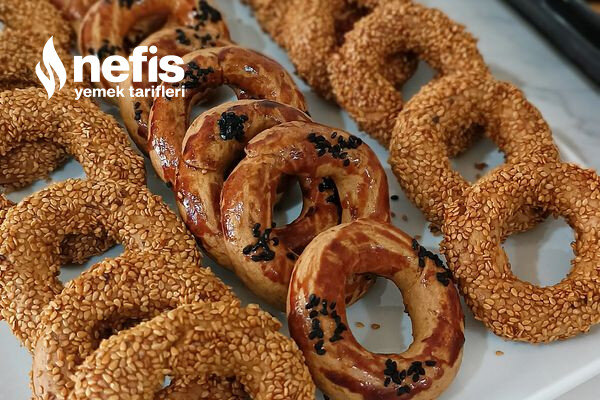
Pastry enthusiasts often experiment with various ratios of butter, oil, yogurt, and eggs to achieve the sought-after texture that melts in the mouth while holding its distinctive ring shape during baking. Yıldırım’s formulation, which has earned a dedicated following among culinary enthusiasts and has been saved by dozens of users on recipe sharing networks, focuses on these precise elements. The detailed guidance provided by the author aims to eliminate the common pitfalls encountered by home bakers, such as pastries that turn out too hard, lose their shape in the oven, or lack the characteristic golden-brown exterior.
The preparation process, while straightforward, demands attention to detail, particularly in the dough-mixing stage and the final coating phase. Traditional methods involve dipping the shaped dough rings into a mixture of molasses and water before rolling them extensively in sesame seeds, a step crucial for developing the rich color and nutty flavor profile that defines a high-quality Kandil Simidi.
Community Response and Culinary Engagement
The recipe’s release has sparked active engagement within the online cooking community, with numerous users sharing their photographic results and feedback after trying the method at home. This community interaction highlights the enduring popularity of traditional baking, especially during times of cultural and religious observance. As modern lifestyles often distance individuals from traditional scratch-cooking, recipes that promise authentic, bakery-quality results continue to resonate strongly with those seeking to preserve domestic culinary arts.
Through platforms that aggregate and celebrate traditional recipes, creators like Yıldırım contribute to the ongoing documentation and transmission of culinary knowledge. The widespread appreciation for this particular Kandil Simidi recipe underscores the broader cultural value placed on authenticity and the preservation of heritage foods, ensuring that the flavors associated with cherished community traditions remain vibrant in contemporary households.