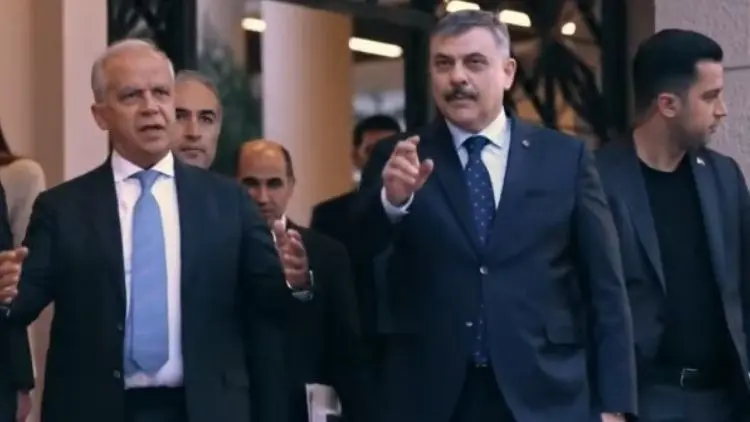
In a significant diplomatic move aimed at addressing the complex security challenges facing the Mediterranean region, Turkish Interior Minister Mustafa Çiftçi hosted his Italian counterpart, Matteo Piantedosi, in Ankara on November 4, 2026. The high-level meeting, held at the Ministry of Interior, served as a platform for both nations to reinforce their commitment to a shared security agenda. The discussions were characterized by a focus on the most pressing issues currently impacting the stability of the region, including irregular migration, the evolving nature of transnational organized crime, and the ongoing fight against terrorism.
The meeting comes at a time when both Turkey and Italy, as two major powers on the Mediterranean’s northern and eastern shores, find themselves on the front lines of global migration shifts and security threats. The dialogue between Minister Çiftçi and Minister Piantedosi highlighted the necessity of moving beyond traditional bilateral agreements toward more integrated, operational cooperation. Both ministers emphasized that the nature of modern security threats—ranging from digital-age crime syndicates to sophisticated human smuggling networks—requires a level of international solidarity that is both proactive and technologically advanced.
Addressing the Crisis of Irregular Migration and Human Smuggling
One of the primary pillars of the discussions was the management of irregular migration and the aggressive dismantling of migrant smuggling operations. For years, the Mediterranean has served as a volatile corridor for those seeking to reach Europe, and both Turkey and Italy have borne the brunt of this humanitarian and logistical challenge. During the meeting, Minister Çiftçi underscored that the fight against irregular migration is not merely a border control issue but a fight against criminal networks that exploit human vulnerability.
The ministers reviewed current strategies for monitoring Mediterranean routes and discussed the enhancement of intelligence-sharing protocols. Minister Çiftçi noted that the success of these efforts depends heavily on the ability of both nations to intercept smuggling rings before they launch vessels into the sea. By focusing on the root financial structures of these criminal organizations, Turkey and Italy aim to disrupt the business model of human trafficking. The discussion also touched upon the humanitarian aspect of the crisis, acknowledging that effective migration management is essential for ensuring the safety of individuals and maintaining the integrity of national borders.

Minister Çiftçi reiterated Turkey’s stance that transnational threats cannot be managed by any single nation in isolation. He expressed that the Mediterranean must be a zone of cooperation rather than a theater of crisis. This sentiment was echoed by the Italian delegation, which acknowledged Turkey’s pivotal role in stabilizing migration flows and the importance of continued support and partnership within the framework of international law and bilateral agreements.
Combatting New Generation Organized Crime and the Push for Extradition
A significant portion of the meeting was dedicated to a relatively new and growing threat: "new generation" organized crime groups. These organizations are characterized by their decentralized structures, use of advanced technology for illicit activities, and their ability to operate across multiple jurisdictions with ease. Minister Çiftçi specifically addressed the presence of certain leaders and members of these criminal networks who are currently residing in Italy.
The Turkish Interior Minister was clear in his expectations regarding the extradition of these individuals. He shared Turkey’s formal requests for the return of high-ranking figures and members of these crime syndicates to face justice in Turkish courts. "We shared our expectations regarding the extradition of the ringleaders and members of new generation crime organizations located in Italy to our country," Çiftçi stated following the meeting. This move is seen as a crucial step in Turkey’s broader domestic policy of dismantling organized crime "cells" that attempt to run operations from abroad.
The ministers discussed the legal and administrative hurdles that often slow down extradition processes. There was a mutual understanding that for the law to be effective, it must move as fast as the criminals it seeks to apprehend. By aligning their judicial and security perspectives, both ministers hope to create a more streamlined process for dealing with fugitive criminals who seek refuge in the complexities of international law.
Italy Proposes the Formation of Joint Investigation and Research Teams

In a move that signals a shift toward deeper operational integration, Italian Interior Minister Matteo Piantedosi proposed a new mechanism for tackling transnational crime. Recognizing that information sharing alone is sometimes insufficient to bring down sophisticated international syndicates, the Italian side suggested the establishment of Joint Investigation and Research Teams.
This proposal marks a departure from standard diplomatic cooperation, moving instead into the realm of shared tactical operations. These teams would ideally consist of experts from both Turkish and Italian law enforcement agencies, working side-by-side to track criminal assets, monitor communications, and build legal cases that can stand up in either jurisdiction. Minister Çiftçi welcomed this proposal, noting that it aligns with Turkey’s goal of modernizing its security apparatus.
"My Italian counterpart stated that they would take a determined stance against new generation crime organizations in his country and suggested the establishment of joint investigation and research teams to fight these crime networks more effectively," Çiftçi explained. The formation of such teams would allow for real-time cooperation, reducing the bureaucratic delays that often allow criminal elements to evade capture. It also signifies a high level of trust between the two ministries, as it involves the sharing of sensitive investigative data and personnel.
Counter-Terrorism and the Vision of a ‘Terror-Free Region’
The fight against terrorism remains a cornerstone of the Turkey-Italy security relationship. Minister Çiftçi and Minister Piantedosi discussed the multi-faceted nature of modern terrorism, which involves not only physical threats but also sophisticated financing and propaganda activities conducted through digital platforms. Turkey has long advocated for a holistic approach to counter-terrorism that targets the financial lifelines and ideological spread of extremist groups.
Minister Çiftçi highlighted the vision of President Recep Tayyip Erdoğan, which aims for a "Terror-free Turkey" and a "Terror-free Region." He emphasized that achieving this goal requires allies to take a firm stand against the propaganda activities of terrorist organizations within their borders. The Turkish delegation expressed its desire for more stringent measures in Italy against the fundraising and recruitment efforts of groups that threaten Turkish national security.

The ministers agreed that the security of Europe and the security of Turkey are inextricably linked. As NATO allies and strategic partners, the cooperation between the two nations in the field of counter-terrorism is viewed as a vital component of regional stability. The dialogue in Ankara served to reaffirm that neither country will allow its soil to be used as a base for activities that undermine the safety and sovereignty of the other.
A Strategic Partnership for a Secure Future
As the meeting concluded, Minister Çiftçi expressed his gratitude to Minister Piantedosi for his constructive approach and the "kindness of his visit." The discussions were described as productive, setting a clear roadmap for the coming years. The emphasis on "concrete steps" suggests that the outcomes of this meeting will soon manifest in joint operations, more frequent high-level exchanges, and a more robust legal framework for extradition and mutual legal assistance.
The relationship between Turkey and Italy has historically been one of strong economic and cultural ties, but this latest meeting underscores the growing importance of the security dimension. By addressing the challenges of migration, organized crime, and terrorism with a unified front, both nations are positioning themselves as the primary architects of a more secure Mediterranean.
In his concluding remarks on social media, Minister Çiftçi reiterated the importance of the NATO alliance and the strategic partnership between the two countries. He noted that the challenges of the 21st century—be they the movement of people across borders or the movement of illicit capital through the shadows of the internet—can only be overcome through the kind of effective cooperation and international solidarity demonstrated during this summit. The Ankara meeting of November 2026 stands as a testament to the enduring necessity of diplomacy in the face of ever-evolving global threats.