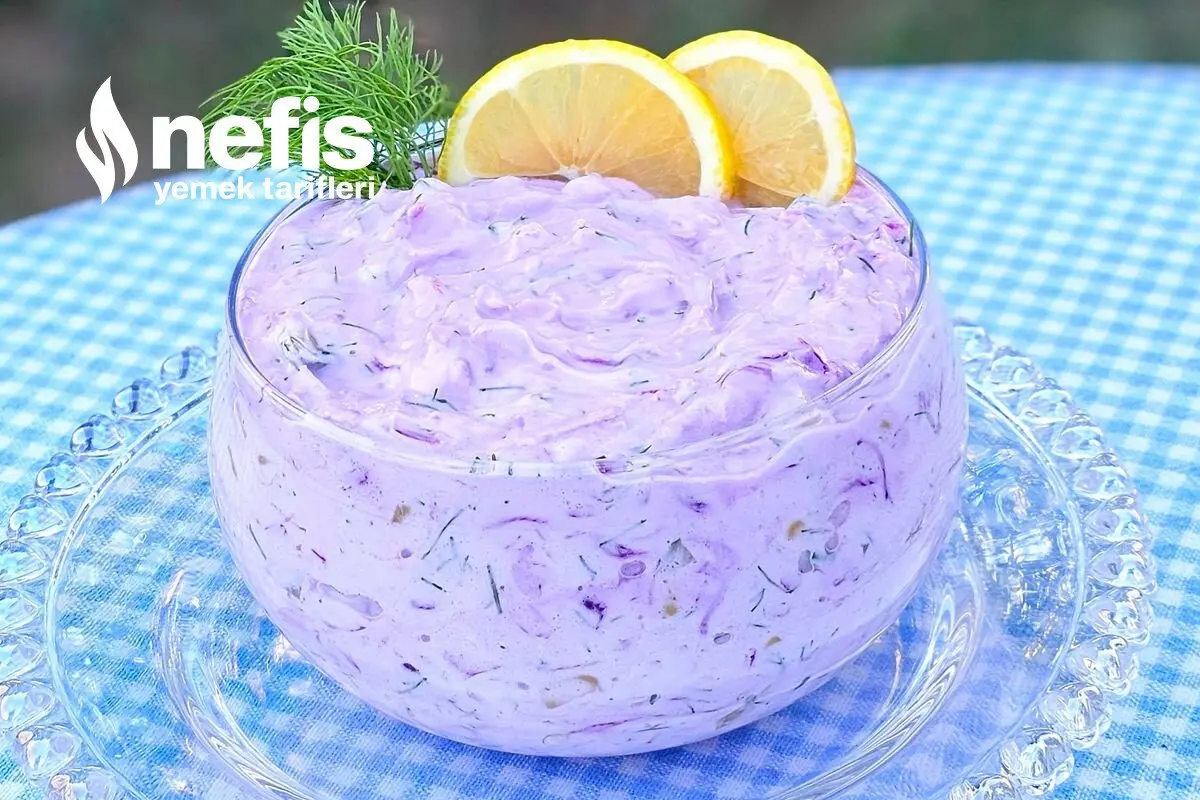
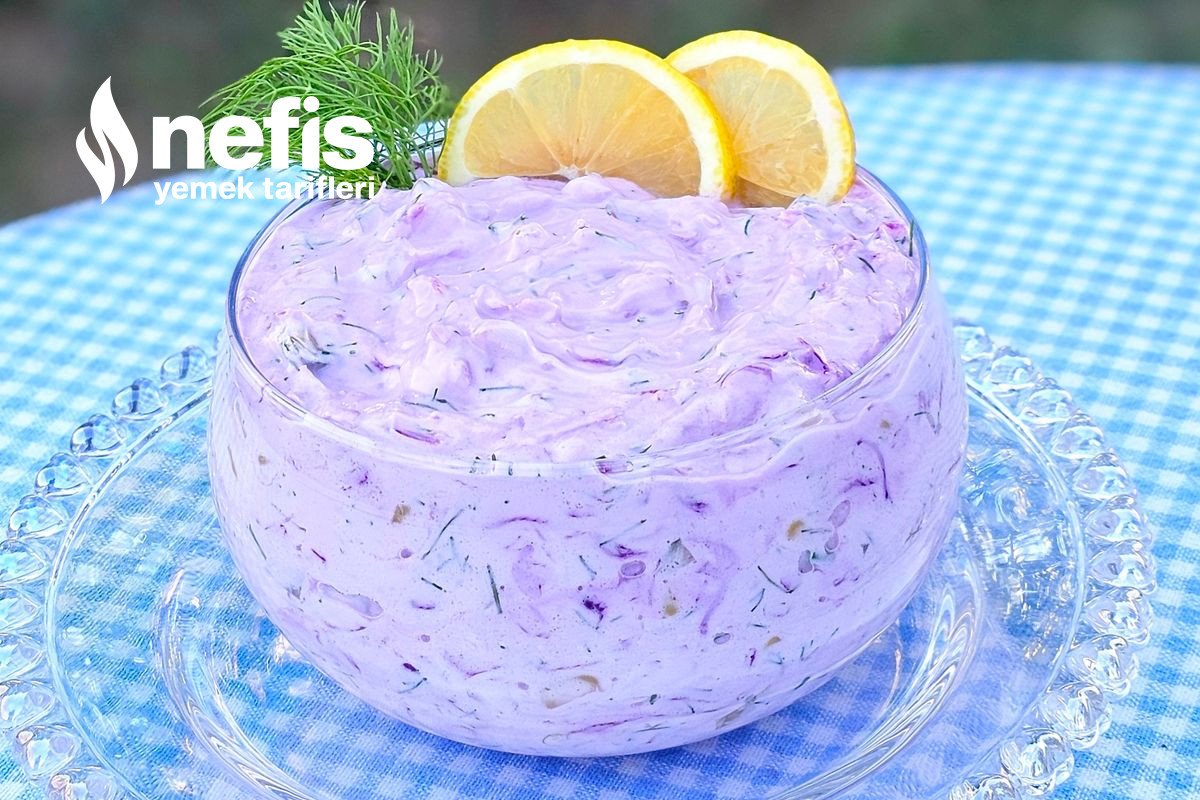
The culinary world is constantly searching for that elusive combination of vibrant color, striking presentation, and unforgettable flavor, particularly when it comes to the cherished tradition of mezze culture. In recent discussions sweeping across prominent food communities and digital recipe platforms, one particular dish has managed to capture the imagination of home cooks and professional kitchens alike: the celebrated Purple Cabbage Meze. Originally highlighted by culinary creators such as Happy Kitchens on widely followed platforms like Nefis Yemek Tarifleri, this standout dish has quickly transitioned from a quiet household favorite to a widely requested centerpiece of modern dining tables.
Mezze culture, deeply rooted in the culinary traditions of the Eastern Mediterranean and the broader Turkish culinary landscape, relies heavily on vibrant, vegetable-forward dishes that stimulate the palate before a main meal. Within this rich tradition, salads, cold vegetable preparations, and yogurt- or olive-oil-based mezes hold a position of high honor. The Purple Cabbage Meze fits seamlessly into this heritage, offering a brilliant splash of deep magenta and violet hues that instantly elevate the visual appeal of any spread. Culinary enthusiasts note that the dish achieves a delicate balance between crisp textures and deep, savory flavor profiles, making it an indispensable addition to both casual family gatherings and formal dinner parties.
The Story Behind the Recipe
Every beloved dish carries a narrative of discovery, and this particular iteration of the purple cabbage meze is no exception. Described by its creators as one of their signature, star-studded mezes—the kind that guests invariably ask for by name long after the meal has concluded—the recipe has steadily built a dedicated following. Food writers and community contributors emphasize that the secret to its widespread appeal lies not in overly complex techniques, but in the meticulous handling of humble, everyday ingredients. Purple cabbage, long valued for its robust nutritional profile and striking color, is transformed through traditional preparation methods into something altogether extraordinary.
In communities where recipe sharing serves as a cultural bridge, dishes that reliably deliver exceptional results quickly rise to prominence. The recipe has garnered significant attention, with numerous home cooks documenting their own successful attempts, sharing photographs, and exchanging tips on how to achieve the ideal texture and flavor balance. This organic exchange of culinary knowledge highlights the enduring appeal of traditional mezze adaptations that respect foundational techniques while offering a fresh, contemporary twist.
Preparing the Purple Cabbage Meze: Essential Elements
While the cultural appreciation for the dish continues to grow, the fundamental process of bringing the purple cabbage meze to life remains true to its rustic roots. The preparation centers around the careful selection of fresh, firm purple cabbage heads, which provide the essential crunch and vibrant pigment that define the dish. Culinary experts note that achieving the optimal texture requires a careful approach to softening the cabbage, allowing it to absorb complementary flavors without losing its characteristic bite.
The integration of traditional flavor enhancers—often featuring elements such as garlic, high-quality olive oil, acid components like lemon juice or vinegar, and frequently a rich yogurt or straining base—transforms the raw vegetable into a harmonious meze. As home cooks across various regions continue to adopt and refine the preparation method, the dish reinforces its status as a versatile staple of modern dining. Whether served alongside grilled meats, warm flatbreads, or as part of an expansive assortment of cold starters, the purple cabbage meze continues to demonstrate how simple ingredients, handled with care and creativity, can leave a lasting impression on those gathered around the table.