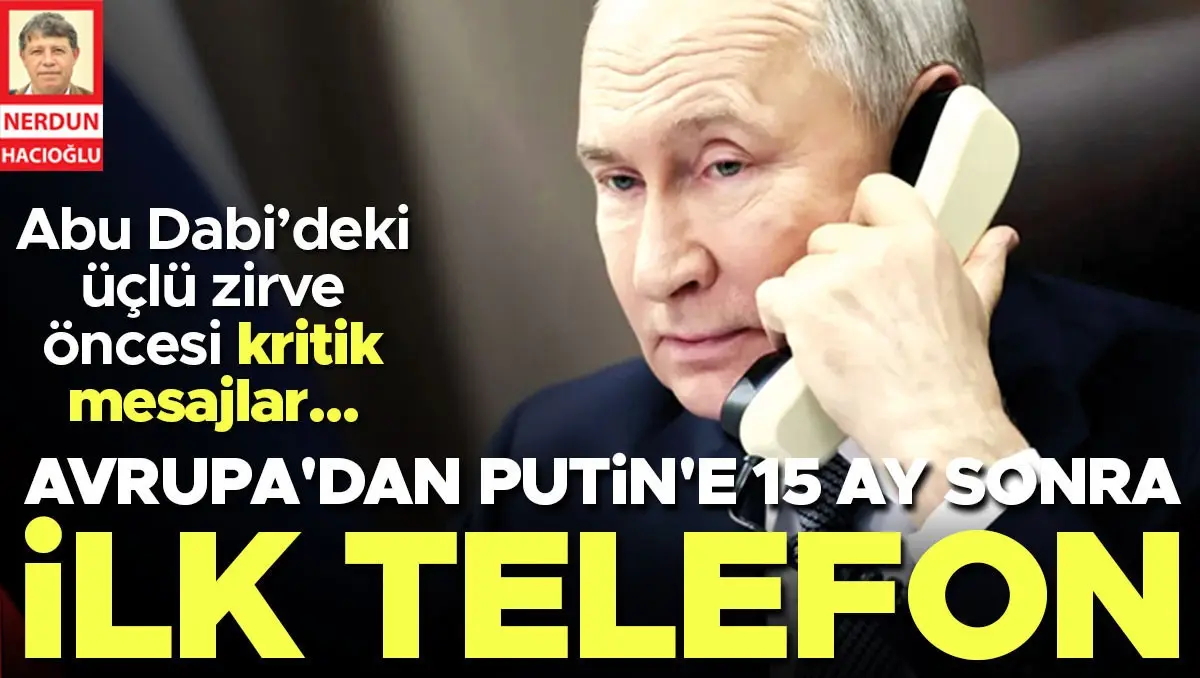
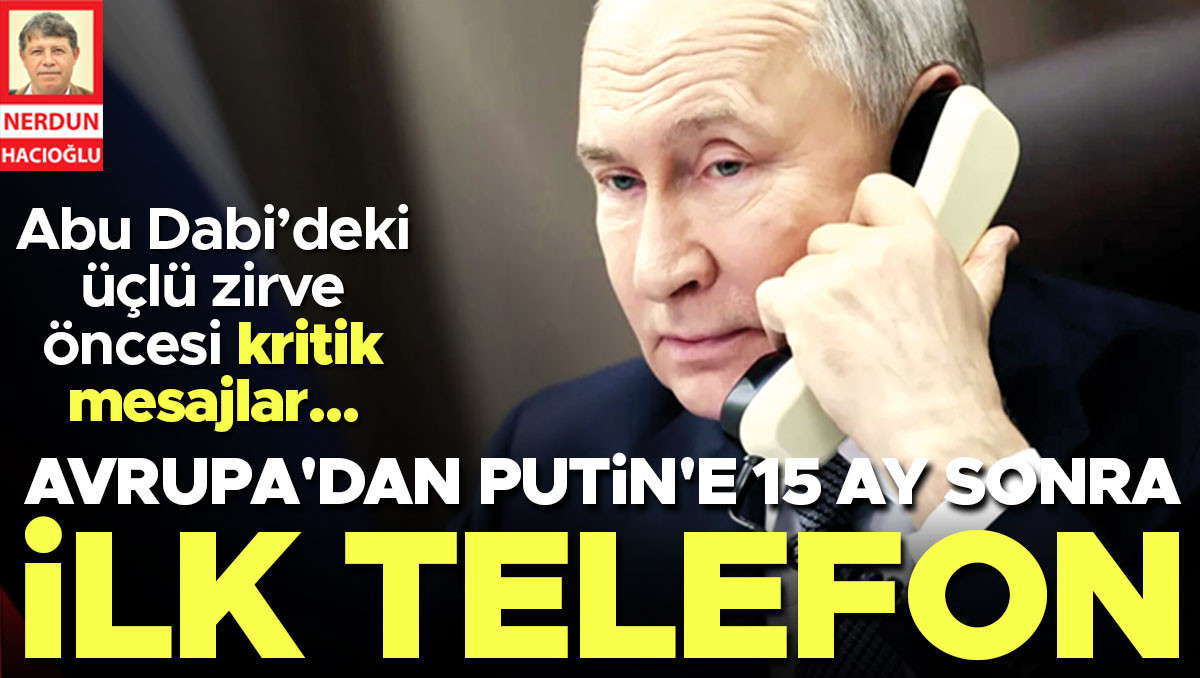
As the conflict between Russia and Ukraine nears its fifth anniversary, a significant shift in the frozen diplomatic landscape has emerged. After a 15-month period of total diplomatic silence between the Kremlin and major European capitals, the seal has been broken. In a development that has captured the attention of the international community, Finnish President Alexander Stubb and Norwegian Prime Minister Jonas Gahr Støre held a surprise video conference with Russian President Vladimir Putin. This high-level contact, occurring on October 28, 2026, marks the first direct communication of its kind in over a year and comes amid a flurry of diplomatic activity aimed at resolving the long-standing war.
The timing of this communication is particularly notable. With the war entering its fifth year, the geopolitical exhaustion in Europe and the shifting political tides in the United States have created a new environment for negotiation. The initiative follows recent diplomatic efforts spearheaded by U.S. President Donald Trump, whose administration has been pushing for a swifter resolution to the conflict. This renewed American pressure appears to have prompted European nations, particularly those sharing borders with Russia, to take a more proactive and direct role in the dialogue. The meeting between Stubb, Støre, and Putin serves as a critical precursor to a highly anticipated trilateral summit scheduled to take place in Abu Dhabi, where representatives from the United States, Russia, and Ukraine are expected to meet for the first time in years.
Zelensky Informed of the Diplomatic Initiative
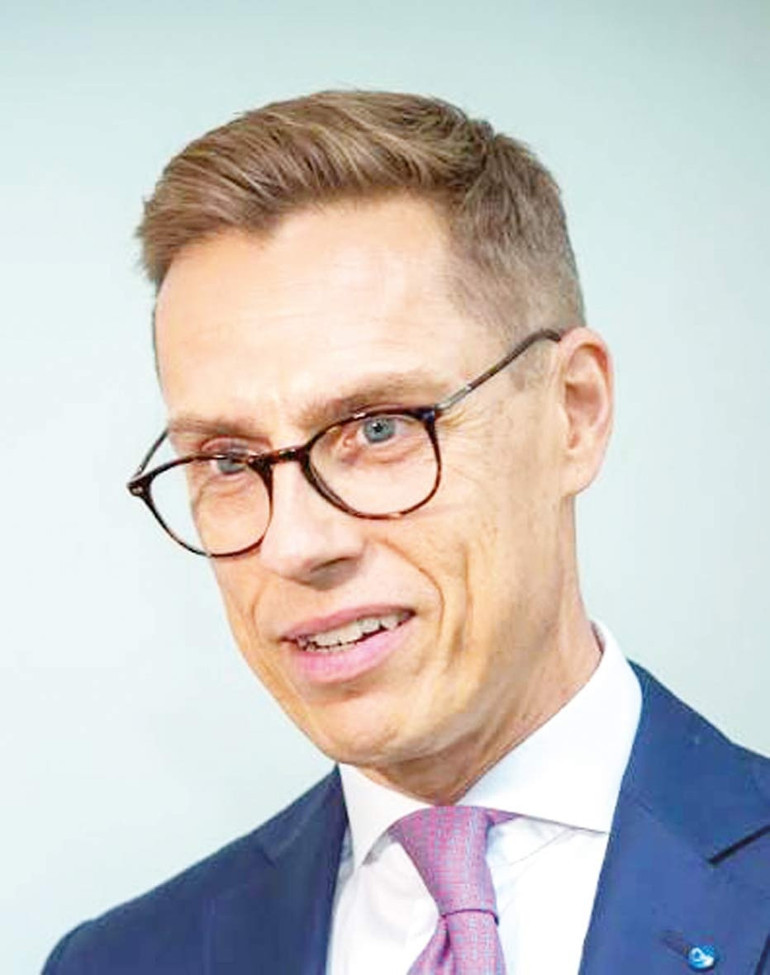
Following the conclusion of the video conference, Finnish President Alexander Stubb provided clarity on the nature of the call, emphasizing that it was not an official mission on behalf of the European Union as a whole. Instead, the initiative was taken independently by Finland and Norway, two nations that find themselves on the front lines of the current security crisis due to their direct borders and historical proximity to Russia. Stubb underscored the necessity of this contact, stating that as neighbors, they have a unique responsibility to prevent the further escalation of a conflict that has already reshaped the security architecture of the continent.
During the discussion, the two Nordic leaders delivered clear and uncompromising messages regarding the state of European security. Stubb noted that the war in Ukraine continues to pose a profound threat to the stability of all of Europe, with negative consequences that are likely to persist for generations. He emphasized that the primary goal of the call was to relay the urgency of ending the hostilities and to ensure that Moscow understood the depth of European concerns.

Crucially, the Finnish President revealed that the diplomatic move was not made in isolation or behind the back of the Ukrainian leadership. Prior to the call with Vladimir Putin, both Stubb and Støre held consultations with Ukrainian President Volodymyr Zelensky to inform him of their intentions and the specific points they intended to raise. Stubb further noted that they acted as a conduit for a specific message from Zelensky regarding the upcoming negotiation process in Abu Dhabi. By maintaining this line of communication with Kyiv, the Nordic leaders sought to ensure that their diplomatic outreach supported, rather than undermined, Ukraine’s sovereign interests as the international community moves toward a potential trilateral negotiation phase.
The Kremlin’s summary of the call provided a window into the Russian perspective on these renewed contacts. According to official statements from Moscow, President Putin used the opportunity to reiterate his long-standing grievances and the historical reasons Russia cites for the initiation of the conflict. The Russian leader maintained that any "just and lasting peace" in the Ukrainian conflict would be contingent upon the protection of Russia’s "legal interests." This rhetoric suggests that while Moscow is now willing to talk, its core demands regarding its security perimeter and regional influence remain central to its negotiating position.
Putin Accuses Europe and NATO of Prolonging the Conflict

While the resumption of dialogue is seen by some as a sign of progress, the content of the conversation revealed that significant friction remains between Moscow and the West. During the video conference, Vladimir Putin reportedly adopted a critical tone toward the European Union and the North Atlantic Treaty Organization (NATO). The Russian President alleged that European nations and the Western military alliance have maintained a "hostile attitude" toward Russia throughout the duration of the war.
Putin argued that the military and financial support provided to Kyiv by Western allies has been a primary factor in the prolongation of the conflict. From the Kremlin’s perspective, this support is viewed not as a defensive measure for Ukraine, but as an offensive strategy aimed at weakening Russia. This blame-shifting narrative has been a staple of Russian diplomacy since the invasion began, but its inclusion in this specific high-level call suggests that Putin is still seeking to use the threat of continued instability to extract concessions from European leaders. Despite these accusations, the fact that the call lasted as long as it did and covered such a wide range of topics indicates a mutual recognition that the previous 15 months of silence had reached a point of diminishing returns for all parties involved.
Adding a further layer of complexity to the diplomatic breakthrough, Kremlin advisor Yuri Ushakov issued a statement following the calls, suggesting a potential shift in the format of future negotiations. Ushakov indicated that during the discussions with the European leaders, President Putin expressed a willingness to consider a request from President Zelensky for face-to-face negotiations. Most strikingly, Ushakov mentioned that such a meeting could potentially take place in Moscow. The advisor went as far as to state that the Kremlin would be prepared to provide all necessary security guarantees for the Ukrainian President should he choose to travel to the Russian capital for direct talks. While the prospect of Zelensky traveling to Moscow remains highly speculative and fraught with political and security risks, the mere mention of it by the Kremlin signifies a change in the atmosphere of the conflict.

Kremlin Signals Potential for Territorial Concessions
Perhaps the most significant development to emerge from the recent flurry of statements is a hint of flexibility regarding the most contentious issue of the war: territory. As the international community looks toward the planned trilateral summit in Abu Dhabi, Kremlin Spokesperson Dmitry Peskov made a statement that departs from the rigid territorial claims Moscow has maintained for years. Peskov suggested that at the upcoming negotiating table, the possibility of "mutual territorial concessions" could be on the agenda.
This represents a notable shift in rhetoric. Previously, the Russian government had remained steadfast in its assertion that the Ukrainian regions of Luhansk, Donetsk, Kherson, and Zaporizhzhia—which Russia claimed to annex in 2022—were now inseparable parts of the Russian Federation and were not subject to negotiation. This was in addition to Crimea, which Russia unilaterally annexed in 2014. Peskov’s latest comments suggest that, unlike previous failed attempts at peace, the parties may now be entering a phase where the actual borders and the status of occupied lands are up for discussion.
However, Peskov also emphasized the need for "confidentiality" in these proceedings. He argued that for the negotiation process to be successful, the details of potential concessions and the specifics of the dialogue must remain out of the public eye until a concrete agreement is reached. This call for secrecy suggests that the stakes are incredibly high and that any perceived weakness or premature disclosure could derail the fragile momentum currently building.
The mention of territorial concessions by a high-ranking Kremlin official indicates that the realities of a five-year war may finally be forcing a reassessment of what a "victory" looks like for Moscow. Similarly, for Ukraine and its Western allies, the prospect of such negotiations presents a difficult dilemma between the desire for a total restoration of sovereign borders and the practical necessity of ending a devastating war that has exhausted the region’s resources and patience.
As the world watches the preparations for the Abu Dhabi summit, the 15-month silence between Russia and Europe has clearly been replaced by a period of intense, albeit cautious, engagement. The surprise calls from the leaders of Finland and Norway have acted as a bridge, reconnecting the severed lines of communication and setting the stage for what could be the most consequential diplomatic effort since the war began. Whether these "critical messages" and hints of territorial flexibility lead to a genuine peace or merely serve as a tactical pause in a long-term struggle remains to be seen, but for the first time in over a year, the gears of high-level diplomacy are turning once again.