Turkey’s defense and aerospace sector is undergoing a major geographical expansion, with strategic production capacity moving beyond traditional industrial hubs into key regional corridors across Anatolia. At the forefront of this industrial shift is the Black Sea port city of Samsun, which is rapidly transforming into one of the country’s newest centers for defense hardware manufacturing, advanced aerospace development, and military ordnance production.
Fueled by multi-billion-lira commitments and strategic industrial land allocations, three of the nation’s prominent defense entities—unmanned aerial vehicle developer BAYKAR, state munitions manufacturer Machinery and Chemical Industry Corporation (MKE), and missile systems producer ROKETSAN—are establishing dedicated production foundations in the province.
This coordinated expansion represents a significant development in the broader effort to extend Turkey’s defense manufacturing infrastructure. By establishing high-technology manufacturing centers across regional industrial zones, national defense planners aim to reinforce supply chain security, enhance overall production capacity, and cultivate regional engineering talent. The arrival of these major prime contractors in Samsun highlights the city’s rising strategic importance, supported by its logistics network, established industrial zones, and maritime accessibility along the Black Sea coast.
BAYKAR’s New Production Base Allocated 400-Decare Land
A primary driver of Samsun’s emerging defense ecosystem is a large-scale production base planned by BAYKAR, Turkey’s leading developer of unmanned aerial vehicles (UAVs) and unmanned combat aircraft. According to details published in October 2026, a 400-decare (approximately 100-acre) tract of land in Samsun’s Tekkeköy district has been officially designated as a Special Industrial Zone specifically reserved for BAYKAR’s investment.
The special industrial zone status provides a specialized regulatory and infrastructure framework designed to support complex, high-technology manufacturing operations. The Tekkeköy project marks an important step in BAYKAR’s corporate footprint, representing an initiative to expand its core manufacturing and engineering base beyond its established facilities into a new regional center.
While detailed specifications regarding factory layouts, production output, and initial product lines are expected to be fully outlined in future corporate disclosures, the facility is slated to support advanced manufacturing activities aligned with the company’s defense and aerospace portfolio. The establishment of high-precision manufacturing in Tekkeköy is expected to stimulate local technical capabilities, encouraging regional engineering, precision manufacturing, and sub-assembly suppliers to align their operational standards with the rigorous requirements of the aerospace industry.
MKE’s Samsun Investment: A 2 Billion Lira Manufacturing Transformation
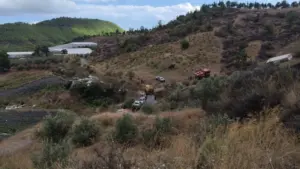
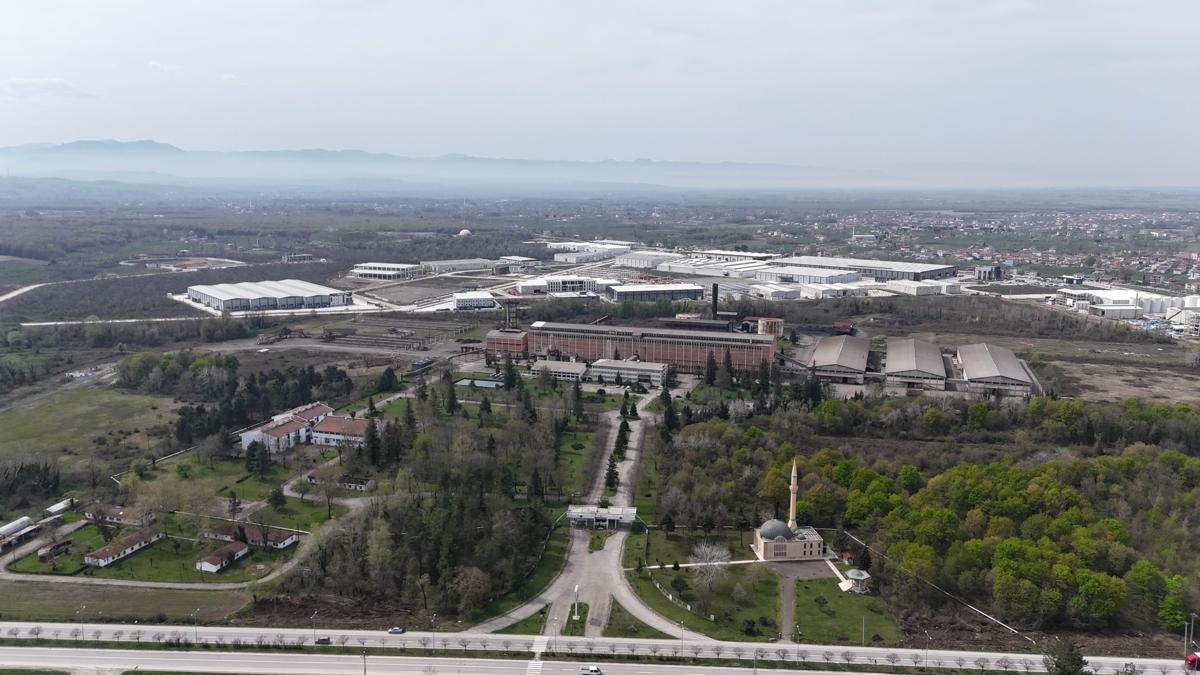
Complementing the aerospace push is a major heavy-manufacturing project undertaken by the Machinery and Chemical Industry Corporation (MKE). The state-owned enterprise has initiated defense production investment activities at the site of a former sugar factory in Samsun’s Çarşamba district, repurposing the legacy industrial location into a modern defense manufacturing site. Reports published by the Anadolu Agency in April 2025 highlighted that the project is being executed with an initial investment budget of 2 billion Turkish Liras.
MKE’s expansion in Samsun forms an integral part of its broader facility modernization and capacity building strategy. In July 2026, statements from the Ministry of National Defense confirmed that Samsun was designated as one of the key cities selected for new factory investments under MKE’s $1.5 billion master investment program covering the 2023–2027 period.

This multi-year program is aimed at expanding the domestic production of critical military supplies, energetics, and heavy weaponry required by the Turkish Armed Forces. Repurposing the Çarşamba site reflects an effective industrial redevelopment strategy, converting unused land into active manufacturing infrastructure. While the exact scope of products and long-term production schedules for the Çarşamba plant remain subject to official updates, the investment directly aligns with national objectives to enhance self-reliance in military supplies while driving industrial employment in the Black Sea region.
ROKETSAN Investment Decisions and Industrial Synergies
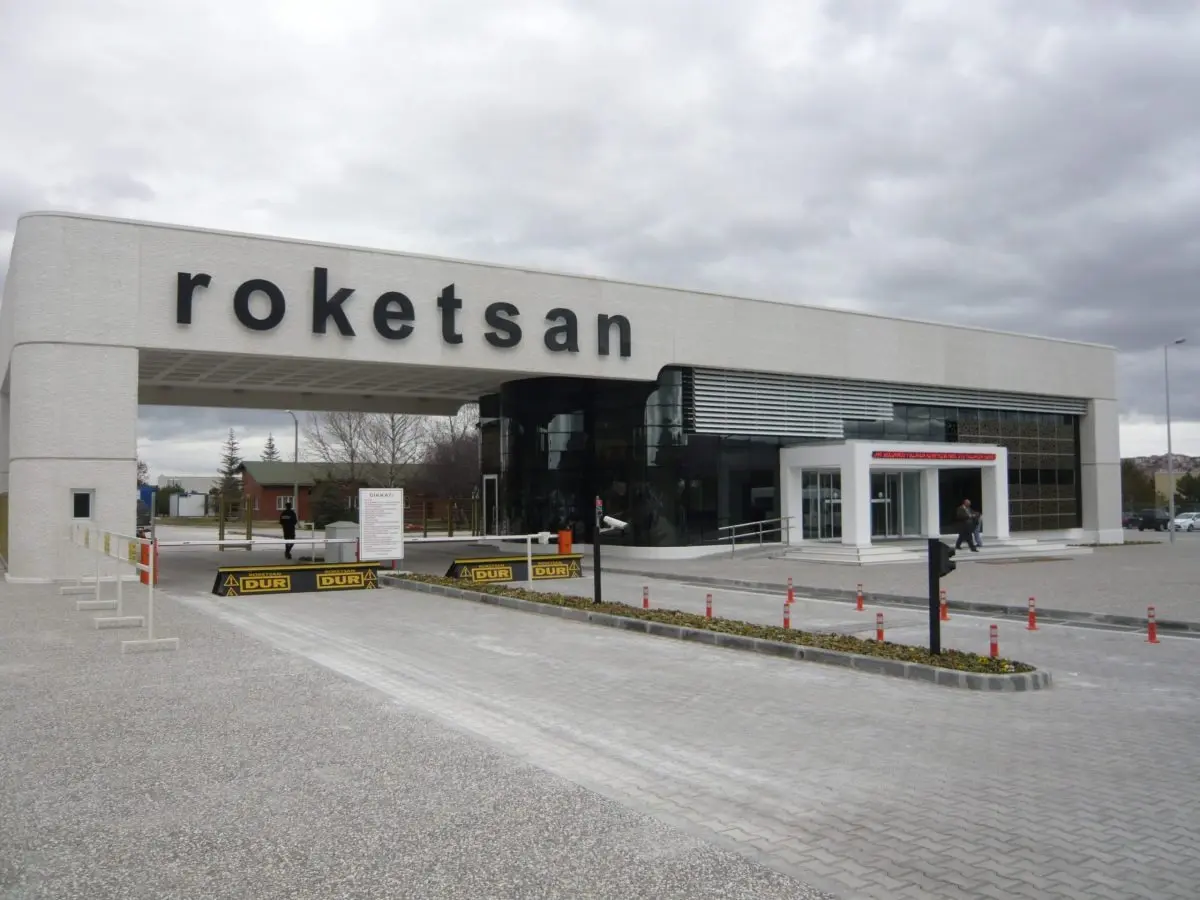
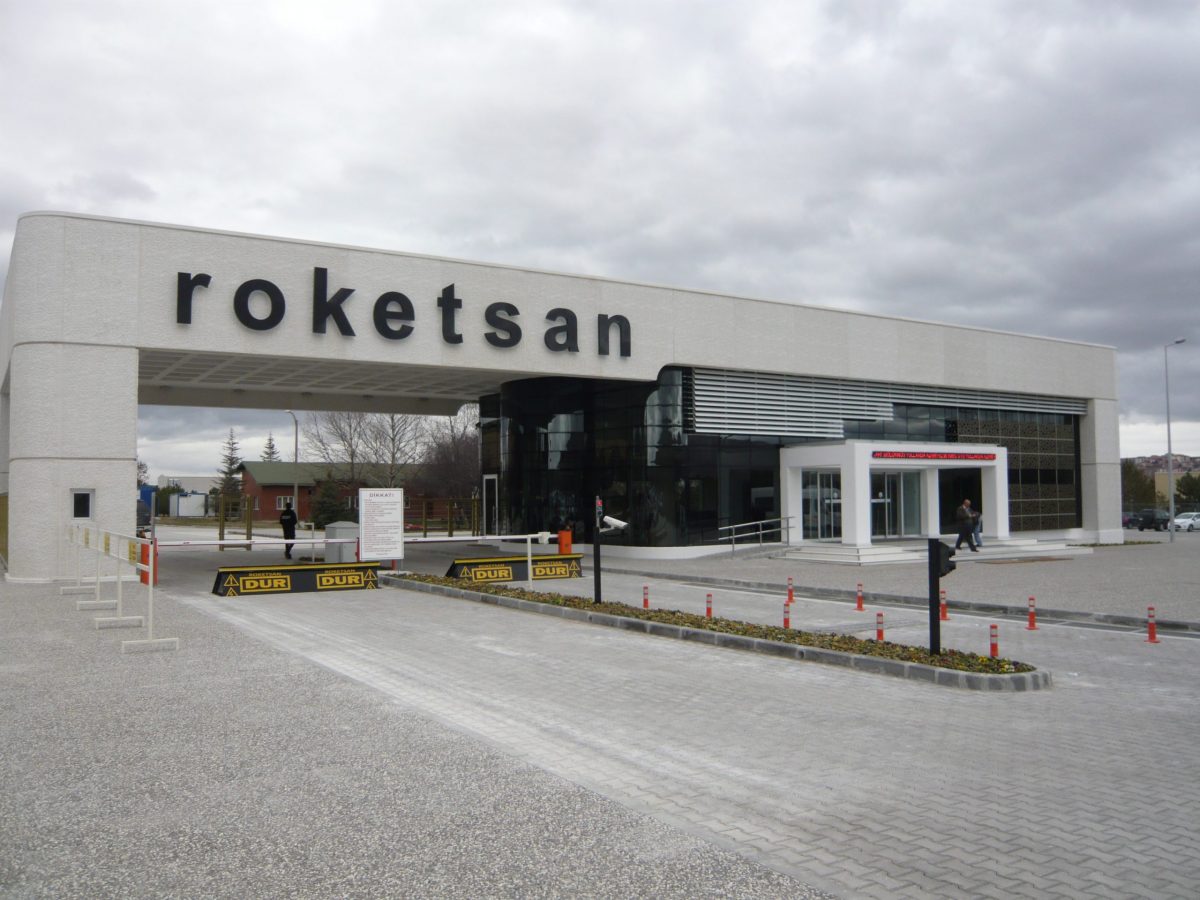
Joining BAYKAR and MKE in this regional footprint is ROKETSAN, Turkey’s primary contractor for rockets, missiles, and precision-guided weapons. Local media reports, including coverage by Samsun Kent Haber on October 27, 2026, reported that ROKETSAN has taken an investment decision to establish operations in the province.
Specific details concerning the investment’s exact geographic site, overall budget, target product lines, and implementation calendar are expected to be clarified through formal corporate announcements. However, the prospect of ROKETSAN establishing facilities in Samsun completes a strategic trio of major defense contractors operating within the same provincial corridor.
The co-location of BAYKAR, MKE, and ROKETSAN in Samsun creates unique possibilities for industrial collaboration and operational efficiency. In modern defense architecture, unmanned aerial platforms developed by companies like BAYKAR are routinely integrated with smart ordnance and missile systems produced by ROKETSAN, while MKE provides essential raw materials, energetics, and conventional ammunition components. Establishing operations within the same region allows these major contractors to streamline inter-company logistics, share technical knowledge, and foster a unified regional network of qualified sub-contractors.
Building Capacity in the Defense Supply Chain
The broader implications of these major project commitments extend far beyond the main facilities of the primary contractors. Large defense platforms rely heavily on a multi-tiered network of specialized suppliers capable of delivering precision components, processed materials, sub-assemblies, and specialized engineering services under strict military specifications.
As BAYKAR, MKE, and ROKETSAN advance their respective projects in Samsun, local enterprises involved in precision machining, metal processing, industrial electronics, tooling, and engineering services face significant opportunities to join the national defense supply chain. Local firms that successfully adapt their production quality and management standards to defense requirements can transition from conventional industrial work into high-value defense manufacturing.
This supply chain growth is expected to encourage local investments in quality control, specialized metallurgy, advanced machinery, and technical workforce training. By integrating small and medium-sized enterprises (SMEs) into the supply networks of national defense leaders, the investments in Samsun are designed to raise the overall technical and manufacturing baseline of the regional economy.
Expanding Anatolia’s Defense Manufacturing Footprint
The concentration of major investment decisions by BAYKAR, MKE, and ROKETSAN in Samsun reflects a broader strategy aimed at distributing Turkey’s defense manufacturing footprint across Anatolia.
By dispersing critical manufacturing facilities across diverse geographic regions, national defense planners aim to improve the strategic redundancy and physical resilience of the national industrial infrastructure. At the same time, this geographic diversification serves as an economic catalyst, directing high-tech industrial investments, engineering opportunities, and skilled technical jobs toward growing regional centers.
Samsun’s development into a major defense and aerospace production hub will progress as facility construction advances, specialized machinery is installed, and local supply chains mature. As these projects transition from planning and early infrastructure development into active manufacturing operations, Samsun is positioned to play an increasingly central role in expanding Turkey’s long-term defense production capacity.