In a significant move highlighting the deepening security and judicial ties between Ankara and Tbilisi, Turkish Interior Minister Mustafa Çiftçi has announced the successful extradition and deportation of 548 individuals from Georgia to Turkey over the past twelve months. The announcement followed a high-level diplomatic exchange between the interior ministries of the two neighboring nations, underscoring a shared commitment to dismantling transnational criminal networks and ensuring that fugitives find no sanctuary across their respective borders.
The disclosure came during a comprehensive telephone conversation between Minister Çiftçi and his Georgian counterpart, Interior Minister Sulkhan Tamazashvili. The dialogue served as a platform to evaluate the current state of bilateral security operations, the efficacy of existing extradition treaties, and the strategic roadmap for future cooperation in the face of evolving global security threats. According to the Turkish Interior Ministry, the momentum of these legal processes has seen a marked increase in recent months, directly resulting from intensified diplomatic engagement and high-level ministerial visits.
The Impact of Diplomatic Momentum
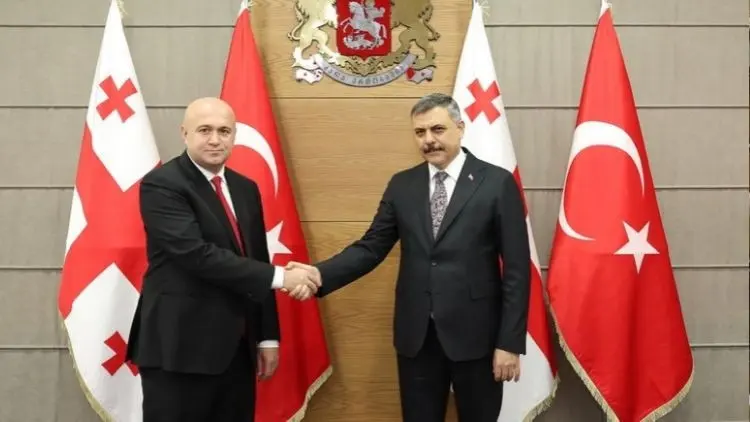
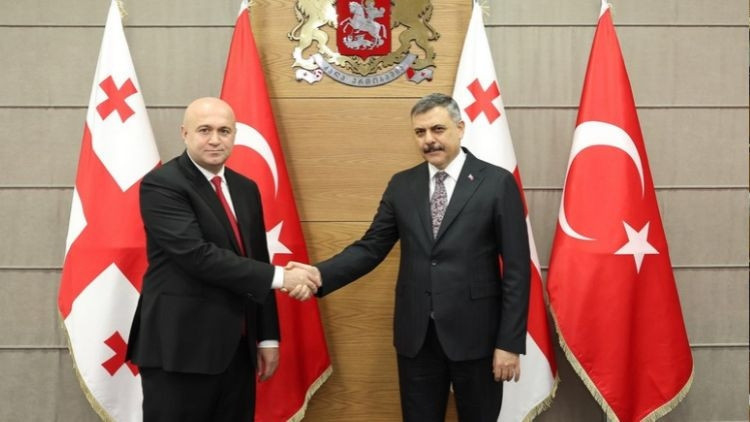
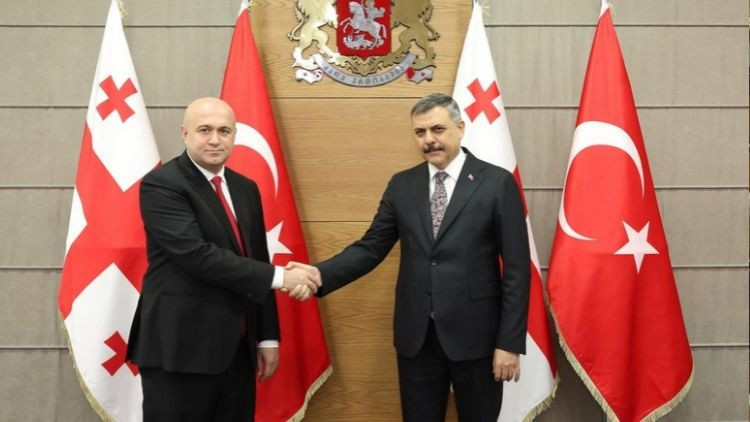
A pivotal moment in this escalating cooperation was Minister Çiftçi’s official visit to Georgia on September 1. During that summit, both nations pledged to streamline the bureaucratic and legal hurdles that often slow down the extradition of wanted persons. The results of this commitment have been immediate and measurable. Minister Çiftçi noted that since the September 1 visit alone, 80 individuals have been brought back to Turkey to face justice.
This surge in activity brings the total number of extraditions and deportations from Georgia to 548 for the full year, a figure that reflects the high level of operational synchronization between the Turkish and Georgian law enforcement agencies. The Minister emphasized that the acceleration of these "repatriation and deportation processes" is a testament to the political will of both governments to close the gaps that organized crime groups have historically exploited. By reducing the time between the identification of a suspect and their delivery to the requesting nation, both Turkey and Georgia are sending a clear signal to criminal elements regarding the narrowing of their operational space.
The collaboration is not merely limited to the physical transfer of suspects. It involves a sophisticated exchange of intelligence, the harmonization of "red notice" procedures, and a joint effort to track the movement of assets linked to illicit activities. The Turkish Interior Ministry has prioritized the pursuit of fugitives who attempt to evade the domestic judicial system by crossing borders, and Georgia, due to its geographic proximity and shared history, remains a critical partner in this endeavor.
Tackling New Generation Organized Crime
During the call, Ministers Çiftçi and Tamazashvili delved into the specific nature of the threats facing the region. A primary focus of their discussion was the rise of what Minister Çiftçi described as "new generation organized crime organizations." Unlike traditional criminal syndicates, these modern networks often operate with high levels of technological sophistication, utilizing digital platforms for communication, money laundering, and the coordination of transnational crimes such as human trafficking, drug smuggling, and cyber-financial fraud.
The "new generation" label also refers to the fluid and decentralized nature of these groups, which frequently change their leadership structures and operational methods to stay ahead of law enforcement. Minister Çiftçi highlighted that the fight against such entities requires a dynamic and adaptive response. The cooperation with Georgia is designed to address these complexities by fostering real-time communication between the two countries’ security directorates.
The ministerial dialogue emphasized that transnational crime cannot be contained within the borders of a single nation. As criminal organizations globalize their operations, the response from sovereign states must be equally integrated. The 548 individuals returned to Turkey represent a cross-section of various criminal involvements, ranging from mid-level operatives to significant figures within organized crime hierarchies. By targeting the leadership and the logistical hubs of these organizations located in neighboring territories, the Turkish and Georgian authorities aim to destabilize the networks at their roots.
A Regional Security Architecture: The Trilateral Approach
The bilateral success between Turkey and Georgia is viewed as a foundational component of a broader regional security strategy. During the conversation, Minister Çiftçi looked ahead to a significant upcoming milestone: a trilateral meeting scheduled for December 10. This high-level summit will feature the participation of Azerbaijan’s Interior Minister, Vilayet Eyvazov, alongside the Turkish and Georgian delegations.
The inclusion of Azerbaijan into this security dialogue completes a critical regional triangle. The Turkey-Georgia-Azerbaijan axis is not only vital for energy and trade—linking the Caspian Sea to the Mediterranean—but is also the backbone of regional stability in the Caucasus. Minister Çiftçi expressed his firm belief that this trilateral meeting will provide substantial contributions to the strengthening of regional security.
"I believe that the trilateral meeting we will hold on December 10 with the participation of the Minister of Internal Affairs of Azerbaijan, Mr. Vilayet Eyvazov, will provide significant contributions to the strengthening of our regional security," Minister Çiftçi stated. This upcoming forum is expected to focus on integrated border management, the prevention of smuggling, and the creation of a unified front against terrorism and organized crime. By synchronizing the efforts of all three nations, the interior ministries hope to create a seamless security corridor that discourages criminal activity and enhances the safety of the region’s citizens.

The Doctrine of "No Safe Haven"
The core philosophy driving these diplomatic and operational efforts is the Turkish government’s firm stance on the extraterritorial pursuit of justice. Minister Çiftçi reiterated this commitment, stating that Turkey is determined to leave no room for crime bosses, gang leaders, or wanted fugitives to hide, even if they manage to cross the nation’s physical borders.
"We are determined to leave no space for the leaders of criminal organizations and wanted fugitives to shelter beyond our borders," the Minister remarked in a statement shared via his social media accounts. This doctrine of "No Safe Haven" is a cornerstone of the current administration’s security policy. It seeks to demoralize criminal organizations by demonstrating that geographic distance no longer offers the protection it once did.
The Minister’s public acknowledgment of these figures—80 since September and 548 in a year—is intended to serve as a deterrent. It communicates to those currently in hiding that the legal and diplomatic machinery of the Turkish state is actively working with international partners to secure their return. The "close cooperation" mentioned by Minister Çiftçi is the engine of this policy, relying on mutual trust and the shared understanding that a security threat to one nation in the region is inevitably a threat to its neighbors.
A Continued Commitment to Cooperation

As the call concluded, Minister Çiftçi extended his gratitude to Minister Tamazashvili for Georgia’s proactive stance and the professional conduct of its security forces. The successful extradition of over 500 individuals in a single year is a massive logistical undertaking, requiring the coordination of judicial authorities, police forces, and diplomatic channels in both countries.
The ongoing partnership between Ankara and Tbilisi serves as a model for regional security cooperation. It balances the need for strict law enforcement with the protocols of international law and diplomatic respect. As both nations prepare for the trilateral summit in December, the focus remains on refining these processes to ensure that they are not only fast but also legally robust, ensuring that justice is served for crimes committed on Turkish soil.
The Turkish Interior Ministry has signaled that this is only the beginning of a more intensive phase of regional policing. With the success of the Georgia operations as a blueprint, the ministry intends to continue its rigorous pursuit of fugitives across the globe, reinforcing the message that the reach of the law extends far beyond the nation’s frontiers. The upcoming meeting with Azerbaijan will likely see the expansion of these extradition successes into a wider geographic area, further solidifying the security of the Caucasus and the Anatolian peninsula.