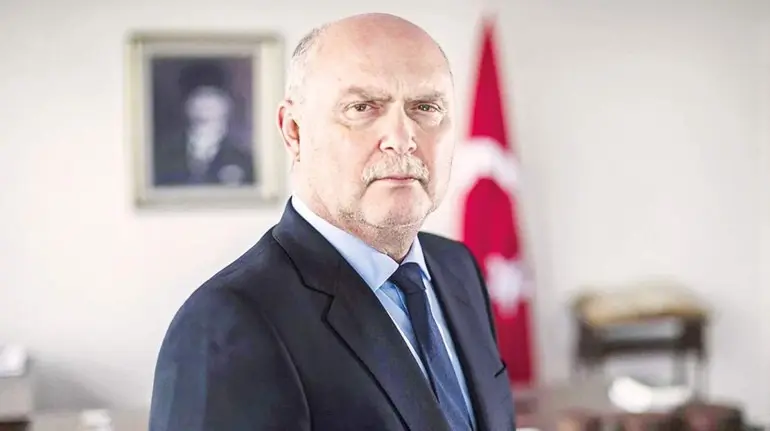
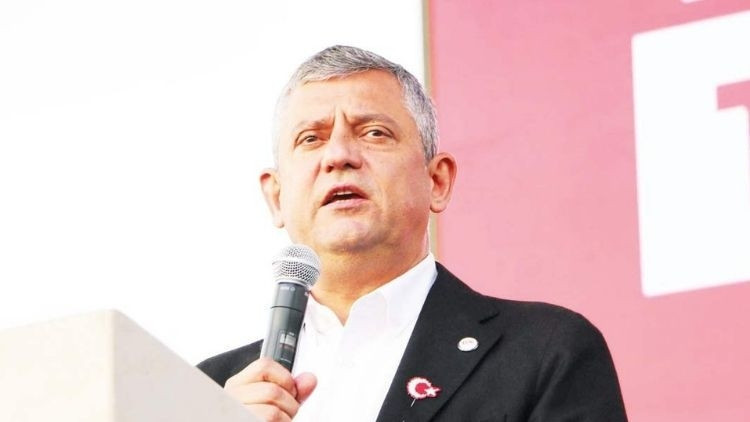
ANKARA — In a significant move highlighting a unified front in Turkish foreign policy, Özgür Özel, the Chairman of the YENİ Party, held a high-profile telephone conversation on November 3, 2026, with Ambassador Feridun Sinirlioğlu. The call served as a formal congratulatory gesture following Turkey’s decision to nominate Sinirlioğlu for the position of Secretary-General of the United Nations. During the exchange, Özel expressed his full support for the veteran diplomat, who currently serves as the Secretary-General of the Organization for Security and Co-operation in Europe (OSCE), and outlined an extensive international lobbying strategy to bolster his candidacy.
The nomination of Feridun Sinirlioğlu represents one of the most ambitious diplomatic endeavors in Turkey’s modern history. By seeking the top office at the United Nations, Ankara is positioning one of its most seasoned diplomats to lead the world’s premier intergovernmental organization. The conversation between Özel and Sinirlioğlu underscores the domestic consensus surrounding this bid, suggesting that the pursuit of the UN Secretary-General post is viewed as a matter of national prestige that transcends internal political divisions.
Özel to Leverage International Socialist and Social Democratic Networks
According to details released by the YENİ Party headquarters, the telephone call was not merely a ceremonial exchange of pleasantries. Özgür Özel informed Sinirlioğlu of a comprehensive plan to utilize the YENİ Party’s international affiliations to gather global support. Özel stated that he would be personally reaching out to the leaders of all "sister parties"—including various left-wing, social democratic, and socialist parties—across the UN member states.
This diplomatic initiative is designed to reach a broad spectrum of political influence. Özel noted that the outreach would target party leaders regardless of whether they are currently in government, serving as coalition partners, or leading the opposition in their respective countries. By engaging with the global network of social democratic and socialist movements, the YENİ Party aims to create a groundswell of support for Sinirlioğlu in the parliaments and executive branches of diverse nations.
The strategy highlights the role of "party diplomacy" as a tool to supplement traditional state-to-state relations. As the UN Secretary-General selection process involves complex negotiations among the five permanent members of the Security Council and requires a broad consensus in the General Assembly, the support of various political blocs can be a decisive factor. Özel’s commitment to writing personal letters to these international leaders indicates a proactive approach to ensuring that Sinirlioğlu’s qualifications are recognized by a wide array of global political actors.
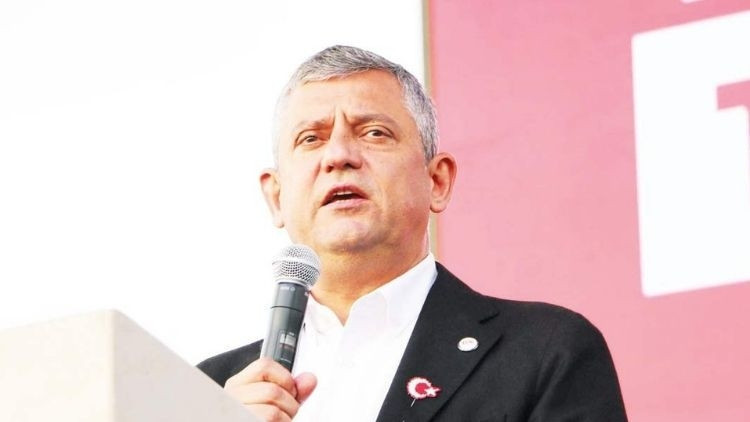
In response to this pledge of support, Ambassador Feridun Sinirlioğlu expressed his deep gratitude to Özgür Özel. He acknowledged the importance of national unity in such high-stakes international competitions and thanked the YENİ Party leader for his willingness to mobilize his party’s international resources. The exchange reflected a shared understanding that a successful bid for the UN Secretary-Generalship would significantly enhance Turkey’s influence on the global stage.
The candidacy of Feridun Sinirlioğlu comes at a time when the United Nations is facing unprecedented challenges, ranging from regional conflicts and humanitarian crises to the urgent need for institutional reform. Sinirlioğlu’s extensive resume makes him a formidable contender for the role. Throughout his career, he has held some of the most sensitive and senior positions within the Turkish Ministry of Foreign Affairs, including serving as the Undersecretary of the Ministry and the Permanent Representative of Turkey to the United Nations in New York.
His current tenure as the Secretary-General of the OSCE has further solidified his reputation as a skilled multilateralist. Leading the OSCE, which is the world’s largest regional security-oriented intergovernmental organization, has provided Sinirlioğlu with deep experience in navigating the complexities of European and Eurasian security, human rights, and democratic governance. This experience is seen as a vital asset for a potential UN Secretary-General, who must balance the interests of diverse member states while upholding the principles of the UN Charter.

The support offered by Özgür Özel is particularly noteworthy because it demonstrates a "supra-party" approach to foreign policy. In many democracies, the nomination for a major international post is often met with domestic scrutiny. However, by pledging the YENİ Party’s international network to Sinirlioğlu’s cause, Özel is signaling that the success of a Turkish national in the global arena is a priority that outweighs partisan differences. This alignment is expected to send a strong message to the international community about the stability and seriousness of Turkey’s bid.
The process of selecting a UN Secretary-General is often a multi-year affair involving rigorous vetting and strategic lobbying. Candidates must demonstrate not only administrative competence but also the diplomatic finesse required to manage the competing agendas of the world’s great powers. Turkey’s decision to put forward Sinirlioğlu is a calculated move to offer a candidate who is well-known in the corridors of power in Washington, Brussels, Moscow, and Beijing, as well as across the Global South.
The YENİ Party’s plan to engage with socialist and social democratic parties is strategically significant. Many of these parties hold substantial influence in Europe, Latin America, and parts of Africa and Asia. By framing Sinirlioğlu’s candidacy through these ideological and political networks, the YENİ Party hopes to bypass some of the traditional geopolitical roadblocks that often stall high-level UN appointments. This "bottom-up" approach to international lobbying could provide the necessary momentum to carry Sinirlioğlu through the initial phases of the selection process.

As the campaign progresses, the Turkish Ministry of Foreign Affairs is expected to work in tandem with various political and civil society actors to promote Sinirlioğlu’s vision for the United Nations. The conversation between Özel and Sinirlioğlu suggests that this will be a multi-faceted campaign, utilizing every available channel of influence. The emphasis on "sister parties" also points to the YENİ Party’s active role in organizations like the Socialist International and the Party of European Socialists, platforms that provide direct access to influential global leaders.
The timeline for the UN Secretary-General election typically involves a series of straw polls in the Security Council followed by a formal recommendation to the General Assembly. During this period, the reputation and international standing of the candidate are under constant evaluation. Sinirlioğlu’s background as a "diplomat’s diplomat"—known for his calm demeanor and analytical depth—is expected to serve him well during this scrutiny.
Observers in Ankara note that this development marks a rare moment of political synchronicity. The YENİ Party’s decision to back a state-nominated candidate so vocally suggests a shift toward a more collaborative approach to international representation. For Sinirlioğlu, having the backing of the main opposition party provides a layer of domestic legitimacy that can be a powerful talking point when meeting with foreign heads of state who may inquire about the political climate in Turkey.

The phone call on November 3 is likely the beginning of a long and intensive international campaign. As Özgür Özel begins drafting his letters to world leaders, the Turkish diplomatic corps will be monitoring the global reaction closely. The goal is clear: to see a Turkish citizen lead the United Nations for the first time in the organization’s history. With the combined efforts of the state’s diplomatic machinery and the YENİ Party’s political network, Turkey is launching a robust bid that aims to resonate in every corner of the globe.
In the coming months, the focus will shift to how other UN member states respond to Sinirlioğlu’s candidacy. The challenges are significant, as other nations will undoubtedly put forward their own highly qualified candidates. However, the early and unified support from Turkey’s political leadership, as evidenced by the call between Özel and Sinirlioğlu, establishes a solid foundation for the campaign ahead. The diplomatic world will be watching closely as this veteran diplomat seeks to transition from leading the OSCE to guiding the United Nations through one of the most complex eras in its history.