Deadly Surge Triggered by Sudden Downpour at West Bengal Gathering
A festive autumn evening descended into grief and chaos in the eastern Indian city of Kolkata after a sudden crowd surge at a major religious gathering claimed the lives of at least 17 people and left 25 others injured. The catastrophe occurred during the annual Durga Puja celebrations, the most prominent Hindu religious and cultural festival in the state of West Bengal, where tens of thousands of worshippers had converged to visit temporary festival venues.
According to authorities, the deadly incident unfolded rapidly during the evening hours when severe, unexpected rainfall lashed the city. Thousands of devotees who had been waiting in long queues outside the festival grounds rushed simultaneously toward the entrance to seek shelter from the deluge. The sudden and intense forward movement of the massive gathering overwhelmed containment measures, causing several individuals to trip and fall to the ground. In the ensuing panic and pressure from the dense crowd pressing from behind, victims were trampled and suffocated within minutes, turning an occasion of reverence into a scene of devastating loss.
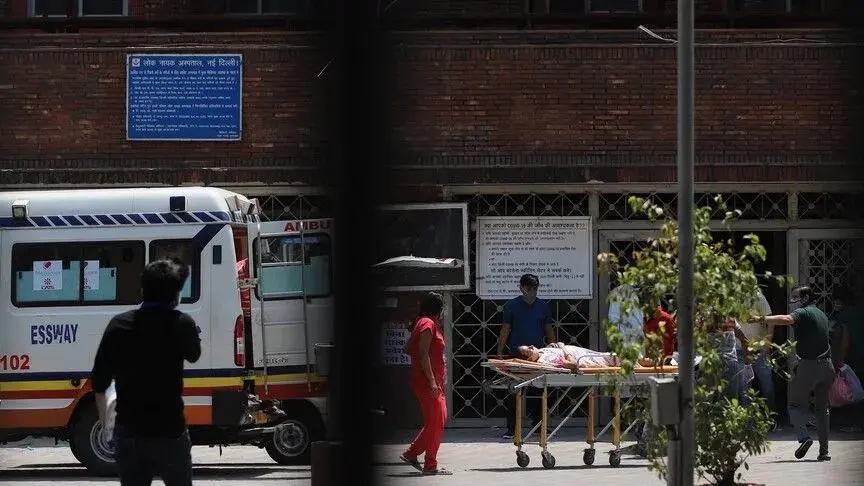
Emergency responders, local volunteers, and law enforcement personnel rushed to assist the victims, battling both the relentless weather conditions and the sheer volume of people in the vicinity. The injured were transported to nearby medical facilities, where medical teams worked urgently to treat trauma-related injuries, fractures, and severe respiratory distress caused by compressive asphyxiation.
Police Findings and the Sequence of the Tragedy
Kolkata police officials released an initial assessment of the disaster, outlining how a localized weather event catalyzed an unmanageable crowd crush. Officers explained that the festival grounds had already reached peak capacity on the evening of the incident, with thousands of men, women, and children lining up outside the designated perimeter waiting for their turn to enter the exhibition area.
When the skies opened and torrential rain began to fall unexpectedly, the dynamic among the waiting crowds shifted instantaneously. Lacking immediate overhead cover outside the enclosure, hundreds of people near the front attempted to push through the gates to get inside, while thousands more behind them surged forward to escape the driving rain.
Investigators reported that the wet conditions caused the ground beneath the crowd to become slick, significantly increasing the hazard. As the human density surged beyond safe limits, several individuals lost their footing and slipped. In an environment where individuals were packed shoulder-to-shoulder with zero clearance, those who fell were unable to regain their feet. The forward momentum of the crowd behind them, unaware of the hazard ahead and eager to escape the storm, created a dangerous domino effect.
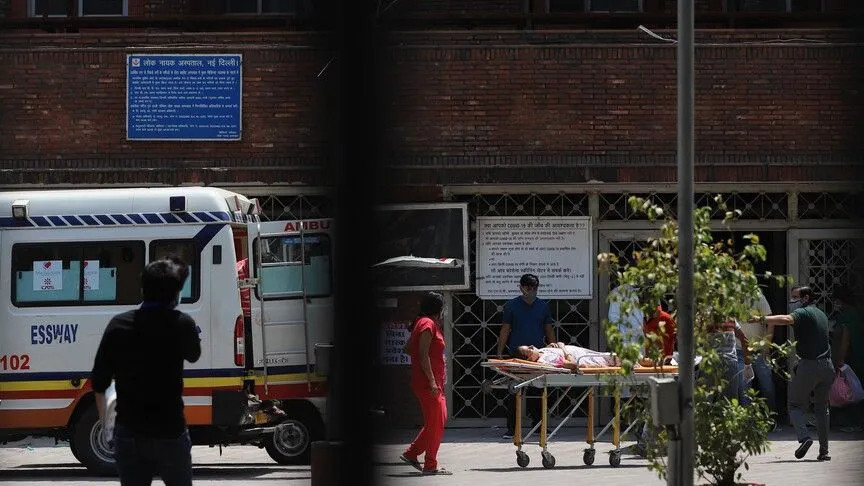
Police personnel stationed at the site attempted to hold back the tide of people and establish clear egress routes, but the sheer physical force generated by thousands of people moving at once made immediate intervention exceptionally difficult. By the time officers and civic volunteers succeeded in halting the surge and creating space, dozens of people were found incapacitated on the pavement. Medical teams confirmed that at least 17 individuals succumbed to their injuries, while 25 survivors required urgent hospitalization.
National Condolences and Government Compensation
The disaster immediately resonated across India, drawing widespread grief and prompting rapid administrative action from the highest levels of the central government. Indian Prime Minister Narendra Modi expressed deep sorrow over the loss of life, extending heartfelt condolences to the families of those who perished and wishing a swift recovery to the injured devotees.
In addition to expressing his sympathies, Prime Minister Modi announced a package of ex-gratia financial assistance to support those impacted by the tragedy. Under the relief measure, the families of each deceased victim will receive financial assistance of approximately $2,000, intended to provide immediate economic support to households grappling with the sudden loss of breadwinners or family members. Furthermore, an allocation of $526 was authorized for each of the 25 injured individuals to help offset medical expenses, hospitalization costs, and recovery needs.
Government officials emphasized that administrative channels would coordinate closely to ensure the swift disbursement of the relief funds to the affected families without bureaucratic delay. Local welfare authorities have also been instructed to assist grieving relatives in handling necessary formalities, providing support services, and facilitating communication with the hospitals caring for the wounded.
The Scale of Durga Puja and Kolkata’s Vast Gatherings
The tragedy has drawn sharp focus to the immense scale and complexity of the Durga Puja festival, an event that transforms the city of Kolkata and the broader state of West Bengal every autumn. Durga Puja is the spiritual and cultural centerpiece of the regional calendar, celebrating the victory of the goddess Durga over the demon Mahishasura. Over several days, the entire metropolis becomes an open-air public celebration, with millions of people walking the streets throughout the day and deep into the night.
A defining feature of the festival is the construction of elaborate temporary pavilions, known locally as pandals. These structures, built across virtually every neighborhood, house intricate clay idols of the deity and showcase remarkable architectural, artistic, and thematic designs. Neighborhood committees invest months of planning and significant resources into crafting these installations, which compete for prestige, awards, and public admiration.

Consequently, popular pandals often attract staggering volumes of visitors. On peak festive nights, a single major venue can draw hundreds of thousands of people, who travel from across the city, neighboring districts, and other Indian states. To accommodate these massive crowds, organizers and urban authorities routinely erect barricades, establish queue lines, and deploy heavy contingents of police. However, the sheer density of visitors means that even minor disruptions can have outsized consequences.
When sudden meteorological events occur—such as the intense evening downpour that struck Kolkata—the orderly flow of people can deteriorate with alarming speed. Devotees dressed in traditional festive attire frequently seek sudden protection from rain, and when thousands of individuals simultaneously try to move toward sheltered areas, standard pedestrian controls can quickly fail under the immense physical pressure.
Challenges in Managing Large-Scale Public Gatherings
The incident in Kolkata underscores the persistent operational challenges inherent in managing massive religious and public gatherings in densely populated urban environments. Across South Asia, major religious festivals, pilgrimages, and cultural gatherings frequently see some of the highest human concentrations recorded anywhere in the world.
Crowd safety experts have long pointed out that during large-scale festivities, crowd movement often behaves much like a fluid, where forces can propagate invisibly through thousands of tightly packed bodies. In such environments, individuals caught in a crush often experience pressures exceeding several hundred pounds, making it impossible to breathe or remain standing once the equilibrium is lost.
A recurring vulnerability identified in public events is the interface between controlled indoor or sheltered spaces and the uncontrolled outdoor perimeters. While the interior of a festival pavilion may be strictly regulated with regulated capacities and security personnel, the queues outside often stretch through narrow neighborhood streets, alleys, and open squares where shelter is absent. When an environmental trigger—such as a sudden deluge, a thunderstorm, or an unexpected rumor—causes the exterior crowd to move unexpectedly, the bottleneck created at entryways becomes extraordinarily hazardous.
Urban planners and disaster management authorities have frequently stressed the necessity of comprehensive weather contingencies during festival seasons. In tropical and subtropical regions where post-monsoon showers and sudden convective storms remain frequent during the autumn months, the lack of covered holding zones or designated overflow areas outside major venues can turn an ordinary seasonal shower into a lethal catalyst for collective panic.

Aftermath and Continuing Medical Efforts
In the wake of the tragedy, hospitals across Kolkata remained on high alert as doctors and trauma specialists continued to provide intensive care to the 25 injured survivors. Medical bulletins indicated that several of the injured had sustained significant crush injuries, severe contusions, and broken bones resulting from the impact of the crowd, while others were being closely monitored for the effects of temporary oxygen deprivation caused by compressive force.
Local authorities launched formal reviews into the safety measures, entry protocols, and queue management systems that were active at the festival site when the stampede occurred. Investigators are reviewing whether the venue’s holding capacity, emergency exit routes, and physical barricades adhered to established guidelines for mass gatherings, and whether timely public address announcements were made when the weather deteriorated.
Meanwhile, a somber atmosphere has settled over communities across Kolkata and West Bengal. Families of the victims gathered outside medical centers and morgues to claim the bodies of their loved ones, their festive observances shattered by an unexpected turn of events. For a city that typically spends the Durga Puja season immersed in vibrant community festivities, artistry, and devotional music, the loss of at least 17 lives has left a profound mark of sorrow on the year’s most anticipated cultural event.