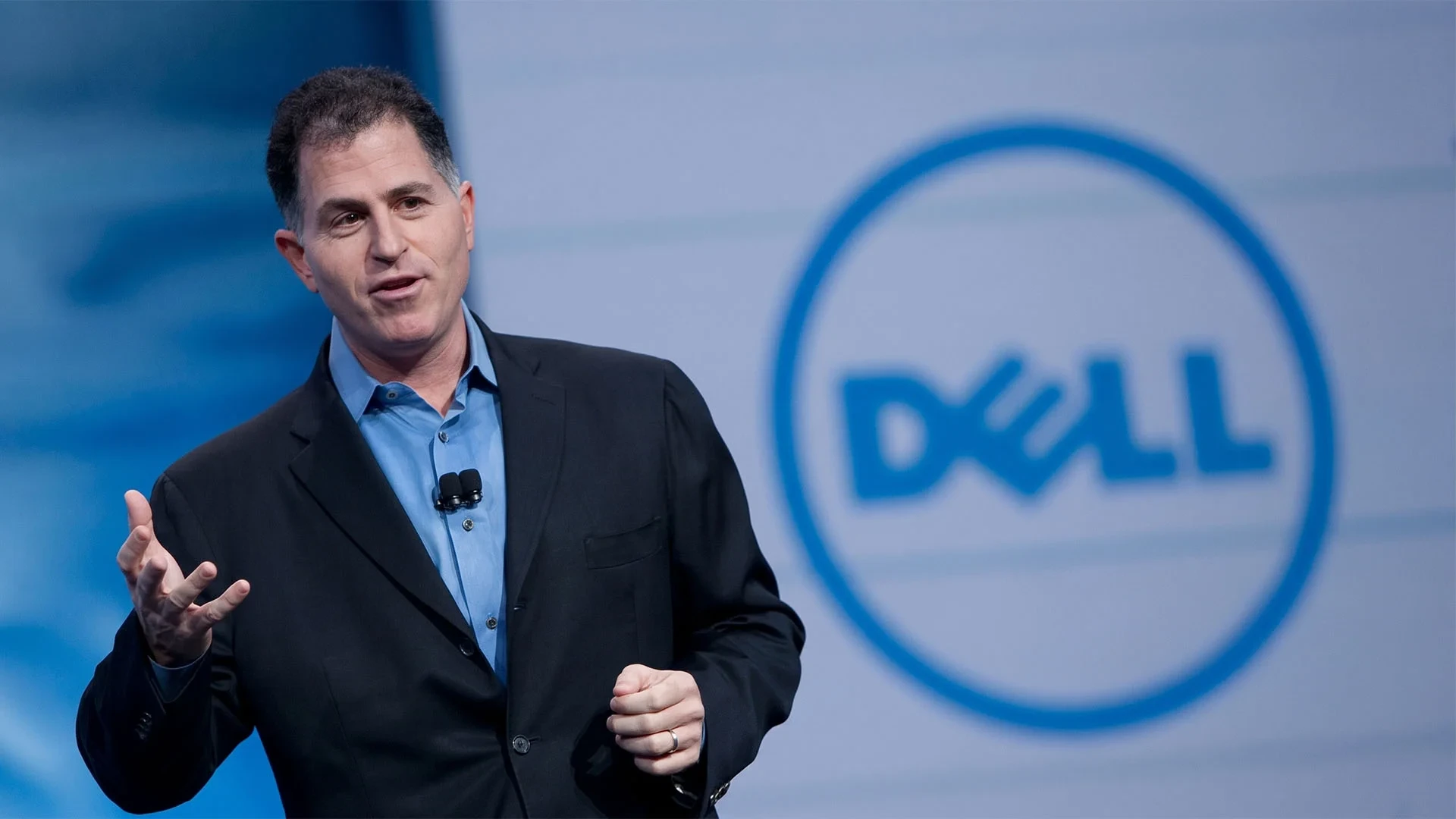
Dell Technologies Chief Executive Officer Michael Dell has issued a sharp warning regarding the global technology supply chain, cautioning that the severe memory component shortages currently impacting artificial intelligence servers are projected to deepen significantly by 2027. The warning comes at a moment when the enterprise hardware giant is working to fulfill an unprecedented $95 billion pipeline in orders for advanced AI servers, a surge in demand that is running directly into persistent bottlenecks across global semiconductor manufacturing networks.
The primary friction in fulfilling these record server orders stems from restricted availability of high-performance memory technologies, specifically High Bandwidth Memory (HBM) and specialized Dynamic Random-Access Memory (DRAM). As cloud infrastructure providers, enterprise organizations, and research institutions rapidly expand their computing capabilities to train and deploy generative artificial intelligence models, the hardware necessary to support these workloads has encountered acute component constraints. Dell’s massive backlog highlights both the extraordinary market demand for AI-optimized hardware infrastructure and the operational hurdles equipment manufacturers face when critical upstream components become scarce.
The shortage is particularly acute because modern artificial intelligence workloads require fundamentally different hardware architectures than traditional enterprise computing. Advanced server units equipped with high-performance graphics processing units (GPUs) and specialized accelerators rely on tightly integrated, high-density memory modules to process massive datasets with minimal latency. When supply chains for these specialized memory chips constrict, the entire production and assembly timeline for high-end server systems experiences cascading delays, preventing equipment integrators from converting order backlogs into completed shipments at their desired pace.
Supply Chain Crisis in AI Infrastructure
The imbalance between supply and demand within the global artificial intelligence infrastructure market has reached a point where existing memory manufacturing capacity can no longer keep pace with market growth. High-density HBM chips, which are mounted alongside advanced processing units to deliver ultra-fast data transfer rates, require intricate manufacturing techniques and advanced packaging processes. Consequently, expanding output is a lengthy and capital-intensive endeavor that cannot quickly respond to sudden spikes in demand.
According to Michael Dell, these memory supply constraints could persist for as long as four years. The underlying reality facing the semiconductor sector is that constructing new, state-of-the-art semiconductor fabrication facilities—often referred to as fabs—requires multi-billion-dollar investments and multi-year construction schedules. Even after physical facilities are built, bringing advanced cleanrooms online, installing complex extreme ultraviolet (EUV) lithography systems, and calibrating high-yield production lines takes substantial time. As a result, industry estimates indicate that new memory fabs currently under development will likely not reach full operational manufacturing capacity until 2029 or 2030.
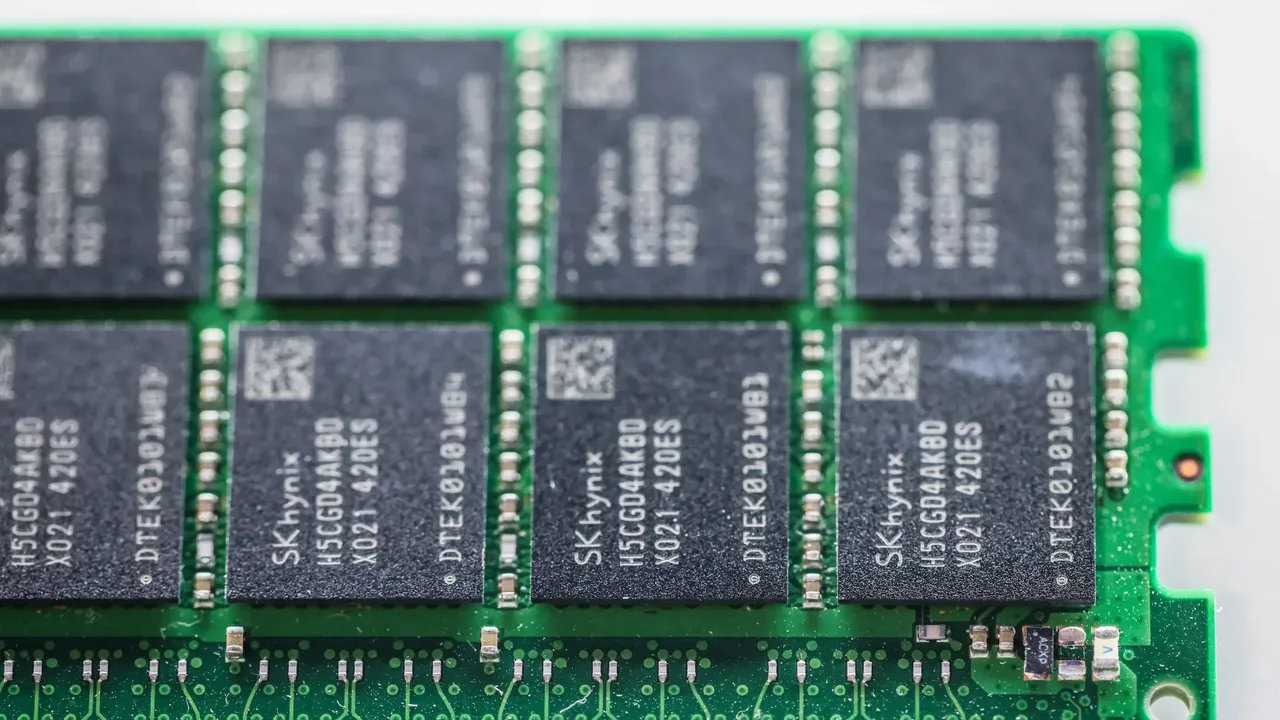
This prolonged timeline creates a challenging operating environment for system integrators and server original equipment manufacturers (OEMs). Because memory components represent a significant portion of the total bill of materials for flagship server architectures, sustained shortages have driven chip prices sharply higher. Rising memory procurement costs directly inflate the manufacturing costs of high-end enterprise servers, placing pressure on hardware margins and forcing equipment providers to carefully manage their pricing structures and long-term procurement commitments.
For enterprise customers seeking to deploy high-performance computing clusters, these market dynamics mean longer lead times and higher hardware deployment expenditures. The broader technology ecosystem remains heavily reliant on a small group of specialized semiconductor manufacturers capable of producing HBM at scale, making the entire supply chain vulnerable to localized disruptions, raw material shortages, and capacity constraints.
Strategic Measures and Long-Term Outlook
To navigate these ongoing supply chain headwinds and protect its broader operational stability, Dell has implemented a targeted operational and financial strategy. A key focus of this approach is managing working capital to prevent financial strain during periods of high demand and volatile component pricing. Rather than accumulating massive inventories of expensive memory chips far ahead of assembly—a practice that carries substantial financial risk if component specifications change or demand fluctuates—Dell employs a disciplined enventory management model.
Under this operational model, Dell procures DRAM chips and related memory components precisely at the final assembly phase of the server manufacturing process. By closely matching component procurement with immediate production schedules, the company minimizes the amount of capital tied up in static inventory. This strategy preserves cash flow liquidity and protects the organization’s balance sheet against sudden market shifts or unpredictable shifts in customer order profiles.
In tandem with disciplined inventory controls, Dell maintains long-term strategic supply agreements with primary global memory producers, including industry leaders Samsung Electronics and SK Hynix. These direct relationships with primary semiconductor foundries are critical for securing consistent component allocations amid intense global competition for HBM and DRAM production lines.
To further de-risk its supply chain and lock in necessary component volumes, Dell utilizes customer advance payment structures. Front-end financial commitments from customers allow the company to reserve advanced memory capacity well in advance with chip suppliers. This mechanism helps insulate Dell from short-term spot market price surges, ensuring that high-priority orders have dedicated component allocations guaranteed throughout the manufacturing process.
Beyond financial and supply chain management, Dell’s engineering teams are addressing the shortage directly through hardware design and platform optimization. Systems engineers are actively optimizing flagship server architectures to accommodate more flexible memory configurations. By designing system motherboards, power delivery systems, and firmware to support varied memory densities and alternative component module types, Dell enables its manufacturing facilities to continue assembling and shipping servers even when specific memory chip variants experience severe shortages. This architectural versatility provides a crucial operational buffer, ensuring that component shortages in one specific memory category do not completely halt production lines.
Fulfilling the enormous $95 billion order pipeline remains Dell’s chief operational objective, but component constraints in the semiconductor sector continue to represent a significant obstacle to accelerating revenue growth. The company’s ability to balance lean inventory practices, secure priority component allocations from memory foundries, and adapt its server architectures to component availability will dictate how successfully it navigates the ongoing AI hardware boom. As memory shortages are anticipated to persist and potentially worsen through 2027, the strategies deployed by major systems integrators like Dell will play a pivotal role in determining the speed at which artificial intelligence infrastructure can be deployed worldwide.