ISTANBUL — In a major coordinated counter-terrorism sweep targeting the clandestine network of the FETÖ (Fethullahist Terrorist Organization) structure within state institutions, law enforcement authorities have successfully apprehended 15 suspects. The extensive operation, spanning multiple provinces, was carried out under the direct coordination of the Istanbul Chief Public Prosecutor’s Office and executed by specialized units from the Istanbul Police Department’s Anti-Smuggling Crimes Branch.
The security apparatus launched the comprehensive investigation following months of meticulous intelligence gathering, digital forensics analysis, and financial tracking. Authorities focused heavily on dismantling what investigators describe as the "secret structure" or "mahrum yapılanması" of the terrorist organization—a deeply embedded network designed to infiltrate critical government bodies, maintain covert communications, and sustain operational capabilities despite years of continuous state crackdowns following the 2016 coup attempt.
According to details released regarding the operational scope, the specialized anti-smuggling teams conducted exhaustive examinations of vast amounts of digital data. This critical evidence was initially retrieved from confidential informants and secret witnesses who provided law enforcement with crucial leads into the inner workings of the underground cell. Investigators cross-referenced these digital findings with comprehensive financial audits, reviewing detailed bank account movements, suspicious monetary transactions directed toward front institutions affiliated with the terrorist group, and communication logs linked to public telephone booths.
A central component of the financial investigation centered around historical accounts held at Bank Asya, a financial institution that served as a primary economic backbone for the organization prior to its state takeover. Financial analysts meticulously reviewed the bank records of targeted individuals, identifying suspicious and coordinated balance increases during critical periods dictated by the organization’s leadership. Furthermore, investigators tracked systematic monetary transfers made under the guise of charitable donations, religious sacrifices, and educational scholarships—locally known as "kurban," "burs," and "bağış"—which prosecutors argue were actually covert mechanisms used to fund the terrorist network and support fugitive members.
Beyond financial tracking, the investigation uncovered sophisticated methods of clandestine communication utilized by the suspects. Authorities closely analyzed sequential and consecutive calling patterns—commonly referred to in Turkish jurisprudence as "ardışık arama"—originating from payphones and public booths, known locally as "ankesörlü telefonlar." These public communication devices were strategically employed by network handlers to contact operatives within the security apparatus and other state institutions without leaving conventional digital footprints that could be easily intercepted by traditional telecommunication surveillance.
By mapping out these communication webs, financial trails, and digital dossiers, law enforcement intelligence units successfully mapped the hierarchy of the clandestine cell. Investigators ultimately identified the full identities and residential addresses of key individuals who operated as high-level decision-makers and regional coordinators within the secret state structures of the network.
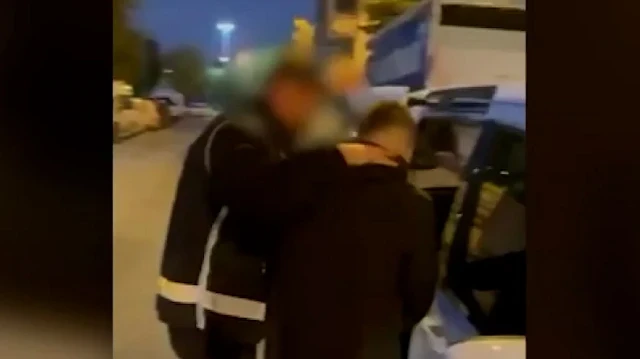
Following the completion of the preliminary intelligence and surveillance phase, the Istanbul Chief Public Prosecutor’s Office issued formal detention warrants for the identified suspects. In the early morning hours, coordinated simultaneous raids were executed across three distinct Turkish provinces: Istanbul, Burdur, and Ordu.
The synchronized operations led to the successful apprehension of 15 suspects. Notably, the detained individuals include a mix of active-duty public servants as well as former government employees who had previously been dismissed from their positions through statutory decrees in the aftermath of the state’s post-coup purge of infiltrated personnel. The presence of both active and dismissed officials underscores the ongoing challenge of rooting out dormant or deeply embedded operatives who maintained low profiles while awaiting reactivation within critical state sectors.
Following their apprehension, all 15 suspects were taken into police custody and transported to the Istanbul Police Department facilities. There, they are currently undergoing standard interrogation procedures, forensic health checks, and initial processing by specialized counter-terrorism investigators before being referred to the local courthouse for formal judicial proceedings and potential arrest by investigative magistrates.