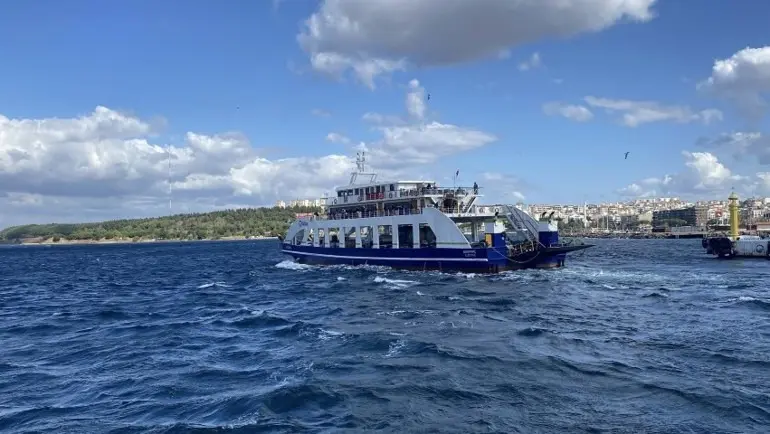
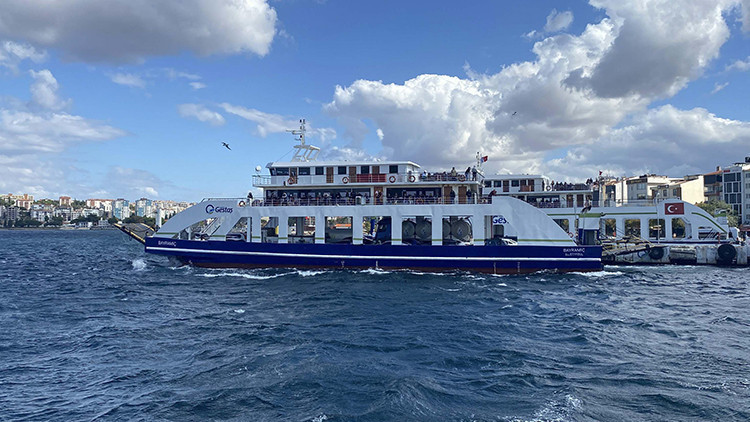
A powerful wave of adverse weather conditions sweeping across the northern region of the Aegean Sea has disrupted maritime transport, forcing authorities to issue widespread service cancellations for offshore passenger and vehicle transit. GESTAŞ Deniz Ulaşım A.Ş., the primary maritime transport company operating along the Dardanelles and the adjacent Aegean islands, officially announced that all scheduled ferry trips between mainland Çanakkale and the islands of Gökçeada and Bozcaada have been canceled for the entire day due to predicted gale-force winds and heavy sea conditions.
The decision affects crucial transportation lifelines in the province of Çanakkale, specifically halting operations on the Kabatepe–Gökçeada and Geyikli–Bozcaada ferry routes. The preemptive cancellation highlights the severity of the severe storm system moving through the Northern Aegean basin, where high wave swells and violent wind gusts present significant hazards to sea navigation and vessel docking operations.
Severe Weather Hits Northern Aegean Maritime Routes
The operational suspension was confirmed following meteorological warnings indicating a sharp deterioration in sea and weather conditions across the Northern Aegean. According to official notifications released by GESTAŞ, the severity of the expected storm makes open-sea transit unsafe for passenger-carrying vessels and vehicle ferries alike.
Maritime authorities routinely monitor atmospheric developments in the region, particularly during transitional seasonal periods when sudden pressure drops can generate dangerous gales. The Northern Aegean Sea is widely recognized by mariners for its complex wave patterns and vulnerable exposed stretches, where open waters offer little resistance to fierce winds coming off the surrounding gulfs and mainland landmasses.
To prevent potential emergencies at sea and ensure absolute safety for passengers, vessel crews, and vehicles, GESTAŞ took the preventative step of canceling all scheduled departures across both affected island lines for the full duration of the storm’s peak activity.
Disruption Across Key Island Supply and Transit Corridors
The suspension of ferry services directly impacts the two major inhabited Turkish islands in the Aegean Sea, both of which rely almost exclusively on maritime transport for all connections to mainland Anatolia and Thrace.
The Kabatepe–Gökçeada line connects the historic Gallipoli Peninsula to Turkey’s largest island, Gökçeada. Located near the mouth of the Gulf of Saros, Gökçeada sits in a particularly exposed marine environment. Ferry trips between Kabatepe port and the island require navigation across open sea waters that are notoriously sensitive to strong northerly and northwesterly winds. When high wind velocities build across the Aegean, wave heights along the Kabatepe corridor can quickly exceed safe operational limits, making vessel maneuvering near terminal ramps hazardous.
Simultaneously, the cancellation of the Geyikli–Bozcaada route severes the primary connection between the mainland district of Ezine and the island of Bozcaada. Although the distance between the mainland terminal at Geyikli and Bozcaada is shorter than that of the Gökçeada crossing, the local channel dynamics present distinct navigation challenges during severe weather. The harbor at Bozcaada, known for its historic structure and narrow entrance, requires exceptional precision during vessel docking maneuvers. High swells and unpredictable wind shears in the channel make securing car ferries to the dock exceptionally perilous, risking damage to marine infrastructure and endangering personnel during loading and unloading procedures.

Safety Protocols and Maritime Vulnerabilities
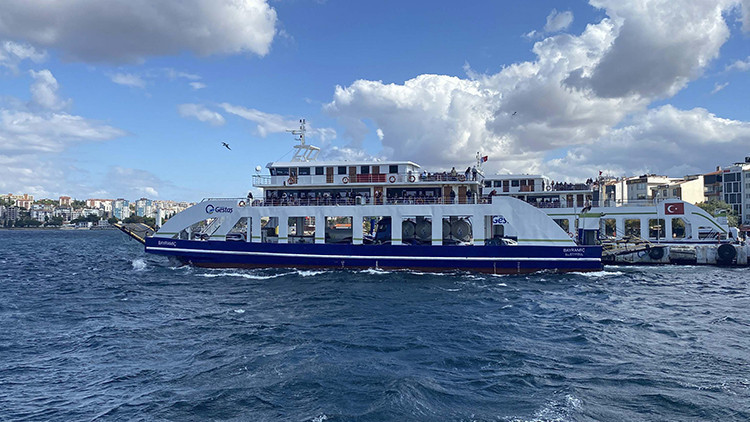
Roll-on/roll-off (Ro-Ro) car ferries, which form the backbone of the GESTAŞ fleet, are specially designed to carry large volumes of motor vehicles alongside deck and cabin passengers. However, their high physical profile creates a substantial surface area that acts like a sail when exposed to strong side winds. Under storm conditions, heavy gale-force winds can exert immense force on the vessel’s structure, compromising stability and steering responsiveness during delicate harbor approaches.
Furthermore, turbulent wave action creates severe motion risks for cargo and vehicles parked on vessel car decks. Even with structural tie-downs and physical barriers, heavy roll motion on rough seas poses significant risks of vehicle displacement or structural strain. Because safety remains the paramount priority under maritime transportation regulations, operators like GESTAŞ maintain strict operational thresholds regarding wind speed, gust intensity, and wave height. Once these meteorological thresholds are breached or forecasted to be breached, scheduled operations are immediately halted until sea conditions stabilize.
Economic and Daily Life Impacts on Island Communities
For the resident populations of Gökçeada and Bozcaada, ferry cancellations represent more than simple travel delays; they temporarily sever essential community connections to mainland infrastructure. As offshore island communities, both Gökçeada and Bozcaada depend continuously on maritime transit for everyday necessities, including commercial goods deliveries, daily postal services, fuel shipments, and fresh food supply chains.

Local businesses, agricultural producers, and hospitality operators schedule their logistics around the regular daily departures operated by GESTAŞ. When severe weather grounds the fleet, commercial trucks and delivery vehicles are forced to wait at mainland staging areas in Geyikli and Kabatepe, leading to temporary backlogs that must be cleared once normal sailing schedules resume.
Emergency and municipal services are similarly impacted by maritime suspensions. While localized emergency protocols allow for specialized medical evacuations under extreme circumstances—often involving helicopter transport or specialized heavy-weather naval assistance when permissible—routine medical transfers to major regional hospitals in Çanakkale are traditionally conducted via the primary ferry lines. Consequently, weather-related cancellations require local health authorities and emergency service teams to maintain heightened readiness for the duration of the storm.
Regional Meteorological Context in the Northern Aegean
The Northern Aegean Sea frequently experiences severe weather events, particularly during the autumn and winter seasons when cold air masses descending from the Balkan peninsula clash with warmer maritime atmospheric currents over the Mediterranean and Aegean basins. These meteorological interactions often trigger intense localized gales, locally driven by strong northerly winds known historically as Poyraz, or southerly storm fronts known as Lodos.

These wind patterns can transform sea conditions rapidly, converting mild coastal waters into chaotic, high-swell marine environments within a matter of hours. The narrow geographic bottleneck of the Çanakkale Strait (the Dardanelles), combined with the topography of the Gallipoli Peninsula and the surrounding island archipelagos, tends to funnel wind currents, increasing their velocity and unpredictable nature across primary shipping lanes.
Maritime operators continuously collaborate with the Turkish State Meteorological Service and regional port authorities to analyze real-time satellite imagery, swell models, and marine weather forecasts. Preemptive announcements like the one issued by GESTAŞ are designed to give travelers, commercial drivers, and local residents sufficient advance notice to adjust their travel plans, secure parked vehicles, and avoid unnecessary trips to mainland harbor terminals during peak storm hours.
Passenger Guidance and Ongoing Monitoring
In light of the full day of canceled sailings, GESTAŞ has advised passengers and commercial drivers to monitor official communication channels for real-time updates regarding weather developments and schedule revisions. The maritime carrier routinely updates its digital platforms, mobile applications, and customer service centers to inform the public when sea conditions improve sufficiently to allow a safe resumption of service.
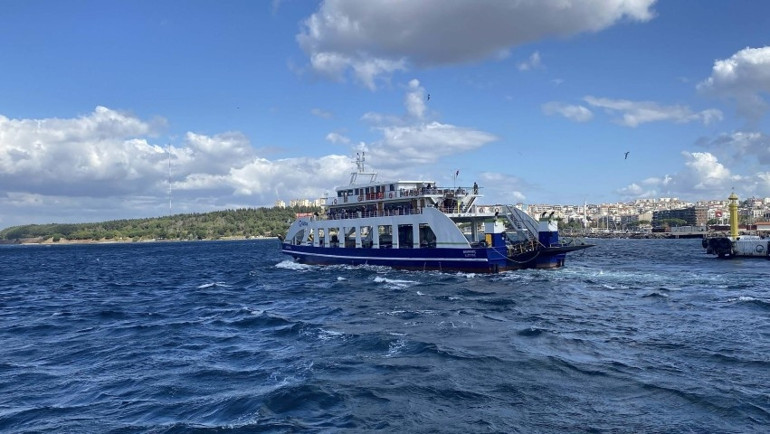
Travelers holding reservations or planning trips across the Kabatepe–Gökçeada and Geyikli–Bozcaada lines are urged to confirm vessel status before departing for port facilities. Mainland staging areas at Geyikli and Kabatepe are expected to experience temporary congestion as queued traffic awaits the reopening of maritime corridors once the Northern Aegean storm subsides and safe navigation can be guaranteed by port captains and fleet commanders.