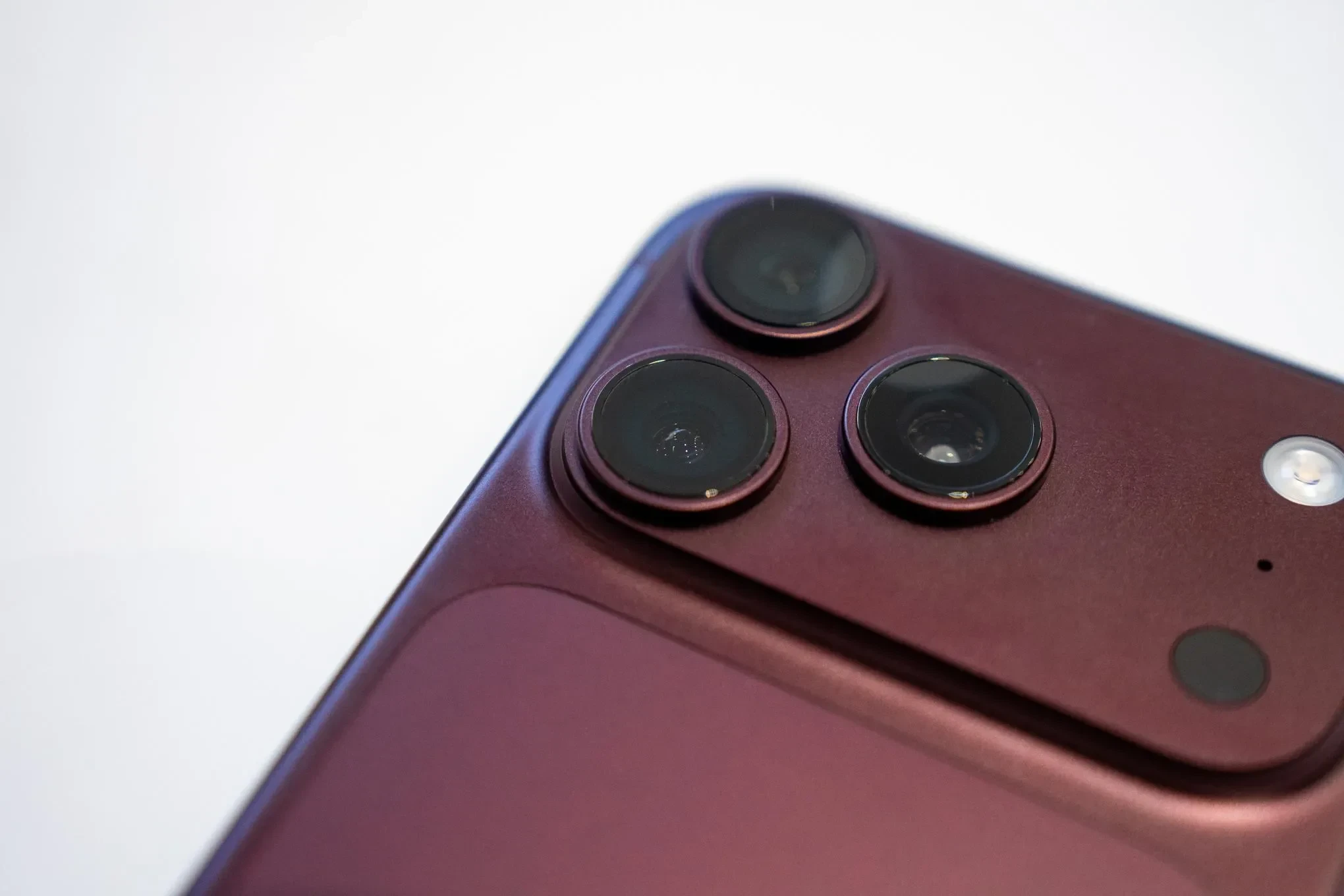
The smartphone landscape appears poised for a significant hardware resurgence as Android device manufacturers turn their attention back to classic design features and mechanical optics. According to industry reports and supply chain leaks, next-generation Android flagships are set to revive physical variable aperture camera systems and bezel-free quad-curved display panels. Driven by technological advancements and shifting competitive pressures, major Chinese smartphone brands are actively developing new flagship architectures designed to bring these high-end hardware capabilities back into the mainstream mobile market following anticipated developments in future iPhone lineups, including the rumored iPhone 18 Pro and beyond.
This potential shift marks a new chapter in the ongoing rivalry between iOS and Android ecosystems, particularly in the critical arenas of mobile photography and display aesthetics. Rather than abandoning earlier physical concepts that proved challenging to refine in previous generations, manufacturers are taking advantage of modern engineering, advanced sensor technology, and improved glass fabrication to give older ideas a second life in a much more sophisticated form.
Variable Aperture and 200MP Sensor Integration
The drive to bring mechanical aperture controls back to mobile photography is gaining momentum among prominent Chinese smartphone producers. According to technical details shared on Weibo by the well-known industry insider Digital Chat Station, several leading manufacturers are currently testing physical variable aperture systems for their upcoming flagship releases. Crucially, these new mechanical setups are being designed to work alongside ultra-high-resolution 200-megapixel camera sensors, aiming to deliver unprecedented optical versatility in a mobile form factor.
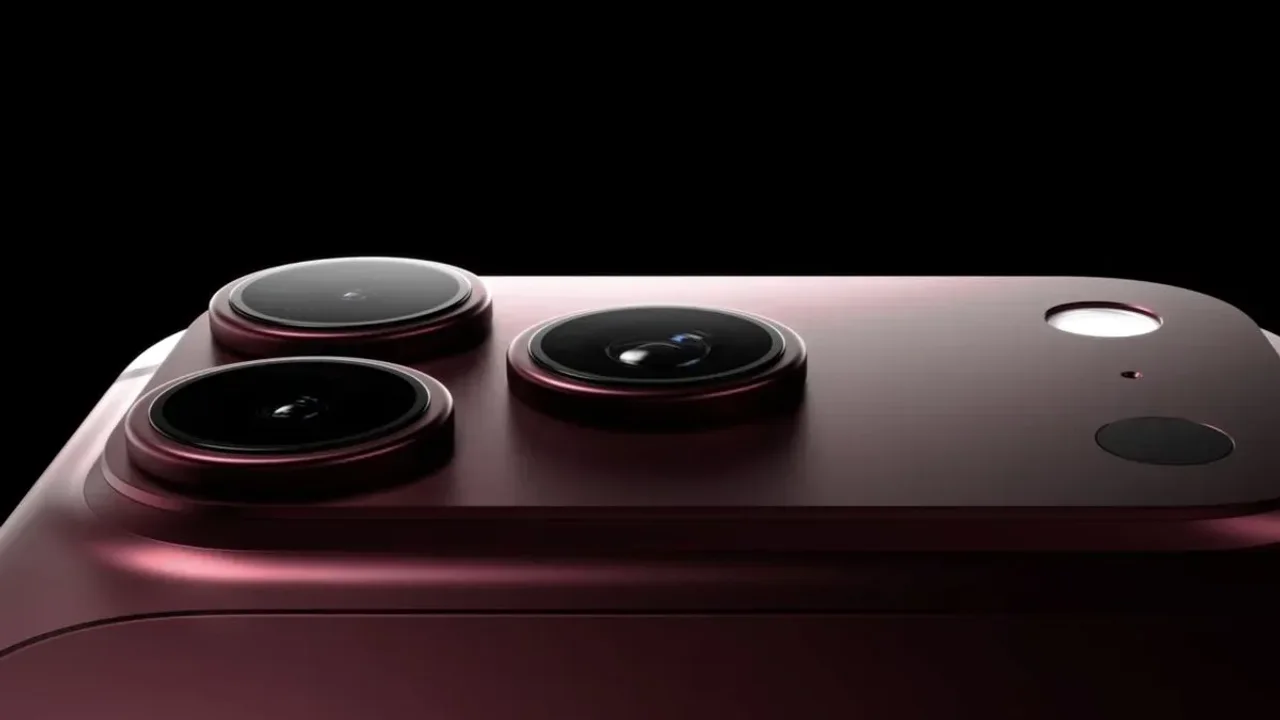
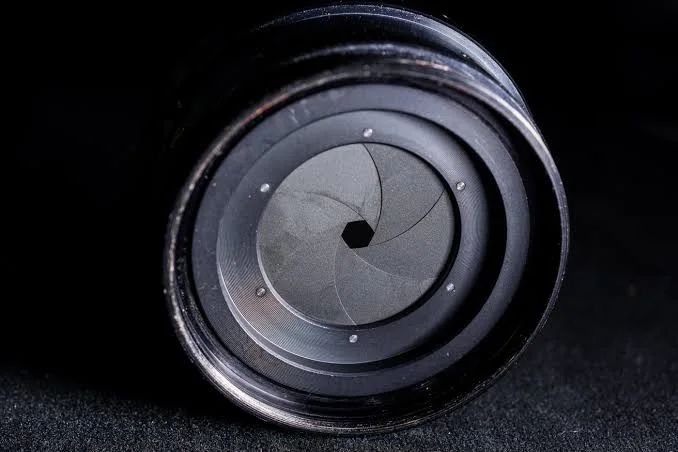
The current wave of interest in variable aperture mechanisms coincides with reports surrounding Apple’s future hardware plans for the iPhone 18 Pro series. The Cupertino tech giant is believed to be preparing a variable aperture camera system that relies on micro-mechanically controlled, laser-cut blades. These tiny internal blades physically expand or contract over the lens element to regulate the volume of light entering the camera housing and to give users direct hardware control over natural depth of field and background blur.
While variable aperture mechanisms are being presented as a standout innovation for upcoming premium smartphones, the underlying concept is far from new to the mobile industry. Nearly a decade ago, Samsung pioneered physical dual-aperture technology in its mainstream flagships, introducing a system on the Galaxy S9 and Galaxy S10 series that allowed the main primary lens to mechanically switch between an f/1.5 setting for low-light environments and an f/2.4 setting for bright, outdoor scenes. Over the years, other prominent brands—including Xiaomi, Huawei, and Sony—have also integrated physical or step-less variable aperture systems into select camera-centric flagships, attempting to bridges the gap between traditional dedicated camera hardware and compact smartphone bodies.
However, implementing a mechanical aperture system alongside today’s massive camera sensors poses a far greater engineering challenge than it did during the era of smaller mobile sensors. Modern flagship primary cameras feature physically large sensor footprints, with many reaching or approaching the 1-inch class size, and boasting ultra-dense pixel layouts up to 200 megapixels. Pairing a set of moving, physical aperture blades with such large optics requires precise micro-engineering to prevent mechanical failure, minimize lens module thickness, and maintain uniform optical clarity across the entire image plane.
Despite these physical constraints, smartphone makers appear determined to overcome the mechanical hurdles. Integrating physical aperture adjustment with 200-megapixel sensors allows cameras to switch dynamically between wide apertures for low-light performance and shallow depth of field, and narrower apertures for sharper edge-to-edge group shots and landscape photography. By managing light intake physically before it reaches the sensor, manufacturers can reduce their reliance on artificial digital portrait algorithms and aggressive software sharpening, yielding more natural optical bokeh and improved dynamic range.
The Resurgence of Borderless Quad-Curved Display Designs
Alongside advances in mobile camera optics, industrial screen design is undergoing a parallel evolution as Chinese smartphone makers re-evaluate multi-curved display form factors. Emerging leaks suggest that manufacturers are revisiting fully borderless, quad-curved panel designs—screens that curve downward smoothly on all four edges—aiming to create a seamless, floating-glass aesthetic on upcoming flagship devices.
This design trajectory is reportedly heavily influenced by broader market trends and future design roadmaps. Industry sources indicate that ultra-thin bezels paired with quad-curved glass elements are expected to be a defining visual characteristic for upcoming mobile hardware, including speculative designs pointing toward future generations such as the iPhone 20 Pro series. To remain competitive at the top tier of the market, Android manufacturers are eager to showcase their own bezel-free display capabilities.
The pursuit of an uninterrupted, borderless viewing experience has long been a holy grail for mobile screen designers. Brands like Huawei and Xiaomi were early adopters of the "quad-curved" terminology, introducing devices that featured subtle or pronounced curves along the top, bottom, and side bezels. Similarly, Samsung and other top manufacturers extensively championed curved display technology through the rise of "waterfall" screens, which wrapped glass dramatically over the side edges of the phone frame.
While curved screens offered a sleek look and a high screen-to-body ratio, early implementations faced criticism from users over accidental palm touches, display discoloration near the curved edges, and high repair costs due to glass fragility. Consequently, many manufacturers spent recent product cycles pivoting back toward completely flat displays, prioritizing ergonomics, durability, and practical usability over pure visual flair.
However, as panel manufacturing processes improve and touch-rejection software becomes more refined, the industry appears ready to embrace multi-curved glass once again. Modern quad-curved implementations differ significantly from the sharp, aggressive waterfall displays of the past. Instead of wrapping deeply around the sides of the device, modern micro-quad-curved glass utilizes subtle, uniform contours across all four corners and sides, blending seamlessly into the structural metal frame without compromising grip or causing unwanted screen distortion.
As the industry moves closer toward 2027, the strategies adopted by major Android manufacturers demonstrate a clear willingness to blend proven hardware concepts with modern micro-engineering. If ongoing industry leaks materialize into retail products, consumers may soon see flagship Android devices featuring a combination of 200-megapixel variable-aperture primary camera modules and bezel-less quad-curved displays, establishing a new benchmark for premium mobile hardware design.