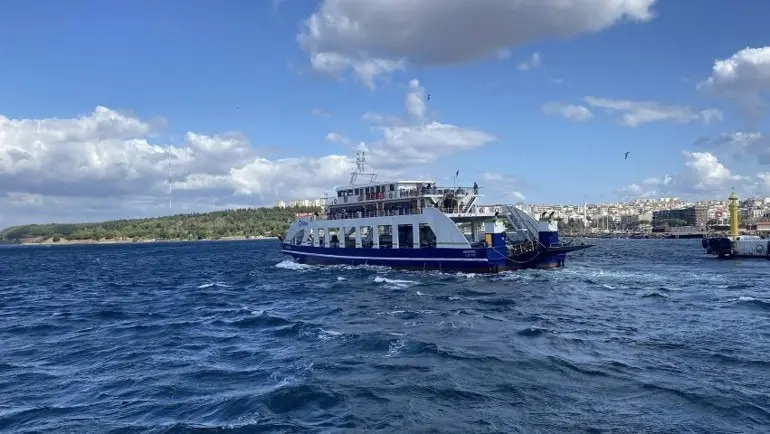
ÇANAKKALE, Turkey — Adverse weather conditions developing rapidly across the northern Aegean Sea have forced a complete suspension of crucial ferry services connecting mainland Turkey with the offshore islands of Gökçeada and Bozcaada. Maritime transport operator GESTAŞ announced the cancellation of all scheduled sailings across both key island routes due to severe gale-force winds and dangerously rough sea conditions impacting the region.
The operational shutdown was confirmed following updated meteorological forecasts indicating escalating storm activity along the coastal stretches of Çanakkale province. According to statements issued by GESTAŞ Marine Transportation Inc., the precautionary cancellations apply to all passenger and vehicular ferry sailings scheduled on the affected routes.
The suspension highlights the persistent seasonal vulnerability of maritime transit routes in northwestern Turkey, where autumn storm fronts frequently disrupt critical supply and passenger links between the Anatolian mainland and the northern Aegean archipelago.
Widespread Weather Disruptions Across Northern Aegean Lines
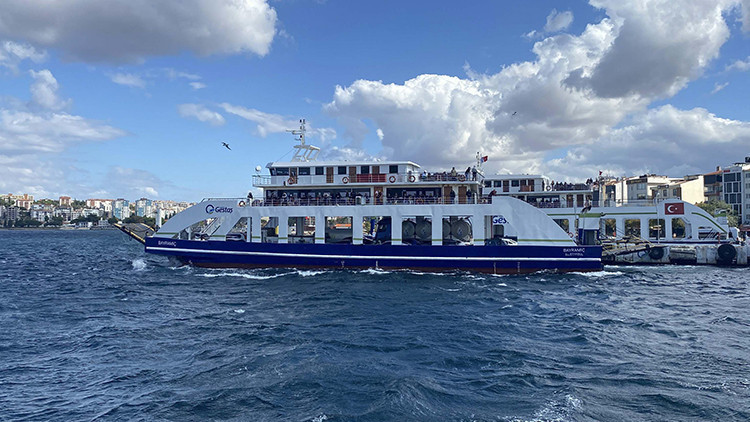
The maritime cancellations directly affect two primary transit arteries operated by GESTAŞ: the Kabatepe-Gökçeada ferry line and the Geyikli-Bozcaada ferry line. Both routes serve as the sole surface transport connections for residents, tourists, and commercial logistics moving between the mainland and the islands.
In a formal travel advisory, GESTAŞ communicated that adverse weather patterns in the northern Aegean Sea made safe navigation impossible for scheduled departures. The operator handles both passenger and vehicle transportation across the Çanakkale Strait (Dardanelles) and the adjacent island routes, maintaining regular transit schedules under normal marine conditions. However, severe swells and strong gale winds sweeping across open water channels necessitated an immediate halt to island services to safeguard passengers, crews, and vessels.
While maritime operations within the narrower, more sheltered waters of the Dardanelles Strait often adapt to localized wind shifts, open-water routes extending into the Aegean Sea are significantly more exposed to atmospheric disturbances. As a result, when powerful pressure systems cross the northern Aegean, open-water passages are typically the first to experience total operational suspensions.
Travelers and freight companies planning transit across the affected routes have been urged to modify their itineraries and monitor official announcement channels for updates regarding when sea conditions will permit a safe resumption of service.
Island Lifelines Interrupted: Gökçeada and Bozcaada
The total suspension of ferry sailings has an immediate and profound effect on daily life across both Gökçeada and Bozcaada, where local communities rely almost entirely on continuous maritime connections for basic transportation, daily commerce, and essential services.
Gökçeada, recognized as Turkey’s largest island, is situated near the entrance of the Saros Gulf in the northern Aegean Sea. Its primary connection to the mainland runs out of the Kabatepe ferry terminal located on the Gallipoli Peninsula. Due to its geographical position and high exposure to open sea currents, the passage between Kabatepe and Gökçeada is notoriously susceptible to northern winds and heavy wave swell. The cancellation of all sailings on this line temporarily isolates the island’s residents from mainland transit networks, holding up the movement of private vehicles, public transport, food distribution trucks, and postal services.

To the south, Bozcaada faces similar challenges. Situated opposite the mainland district of Ezine, Bozcaada relies on the ferry crossing operating between the mainland port of Geyikli and the island’s historic harbor. Renowned for its viticulture, heritage tourism, and local fishing industry, Bozcaada relies heavily on the Geyikli-Bozcaada line for daily commuting, commercial deliveries, and visitor traffic. When operations on this short but weather-sensitive passage are halted, mainland access for workers, businesses, and tourists comes to a complete standstill.
Because both islands lack fixed physical connections such as bridges or tunnels to the Turkish mainland, sea ferries act as critical operational lifelines. Beyond routine civilian travel, the suspension of ferry links impacts regional supply chains, delaying the delivery of perishable goods, fuel shipments, and industrial supplies to island merchants.
Maritime Safety Protocols and Weather Dynamics
The decision to cancel all ferry trips across the Gökçeada and Bozcaada lines was executed in strict accordance with established maritime safety regulations and fleet management protocols. GESTAŞ dispatchers and vessel captains continuously monitor marine telemetry, wave height data, and official atmospheric warnings provided by regional meteorological authorities.

The northern Aegean Sea is well known among maritime operators for its complex nautical dynamics. During seasonal transitions, cold air masses moving down from the Balkan region frequently collide with warmer air over the Aegean, generating intense sustained winds and sudden gusts. These weather systems produce high swell amplitudes and unpredictable cross-currents in the open channels surrounding the Çanakkale coastline.
Roll-on/roll-off (Ro-Ro) passenger ferries, which make up the bulk of the regional transit fleet, feature expansive lateral surface areas. Under extreme wind conditions, these structural characteristics create significant windage, complicating vessel maneuvering during delicate docking procedures at exposed island terminals. Entering or departing narrow harbor basins during gale conditions carries heightened risks of hull impact with piers, severe rolling, cargo instability on vehicle decks, and potential danger to passengers.
Faced with forecasts detailing dangerous sea states, maritime operators routinely prioritize safety over schedule adherence. Halting operations before vessels encounter hazardous conditions at sea prevents emergency situations, structural damage to ships, and distress among travelers.

Broader Logistical and Regional Impact
Ferry disruptions across Çanakkale’s island routes periodically test the operational resilience of local emergency networks and public infrastructure. Municipal authorities and emergency service providers maintain contingency plans to ensure essential public health and safety functions remain operational even during extended weather closures.
For critical medical emergencies occurring on Gökçeada or Bozcaada during ferry shutdowns, regional
health departments coordinate specialized transport alternatives. When sea conditions allow, heavy-duty sea ambulances equipped for rough waters can be deployed, while severe medical cases requiring immediate mainland hospitalization are handled via helicopter transport operated by emergency medical services, provided flying conditions remain within safe aviation parameters.
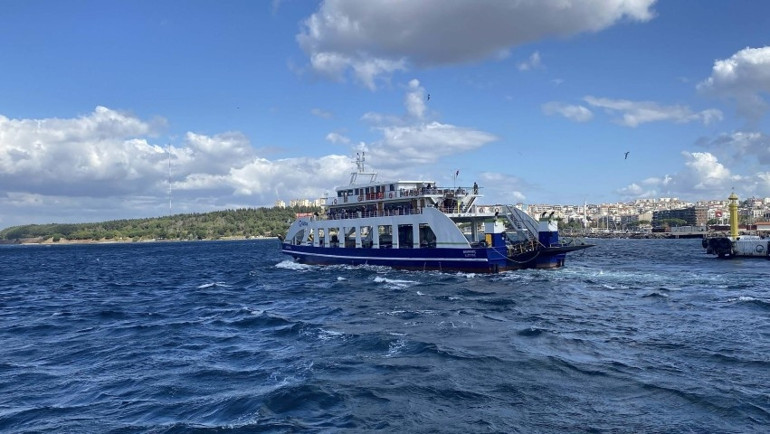
For commercial haulers and everyday commuters, GESTAŞ provides continuous updates through digital platforms, call centers, and terminal information boards. Under standard operational policies, advance ticket bookings for canceled sailings are invalidated automatically, enabling passengers to secure full refunds or rebook their passages for upcoming departures once weather advisories are lifted.
As the storm front continues to move across the northern Aegean, local maritime authorities and GESTAŞ continue to assess real-time weather monitoring data. Ferry operations on the Kabatepe-Gökçeada and Geyikli-Bozcaada lines will remain officially suspended until wind velocities moderate and wave heights drop to levels deemed safe for commercial passenger transport.