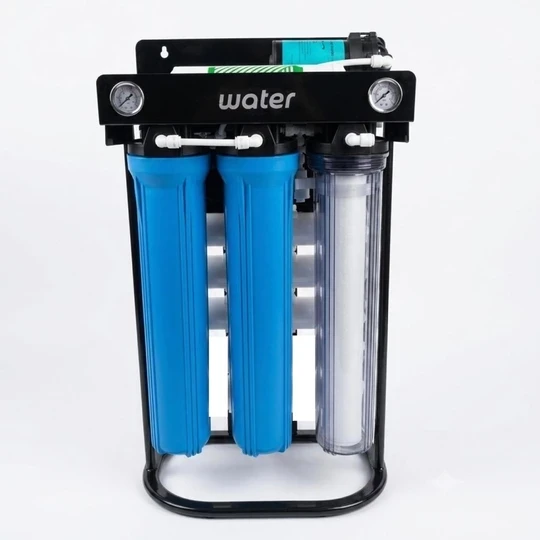
The modern household increasingly views water quality not merely as a utility concern but as a fundamental pillar of health and culinary quality. For many residents, the primary motivators for seeking out purification systems are immediate and tangible: an unpleasant odor or taste in drinking water, a noticeable degradation in the flavor of tea and coffee, or the persistent accumulation of sediment and hardness on faucets and appliances. When a correctly configured system is installed, experts note that the difference is often perceptible within the first few days of use. However, the journey to achieving this level of water quality is frequently complicated by a market saturated with technical jargon and misleading marketing claims.
Industry specialists emphasize that the definition of the "best" water purification device is frequently misunderstood by the average consumer. A common trap is the belief that a system is superior simply because it features a high number of filters. In reality, the efficacy of a system is not determined by the quantity of its components, but by how accurately its technology matches the specific needs of the user and the chemical profile of the water source. Selecting the right device requires a transition from a quantitative mindset—counting filter stages—to a qualitative one, where technology is chosen based on a rigorous analysis of the water’s actual properties.
Critical Criteria in the Selection of High-Performance Purification Systems
To ensure that a consumer selects the most effective product without unnecessary expenditure, a clear framework for decision-making must be established. This process begins with a comprehensive understanding of the water source. Whether a household is supplied by a municipal city network or a private well, the baseline characteristics of the water will dictate the necessary technology. Key metrics such as Total Dissolved Solids (TDS) and mineral hardness levels are the primary indicators of what a system must overcome to provide high-quality output.
Beyond the chemical composition of the water, several logistical and operational factors must be considered. These include the required daily usage volume, the desired flow rate (or debit), and the physical arrangement of tanks and piping. A significant risk in the selection process is the adoption of an inappropriate technology, which often results in one of two outcomes: a failure to provide the desired level of purification or the creation of excessive maintenance costs and efficiency losses.
For a selection process to be successful, industry veterans suggest a checklist that prioritizes sustainability and performance. This includes verifying the water analysis for contaminants like iron, manganese, chlorine, and potential microbiological risks. Furthermore, if the water source is volatile—as is often the case with well water—the system’s performance must be evaluated against its ability to handle fluctuating input quality. In such scenarios, the real-world functionality of filter replacement periods becomes a critical factor in long-term satisfaction.
Scenario-Based Approaches to Water Quality Management
The diversity of water sources necessitates a tailored approach to purification. In a typical urban setting, where residents rely on the city grid, the primary goals are usually the elimination of chlorine-related odors and tastes, the balancing of dissolved solids, and the reduction of fine sediment that may enter the system through aging municipal pipes. For these users, a combination of compatible pre-filtration and membrane technology—sometimes bolstered by ultraviolet (UV) sterilization for added hygiene—provides the most efficient results. The focus here is on refining water that has already been treated to a baseline standard, ensuring it meets the high expectations of modern drinking water.
Conversely, the challenges associated with well water or other variable sources are significantly more complex. In these instances, sediment control becomes the top priority. If the pre-filtration stage is not robust enough to manage high levels of turbidity or specific minerals like iron and manganese, the sensitive and expensive reverse osmosis membranes will suffer rapid degradation. This not only leads to a drop in water production efficiency but also forces the user into a cycle of frequent and costly maintenance. For these sources, success is measured by the stability of the system’s performance over time, requiring a configuration that prioritizes membrane protection.
For specialized applications, such as off-grid living or environments where energy access is limited, innovative solutions like solar-powered high-purity water devices are becoming increasingly relevant. These systems are designed to support independent production goals, providing a reliable source of water in remote areas. Similarly, in laboratory-like settings where an extreme level of purity is required, the configuration of consumables and filters must be perfectly aligned with the target purity values. In these high-stakes environments, the definition of "purity" must be clearly established from the outset to avoid the failure of delicate processes or experiments.
Technical Specifications and the Importance of System Balance
A deep dive into the technology reveals that different components serve very specific roles. Activated carbon, for instance, is the industry standard for addressing taste and odor issues by adsorbing organic compounds and residual disinfectants. Meanwhile, membrane-based systems, such as reverse osmosis, are the heavy lifters when it comes to reducing Total Dissolved Solids, effectively stripping away minerals and contaminants that standard filters cannot catch. For those concerned with biological safety, UV stages provide a final barrier against pathogens, ensuring the water is not only clear but also microbiologically safe.
However, the integration of these technologies must be balanced against the physical realities of the home’s plumbing. One of the most common complaints among new users is a "slow flow" issue. This occurs when the system’s output capacity does not match the household’s peak demand. To avoid this, consumers are encouraged to inquire about the actual flow rates and to plan tank volumes according to their expected usage scenarios. Furthermore, the management of wastewater—a necessary byproduct of many high-efficiency filtration processes—must be factored into the installation to ensure the system operates sustainably.
The long-term viability of a purification system is ultimately tied to its maintenance profile. This includes not just the cost of replacement filter cartridges, but also the frequency with which they must be changed and the ease of accessing authorized service providers. A system that appears to be a bargain at the time of purchase can quickly become a financial burden if it requires proprietary, high-cost filters or if professional servicing is difficult to secure.
Aligning Capacity with Real-World Needs
One of the most frequent errors in the pursuit of the "best" water purification device is the confusion between a system’s theoretical capacity and the user’s actual needs. A high-capacity industrial system is rarely appropriate for a small apartment, just as a basic under-sink filter will fail to meet the needs of a large household with high culinary and drinking demands. By aligning the technology with the specific results of a water analysis, consumers can transform the promise of "the best" system into a tangible, high-performance reality.
This alignment ensures that every component of the system is working toward a specific goal, whether that is softening hard water to protect expensive espresso machines or removing heavy metals from a suspect well source. When the system is configured correctly, the result is a seamless experience where the user no longer has to think about the quality of their water. It becomes a reliable, consistent resource that enhances the quality of life, improves the taste of food and beverages, and provides peace of mind regarding the health of the household.
In conclusion, the path to superior water quality is paved with data and deliberate technological choices. By moving away from generic solutions and focusing on the unique variables of their own water supply, consumers can secure a system that provides lasting value. The ultimate goal is a sustainable, efficient, and effective purification process that stands the test of time, proving that the best system is always the one that is most accurately calibrated to the reality of the tap.