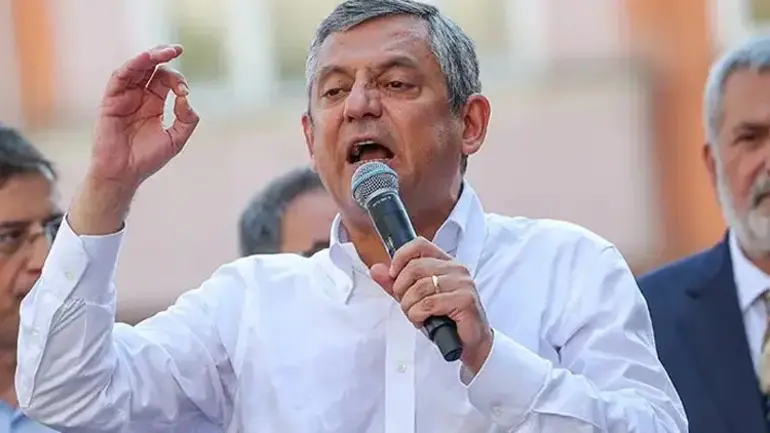
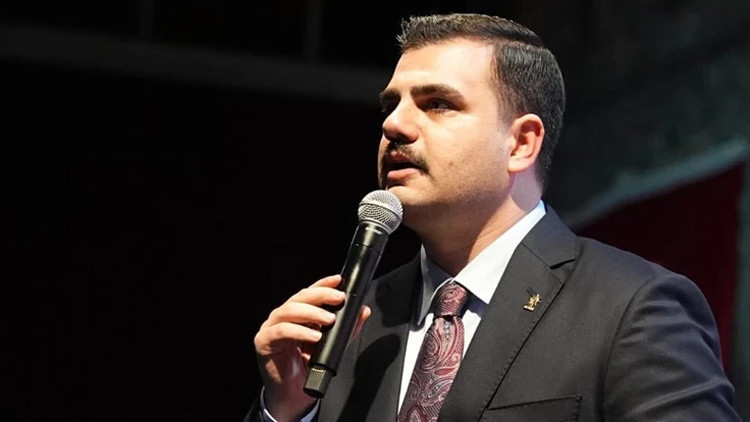
In a move that has sent ripples through the Turkish political landscape, AK Party General Secretary Eyüp Kadri İnan has launched a remarkably sharp and uncompromising verbal offensive against Özgür Özel, the Chairman of the party referred to as the Yeni Parti. The statements, released via İnan’s official social media accounts on September 29, 2026, represent a significant escalation in the ongoing rhetorical battle between the ruling Justice and Development Party (AK Party) and its primary political rivals. İnan’s remarks, characterized by their vitriolic tone and direct personal targeting, accuse Özel of failing to address internal corruption while remaining a "prisoner" of shadowy interest groups.
The confrontation comes at a time of heightened political sensitivity in Turkey, where the discourse between party leaderships has increasingly shifted toward personal character assessments and allegations of organizational mismanagement. İnan’s critique did not merely stop at policy differences; instead, it delved into the "political leaven" of his opponent, questioning the very foundation of Özel’s leadership and his rise within the ranks of the opposition.
"You Do Not Understand Noble Stances": İnan’s Moral Indictment
The core of Eyüp Kadri İnan’s statement was built upon a dichotomy between what he described as a "noble stance" and the "opportunistic" nature of his opponent’s career. İnan began his address by framing the nature of political movements not by the flaws of individuals, but by the uncompromising integrity shown in the face of those flaws. He asserted that great political causes are elevated not through the absence of mistakes, but through a "steadfast and uncompromising stance" against them—a quality he claims is entirely absent in the leadership of Özgür Özel.
"You cannot understand noble stances, Özgür Özel, because it is not in your political leaven," İnan stated, using a term that implies an inherent, foundational lack of character in Özel’s political upbringing. By attacking the "mayası" or "leaven" of his rival, İnan sought to portray Özel as a leader who is fundamentally incapable of the principled leadership the AK Party claims for itself. This rhetorical strategy is often employed to suggest that an opponent’s failings are not just temporary lapses in judgment but are instead permanent features of their political identity.
İnan further characterized Özel’s career as a series of calculated silences in the face of wrongdoing. He alleged that Özel’s ascent to the chairmanship was not the result of merit or visionary leadership, but rather a "story of grabbing a seat" by deliberately ignoring corruption and bribery within his immediate circle. This accusation strikes at the heart of the opposition’s internal ethics, suggesting that the current leadership is built upon a foundation of complicity rather than reform.

The General Secretary’s remarks continued with a scathing assessment of Özel’s autonomy, or lack thereof. İnan claimed that because Özel has failed to speak out against "looters" within his own ranks, he has effectively surrendered his independence to external forces. "You, who cannot say a single word to the soyguncular (looters) within your own party, can only be the prisoner and the product of thieves, bribe-takers, and dark circles," İnan declared. The use of the word "product" (eser) suggests that İnan views Özel not as a self-made leader, but as a figurehead installed or maintained by those who profit from systemic corruption.
This line of attack is particularly potent in the current Turkish political climate, where allegations of municipal corruption and financial mismanagement have become central themes in the rivalry between the ruling party and the opposition. By linking Özel to "dark circles" and "bribe-takers," İnan is attempting to frame the opposition leadership as a liability to the nation’s democratic health and a puppet of interests that operate outside the public eye.
Beyond the allegations of corruption, İnan’s statement took a more personal and visceral turn, referencing specific behaviors and the perceived decline of the opposition’s influence over major urban centers. One of the most provocative elements of İnan’s critique was the mention of "unanswered drunken calls," a jab that appears to reference rumors or internal reports of erratic behavior within the opposition’s high command. İnan used this to paint a picture of a leadership in a state of disarray and panic.

"Go and continue begging at the doors of your own mayors with the panic of unanswered drunken calls and the cities slipping through your hands," İnan wrote. This sentence serves two purposes: it questions the personal conduct and professionalism of Özel, while also highlighting the AK Party’s perception that the opposition is losing its grip on the municipal strongholds it currently controls. The reference to "begging at the doors of mayors" suggests a breakdown in the hierarchy of the opposition party, implying that the Chairman has lost authority over his own local officials and is now forced to plead for their support or compliance.
The mention of "cities slipping through your hands" is a clear reference to the looming electoral pressures and the perceived failure of the opposition to maintain the momentum it gained in previous municipal cycles. İnan’s rhetoric suggests that the AK Party perceives a growing vulnerability in the opposition’s governance of major metropolitan areas, and he is using this perceived weakness to further undermine Özel’s standing as a competent national leader.
The timing and intensity of Eyüp Kadri İnan’s statement reflect the broader strategy of the AK Party as it prepares for future political contests. As General Secretary, İnan occupies a role that is traditionally responsible for party organization and the enforcement of the party’s ideological narrative. His decision to take to social media with such a direct and aggressive message indicates a shift toward a more confrontational style of communication, aimed at keeping the opposition on the defensive.

This level of rhetoric also serves to consolidate the AK Party’s own base by drawing a sharp moral line between the government and the opposition. By framing the conflict as one between "noble stances" and "dark circles," İnan is reinforcing a narrative of moral superiority that has been a cornerstone of the AK Party’s political identity for decades. The focus on internal "looters" and "bribe-takers" within the opposition is likely an attempt to neutralize any corruption-related criticisms the opposition might level against the government by suggesting that the opposition’s own house is in much worse disorder.
Furthermore, the attack on Özgür Özel specifically suggests that the AK Party views him as a primary target for delegitimization. As the Chairman of a major opposition force, Özel’s personal credibility is essential to his party’s success. By portraying him as a "prisoner" of corrupt interests and a leader in "panic," İnan is attempting to erode that credibility before it can be converted into electoral gains.
The use of social media as the primary medium for this attack is also significant. In the modern Turkish political landscape, platforms like X (formerly Twitter) have become the front lines of political warfare. These statements are designed to go viral, bypassing traditional media filters and reaching the public directly in a format that encourages rapid sharing and emotional reaction. The "Haber Merkezi" (News Center) reports on these social media posts as major developments because they often set the tone for the news cycle for days to follow.
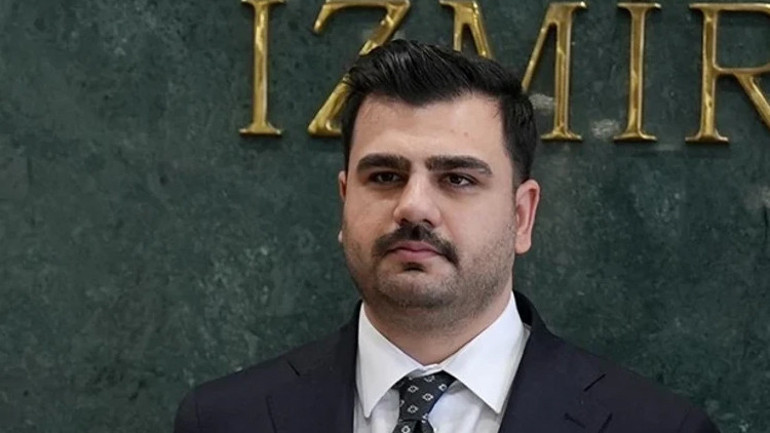
As of the time of reporting, the response from Özgür Özel’s camp has been one of anticipated counter-criticism, though the severity of İnan’s personal jabs has set a new, lower bar for the civility of the discourse. Political analysts suggest that this exchange is merely the beginning of a much longer and more intense period of political maneuvering, as both sides look toward the next set of challenges in the Turkish political calendar.
The accusations of being a "product of dark circles" and the claims of "drunken calls" represent a style of politics that is increasingly defined by character assassination rather than policy debate. While this approach may energize the core supporters of the AK Party, it also highlights the deep polarization that continues to define the nation’s political life. For now, Eyüp Kadri İnan’s words stand as a stark reminder of the high stakes and the personal nature of the battle for Turkey’s political future. The General Secretary’s refusal to grant his opponent even a "single word" of credit for integrity suggests that the bridge between the government and the opposition has rarely been more difficult to cross.
As the political community digests these remarks, the focus remains on whether this rhetoric will translate into shifts in public opinion or if it will simply deepen the existing divisions. What is certain is that the AK Party, through the voice of its General Secretary, has made its position clear: they view the current opposition leadership not as a legitimate alternative, but as a failing entity held together by the very corruption it claims to oppose.