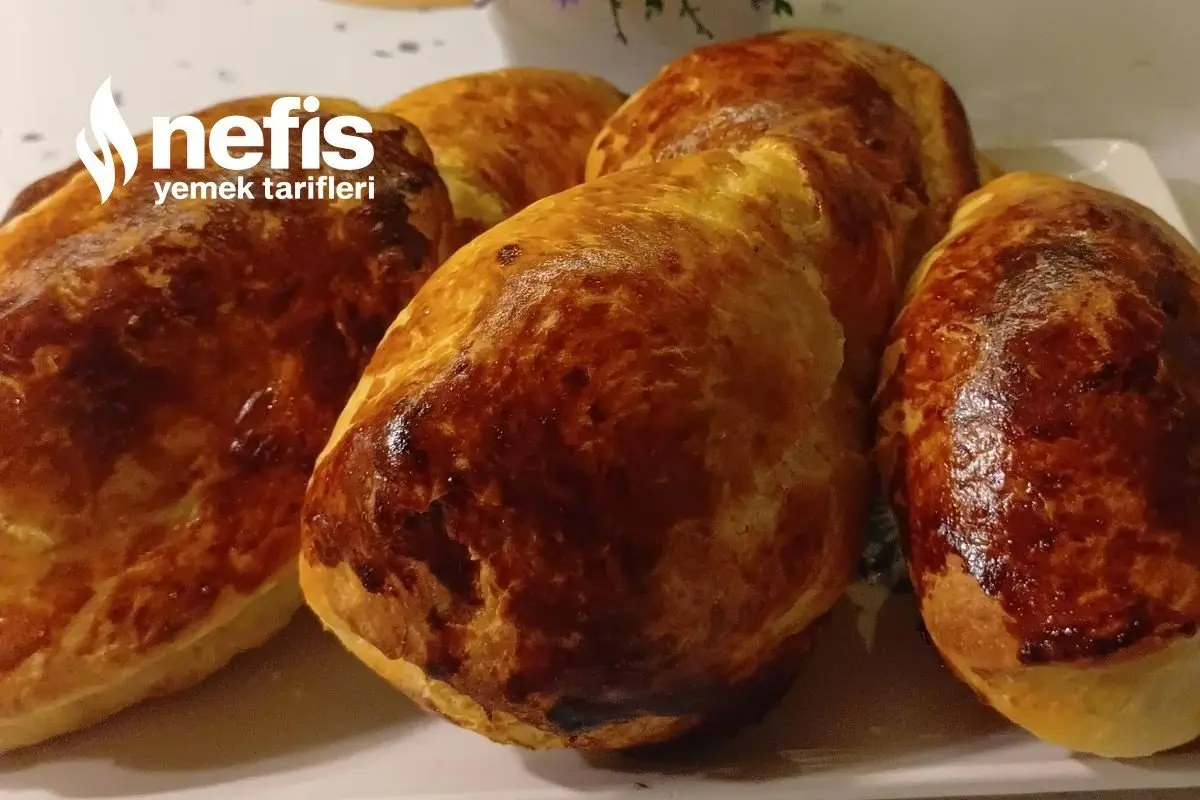
Food enthusiasts and home bakers across the country are turning their attention to a newly highlighted culinary creation known as the ultimate bakery-style pogaca. Promising a flavor and texture that rivals the finest professional establishments, this standout recipe has captured the imagination of cooking hobbyists and culinary creators alike. As shared by culinary contributor Pervin through popular digital food platforms, this classic savory pastry has been elevated to an art form, sparking widespread culinary interest and enthusiastic community engagement.
The fascination with recreating authentic bakery-style pogaca at home has always remained high among baking aficionados. Unlike standard homemade variants that often yield dense or overly crumbly textures, the hallmark of a true commercial-grade pogaca lies in its delicate, flaky layers, golden exterior, and soft, airy interior. This particular recipe, widely discussed and meticulously detailed across culinary circles, has quickly emerged as a benchmark for achieving that elusive professional quality within a domestic kitchen setting.
Culinary interest in traditional baked goods often surges as individuals seek comfort in familiar, high-quality foods. Pogaca, a staple of Turkish culinary heritage, holds a cherished place in daily life, frequently accompanying morning tea or serving as a satisfying afternoon snack. The recent emphasis on this specific preparation highlights a broader cultural appreciation for mastering traditional techniques that yield superior gastronomic results.
The meticulous framework of the recipe addresses every crucial stage of the baking process, ensuring that enthusiasts can achieve consistent, professional-grade outcomes. From the initial handling of the dough to the precise environmental conditions required for optimal rising, every detail contributes to the final product’s legendary status among those who have tried it. The inclusion of community feedback, user photographs, and shared experiences further underscores the widespread appeal and reliability of the instructions provided by the recipe author.
Understanding the Elements of a Superior Bakery-Style Pogaca
The foundation of any exceptional pogaca lies in the careful selection and proportion of its fundamental ingredients. While standard baking components form the baseline, the magic of a bakery-style result often depends on specific preparation nuances. The ingredient profile is carefully balanced to ensure that the dough achieves the necessary elasticity, moisture retention, and structural integrity required for rolling, shaping, and baking.
At the core of the recipe are the core components that dictate the dough’s texture. The interaction between flour, leavening agents, and dairy or fat elements creates a rich yet light crumb. Culinary experts note that the precise temperature of the liquids used during the initial mixing phase plays a critical role in activating the yeast, allowing the dough to develop the necessary gaseous pockets that translate into a tender bite once baked.
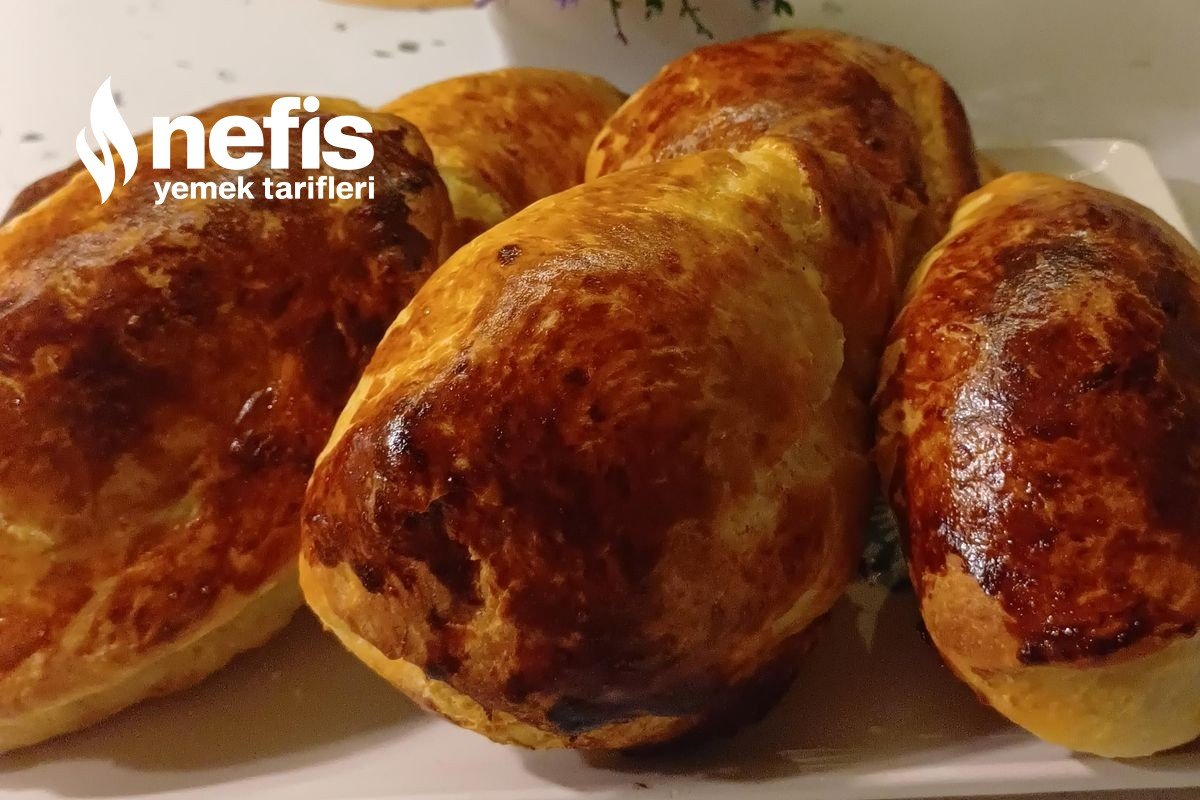
Beyond the basic dough, the filling components contribute significantly to the overall flavor profile. Whether traditional savory fillings such as white cheese, parsley, and potato are utilized, or the pastry is left plain to showcase the buttery dough itself, the balance of flavors remains paramount. The careful seasoning of the filling ensures that it complements rather than overpowers the delicate richness of the pastry casing.
The finishing touches applied to the exterior of the pogaca before it enters the oven are equally critical. Brushing the surface with specific washes ensures a deep, glossy golden-brown crust that immediately signals quality to anyone viewing the finished product. The optional addition of seeds or traditional garnishes further enhances both the visual appeal and the textural complexity of each individual piece, bringing a touch of authentic bakery craftsmanship directly to the domestic dining table.
The Craft of Preparation and Baking Techniques
Executing a recipe of this caliber requires patience, attention to detail, and an understanding of how dough responds to its environment. The preparation process outlined by culinary contributors emphasizes the importance of kneading technique, resting phases, and thermal management during the baking cycle. Each step in the sequence is designed to build upon the previous one, ultimately resulting in the signature texture that has earned the recipe its widespread acclaim.
The journey begins with the careful incorporation of ingredients, where timing and thoroughness dictate the initial strength of the dough network. Adequate resting periods allow the gluten to relax and the yeast to perform its fermentation work, creating a pliable medium that is receptive to shaping. Home bakers are continually reminded that rushing these foundational steps can compromise the lightness and rise of the final product.
Once the dough has achieved its optimal state, the shaping phase requires a delicate touch to preserve the internal air structure. Whether formed into traditional crescents, rounds, or folded pockets encasing the filling, uniformity in size ensures even baking across the entire batch. This attention to physical proportion is a hallmark of professional baking that translates directly to success in home kitchens.
The final stage involves monitoring the baking environment, where precise temperature control ensures that the exterior achieves its characteristic crispness while the interior remains soft and moist. As batches emerge from the oven, the resulting aroma and visual presentation serve as an immediate reward for the care invested in the preparation process. The active community engagement surrounding this recipe reflects a shared appreciation for culinary traditions executed with excellence, cementing its place as a definitive guide for pogaca enthusiasts.