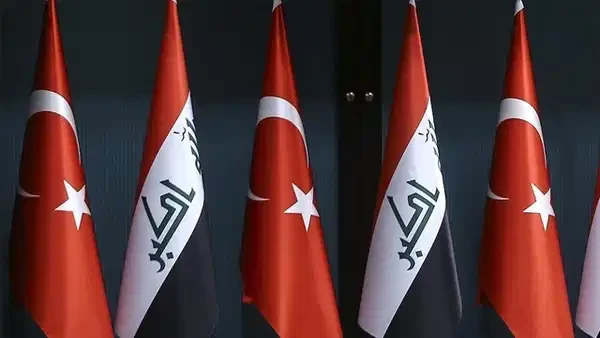
In a move signaling a transformative shift in regional geopolitics, the governments of Turkey and Iraq have reached a landmark agreement to institutionalize their security relations. Following an extensive period of high-level diplomatic negotiations aimed at fostering regional stability and fortifying border integrity, the two neighboring nations have officially moved past a critical threshold in their bilateral ties. The announcement, disseminated to the public through the Republic of Turkey’s Directorate of Communications, underscores a mutual commitment to transitioning from occasional tactical cooperation to a permanent, structural partnership. This development is being viewed by observers as a cornerstone for a more stable Middle East, as Ankara and Baghdad align their strategic interests to address shared threats and historical grievances.
For decades, the relationship between Turkey and Iraq has been characterized by a complex interplay of interdependence and tension, often tested by security-centric crises. Issues surrounding cross-border operations, the presence of non-state actors, and the nuances of territorial sovereignty have frequently placed a strain on diplomatic channels. However, the trajectory of the last few years has seen a concerted effort by both administrations to keep dialogue pathways open, even during periods of heightened friction. This persistent engagement has finally borne fruit, culminating in a comprehensive framework that prioritizes mutual respect for sovereignty alongside a vigorous, joint approach to counter-terrorism. The new agreement reflects a shared realization that neither nation can achieve lasting security in isolation, especially given the porous nature of their mountainous border and the shared threat posed by extremist organizations.
The formalization of this partnership is not merely a symbolic gesture; it represents a pragmatic evolution in how both states manage their shared frontier. By establishing a unified front, Ankara and Baghdad aim to eliminate the security vacuums that have historically been exploited by terrorist groups. The joint statement emphasizes that this new era is built upon a foundation of transparency and mutual trust, marking a departure from the unilateral security measures that occasionally clouded bilateral relations in the past.
Joint Security Coordination Committee Officially Commences Operations
At the heart of this diplomatic breakthrough is the official activation of the Joint Security Coordination Committee. This body is designed to serve as the primary vehicle for translating high-level political agreements into tangible results on the ground. The committee was conceived during previous summits between the leaders of both nations, and its operationalization marks the transition from theoretical consensus to practical execution. As a centralized mechanism, the committee will facilitate a seamless and accelerated flow of information between the military and intelligence agencies of Turkey and Iraq.
Experts in regional security highlight that the institutionalization of such a committee is a vital step in modernizing the defense relationship between the two countries. In the past, coordination was often ad hoc, leading to delays in response times and occasional misunderstandings during active operations. By creating a permanent structure, both nations can now engage in real-time intelligence sharing and synchronized operational planning. This level of integration is expected to significantly enhance the effectiveness of counter-terrorism efforts, particularly in the difficult terrain of Northern Iraq, where geography often favors insurgent movements.
The committee’s mandate extends beyond immediate combat operations. It is tasked with the long-term management of border security, ensuring that the frontier between Turkey and Iraq becomes a zone of regulated movement and economic exchange rather than a flashpoint for conflict. The primary objectives of the Joint Security Coordination Committee include:
- Synchronized Counter-Terrorism Operations: Aligning the military strategies of both nations to ensure that operations against designated terrorist groups are conducted with maximum efficiency and minimal risk of unintended escalation.
- Intelligence Integration: Establishing a dedicated pipeline for the exchange of actionable intelligence, allowing both states to preempt threats before they manifest.
- Border Infrastructure and Monitoring: Collaborating on the technical aspects of border management, including the use of modern surveillance technology and the coordination of border guard patrols.
- Crisis Management: Providing a dedicated channel for rapid communication during emergencies, thereby preventing local incidents from escalating into broader diplomatic disputes.
By fostering operational harmony, the committee aims to create a security environment that supports broader regional goals, including the protection of vital infrastructure and the promotion of trade routes. The success of this committee is seen as essential for the viability of future economic projects, such as the proposed "Development Road" project, which seeks to link the Persian Gulf to Europe via Iraq and Turkey.
The Future of the Bashiqa-Zilikan Base
One of the most significant and sensitive components of the joint agreement concerns the future of the Bashiqa-Zilikan settlement. For years, the presence of Turkish forces at this location was a subject of intense debate and occasional diplomatic protest from Baghdad, which viewed the stationing of troops as a challenge to its federal authority. However, the new agreement provides a clear and mutually agreed-upon roadmap for the resolution of this issue, reflecting the maturity of the current diplomatic discourse.
According to the official communique, the Turkish side has reaffirmed its commitment to the consensus reached at the leadership level. The agreement mandates a gradual and structured transfer of the Bashiqa-Zilikan settlement to the jurisdiction of the Iraqi Federal Government. This transition is not a sudden withdrawal but a phased handover designed to ensure that no security vacuum is created during the process. The "gradual" nature of the transfer allows for the Iraqi security forces to assume full responsibility for the area while maintaining the counter-terrorism capabilities that the base currently supports.
This move is being hailed as a major victory for diplomacy and a testament to Turkey’s respect for Iraq’s sovereign rights. By agreeing to a formal transfer process, Ankara has demonstrated its willingness to support the strengthening of Iraq’s central authority, while Baghdad has shown its readiness to assume greater responsibility for the security of its northern territories. The resolution of the Bashiqa status is expected to remove a significant psychological and political barrier in the relationship, paving the way for even deeper cooperation in other sectors, including energy and water management.
The transfer process will be monitored by the Joint Security Coordination Committee to ensure that all technical and security requirements are met. This collaborative approach ensures that the transition serves the interests of both nations, reinforcing the principle that a strong and sovereign Iraq is a fundamental component of Turkey’s own national security strategy.
Frequently Asked Questions
What will be the primary functions of the Joint Security Coordination Committee?
The Joint Security Coordination Committee is designed to act as the institutional backbone of the security partnership between Turkey and Iraq. Its primary role is to provide a structured environment for the coordination of counter-terrorism operations, the enhancement of border security, and the facilitation of high-level intelligence sharing. By bringing together military and intelligence officials from both sides, the committee aims to replace fragmented communication with a unified operational strategy. It will serve as a platform for joint planning, ensuring that the security forces of both nations work in tandem rather than in isolation. Furthermore, the committee will be responsible for deconflicting military activities in border regions, thereby reducing the risk of accidental friction and ensuring that both countries’ sovereign interests are respected during active missions.
To whom will the Bashiqa-Zilikan settlement be transferred?
In accordance with the mutual agreement reached between the top leadership of Turkey and Iraq, the Bashiqa-Zilikan settlement is slated for a gradual transfer to the control of the Iraqi Federal Government. This decision follows years of diplomatic dialogue aimed at aligning the security needs of Turkey with the sovereign rights of the Iraqi state. The transfer will be executed through a carefully managed, multi-stage plan to ensure a seamless transition of authority. Once the process is complete, the Iraqi federal authorities will have full jurisdiction over the site, marking a significant step forward in the normalization of security arrangements within Iraqi territory. This move is intended to bolster the legitimacy and capacity of the Iraqi central government while maintaining the regional security objectives that the base was originally established to support.
Which official body issued the announcement regarding this agreement?
The joint press statement detailing these strategic developments was officially released to the public by the Directorate of Communications of the Republic of Turkey. As the primary agency responsible for the coordination of state communications, the Directorate’s involvement underscores the official and high-level nature of the agreement. The announcement was mirrored by corresponding diplomatic channels in Iraq, signifying a unified public relations effort to inform both domestic and international audiences of the new era in bilateral cooperation. The involvement of the Directorate of Communications highlights the importance the Turkish government places on this partnership, framing it as a key component of its broader "Peace at Home, Peace in the World" foreign policy objective and its commitment to regional stability.
The activation of these mechanisms and the resolution of long-standing territorial issues suggest that Turkey and Iraq are no longer merely neighbors by geography, but partners by design. As the Joint Security Coordination Committee begins its work, the focus will now shift to the implementation of these agreements on the ground, with both nations hopeful that this framework will provide a lasting solution to the security challenges that have long defined the region.