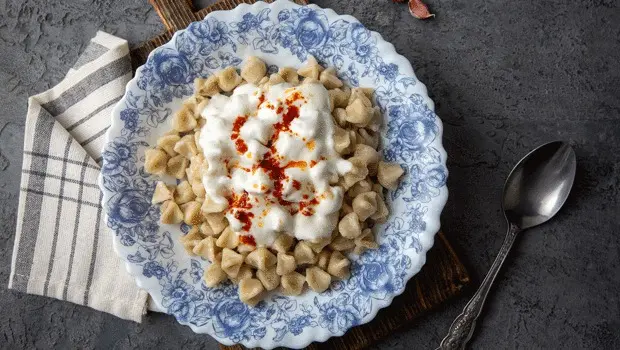
Across the diverse culinary landscape of Anatolia and its neighboring regions, few dishes command as much reverence, communal devotion, and artisanal skill as mantı. These filled dumplings, shaped from delicately rolled dough and packed with savory fillings, represent far more than everyday sustenance. They are culinary centerpieces that signify hospitality, familial celebration, and centuries of cross-cultural exchange. While the core concept of enveloping a flavorful filling within rolled pastry remains consistent, the preparation methods, textures, sizes, and serving styles diverge remarkably from one region to the next.
From the painstaking, miniature folded packets of Central Anatolia to the broth-laden parcels of the Caucasus and the nut-garnished specialties of the Black Sea coast, mantı showcases an astonishing versatility. Some varieties rely on gentle simmering in rich broths, while others are submerged in sizzling oil to achieve a crisp, golden crust. Whether stuffed with spiced minced meat or velvety mashed potatoes, and dressed with tangy garlic yogurt, browned butter, or crushed walnuts, these five distinct mantı variations highlight the breadth of regional pastry traditions.
Hingel
Hingel, widely celebrated across northeastern Anatolia and closely tied to Caucasian culinary heritage, is recognized for its generous size, ornate braided edges, and deeply comforting profile. While meat-filled renditions exist across various regions, the potato-stuffed variation has earned a particularly enduring place on communal dining tables, celebrated both for its visual artistry and its robust, hearty character.
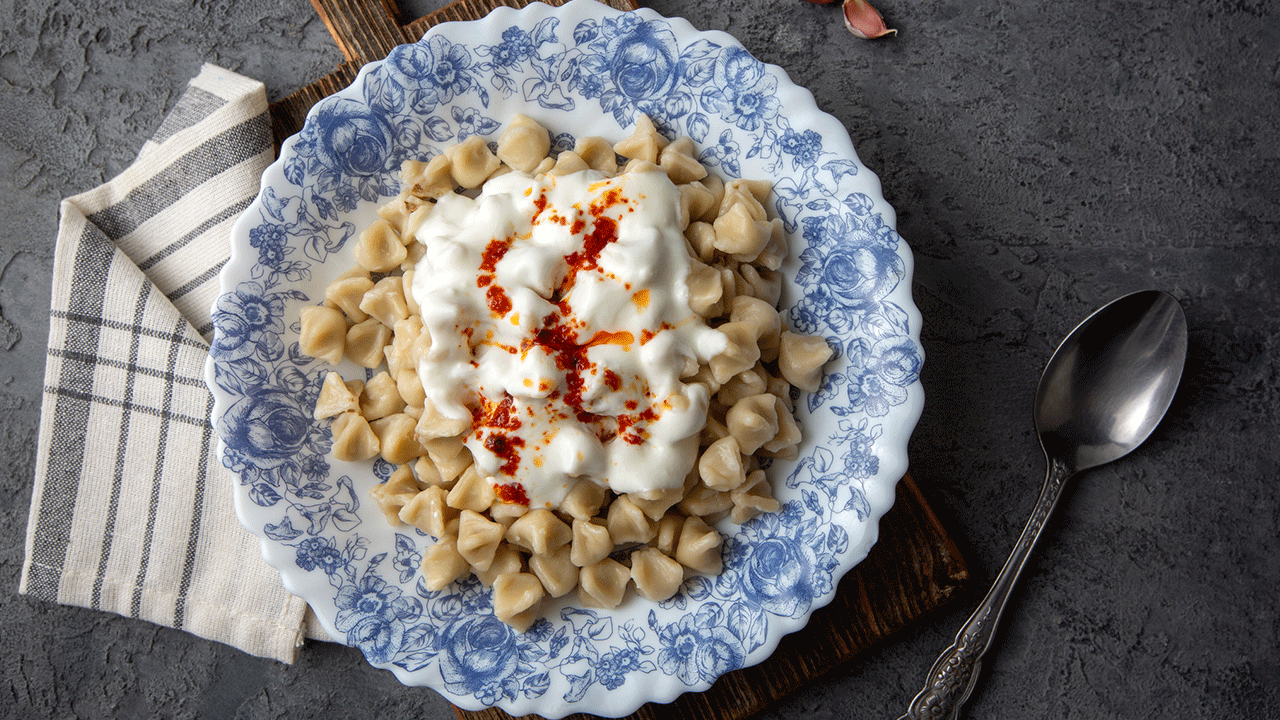
The preparation of hingel begins with an unleavened dough that requires firm kneading and careful resting to achieve the elasticity needed for shaping. Rolled out slightly thicker than miniature dumpling sheets to securely support a substantial filling, the dough is typically cut into broad circular rounds. The heart of this vegetarian variation lies in its smooth, seasoned potato mash. Boiled potatoes are thoroughly mashed and combined with finely chopped onions softened in butter, seasoned with sweet and hot paprika, ground black pepper, and salt.
What distinguishes hingel visually is the technique used to seal the parcels. Cooks pinch and fold the edges in an interlocking, braid-like pattern, ensuring the interior remains hermetically sealed during cooking. Once prepared, the dumplings are dropped into salted, rolling boiling water. Because of their hearty size, they require attentive monitoring to ensure the thick braided seam cooks completely while the wrapper retains a tender bite.
Upon emerging from the water, hingel is typically arranged on broad platters and immediately doused in foaming browned butter infused with sweet paprika or dried mint. Many regional households serve it alongside thick garlic yogurt, allowing diners to balance the starch of the potato filling with cool acidity. The resulting dish offers a rich contrast between the supple pastry, the silky spiced filling, and the aromatic butter sauce.

Kayseri Mantısı
Widely regarded as the benchmark of Anatolian dumpling craftsmanship, Kayseri mantısı is renowned for its diminutive scale and the extraordinary dexterity required to produce it. In Kayseri, a historic trading city set beneath Mount Erciyes, culinary skill has long been judged by the size of a cook’s mantı. Local tradition famously dictates that forty individual dumplings must fit comfortably within a single wooden soup spoon, a testament to the near-microscopic precision expected of the region’s culinary masters.
Achieving this standard requires an exceptionally stiff dough made from hard wheat flour, eggs, water, and salt. The dough must be worked vigorously to develop enough gluten to be rolled paper-thin without tearing under the pressure of the rolling pin. Once rolled into an expansive, translucent sheet, it is scored into minute squares, often measuring no more than one centimeter across.
The filling is kept purposefully pure and focused. Lean minced beef or lamb is mixed with finely grated onion that has been pressed to release excess liquid, preventing the delicate pastry from turning soggy. Seasoned simply with salt, freshly cracked black pepper, and occasionally a hint of red pepper flakes, tiny flecks of meat are deposited at the center of each square. The cook then gathers the four corners upward, pressing the seams together to form tiny, boat-shaped parcels.

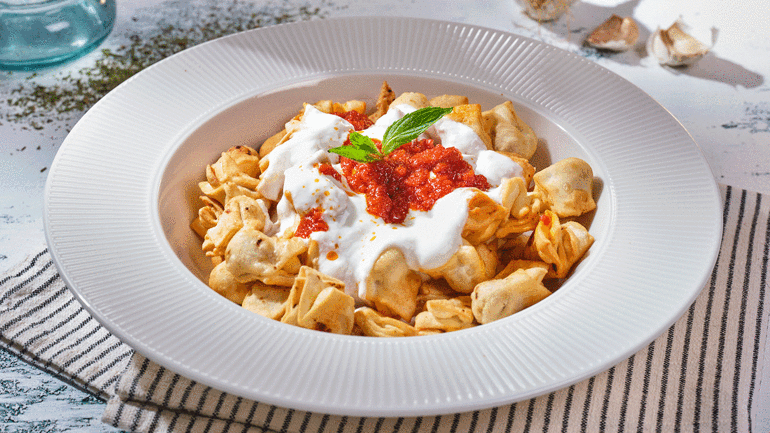
Kayseri mantısı is boiled briefly in salted water or a light meat stock until the pastry turns tender. Unlike larger dumpling styles that are drained completely, traditional Kayseri mantısı is often served with a portion of its savory cooking broth spooned into shallow bowls. The assembly is finished with generous ladles of garlic-infused strained yogurt, followed by a sizzling red butter sauce blooming with tomato paste, sweet red pepper, and dried mint. Sumac is frequently dusted over the top, adding a sharp, citrusy note that cuts through the rich butter and meat.
Yağ Mantısı
Also hailing from Kayseri, yağ mantısı offers a dramatic textural departure from its boiled counterpart. Instead of delicate, broth-simmered parcels, this variation embraces the deep-frying technique, yielding a dumpling that is crisp and blistered on the outside while remaining tender and moist within.
The contrast begins with the dough itself. While traditional mantı relies on unleavened pastry, recipes for yağ mantısı often incorporate a small measure of yeast or baking powder, along with yogurt or milk. This creates a more pliable, responsive dough that puffs slightly when submerged in hot oil, forming microscopic air pockets that result in a light, shatteringly crisp crust rather than a dense, heavy pastry.

The dough is divided and rolled to a medium thickness, then cut into squares noticeably larger than standard boiled mantı. The filling consists of spiced minced meat blended with grated onions, herbs, and spices, designed to release savory juices as it cooks. Once the meat is placed inside, the pastry is folded into neat triangular or square packets, with the edges crimped tightly to prevent the rendered meat juices from escaping into the oil.
Carefully lowered into clean, hot oil, the dumplings fry until they reach a uniform deep-golden hue. The high heat seals the dough almost instantaneously, trapping the steam inside to cook the meat filling thoroughly while keeping it juicy. Immediately after being drained, the hot, crackling dumplings are transferred to a serving dish. To prevent them from losing their crispness, they are topped at the very last moment with cold, velvety garlic yogurt and a warm sauce made of melted butter, tomato paste, and dried mint. The immediate interplay between the scorching, crunchy exterior and the cool, creamy topping defines this savory specialty.
Khinkali
Originating in the mountainous highlands of Georgia and beloved throughout the South Caucasus, khinkali stands out as a distinct, monumental entry in the broader Eurasian dumpling family. Massive in comparison to Anatolian mantı, khinkali is famous for its elegant pleated crown and the pocket of savory, steaming broth contained inside each dumpling.
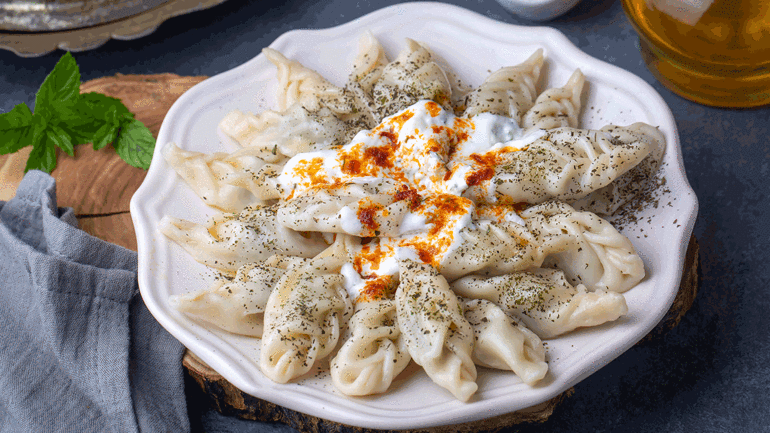
The wrapper for khinkali is made from a resilient dough of flour, water, and salt, kneaded repeatedly to withstand the weight of both meat and broth. Rolled out into thick rounds, the edges are often thinned slightly while leaving the center thicker to support the heavy interior. The traditional filling combines minced beef and pork, or sometimes lamb, seasoned generously with ground black pepper, salt, and occasionally caraway, chopped onions, and fresh herbs such as cilantro.
Crucially, cold water or rich meat broth is worked directly into the raw meat mixture until it reaches a loose, almost soupy consistency. As the dumpling cooks, the seasoned liquid combines with the rendering meat fat, generating an aromatic broth trapped inside the pastry shell. Sealing khinkali requires considerable practice: the cook draws the edges of the dough upward around the meat, creating a series of accordion-like pleats—traditionally nineteen or more—gathered tightly at the apex to form a thick knob or "kudi" (hat).
Khinkali is boiled in large pots of generously salted water until the dumplings float and the dough turns supple. They are removed gently with a slotted spoon to avoid puncturing the skins. Served steaming hot, khinkali is dusted liberally with coarse black pepper. Traditional dining etiquette dictates that they must be eaten entirely by hand without a fork or knife, which would release the precious broth onto the plate. Diners hold the dumpling upside down by its thick, cool dough handle, take a small, careful bite from the side, sip the hot broth from within, and then consume the remainder of the dumpling, often leaving the thick, unfinished knob behind on the plate.
Sinop Mantısı
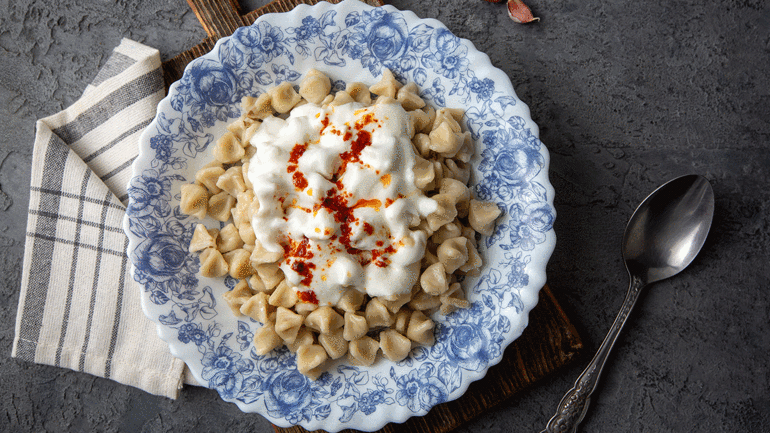
Perched on Turkey’s northernmost Black Sea peninsula, the historic port city of Sinop has developed a mantı tradition that differs markedly from those found in the Anatolian interior. Sinop mantısı is celebrated for the sheer thinness of its hand-rolled dough, its triangular folding geometry, and its distinctive topping: a generous shower of crushed local walnuts.
The preparation reflects the maritime city’s dedication to refined pastry craft. The dough is rolled by hand using long, thin rolling pins until it reaches a delicate, almost parchment-like quality. Cut into neat squares larger than Kayseri mantı but smaller than hingel, the dough is filled with seasoned minced beef mixed with onions and black pepper. Rather than being pinched into bundles, the dough is folded diagonally into neat triangles, with the edges lightly pressed together.
The folded dumplings are simmered in boiling water until tender. Because the pastry is rolled so thin, the boiling time is brief, demanding close attention from the cook to prevent overcooking. Once drained, the dumplings are tossed with melted butter to keep them separate and impart a silky sheen.
What truly sets Sinop mantısı apart is the method of presentation. Diners typically request their portions prepared in one of three ways: draped entirely in garlic yogurt, blanketed fully under roasted, finely crushed walnuts and browned butter, or served "half-and-half" (karışık). The split presentation is particularly iconic, offering contrasting flavor profiles on a single plate. One side delivers the familiar, tangy richness of garlic-spiced yogurt, while the other offers an earthy, nutty, and slightly sweet contrast from the toasted walnuts and butter. This interplay highlights the ingenuity of Black Sea home cooking, demonstrating how regional agricultural staples can transform a classic dish into an entirely unique culinary experience.