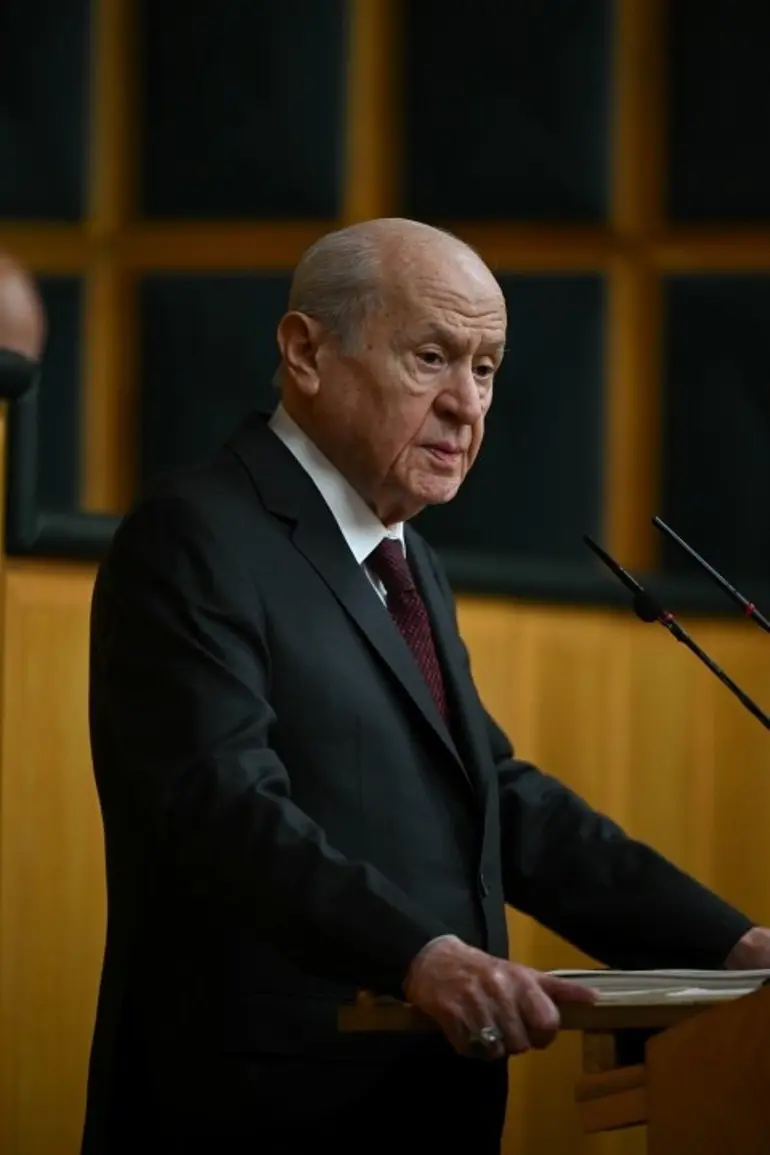
In a comprehensive and wide-ranging address to his party’s parliamentary group, Nationalist Movement Party (MHP) Chairman Devlet Bahçeli underscored the urgent necessity for Turkey to implement stringent regulations concerning digital content, social media platforms, and video games that incite violence. Speaking at the Turkish Grand National Assembly (TBMM) on November 17, 2026, Bahçeli framed these measures as a vital component of national stability, while also touching upon critical issues ranging from global climate diplomacy to the ongoing geopolitical shifts in the Middle East and Eastern Europe.
The MHP leader’s speech arrived at a time of significant domestic and international activity, with Turkey positioning itself as a central mediator in global crises and a host for major international summits. Throughout his remarks, Bahçeli emphasized that the rapid evolution of technology and the shifting sands of global politics require Turkey to take a proactive and firm stance to protect its social fabric and national interests.
Addressing the Digital Frontier and Social Media Restrictions
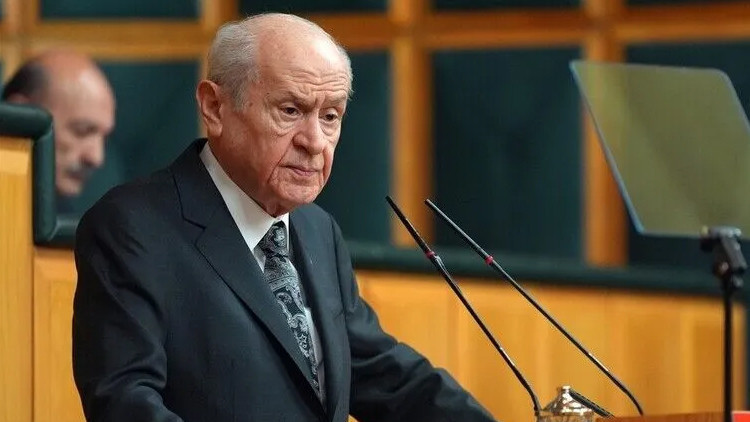
A primary focus of Bahçeli’s address was the perceived negative impact of the digital world on the younger generation. He argued that the time has come—and perhaps has already passed—for the state to take decisive action against digital content that undermines traditional values or encourages aggressive behavior. Bahçeli pointed out that Turkey is not alone in this concern, noting that many countries across the globe are currently seeking ways to limit access to certain digital spaces and social media platforms to safeguard their citizens.
"It is time for us to take the necessary steps in this regard; in fact, the time is even passing us by," Bahçeli stated, referring to the need for oversight on digital content. He expressed deep concern over the blurred lines between reality and the virtual world, suggesting that high-budget series and video games that normalize violence and immorality are stripping children and young people of their sense of reality. When this thin line is crossed, he warned, individuals can transform into personalities with the potential to harm both themselves and the society they live in.

Bahçeli’s critique extended to the "unreal lives" depicted in digital media, which he believes lead to a disconnection from sacred and cultural values. He emphasized that the normalization of abnormal behavior through these mediums is a global crisis that demands a collective rethinking of how humanity interacts with technology. According to the MHP leader, the negative effects of such digital influences have been clearly identified in various tragic incidents both in Turkey and abroad, making effective precautions an unavoidable necessity for the state.
Climate Diplomacy and the Significance of COP31 in Antalya
Turning his attention to international affairs, Bahçeli highlighted Turkey’s growing role in global diplomacy, specifically mentioning the COP31 United Nations Climate Change Conference currently being hosted in Antalya. The summit, which is scheduled to continue until November 20, serves as a testament to Turkey’s status as a hub for international dialogue.

Bahçeli praised the strategic importance of the topics being discussed at the summit, including electrification, clean energy transformation, green industrialization, the circular economy, and climate finance. He noted that these issues are not merely environmental concerns but are central to the strategic future of the nation. "Building a livable world is our common responsibility," he remarked, adding that this burden falls equally upon individuals, institutions, and states.
The MHP Chairman also took a moment to commend President Recep Tayyip Erdoğan for his leadership and the objectives he outlined during his speech at the conference. Furthermore, he extended his congratulations to Murat Kurum, the Minister of Environment, Urbanization, and Climate Change, who assumed the term presidency of the summit, wishing him success in his continued efforts to advance Turkey’s climate goals on the world stage.
Geopolitical Fractures and Regional Stability

Bahçeli’s address also provided a sobering look at the conflicts surrounding Turkey. He discussed the ongoing Russia-Ukraine war, describing it as a high-casualty struggle of attrition that has yet to yield a result through negotiations. He pointed out that this prolonged conflict continues to have adverse effects on Turkey, given its geographic proximity and economic ties to the region.
The situation in the Middle East was another point of heavy emphasis. Bahçeli lamented the continued violence in the Gaza Strip, noting that attacks have persisted despite a ceasefire that was supposed to be in effect for 2025. He described the situation as a "state of madness" that defies definition, characterizing the violence as a direct assault on human dignity and honor.
"This evil is a war declared against humanity," Bahçeli said. He linked the peace of Turkey directly to the peace of the surrounding region, stating that it is impossible for Turkey to be truly happy or at peace as long as the lands housing "Muslim brothers, kinsmen, and historical memories" remain in turmoil. He argued that Turkey’s unique position at the intersection of the Middle East, the Caucasus, and Eastern Europe necessitates a balanced and firm foreign policy to navigate these global crises.

Educational Reform and the Role of the Family
On the domestic front, Bahçeli spoke at length about the foundations of a strong state, which he identified as a healthy legal system and a robust education system. He argued that education should not be viewed as a process relegated solely to teachers and schools but should be understood as a lifelong journey beginning in the "cradle" and ending at the "grave."
He offered strong support for National Education Minister Yusuf Tekin, defending him against critics who, in Bahçeli’s view, rely on "clichés, crude propaganda, and heroics" rather than constructive solutions. Bahçeli praised Tekin’s efforts to harmonize the spirit of tradition with the realities of the modern age.
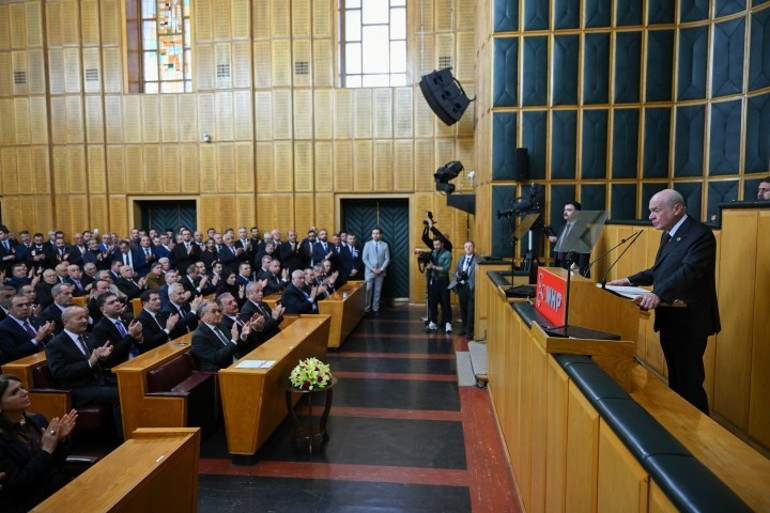
Central to Bahçeli’s philosophy on education is the role of the family. He argued that the sense of justice—encompassing the concepts of crime, punishment, and reward—is first developed within the home. When a child learns that they are responsible for their mistakes and rewarded for good behavior within the family unit, they enter society with a developed sense of justice. He cautioned that if the education system is blamed for every social ill, the vital role of the family and the social environment is overlooked.
The Vision for a ‘Terror-Free Turkey’
One of the most significant portions of Bahçeli’s speech was his discussion of the "Terror-Free Turkey" process initiated in the final quarter of 2024. He described this initiative as a step deeply connected to "historical reason" and the "spirit of the time." The goal, he explained, is to meet the highest expectations of the Turkish nation by reading global changes correctly and positioning the state for the coming century.
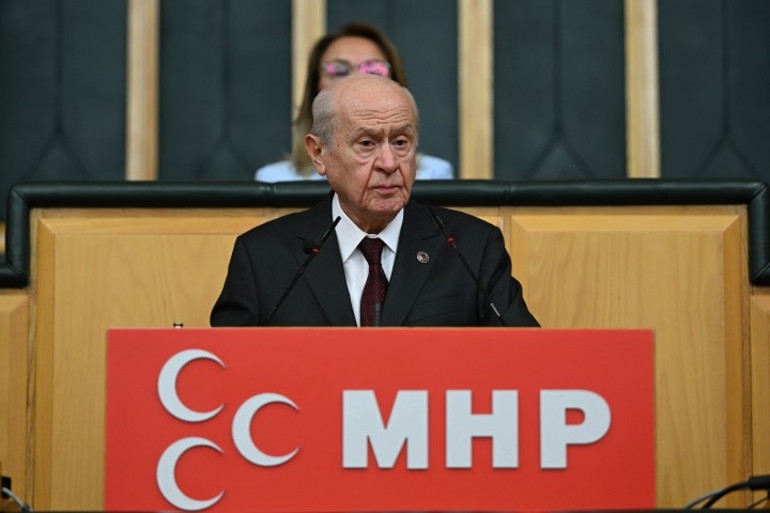
Bahçeli acknowledged that while the vision has gained broad social acceptance and political support, it has also faced criticism from certain circles. He dismissed these critics as people who "see mirages" when they get close to a microphone, suggesting that those who view politics merely as shouting from a podium are bound to be disappointed by the strategic depth of the MHP’s vision.
"For the Turkish state and the Turkish nation, in these times when all world dynamics are shifting and geopolitical fractures are occurring one after another, it is a necessity for us to take a position suitable for the spirit of the coming century," Bahçeli declared. He stated that the fundamental goal of the MHP is to leave a stronger Turkey for future generations, rooted in a state philosophy that has always been guided by high ideals and a strong will.
He concluded this section of his speech by reaffirming his commitment to the "Century of the Turks and Turkey," a vision for the second century of the Republic. "As Turkish nationalists who have sworn to walk this path, we will not bow to anyone but Allah. We will build the ‘Century of the Turk and Turkey,’" he said.
Martyrs and Media Accountability
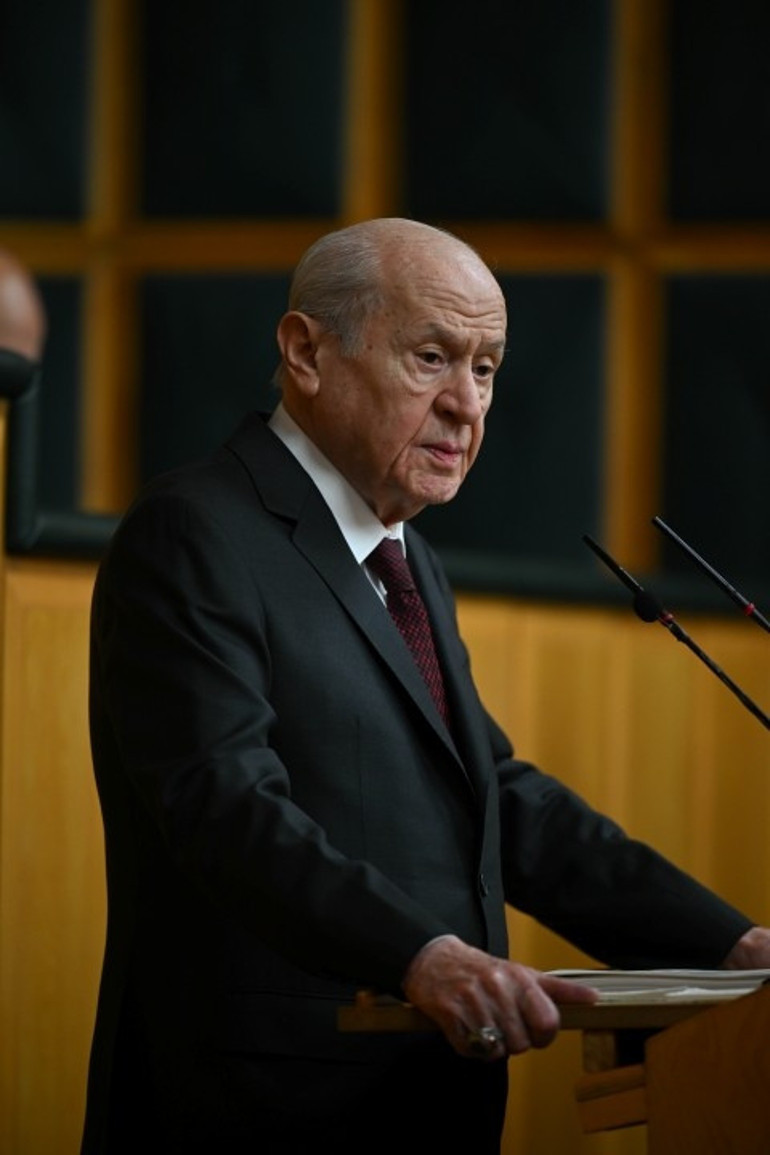
The MHP leader began his session with a somber note, paying tribute to the Turkish Armed Forces personnel who were martyred in an S-70 type helicopter crash in Malatya. He expressed his condolences to the families of the fallen soldiers and to the military community at large, praying for God’s mercy on the deceased.
Following the group meeting, Bahçeli was asked by journalists about the recent appointment of a trustee (kayyum) to Mega Ajans ve Reklamcılık Ticaret AŞ, the parent company associated with Sözcü Television. His response was characteristically sharp.
"You should ask the managers of Sözcü about the causes and consequences of this issue," Bahçeli replied. "Presumably, you should ask the people who talk about everything every evening without paying attention to their own words."
Bahçeli’s address served as a comprehensive summary of the MHP’s current legislative and ideological priorities. By linking the regulation of digital spaces to the broader survival of the Turkish state and its cultural identity, he positioned the party as a guardian of traditional values in an increasingly complex and virtual age. At the same time, his remarks on foreign policy and the "Terror-Free Turkey" initiative signaled a continued commitment to a proactive and nationalist agenda as the country navigates the challenges of the late 2020s.