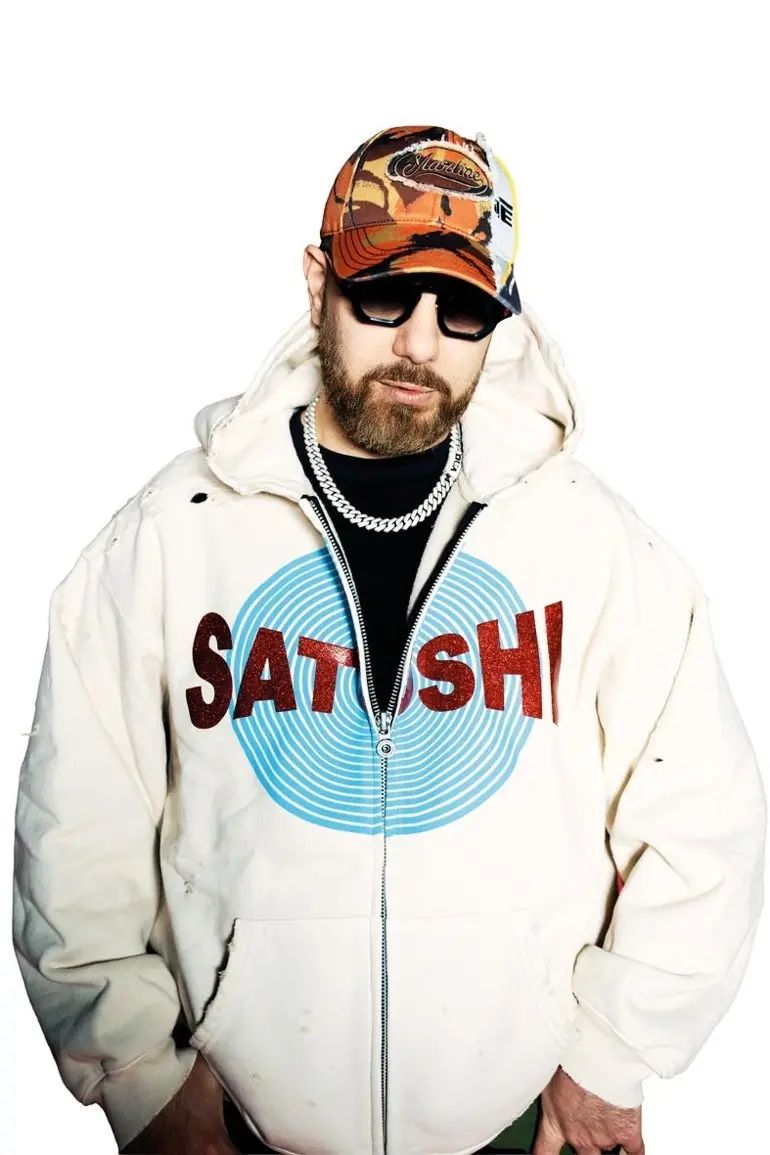
In a recording studio nestled in the bustling Istanbul district of Levent, Turkish-Dutch rap artist Murda has put the finishing touches on his third studio album. Titled Uzay, the record carries the name of his three-year-old son and represents the culmination of a deeply personal musical trilogy rooted in fatherhood, devotion, and profound loss.
Inside the studio, the atmosphere reflects the energy of a project that functions as a roll call for some of the most prominent talents in Turkish hip-hop. The album boasts production from Spankito, Artz, and Bugy, alongside guest features from Yung Ouzo, Motive, MERO, Summer Cem, and EGE!. Yet, beyond the heavyweight guest list and heavy basslines, the conceptual foundation of the release remains entirely intimate.
The rapper’s creative journey has long mirrored the milestones and heartbreaks of his personal life. His first studio album, DOĞA, released in 2020, was named after his daughter, who is now seven years old. His sophomore effort, DUA, bore the name of his second daughter, who tragically survived for only 15 minutes after birth. Around his neck, Murda wears a set of chains, each pendant bearing the name of one of his three children—a physical reminder of the motivations guiding his craft.
Sitting down to discuss the new release, Murda reflected on the sonic identity of Uzay, the challenges of balancing fame with parenthood, the cultural evolution of Turkish rap, and the personal hardships that shaped his path from the streets of the Netherlands to the upper echelons of the music industry.
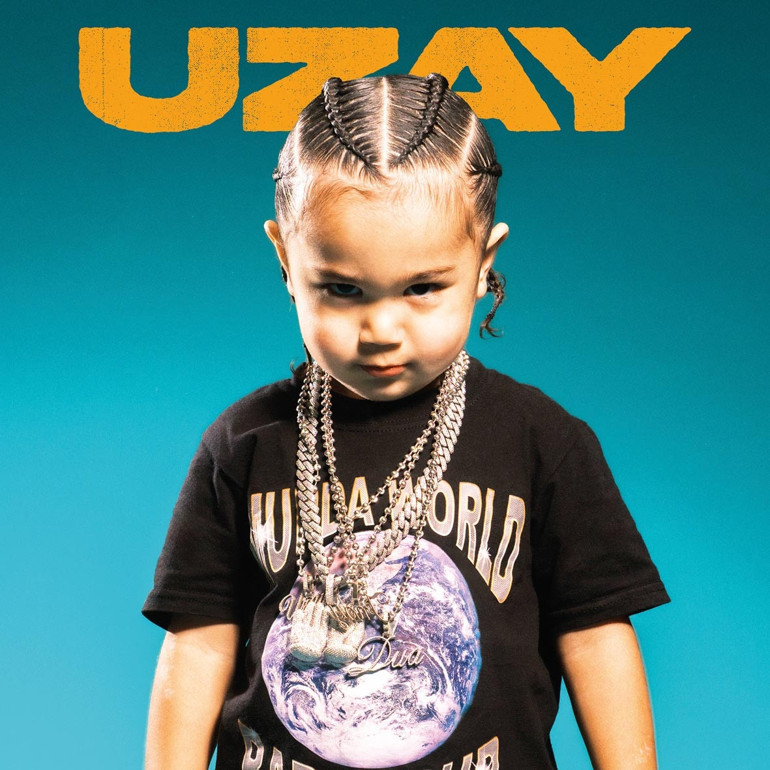
Your new album, Uzay, bears the name of your son, who also appears on the album cover. How did he react to seeing his portrait on the project?
He was genuinely thrilled about the cover. After we filmed the promotional announcement video together, he went to nursery school and proudly told his teacher, "I work together with my dad now." Seeing that kind of innocent excitement in him was special.
Does he share your passion for rap music?
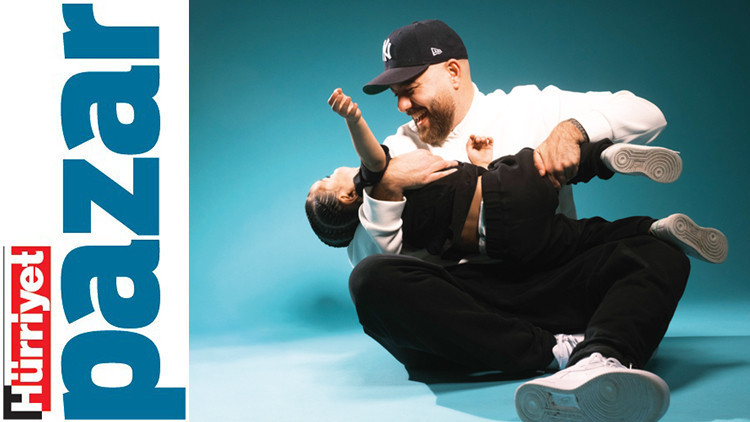
More than anything, he loves me, so he listens to my tracks constantly. Beyond that, because his older sister listens to K-Pop and YouTube is always playing in our household, he is exposed to a wide spectrum of sounds and understands what is happening musically. Thankfully, my daughter listens to my work as well. Both of them are big fans of their father.
Speaking of K-Pop, both boy bands and girl groups within that genre have developed massive followings in Turkey. Does this growing popularity cause any concern or panic within the rap community?
I cannot speak for what other rappers might be feeling, but I certainly do not feel any panic. To me, diversity in music always represents abundance and opportunity. At the end of the day, much like in sports, we are in natural competition with one another in music. Whenever I observe a particular genre gaining momentum, I do not get defensive; instead, I ask myself, "Alright, what can I do creatively to reach that next level?"
Embracing a challenge during the production phase is healthy. Being able to step outside your comfort zone is essential for any artist. Maintaining a broad perspective and keeping an open mind about what is happening across different styles is far more important than worrying about trends.
‘A Young Man’s Sport’
Would you be open to collaborating with pop groups of that style? A crossover with a group like Manifest, for example?
If Manifest were to reach out and say, "Murda, we want to record a track with you," I would gladly accept. If I did that, I would instantly earn the title of the coolest dad at home, simply because my daughter is completely obsessed with Manifest. Doing something that brings that kind of joy to my child would be an easy decision.
What led you to name this specific body of work after your son?

My debut album was titled DOĞA, named after my first daughter. With that record, I sought to capture the pure emotion and initial joy of experiencing fatherhood for the very first time. My second album was DUA. We lost our daughter Dua shortly after her birth, and through that record, I attempted to articulate the inner conflicts, grief, and emotional turmoil that followed such a devastating loss.
Uzay is an album that encapsulates the exact spirit of my son: a little mischievous, fast-paced, but simultaneously affectionate, loyal, and unapologetically direct. With this release, the trilogy dedicated to my children feels complete.
Your lyrics frequently reference high-end vehicles, luxury brands, and an affluent lifestyle. How much of that imagery reflects your day-to-day reality?
All of it reflects my reality. There were times in my life when I possessed absolutely nothing. Today, things are different, and I have achieved certain milestones. Buying the car I currently drive was a dream I held since early childhood. I worked relentlessly, sacrificed, and genuinely earned the right to have it.
From the outside, achieving success in this industry might look effortless, but the reality demands significant personal sacrifice. Consistency is everything. Spending day after day inside a recording studio takes a toll, and it often means being away from my family. When I am able to attain those material rewards, I feel a sense of pride in the labor behind them. My intention is never to flaunt possessions in people’s faces or send a message that I consider myself superior to anyone else; it is simply an honest reflection of how hard work changed my circumstances.
In past interviews, you have often spoken warmly about your early childhood. How long did that period of happiness last?
Until I reached the age of 11, life felt idyllic and completely carefree. But around that time, subtle fractures began to appear, and eventually, the nuclear family fractured entirely. I found myself alone in the Netherlands, while my mother was on her own in Turkey, and my father was also living separately in Turkey.

Navigating that separation was exceptionally painful because I was a child deeply attached to both of my parents. Growing up, I was energetic, optimistic, active in sports, and doing well academically. When the family structure collapsed, it left serious emotional wounds on my character. I went to live with my aunt, but she had her own personal struggles to manage. I missed my mother and father intensely, felt profound isolation, and eventually drifted toward the streets.
What were you searching for during those years on the street?
I was searching for a substitute for the family unit I had lost, trying to fill that void through peer groups. Naturally, that included many wrong companions. I entered environments I probably should not have been in, and life began pulling me in unpredictable directions.
Looking back, finding music during those formative years was my saving grace. I had always been an avid listener, but I began writing my own material. I desperately wanted a sense of belonging, and hip-hop gave me something solid to hold onto. I consider myself extremely fortunate that music intervened when it did.
While developing your musical career in the Netherlands, did you always harbor the ambition to build a prominent name for yourself in Turkey?
Not at all; it was never part of a calculated plan. Meeting Ezhel was the turning point that changed everything. Initially, I recorded a Turkish rap verse purely for fun and shared the clip on Instagram. Soon after, listeners began tagging Ezhel in the comments section. He noticed the post and commented with a fire emoji.
Following that interaction, I reached out to him directly via direct message. He replied, mentioning that he had already been listening to my material. When we connected, an immediate burst of creative synergy took place. Within a single day of working together, we wrote both "Aya" and "Boynumdaki Chain," which fundamentally altered my artistic trajectory.

Critics often point to a stylistic blur within Turkish hip-hop, noting that certain contemporary rap songs carry the distinct melancholy of arabesque music. Do you perceive a contradiction there?
Arabesque music is native to Turkey; it is embedded in the cultural DNA of the nation. Turkish people are, by nature, deeply attuned to arabesque emotion. The tracks that people refer to as hybrid styles are essentially modern reinterpretations of that tradition. Artists who blend arabesque melodies with hip-hop production are simply filtering their affinity for rap through a familiar cultural lens.
In my view, that style still qualifies as rap, because it contains genuine rebellion, struggle, and emotional depth. Hip-hop culture is not meant to be exclusionary or judgmental. The ethos of the culture allows artists to express themselves in whichever way feels authentic to their experience. Arabesque rap belongs uniquely to Turkish culture.
Personally, I approach my craft through a more global lens. Both approaches need to coexist. A listener living in the most remote corner of Turkey might not immediately relate to the Western-influenced sounds I produce, but they can instantly connect with an arabesque rap record. People in those communities also need songs they can cling to for comfort.
Looking ahead, what kind of life do you envision for yourself and your family?
My primary goal is to build a life where my children can look at me as an example and feel genuine pride. Right now, I have no intention of stepping away from recording or performing, but I am realistic enough to know that this career cannot last forever—especially within the subgenre I work in.
Rap is ultimately a young man’s sport. As newer generations enter the scene, older artists naturally begin to fade to black. My hope is that the music we create continues to be remembered and played long after our prime. Above everything else, my greatest aspiration is to remain consistently present in my children’s lives.
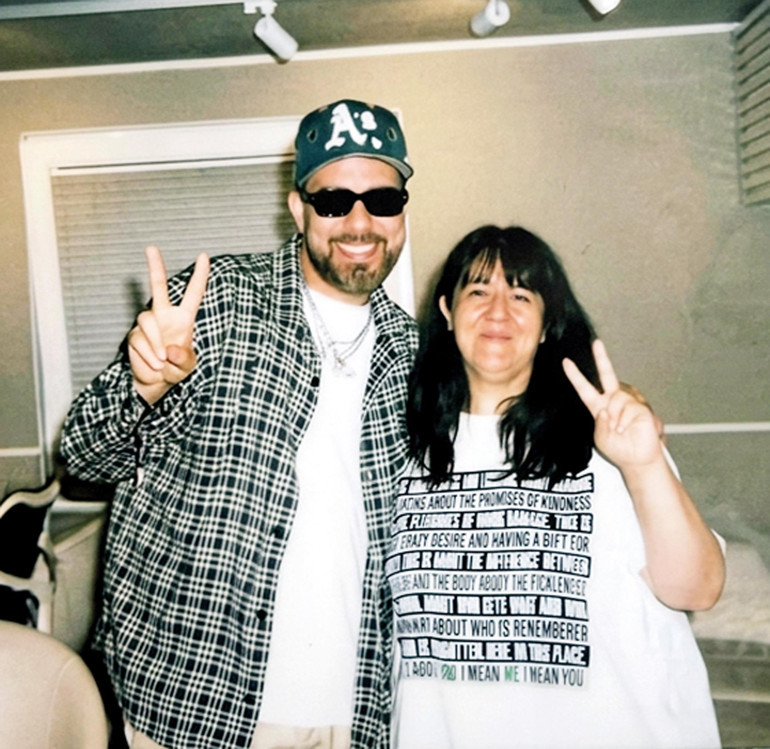
The chains around my neck carry their names because, no matter what professional heights I reach, my children remain my absolute central point. I endured intense adversity during my youth, including long stretches without family support. Ensuring that my children never have to experience that kind of abandonment is the single most important priority of my life.
‘Dua Was Able to Stay With Us for Only 15 Minutes’
Reflecting on your second daughter, Dua, was your eldest daughter Doğa able to spend any moments with her sister?
Our daughter Dua was able to stay with us for only 15 minutes before passing away. Doğa was three years old at the time. Throughout the pregnancy, Doğa was deeply engaged; she would gently lean against her mother’s stomach and say, "I am waiting for you impatiently." She was an active participant in the anticipation of welcoming a sibling.
When the tragedy occurred, we felt it was essential to include Doğa in our grief so that she could process the reality of the situation rather than be shielded by silence. We brought Dua’s body home first so our family could be together. We gently explained to Doğa that her baby sister had fallen asleep and would remain asleep.
Even now, Doğa sometimes cries and tells me, "I miss Dua." Whenever she looks up and sees the moon in the sky, she will say, "Look, Daddy, Dua is right there." My daughter arrived into our lives as pure love and radiant light, and that is how she departed. Within the walls of our home, her memory will always remain just as luminous.
Navigating the reality of death remains one of the heaviest burdens anyone can endure…
Six months before my first daughter was born, my best friend was murdered. In a strange twist of fate, my daughter was born in the exact same hospital where we had rushed him after the attack.
Moments like that teach you a hard truth: the second you feel that everything in your life is proceeding smoothly, you have to be conscious that a severe blow can strike from another direction. Yet, you cannot allow yourself to become entirely consumed by fear either. If you spend your life anticipating disaster, you inadvertently block the blessings waiting in front of you.
Life moves forward through an unavoidable balance of gains and losses. Experiencing triumph is part of the journey, but learning how to swallow, accept, and live with devastating losses remains the most difficult challenge of all.