ANKARA — In a significant move aimed at institutionalizing social cohesion and legislative oversight, the Speaker of the Grand National Assembly of Turkey (TBMM), Numan Kurtulmuş, has officially commenced a series of critical diplomatic contacts within the parliament. These meetings are centered on the formation of a specialized "Monitoring Commission," a body mandated by the recently enacted "Law on Strengthening National Solidarity and Social Integration." The Speaker’s initiative marks a pivotal step in the implementation of legislation designed to bolster domestic unity and provide a transparent framework for evaluating progress on national integration efforts.
The legislative groundwork for this development was laid earlier this year, just before the parliament entered its summer recess. On August 10, the TBMM passed the "Law on Strengthening National Solidarity and Social Integration," a comprehensive legal framework aimed at addressing various facets of social harmony and national resilience. Central to the execution of this law is Article 7, Paragraph 5, which explicitly requires the establishment of a Monitoring Commission under the auspices of the TBMM. As the parliament reconvenes and shifts its focus toward the practical application of this law, Speaker Kurtulmuş has taken the lead in ensuring that the commission is formed through a process of broad political consensus.
Strategic Engagements with the DEM Party Leadership
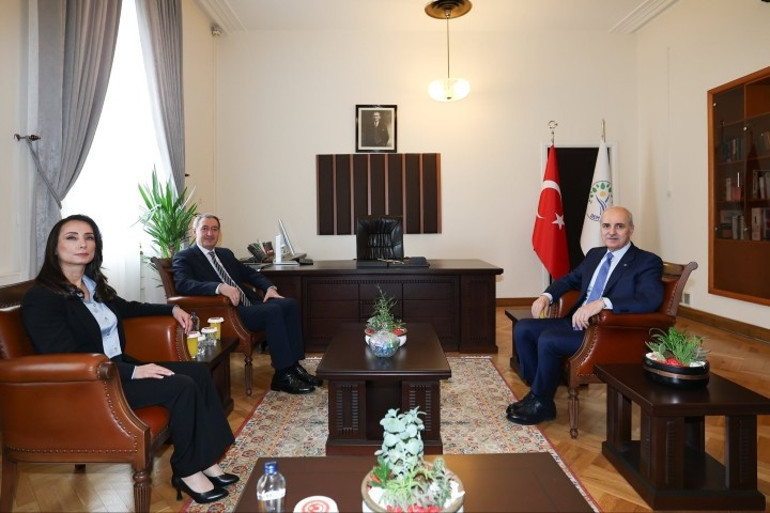
The first leg of Speaker Kurtulmuş’s consultative journey took place at the parliamentary offices of the Peoples’ Equality and Democracy (DEM) Party. In a gesture reflecting the formal protocol of the assembly, DEM Party Co-Chairs Tülay Hatimoğulları and Tuncer Bakırhan received the Speaker at the entrance of their party’s headquarters within the TBMM complex. The meeting, which was held behind closed doors, lasted approximately 45 minutes, signaling a substantive exchange of views regarding the proposed structure of the new commission.
During this session, the Speaker reportedly sought the DEM Party’s perspectives on the technical and political composition of the Monitoring Commission. As a significant opposition bloc, the DEM Party’s input is seen as vital for the commission’s perceived legitimacy and its ability to function as a truly representative body. The discussions focused on the criteria for membership, the scope of the commission’s investigative powers, and the frequency with which it will report its findings to the general assembly. While the specifics of the DEM Party’s proposals remain confidential, the duration and high-level nature of the meeting underscore the Speaker’s commitment to including diverse political voices in the foundational stages of this new parliamentary mechanism.

Consultations with the AK Party Parliamentary Group
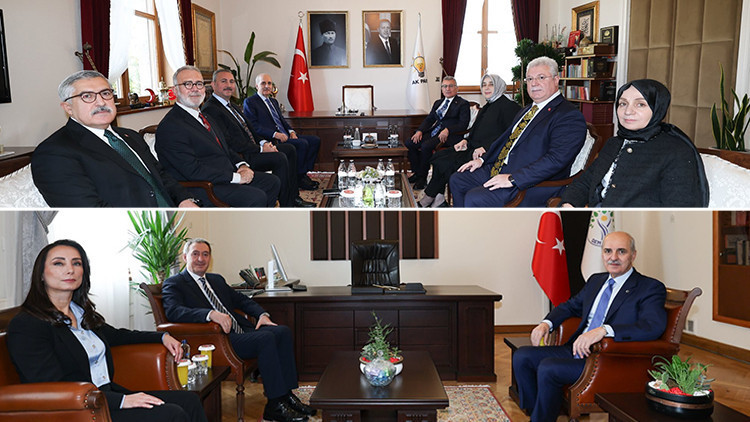
Immediately following his engagement with the DEM Party, Speaker Kurtulmuş proceeded to meet with the leadership of the Justice and Development (AK) Party. This second meeting was equally high-profile, involving a broad spectrum of the governing party’s parliamentary management. The Speaker was welcomed by AK Party Group Chairman Abdullah Güler, alongside a prominent delegation of Group Deputy Chairmen, including Abdulhamit Gül, Özlem Zengin, Leyla Şahin Usta, Muhammet Emin Akbaşoğlu, and Bahadır Yenişehirlioğlu. Also in attendance was AK Party Deputy Chairman Hüseyin Yayman.
This session, which lasted roughly 40 minutes and was also closed to the press, focused on the governing party’s vision for the Monitoring Commission. Given the AK Party’s central role in drafting and passing the parent legislation in August, their input regarding the operational mechanics of the commission is considered foundational. The discussions delved into the practicalities of how the commission will interface with government ministries and state institutions to monitor the implementation of social integration policies. At the conclusion of the meeting, the AK Party leadership escorted Speaker Kurtulmuş to the exit, maintaining the formal atmosphere of mutual cooperation that characterized the day’s proceedings.

The Legislative Mandate: Article 7 and the Path to Implementation
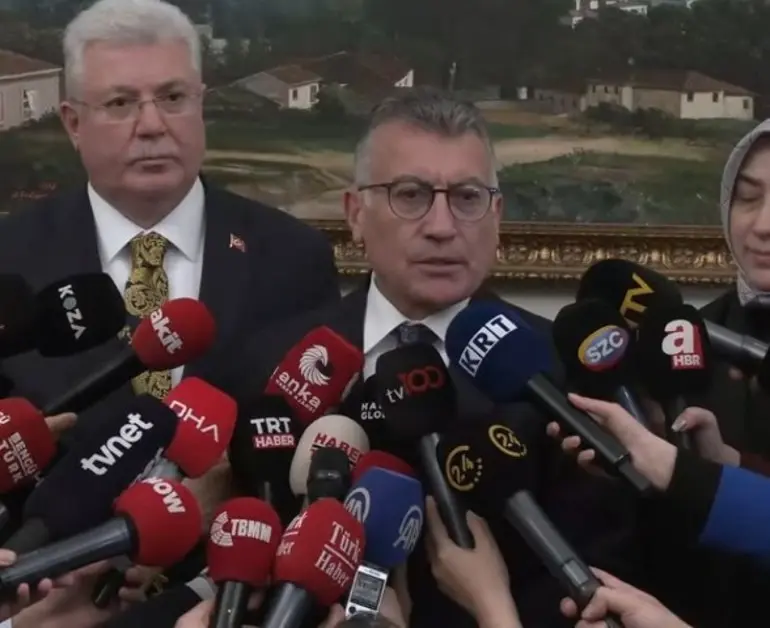
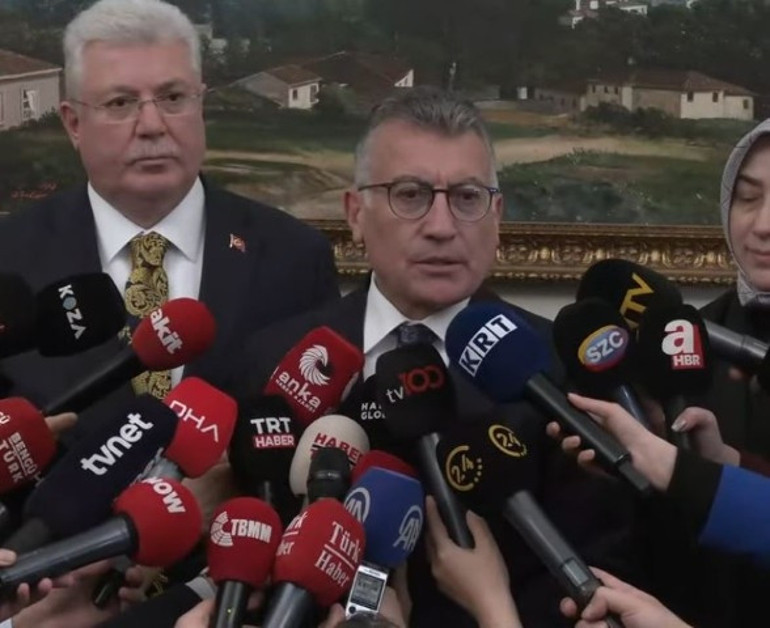
Following the conclusion of these high-stakes meetings, AK Party Group Chairman Abdullah Güler addressed members of the press to provide clarity on the objectives of the Speaker’s visits and the legal necessity of the Monitoring Commission. Güler reminded the public of the legislative timeline, noting that the "Law on Strengthening National Solidarity and Social Integration" was a priority item that saw passage on August 10, prior to the parliamentary break.
"As you are aware, the TBMM enacted this vital piece of legislation to reinforce our national fabric," Güler stated. "Article 7, Paragraph 5 of that law specifically mandates the creation of a Monitoring Commission within the structure of the Grand National Assembly. Our Honorable Speaker is currently visiting the various political party groups to gather their specific views, suggestions, and expectations regarding how this body should be constituted."

Güler emphasized that the consultations are not merely a formality but a necessary step to define the "working procedures and principles" of the commission. The discussions involve determining the exact number of members that will serve on the commission, the proportional representation of different political parties, and the administrative protocols that will govern its daily operations. "We have shared our ideas regarding both the size of the commission and its functional methodology with the Speaker," Güler added. "He will continue his visits with other party groups and, upon completing this round of consultations, will provide a comprehensive briefing to the public regarding the final structure of the commission."
Defining the Scope of the Monitoring Commission
The proposed "Monitoring Commission for Strengthening National Solidarity and Social Integration" is expected to serve as a bridge between the legislative branch and the executive’s social policy initiatives. Unlike standing committees that focus on specific sectors like health or education, this commission is envisioned as a cross-cutting oversight body. Its primary role will be to track the effectiveness of programs designed to reduce social polarization, enhance communal trust, and ensure that the benefits of national development are equitably distributed across all segments of society.
The nomenclature of the commission is also a point of significance. Güler confirmed that the body would carry the full title of the law it is designed to oversee, emphasizing its specific mission. "This is the Monitoring Commission for Strengthening National Solidarity and Social Integration under the auspices of the TBMM," he clarified in response to journalists’ questions. By linking the commission directly to the name of the law, the parliament aims to maintain a clear and narrow focus on the objectives of social cohesion and national unity.
The creation of such a commission reflects a broader trend in parliamentary governance where specialized monitoring bodies are used to ensure that complex, multi-dimensional laws are not just passed, but effectively realized. In the context of Turkey’s current political landscape, the commission is seen by many as a potential platform for "Terörsüz Türkiye" (a Turkey free of terrorism)—a vision where social grievances are addressed through institutional integration and democratic participation rather than through conflict.
Next Steps in the Consultative Process
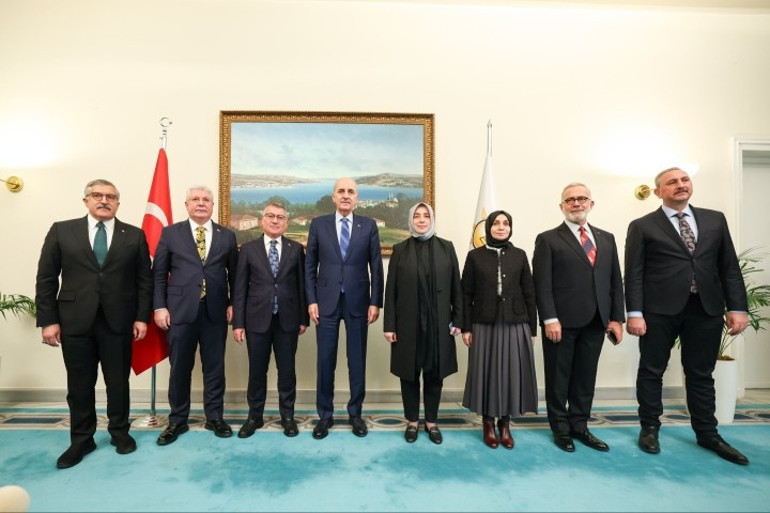
Speaker Numan Kurtulmuş is expected to continue his dialogue with other political parties represented in the TBMM in the coming days. The goal is to reach a baseline of agreement that will allow the parliament to vote on the commission’s establishment with minimal friction. Once the consultations are complete, the Speaker’s office will likely release a draft proposal detailing the commission’s bylaws, which will then be subject to the standard parliamentary approval process.
The formation of the Monitoring Commission is being watched closely by political analysts as a barometer of the parliament’s ability to foster cooperation on sensitive issues of national importance. By engaging both the governing party and the opposition early in the process, Speaker Kurtulmuş is attempting to build a framework that transcends partisan divides.
As the TBMM moves forward with this initiative, the focus will remain on the balance of power within the commission and its ability to act as an objective evaluator of social integration. For the AK Party, the commission represents the fulfillment of a legislative promise made in the summer. For the opposition, it offers a new venue to influence social policy and exercise oversight. For the Turkish public, it stands as a potential institutional safeguard for the country’s collective stability and social peace.
The results of these diplomatic efforts and the eventual announcement by Speaker Kurtulmuş will determine the trajectory of the "National Solidarity" law’s implementation, marking a new chapter in the TBMM’s role as the guardian of social and political integration in the country.