International Observance Marks the Anniversary of the Landmark 1989 UN Convention on the Rights of the Child, Emphasizing Education, Health, and Universal Protection
Every year on November 20, communities, educators, policymakers, and international institutions across the globe pause to observe World Children’s Rights Day. The annual commemoration serves as a vital international platform dedicated to raising public awareness, advocating for the fundamental freedoms of young people, and addressing the persistent challenges faced by children across diverse socio-economic landscapes. Established to draw urgent attention to the status of youth worldwide, the observance reiterates the universal principle that every child, regardless of geographical location or background, is entitled to fundamental human rights that guarantee their survival, dignity, and holistic development.
The historical cornerstone of World Children’s Rights Day is anchored in the adoption of the United Nations Convention on the Rights of the Child (UNCRC). On November 20, 1989, the United Nations General Assembly officially adopted this groundbreaking legal document, which has since become the most widely ratified international human rights treaty in history. By establishing a comprehensive legal framework for youth rights, the Convention formally recognized that individuals under the age of 18 require special care, protection, and advocacy. The document codified essential guarantees across multiple domains of human life, explicitly protecting children’s rights to life, education, health services, adequate shelter, personal protection, and overall physical, mental, and social development.
The fundamental mandate of the Convention rests on the foundational concept of non-discrimination. Under its provisions, every person under 18 years of age is defined as a child and is declared an equal holder of rights. The agreement asserts that no child should experience prejudice or differential treatment based on race, gender, language, religion, origin, status, or ability. Beyond securing physical necessities like health and housing, the landmark treaty establishes critical safeguards against harm, explicitly mandating that state parties protect children from all forms of physical and mental violence, neglect, maltreatment, abuse, and economic or social exploitation. Furthermore, the instrument introduced a progressive standard for youth empowerment by declaring that children have the right to express their views freely, requiring that their opinions be given due weight in accordance with their age and developmental maturity.
Ultimately, World Children’s Rights Day acts as a global reminder that children are not merely passive recipients of protection or future citizens in waiting; rather, they are active individuals and recognized rights-holders today. The annual observance reinforces the collective global responsibility shared by governments, civil society, educators, families, and international bodies to build a safe, healthy, and equitable world where every young person can realize their full potential.
"We Will Resolutely Continue Our Efforts": National Education Minister Reaffirms Commitment to Child Welfare
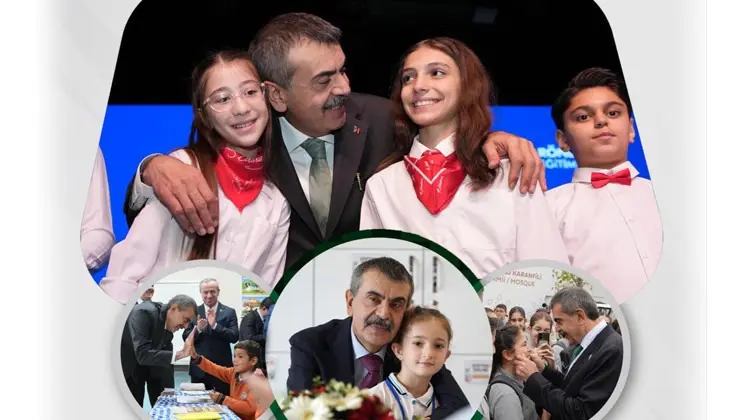
In observance of World Children’s Rights Day, official figures and educational leaders have reaffirmed their dedication to fulfilling the commitments outlined in international agreements and national charters. Among the prominent voices highlighting the occasion, Turkish Minister of National Education Yusuf Tekin released a formal statement across social media channels, underscoring the universal duty to guarantee equitable opportunities for all young people.
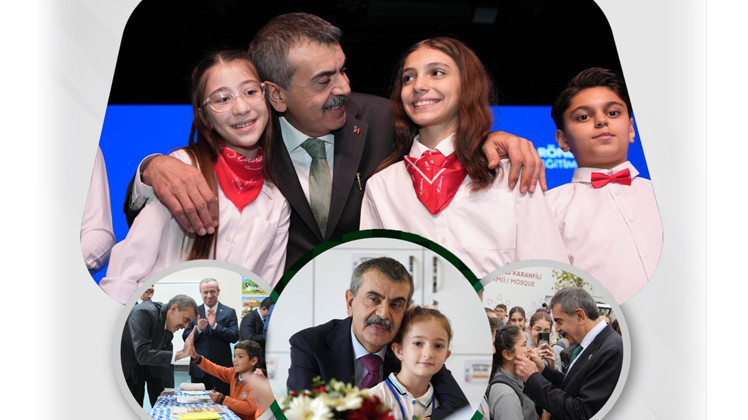
In his message, Minister Tekin drew direct attention to the shared global obligation to support children, regardless of where they reside or the circumstances into which they were born. He stressed that access to high-quality education and comprehensive healthcare services under equal conditions forms the cornerstone of any just society.
"It is our shared responsibility to ensure that every child, wherever they are in the world, benefits from education and health services under equal conditions and grows up in safety and peace," Minister Tekin stated in his official release.
Emphasizing the guiding philosophy behind Turkey’s national educational strategies, the Minister underscored the importance of a human-centered approach to governance and pedagogy. He articulated a vision of public service that views children not only as the core focus of modern educational frameworks, but also as a sacred trust held by the nation.
"With our human-centered civilization and education perspective, we will resolutely continue our efforts to prepare our children—the trust of our beloved nation—for a more prosperous tomorrow," Tekin added, highlighting the government’s ongoing determination to strengthen educational infrastructure and protect youth welfare.
Minister Tekin’s statement captures the broader spirit of World Children’s Rights Day, linking national educational strategies to universal humanitarian principles. By asserting that the nurturing of children in a peaceful and secure environment is an inescapable global responsibility, the Minister’s message reflects a growing international consensus that robust public education systems are essential to safeguarding youth rights.

A Comprehensive Framework for Youth Rights: Life, Health, Education, and Protection
The core philosophy governing World Children’s Rights Day centers on a holistic vision of child development. The 1989 United Nations Convention on the Rights of the Child established that rights cannot be compartmentalized or selectively applied; rather, physical well-being, educational access, legal protection, and social participation are deeply interconnected components of a child’s healthy growth.
At the most fundamental level, the right to life and healthy development forms the bedrock of international child advocacy. Securing this right requires that societies provide children with access to adequate nutrition, clean water, suitable housing, and comprehensive healthcare services. Without a secure and healthy environment, access to other developmental rights remains compromised. Consequently, global efforts commemorated on November 20 routinely emphasize the need to strengthen healthcare infrastructures, eradicate childhood poverty, and guarantee safe living conditions for youth across all socioeconomic backgrounds.
Education represents another primary pillar of the international framework. The right to education is recognized not merely as a mechanism for acquiring literacy and technical skills, but as an essential catalyst for personal growth, social equality, and economic mobility. International standards dictate that primary education should be free and compulsory, while secondary and higher education must be made accessible to all without discrimination. Through structured learning, children develop critical thinking skills, social awareness, and the capacity to contribute meaningfully to their communities. Educational environments also serve as protective spaces where children can form social connections, receive guidance, and access basic health and nutrition programs.
Equally vital to the mandate of the UNCRC is the complete protection of youth from harm. The text explicitly obligates governments and institutional systems to erect robust safeguards against violence, sexual or physical abuse, systemic neglect, and commercial exploitation. This protective mandate extends across both domestic and public spheres, requiring legal frameworks that penalize abuse, prevent child labor, and shelter children affected by humanitarian crises or civil instability. Protecting young people from exploitation is recognized as an indispensable prerequisite for ensuring that children can experience a peaceful childhood free from trauma.
In addition to protection and provision, modern child rights frameworks place significant emphasis on participation. Article 12 of the UNCRC established a revolutionary legal standard by asserting that children have the inherent right to participate in decisions affecting their lives. This principle requires adults, institutions, and legal bodies to listen to children and take their perspectives into account, adjusting the weight of their opinions according to their age and evolving maturity. By recognizing children’s agency, the framework ensures that young people are respected as active participants in society rather than passive subjects of governance.

Bridging the Gap: Shared Responsibility and the Path Toward Equal Opportunities
While November 20 serves as an opportunity to celebrate historical milestones in child rights, it also functions as a sobering reminder of the structural gaps that persist between global legal standards and the daily realities experienced by millions of young people. Around the world, millions of children continue to encounter severe barriers to basic rights due to poverty, conflict, displacement, educational inequity, and inadequate healthcare access. World Children’s Rights Day calls upon international entities, national governments, civil society organizations, and local communities to bridge these gaps through sustained action and policy integration.
The principle of equal opportunity, emphasized in official statements such as Minister Yusuf Tekin’s, highlights the necessity of universalizing access to essential services. Ensuring that children in underprivileged regions, rural areas, or vulnerable social circumstances receive the same quality of schooling and medical care as those in affluent environments remains one of the major policy objectives of modern educational and social welfare systems. Educational policies anchored in a human-centered civilization perspective prioritize inclusivity, seeking to dismantle economic, physical, and social barriers that hinder vulnerable youth.
Moreover, the collective nature of this responsibility means that child protection cannot be relegated solely to state authorities or formal educational institutions. Families, educators, local communities, and international bodies form a continuous support network essential for safeguarding youth. Creating environments where children grow up in safety and peace requires cooperative strategies—ranging from community-level child protection programs and school safety measures to international policy commitments and humanitarian aid initiatives.
As the international community reflects on the significance of World Children’s Rights Day, the central message remains clear: the protection and nurturing of children is both an immediate ethical imperative and a foundational investment in human civilization. By upholding the guarantees established in the 1989 Convention on the Rights of the Child and pursuing dedicated educational policies that prioritize equal access, peace, and security, societies worldwide work toward a future where every child is empowered to grow, learn, and thrive without fear or discrimination.