
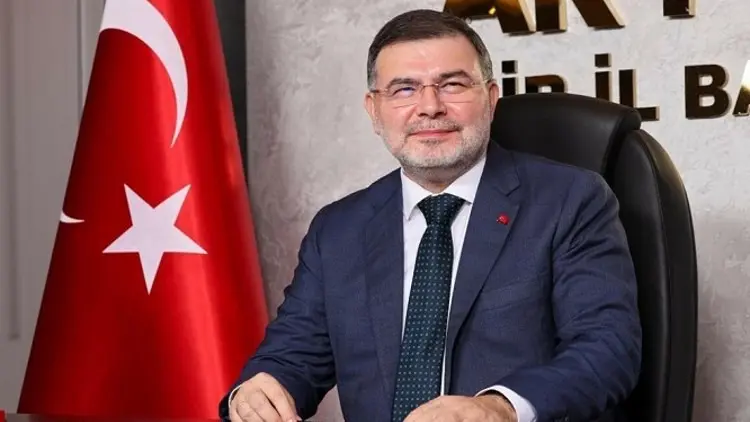
In a political landscape often characterized by sharp ideological divisions and rigorous partisan competition, a notable moment of cross-party alignment has emerged in Izmir, Turkey’s third-largest metropolis. Bilal Saygılı, the Provincial Chairman of the Justice and Development Party (AK Party) for Izmir, has publicly expressed his support for Izmir Metropolitan Municipality Mayor Cemil Tugay, a member of the Republican People’s Party (CHP). The gesture, which centers on a shared commitment to municipal service, marks a significant departure from the standard adversarial rhetoric that typically defines the relationship between the ruling national party and the local administration in the Aegean stronghold.
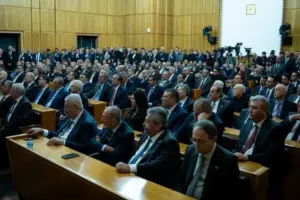
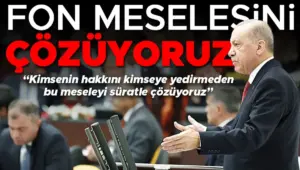
The endorsement followed a session of the Izmir Metropolitan Municipality Council, during which Mayor Cemil Tugay delivered a speech that touched upon the importance of state-local cooperation and referred to President Recep Tayyip Erdoğan in a context that emphasized the broader goals of national and regional development. The Mayor’s remarks, which were captured on video and circulated through official channels, focused on the necessity of prioritizing the needs of Izmir’s citizens above political friction.
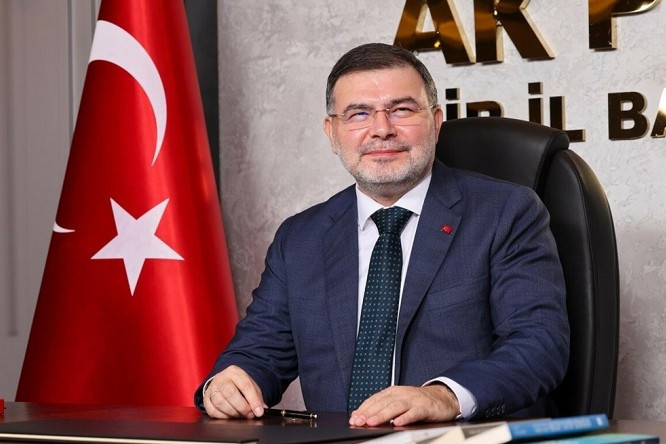
Bilal Saygılı took to his social media platforms to amplify the Mayor’s message, sharing the video of the council speech along with a statement of solidarity. "Our common denominator is service to Izmir," Saygılı wrote, echoing a sentiment that has long been a rallying cry for residents weary of political gridlock. "I find Mr. Cemil Tugay’s speech very valuable from this perspective and wish him success on the path of serving Izmir."
A Pragmatic Shift in the Political Dialogue
The public display of support from Saygılı is being viewed by political observers as a pragmatic acknowledgment of the challenges facing Izmir. As a city that has historically been a bastion for the opposition CHP, Izmir has frequently found itself at the center of debates regarding the distribution of central government resources and the speed of bureaucratic approvals for major infrastructure projects. By validating Mayor Tugay’s rhetoric, Saygılı is signaling a willingness to find common ground, suggesting that the AK Party’s local leadership is prepared to support initiatives that align with the broader interests of the city’s population.
The core of the Mayor’s speech, which earned Saygılı’s praise, revolved around the idea that governance is a multi-tiered responsibility. Tugay’s mention of President Erdoğan was interpreted not as a political pivot, but as an institutional recognition of the President’s role in the state mechanism that oversees major funding and regulatory frameworks. For a CHP mayor to speak constructively about the presidency—and for an AK Party provincial head to applaud that stance—represents a softening of the "us versus them" narrative that often paralyzes local governance.
This development comes at a time when Izmir is grappling with several high-stakes urban issues, ranging from earthquake resilience and urban transformation to the environmental restoration of the Izmir Bay. These projects often require a delicate balance of local execution and central government authorization. Saygılı’s intervention suggests that when the local administration adopts a tone of cooperation rather than confrontation, the path toward securing national support may become smoother.
The Significance of the "Common Denominator"
The phrase "common denominator," as used by Bilal Saygılı, serves as a powerful rhetorical tool in Turkish local politics. It implies that while the AK Party and the CHP may disagree on national policy, social issues, or economic philosophy, the physical and social health of the city of Izmir should remain a neutral zone. This "service-first" philosophy is often what voters demand, yet it is frequently sidelined by the pressures of national election cycles.
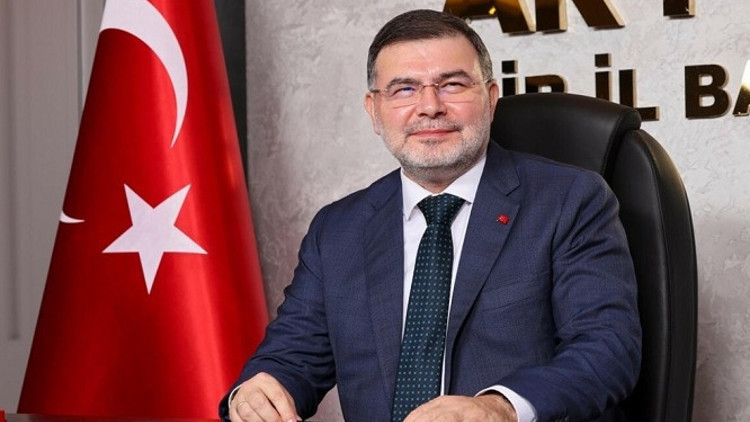
By highlighting Tugay’s speech, Saygılı is effectively setting a standard for political discourse in the city council. It suggests that the AK Party’s opposition in the council will not be purely obstructionist but will instead be measured against the metric of "service." This approach places the onus on the Metropolitan Municipality to deliver on its promises, while also putting the central government’s local representatives in a position to act as facilitators for the city’s progress.
The video shared by Saygılı featured segments where Mayor Tugay emphasized that the development of Izmir is a task that transcends the duration of a single mayoral term or the lifespan of a specific political coalition. The Mayor’s call for a unified front in addressing the city’s chronic infrastructure needs appears to have resonated with Saygılı, who has been a vocal advocate for increasing the AK Party’s footprint in the region through constructive engagement rather than purely critical opposition.
Background and Context of the Leadership
Bilal Saygılı, an influential figure within the AK Party’s regional structure, has been tasked with expanding the party’s appeal in a city where it has struggled to clinch the metropolitan mayoralty despite significant investments in the province. His leadership style has often focused on highlighting the discrepancy between the city’s potential and its current state of infrastructure, often blaming the long-standing CHP administration for delays. However, his recent comments suggest a more nuanced strategy: supporting the Mayor when his goals align with the AK Party’s vision of a "Greater Turkey" and a modernized Izmir.
On the other side of the aisle, Mayor Cemil Tugay, who assumed office with a mandate to modernize the city’s aging systems, has been navigating the complexities of leading a major city during a period of economic volatility. Tugay has repeatedly stated that he is open to working with all state institutions to ensure that Izmir receives its fair share of the national budget. His willingness to acknowledge the role of the President and the central government is seen as a tactical move to unlock stalled projects, such as new metro lines and wastewater treatment upgrades.

The interaction between Saygılı and Tugay is also a reflection of the evolving nature of social media in Turkish politics. By choosing to share the Mayor’s speech on his personal account, Saygılı bypassed traditional media filters, speaking directly to his constituents and the broader public. This digital diplomacy allows for a more immediate and transparent form of political communication, where a gesture of goodwill can quickly shift the public mood and set the tone for the upcoming legislative sessions.
Implications for Future Cooperation
The positive reinforcement from the AK Party’s provincial leadership could have tangible impacts on the Izmir Metropolitan Municipality Council’s upcoming sessions. Typically, these meetings are the site of heated debates over budgets, zoning changes, and municipal appointments. If the spirit of "service to Izmir" prevails, the council may see more bipartisan support for critical projects that have previously been caught in the crossfire of party politics.
One of the most pressing issues for Izmir is the "Körfez" (the Gulf of Izmir) cleaning project. This massive environmental undertaking requires significant technical expertise and financial backing, much of which involves coordination with the Ministry of Environment, Urbanization, and Climate Change. A cooperative relationship between the Mayor’s office and the AK Party’s provincial leadership could prove instrumental in streamlining the communication between the city and the ministry.
Furthermore, the issue of urban transformation—upgrading the city’s housing stock to withstand potential seismic events—remains a top priority for residents. Both the AK Party and the CHP agree on the urgency of this task, though they often differ on the methods of implementation. Saygılı’s recent comments provide a glimmer of hope that a unified strategy for earthquake preparedness might be possible, prioritizing the safety of Izmir’s five million residents over political point-scoring.

A New Chapter in Izmir’s Governance?
While it remains to be seen whether this moment of solidarity will lead to a long-term partnership, the immediate effect has been a palpable reduction in political tension within the city. The recognition of a "common denominator" by Bilal Saygılı acknowledges that the success of the Mayor in serving the city is, in many ways, a success for the city as a whole—a sentiment that the AK Party, as an aspirant to lead the city in the future, cannot afford to ignore.
Mayor Cemil Tugay’s inclusive rhetoric, which paved the way for this endorsement, demonstrates a sophisticated understanding of the current political climate. By framing his goals in terms of national progress and institutional respect, he has made it difficult for his opponents to criticize his intentions without appearing to oppose the city’s best interests.
As Izmir moves forward, the dialogue between Bilal Saygılı and Cemil Tugay will likely be watched closely by other metropolitan areas in Turkey. It serves as a test case for whether local leaders can successfully decouple municipal service from national ideological battles. For now, the message from both sides of the aisle is clear: the path to a better Izmir is paved with cooperation, and the "common denominator" of service is the most effective vehicle for progress.
The supportive stance taken by Saygılı concludes a week of intense political discussion in the city, providing a rare sense of optimism. As the Metropolitan Municipality continues its work on the 2027 budget and long-term development plans, the eyes of the public will be on the council chambers to see if this newfound spirit of collaboration will translate into the concrete improvements the city’s residents have long been waiting for.