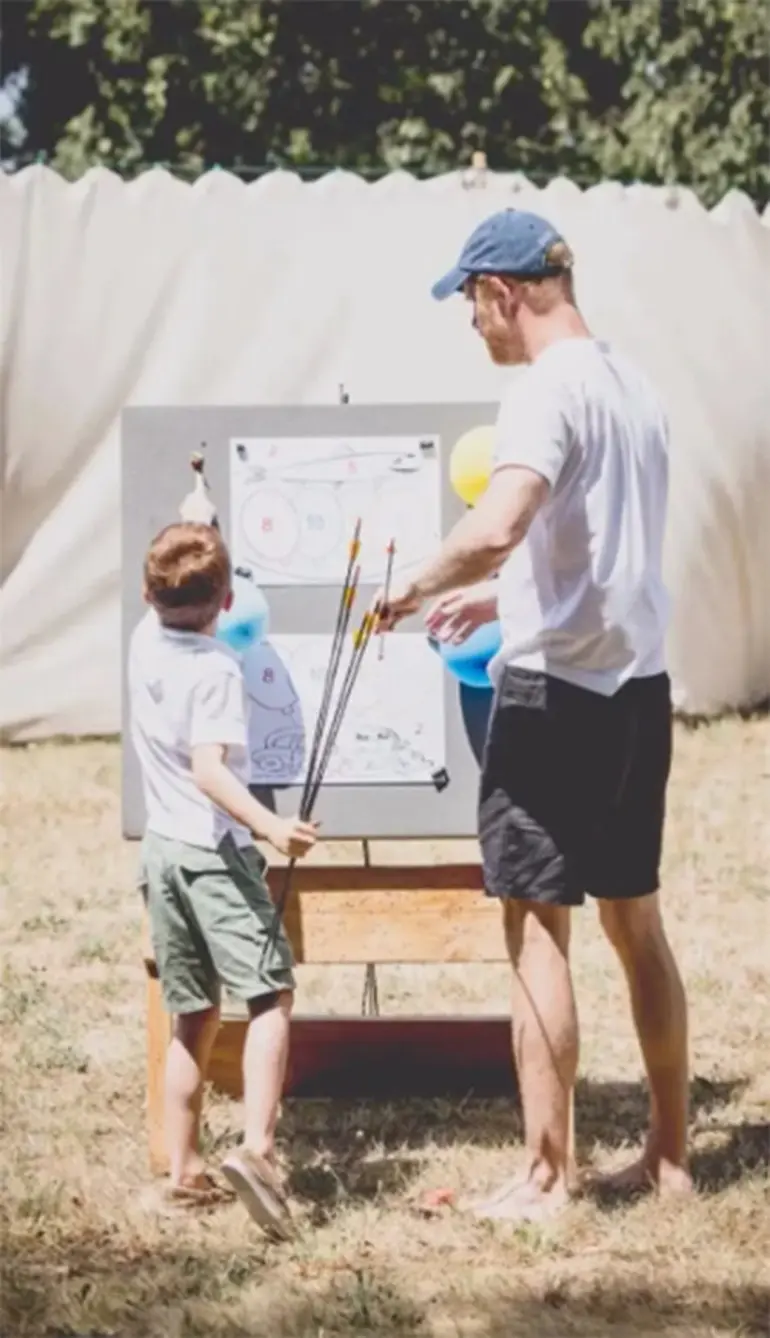
The British Royal Family has rarely known a period of prolonged tranquility, with history showing that there is almost always a source of internal friction ready to disrupt the institutional peace. In the modern era, this role has increasingly been occupied by Prince Harry and his wife, Meghan Markle, the Duke and Duchess of Sussex. Six years after their highly publicized decision to step back from active royal duties and relocate to the United States, the couple’s recent return to the United Kingdom has once again ignited a storm of media attention and familial discord. This time, however, the focus has shifted to their young children, Prince Archie and Princess Lilibet, whose sudden school transfer has sparked fresh security debates and reportedly prompted Prince William to permanently sever ties with his younger brother.
The return of the Sussexes to British soil was always bound to be a highly scrutinized event. However, few anticipated that their presence would so quickly generate a new round of logistical and emotional complications for the monarchy. As the dust settles on their transition back to the UK, the focus has moved from the couple themselves to the youngest members of their family, highlighting the deep-seated tensions that continue to divide the House of Windsor.
An Endless Cycle of Complications
For years, the relationship between the Sussexes and the rest of the royal family has been characterized by a series of public disputes, tell-all interviews, and legal battles. The initial shock of their departure in 2020, often referred to as "Megxit," was supposed to grant the couple the privacy and independence they desired in California. Yet, their return to the UK has demonstrated that escaping the gravitational pull of royal drama is far more difficult than anticipated.
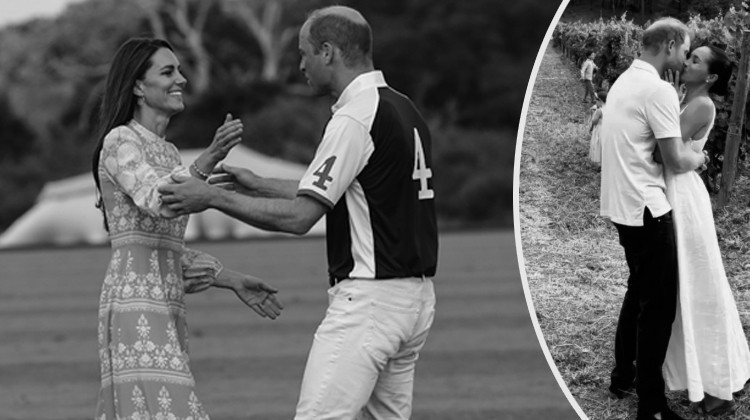
Rather than a quiet reintegration or a low-profile visit, the move has reawakened old grievances. King Charles III and his heir, Prince William, now find themselves navigating a familiar landscape of media speculation and public distraction. The core of the issue remains the same: the Sussexes’ ability to dominate the public narrative, often at the expense of the working royals who carry out the daily duties of the state.
This latest chapter of unrest is particularly challenging because it involves the next generation. While previous disputes centered on adult grievances, memoirs, and televised interviews, the current controversy directly involves Archie, aged seven, and Lilibet, aged five. The involvement of the children has raised the stakes, making the situation even more delicate for a family already strained to its limits.
Archie and Lilibet Take Center Stage
The primary catalyst for the current media storm is the sudden change in schooling for the Sussex children. Upon their arrival in the UK, Harry and Meghan enrolled Archie and Lilibet in a local school, intending to establish a routine for their family. However, this plan lasted only a single day. On their second day, the children were abruptly withdrawn and transferred to a different institution.

The reason behind this rapid decision was a perceived security vulnerability. During the children’s commute to school, their convoy became caught in heavy, congested traffic. For a family highly sensitive to security risks, this delay was deemed an unacceptable hazard. The fear of being trapped in public view without the ability to move quickly prompted an immediate reassessment of their daily logistics, leading to the swift school change.
While the safety of young children is a universal concern, the public nature of this decision immediately drew widespread attention. In the eyes of the British public and the media, the incident became another dramatic episode in the ongoing saga of the Sussex family, overshadowing other significant royal milestones and drawing criticism from those who view the couple’s security demands as excessive.
The Security Concerns Behind the School Transfer
The decision to pull Archie and Lilibet from their school after just one day underscores the intense anxiety surrounding the family’s safety. For Harry and Meghan, the issue of security has been a battleground ever since they stepped down as working royals. Having lost their automatic entitlement to taxpayer-funded police protection, the couple has repeatedly expressed concerns about their vulnerability in the UK.

The traffic incident during the school run highlighted the practical difficulties of navigating daily life without official royal security protocols. In heavy traffic, a high-profile vehicle carrying the grandchildren of the King becomes a static target for paparazzi and onlookers. For the Sussexes, this was not merely an inconvenience but a genuine safety threat that required an immediate alternative.
However, the rapid school transfer has also raised questions about the long-term feasibility of their life in the UK. Without the seamless security apparatus enjoyed by working members of the royal family, every daily task—from school runs to grocery shopping—presents a complex logistical challenge. The incident has once again brought the debate over royal security back into the public eye, much to the frustration of the palace.
Prince William Reportedly Cuts Ties Completely
As the media focused on the Sussex children’s school drama, the reaction within the palace was one of profound exhaustion. According to royal commentator Kinsey Schofield, host of the Kinsey Schofield Unfiltered podcast, the latest events have driven Prince William to make a definitive decision regarding his relationship with his brother. Schofield suggests that William has reached a point where he has completely "deleted" Harry from his life.

The Prince of Wales has reportedly grown weary of the constant cycle of drama, complaints, and public relations battles that seem to follow the Sussexes wherever they go. For William, the priority has shifted entirely to protecting his own immediate family and fulfilling his responsibilities as the heir to the throne. The emotional energy required to manage the turbulent relationship with his brother is no longer something he is willing to expend.
This complete severing of ties marks a significant moment in the history of the modern royal family. Once viewed as an inseparable duo, the brothers now exist in entirely different spheres, with no communication or path to reconciliation in sight. William’s decision to distance himself entirely reflects a pragmatic approach to preserving the stability of his own household and the monarchy itself.
A Pattern of Continuous Tension
The school incident is not an isolated event but rather the latest installment in what Kinsey Schofield describes as a pattern of continuous tension. For the past several years, the royal family has attempted to move past the controversies associated with the Sussexes, hoping to refocus public attention on the institution’s charitable work and state duties. Yet, the return of Harry and Meghan has dragged these unresolved issues back to the forefront.

Schofield points out that the controversies surrounding the couple are numerous and ongoing. They range from Prince Harry’s legal challenges against the UK Home Office over his security status to King Charles’s firm public stance that the Sussexes do not hold the status of working royals. Each of these issues feeds into a larger narrative of conflict that the palace has struggled to control.
Key Milestones & Contrasts (September 2026):
┌─────────────────────────────────────────┬─────────────────────────────────────────┐
│ Prince George's Transition              │ Archie & Lilibet's Transition           │
├─────────────────────────────────────────┼─────────────────────────────────────────┤
│ • Enrolled at Eton College              │ • Abruptly withdrawn on Day 2           │
│ • Traditional royal educational path    │ • Transferred due to security fears     │
│ • Designed to provide long-term stability│ • Commute disrupted by heavy traffic    │
│ • Overshadowed by Sussex media storm    │ • High-profile focus of security debate │
└─────────────────────────────────────────┴─────────────────────────────────────────┘
For William and Kate, the constant media noise is more than just a nuisance; it is a distraction from their efforts to build a modern, stable image for the monarchy. The sudden and dramatic nature of the Sussexes’ school transfer is seen as exactly the kind of unnecessary crisis that keeps the royal family bogged down in personal drama rather than public service.
A Contrast in Family Priorities
The contrast between how the two branches of the family handle their children’s education could not be more striking. While the Sussexes were embroiled in their school transfer crisis, the Prince and Princess of Wales were focused on a major milestone of their own: Prince George starting his education at Eton College.
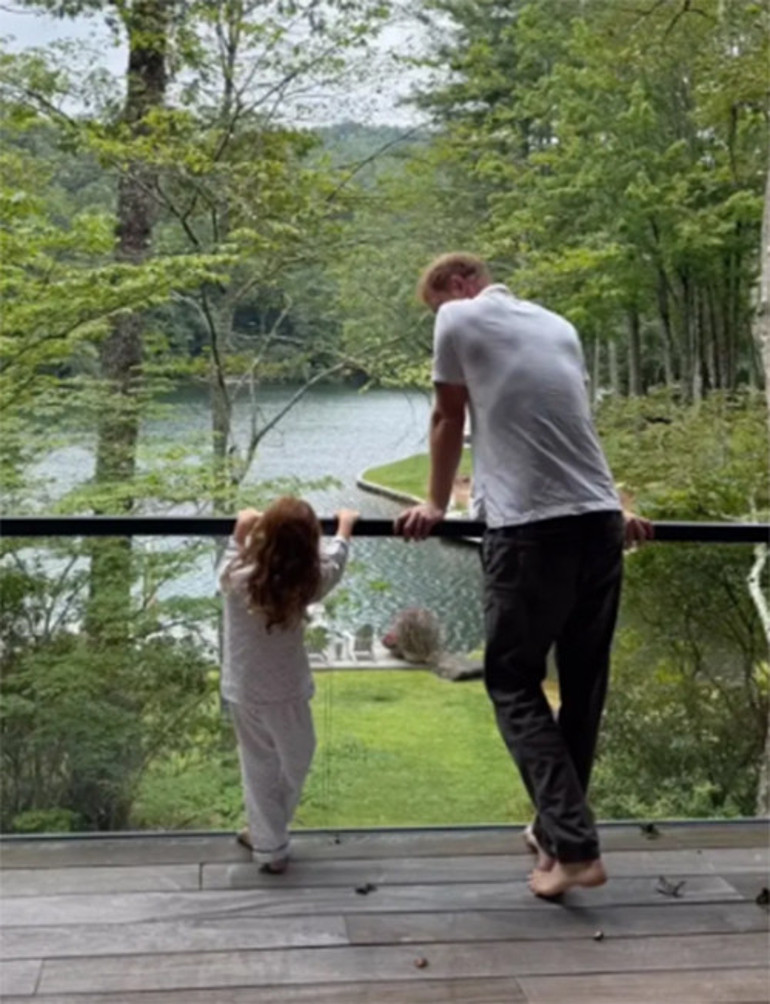
Eton, the historic boarding school attended by both Prince William and Prince Harry, represents a traditional and highly structured path for the future king. For William and Kate, enrolling George at Eton was a carefully planned decision aimed at providing their eldest son with stability, discipline, and a sense of continuity. It was a milestone that, under normal circumstances, would have been celebrated as a significant step in the young prince’s life.
Instead, the historic nature of George’s transition was largely overshadowed by the frantic headlines surrounding Archie and Lilibet. The quiet, structured preparation of the Wales family was drowned out by the chaotic narrative of the Sussexes’ security fears. This stark contrast has only deepened the divide between the brothers, highlighting their fundamentally different approaches to family life and royal duty.
Refusing to Engage in the Public Dispute
According to Schofield, Prince William has no intention of being drawn back into a public dialogue or responding to the various complaints raised by the Sussexes. The Prince of Wales has reportedly established strict boundaries, refusing to participate in a cycle of action and reaction that only serves to keep the controversy alive in the media.
"William is not interested in being pulled back into the loop of responding to every complaint or controversial move made by Harry and Meghan," Schofield observed. Instead, he is focusing his energy on his wife, Kate, and their three children, ensuring that they remain insulated from the ongoing friction.
This hands-off approach is a deliberate strategy designed to starve the controversy of the oxygen it needs to survive. By refusing to engage, William hopes to signal that his priorities lie elsewhere, and that the antics of the Sussexes no longer have the power to disrupt the core operations of the royal household.
Differing Approaches: King Charles vs. Prince William
While Prince William has taken a hardline stance, the situation is somewhat more complicated for King Charles III. The King’s relationship with his younger son is viewed through a different lens, balancing his role as the head of state with his feelings as a father.
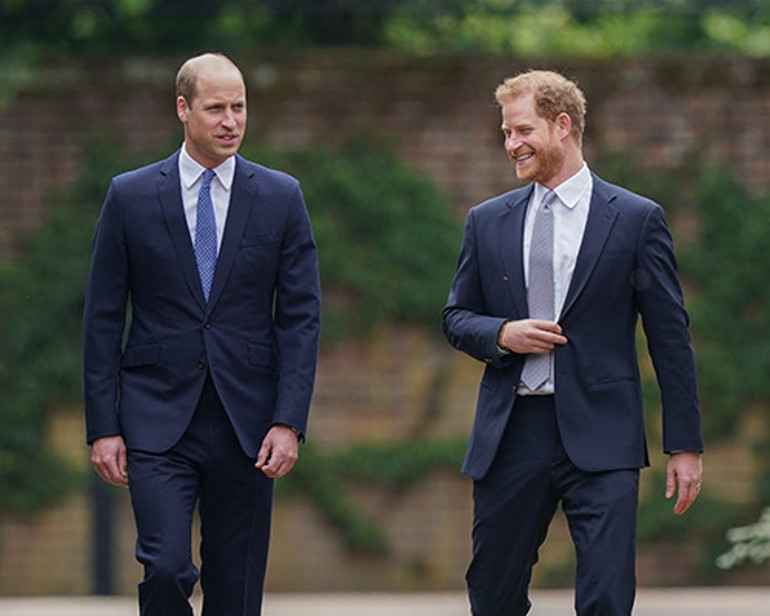
For Charles, the rift with Harry carries a profound emotional weight. Despite the public criticisms and the distance, Harry remains his son, and the King’s approach has often been described as more conciliatory, driven by a father’s natural desire for family unity. This emotional dimension makes it difficult for the King to completely shut the door on the Sussexes, even when their actions cause political and public relations difficulties for the monarchy.
Prince William, however, does not share this parental perspective. As the future king, his outlook is more rigid and practical. He views the situation through the lens of institutional survival and personal loyalty. For William, the repeated breaches of trust and the public nature of the Sussexes’ grievances have made any hope of a brotherly reconciliation impossible, leading to a much firmer and more uncompromising stance than that of his father.
The Secrecy Surrounding the Sussexes’ UK Life
Adding to the intrigue of their return is the high level of secrecy surrounding the Sussexes’ daily lives in the UK. Since their arrival in August, the couple has not disclosed their official place of residence. While they no longer have access to Frogmore Cottage, rumors suggest they have settled in the Cotswolds, an area known for its picturesque landscape and wealthy, high-profile residents.
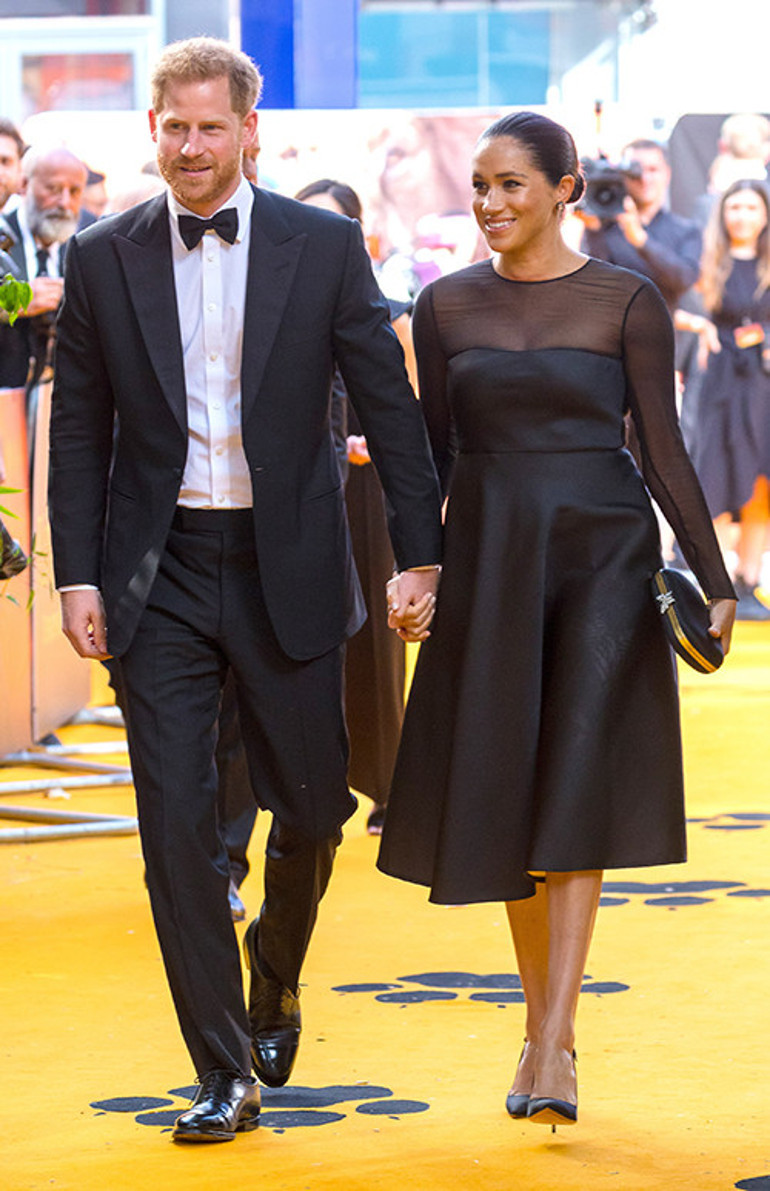
This choice of location would align with their desire for a lifestyle that combines privacy with the comforts of high society. However, the Cotswolds’ narrow roads and lack of urban security infrastructure may have contributed to the very traffic and safety concerns that disrupted their children’s school routine.
The tension between their desire for a private life and the public interest they generate remains the central paradox of the Sussexes’ existence. As long as they remain in the UK, their every move will be analyzed, and every logistical challenge will be viewed as a reflection of their complicated relationship with the British state and the royal family. With Prince William reportedly turning his back on his brother for good, the divide within the House of Windsor appears deeper and more permanent than ever before.