September 23, 2026
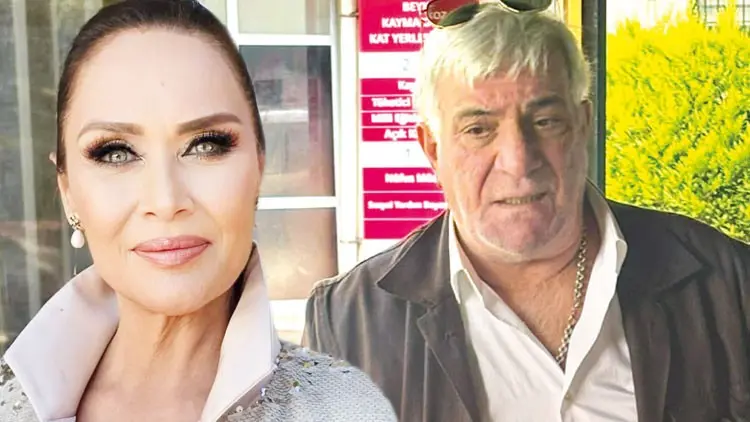
The public sphere has become the stage for a deeply serious and escalating conflict as the dispute between prominent actress Neslihan Acar and her ex-husband, actor Levent İnanır, continues to grow. The confrontation, which has captured significant attention, centers on grave allegations of domestic violence. Over the past several days, both figures have made public declarations, drawing a stark contrast between Acar’s allegations of physical abuse during their decades-long union and İnanır’s firm denials. This growing controversy has not only highlighted the personal rift between the former couple but has also triggered a broader conversation about accountability, public disclosure, and the challenges faced by individuals who choose to speak out about their experiences years after the events occurred.
The Dispute Between Actress Neslihan Acar and Her Ex-Husband Levent İnanır Escalates
At the heart of the growing dispute are the statements made by Neslihan Acar regarding the nature of her past relationship with Levent İnanır. Acar, an actress with a career spanning over four decades, recently went public with claims that she was subjected to repeated physical violence by İnanır during their 20-year relationship. According to Acar, the abuse was not an isolated incident but a recurring pattern of behavior that defined a significant portion of their time together. High-profile relationships often carry a veneer of perfection in the eyes of the public, making such revelations particularly striking when they emerge years after the fact. Acar’s decision to bring these allegations into the public domain underscores the complex emotional and psychological hurdles that survivors of domestic violence frequently navigate before openly discussing their experiences.
Following Acar’s initial public disclosures, Levent İnanır moved quickly to deny the allegations. The actor refuted the claims of physical abuse, characterizing them as unfounded and untrue. However, rather than letting the denial stand as the final word on the matter, Neslihan Acar took to her social media accounts to issue a direct and robust counter-response. In her digital statement, Acar challenged İnanır’s denial by pointing to specific events and the existence of third-party witnesses who could corroborate her claims, refusing to let her account of the relationship be dismissed.
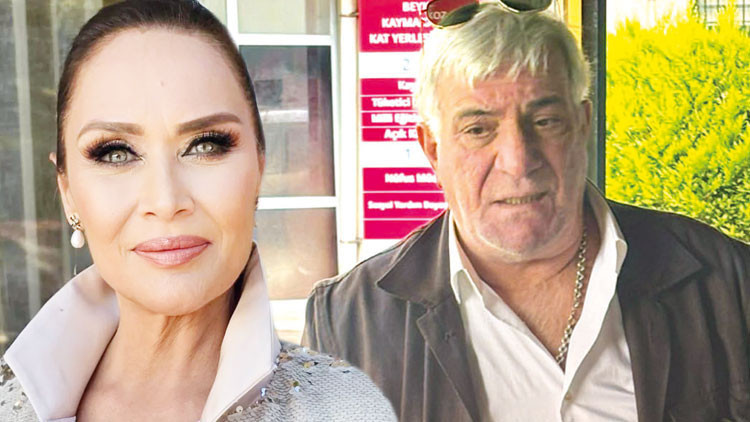
"He assaulted me 14 years ago," Acar wrote in her social media post, addressing the denial directly and establishing a specific timeline for one of the alleged incidents. "Let him deny it as much as he wants; what about all the witnesses who know about the incident? This violence happened not just once, but was experienced multiple times."
By referencing specific historical incidents, such as an assault she alleges took place approximately 14 years ago, Acar sought to ground her allegations in a concrete timeline. Furthermore, her mention of multiple witnesses serves as an appeal to external validation, suggesting that the abuse was a known reality to those within their immediate social or familial circles. This strategy of highlighting witnesses is common in public disputes where physical evidence may be difficult to produce years after the events occurred, shifting the narrative from a simple case of conflicting personal accounts to one involving a wider network of individuals who were privy to the household’s dynamics.
A significant turning point in the public discourse surrounding this dispute involves the emergence of photographic evidence. Reports had surfaced regarding messages containing photographs that documented the physical injuries Acar allegedly suffered during the relationship. These messages and photos were reportedly sent to Acar’s family at the time of the abuse. As the existence of these photographs became a topic of public interest, Acar addressed the situation, clarifying her role in their dissemination and explaining her motivations for addressing them now.
Acar emphasized that she was not the individual responsible for bringing these deeply personal and sensitive photographs to the attention of the general public. However, once the information began to circulate, she chose to confront the situation head-on rather than retreat from the spotlight. She explained that by addressing the photographs openly, she was reclaiming control over her own narrative and neutralizing the potential for blackmail or public humiliation.

"I took that trump card away from someone who wanted to shame us," Acar explained, referring to the potential exploitation of the photographic evidence. This statement highlights a common tactic in domestic abuse cases, where hostile parties may attempt to use sensitive information, private communications, or evidence of injury to manipulate or silence the victim. By publicly acknowledging the photos, Acar aimed to disarm those who might use the material to cause further distress to her or her family, turning what was intended as a tool of shame into a statement of survival.
Beyond the specific details of her own case, Acar used her platform to connect her experiences with those of other women facing similar struggles. In her statement, she expressed a sense of solidarity with the broader community of domestic violence survivors, recognizing that her public platform gives her a voice that many others do not possess.
"I know there are thousands of women experiencing this," Acar stated, framing her personal battle as part of a larger, systemic issue. She went on to assert her autonomy and defend her right to speak out without fear of retribution, stating, "No one has the right to interfere with the statements I make of my own free will through threats or pressure."
This assertion of free will is particularly resonant in the context of public disclosures of abuse, where victims often face immense pressure from family members, professional associates, and society at large to remain quiet to protect reputations. Acar’s refusal to succumb to external pressure or threats serves as a powerful statement of self-determination. She tied this resilience directly to her long-standing career in the Turkish entertainment industry, noting, "Throughout my 44-year acting career, I have spoken what I know to be true, and I will continue to do so." This appeal to her professional legacy paints a picture of an individual who views honesty and integrity as central to both her public persona and her private life.

The complexity of the allegations against İnanır extends beyond the period of their active relationship. According to Acar, the pattern of violence did not entirely cease after they separated. She alleged that she was subjected to physical abuse as recently as 2018, years after their romantic relationship had ended.
Acar stated that this 2018 incident occurred when the two met up to discuss matters concerning their daughter, Öykü. Co-parenting after a separation or divorce often requires former partners to maintain contact, creating situations where past dynamics can resurface. Acar’s claim that she was assaulted during a meeting intended to address their child’s needs highlights the ongoing risks that victims of domestic violence can face even after successfully exiting a relationship. It also underscores the long-term impact of such dynamics, showing how the responsibilities of shared parenthood can continue to bring former partners into contact and potential conflict.
As the dispute between Neslihan Acar and Levent İnanır continues to play out in the media, it serves as a stark reminder of the enduring nature of domestic violence allegations and the deep scars they leave on families. The contrasting narratives presented by the two actors—Acar’s detailed allegations of recurring abuse and İnanır’s steadfast denials—leave the public to navigate a complex and emotional dispute.
With Acar standing firm on her assertions, backed by references to witnesses, photographic messages, and a determination forged over a 44-year career, and İnanır maintaining his innocence, the conflict remains unresolved. The case continues to be watched closely by both the public and the media, reflecting the ongoing societal challenge of addressing allegations of domestic abuse within the entertainment industry and the wider community.