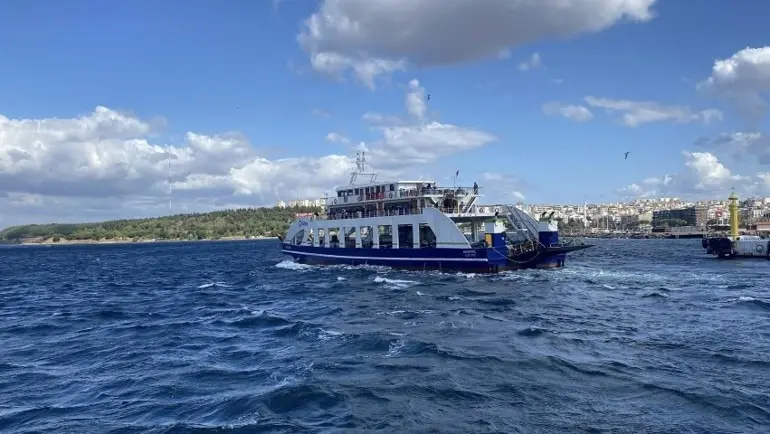
ÇANAKKALE, Turkey — Severe weather conditions and gale-force winds sweeping across the northern Aegean Sea have brought regional maritime transportation to a sudden halt, cutting off primary sea connections between mainland Turkey and two of its most prominent offshore islands.
GESTAŞ Maritime Transportation, the primary operational authority responsible for passenger and vehicle transport across the Çanakkale Strait and the surrounding island routes, announced that all scheduled ferry voyages connecting the mainland to Gökçeada and Bozcaada have been canceled for the following day due to dangerous sea conditions.
The decision was communicated following updated meteorological assessments indicating that intense wind squalls and heavy sea swells in the northern Aegean corridor would make navigation and docking hazardous for commercial car ferries and passenger vessels. As a result, travel along the key maritime corridors of Kabatepe–Gökçeada and Geyikli–Bozcaada has been entirely suspended until conditions normalize and safe passage can be guaranteed.
Gale-Force Winds Force Cancellation of All Island Ferries
The announcement from GESTAŞ comes as a direct response to deteriorating atmospheric conditions that have swept across the northwestern coastline of Turkey. According to maritime advisories, the storm system affecting the northern Aegean Sea has generated high waves and powerful wind gusts, posing significant operational challenges for vessel maneuvering, particularly during port departure and berthing procedures.
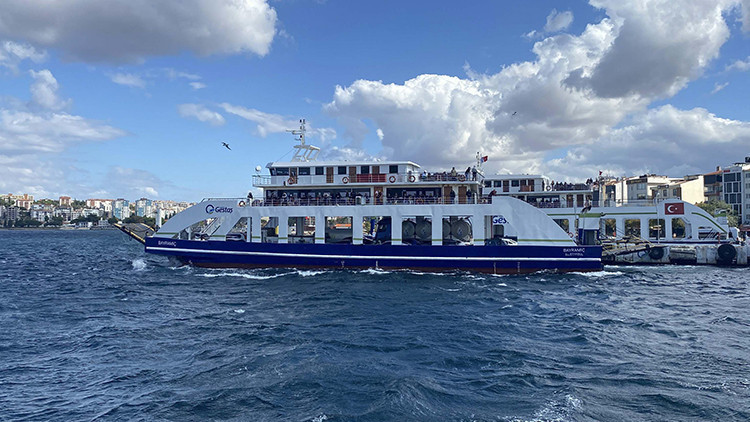
The scope of the cancellation encompasses two vital transit routes that serve as the primary lifelines for the islands:
- The Kabatepe–Gökçeada Line: Connecting the Kabatepe port on the Gallipoli (Gelibolu) Peninsula with Gökçeada, this route covers open-sea stretches that are particularly susceptible to deep sea swells generated by strong northerly and southwesterly winds.
- The Geyikli–Bozcaada Line: Connecting the coastal town of Geyikli in the Ezine district of Çanakkale to the island of Bozcaada, this route traverses a narrower maritime passage that nevertheless experiences intense current changes and violent water turbulence during severe weather events.
GESTAŞ officials confirmed that all scheduled departures along both routes for the upcoming day have been struck from the operational timetable. Vessel captains, safety officers, and regional harbor masters made the joint determination that attempting transit under the forecasted gale conditions would compromise passenger safety and vessel stability.
Regional Geography and Meteorological Dynamics
The northern Aegean Sea is historically recognized for its rapid weather shifts, particularly during the transitional autumn and winter months. The region’s coastal geography, defined by the narrow mouth of the Dardanelles (Çanakkale Strait) and nearby island landmasses, frequently acts as a natural funnel for wind systems.
When heavy pressure systems build over the Balkans or the Black Sea, strong winds—most notably the Poyraz (a cold, powerful northeasterly wind) or the Lodos (a moisture-laden southwesterly wind)—rush through the strait and spill into the Aegean. These wind patterns produce short, steep waves that create treacherous sea states for mid-sized vessels, including the
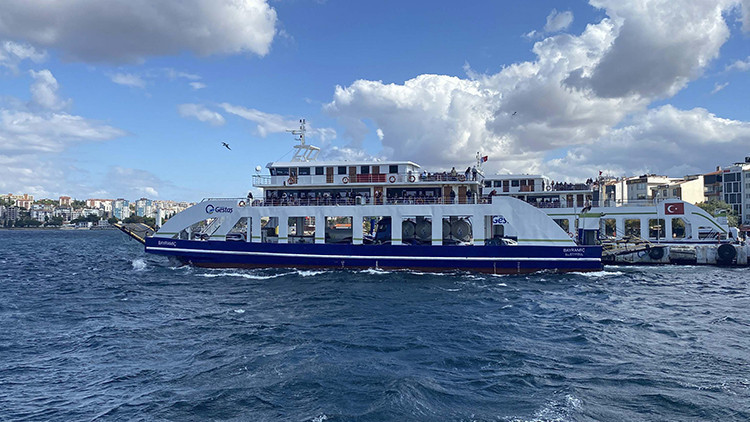
vehicle and passenger ferries operated by GESTAŞ.
Gökçeada, situated near the entrance of the Gulf of Saros, is Turkey’s largest island by land area. Its geographical exposure to open sea waters means that vessels traveling from Kabatepe must cross waters with little natural shelter against incoming wave fronts.
Bozcaada, located further south off the Ezine coast, sits closer to the mainland, yet its surrounding shallow waters and exposed harbor approaches make docking during strong squalls exceptionally hazardous. High winds can push heavy ferries off course during delicate docking maneuvers, increasing the risk of structural collision with harbor piers or run-a-ground incidents in shallow berths.
Ripple Effects on Commerce, Logistics, and Daily Life
The total suspension of ferry services inflicts an immediate operational hold on the socio-economic activities of both island communities. Because Gökçeada and Bozcaada possess no permanent physical connections to the mainland, maritime transport serves as their sole mechanism for moving people, consumer goods, vehicles, and critical commodities.

Under normal operational conditions, GESTAŞ ferries maintain a continuous daily rhythm, transporting agricultural products, construction supplies, fresh foodstuffs, commercial delivery trucks, fuel tankers, and medical transport vehicles. The temporary shutdown of these routes initiates a series of logistical adjustments across multiple sectors:
Supply Chain and Freight Movement
Commercial transport companies relying on the Geyikli and Kabatepe terminals must hold their vehicle fleets at mainland staging areas or delay shipments altogether. Perishable goods destined for island markets, restaurants, and hotels are prioritized for immediate movement as soon as service resumes, but short-term cancellations frequently cause minor distribution delays.
Local Commuters and Residents
A significant number of island residents regularly cross to the Çanakkale mainland for professional obligations, administrative business, specialized healthcare services, and education. Advance notice of ferry cancellations allows residents to reschedule non-essential appointments, though those already on the mainland face temporary displacement until vessels are cleared to sail.
Emergency Preparedness
While standard scheduled passenger and vehicle services are suspended, local emergency management protocols remain active. In cases of critical medical emergencies requiring urgent evacuation from either island to mainland hospitals, specialized emergency response services—such as sea ambulances or air medical evacuation helicopters operated by the Ministry of Health—are dispatched, weather conditions permitting.

Maritime Governance and Operational Safety in Çanakkale
Operating ferry services across the Çanakkale waterway demands continuous coordination between maritime operators, local harbor master offices, and regional coastal safety agencies. The region represents one of the world’s busiest maritime transit corridors, with international cargo ships, oil tankers, and bulk carriers navigating the narrow straits alongside regional passenger ferries.
GESTAŞ Deniz Ulaşım A.Ş., which handles public maritime transit throughout Çanakkale province, operates under strict maritime safety frameworks governed by national maritime authorities and international safety management standards. When regional weather warnings are issued by the Turkish State Meteorological Service, fleet management centers conduct real-time evaluations of wave height, wind speed vectors, and atmospheric pressure.
When wind speeds exceed operational threshold limits—typically when sustained gales reach force 6 or 7 on the Beaufort scale—maritime safety regulations dictate the mandatory suspension of roll-on/roll-off (Ro-Ro) ferry operations. The flat, broad hull designs of car ferries present high surface areas to side winds, making them particularly vulnerable to wind drift and heavy rolling motion in high seas.
By issuing cancellation notices in advance, GESTAŞ aims to minimize passenger congestion at terminal facilities in Kabatepe, Geyikli, Gökçeada, and Bozcaada, preventing long queues of vehicles from forming at port entry gates during inclement weather.

Monitoring and Service Restoration Guidance
GESTAŞ has instructed all prospective travelers, commercial transport operators, and island residents to track official communication channels for real-time updates on weather conditions and potential schedule modifications.
Travelers holding pre-booked vehicle reservations for the affected routes are being notified through automated messaging systems and online portals regarding refund procedures or rebooking options once service resumes.
Company representatives stressed that ferry schedules will be restored promptly as soon as meteorological conditions stabilize and wave heights diminish to safe operational levels. Maritime crews and vessel fleets remain on standby at designated mainland and island moorings, ready to resume cross-channel operations as soon as harbor master approvals are officially granted.
As the weather front continues to move across the northern Aegean basin, local authorities advise the public to exercise caution, avoid unnecessary trips to port terminals during peak storm hours, and stay informed through official announcements issued by GESTAŞ and provincial administrative bodies.