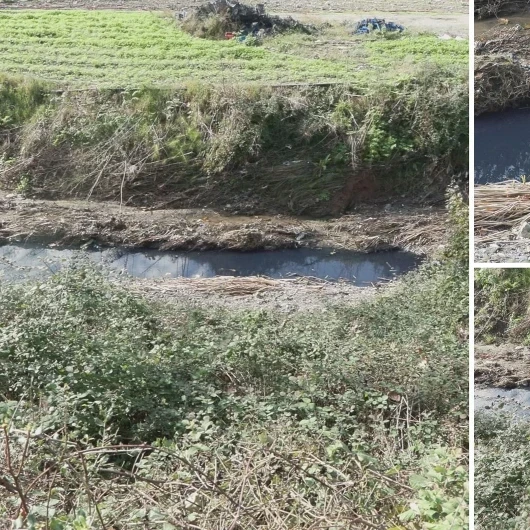
SULTANGAZI, ISTANBUL — Environmental anxiety is mounting in Istanbul’s Sultangazi district as local residents report the continuous discharge of striking, bright blue wastewater directly into the Alibeyköy Reservoir. The colored discharge, which local community members attribute to nearby textile and denim-washing workshops operating within the Habipler section of the Cebeci Neighborhood, has reignited long-standing debates regarding environmental protection, industrial oversight, and the security of Istanbul’s vital water basins.
The recurring phenomenon has left citizens living near the basin deeply unnerved. For residents who have spent their entire lives alongside the reservoir, the sight of chemically tinted water flowing into a crucial water resource is not only an aesthetic shock but a direct threat to public health, local aquatic life, and regional agricultural activities.
The Source of Concern: Industrial Activity Near a Protected Water Basin
At the heart of the controversy is the Cebeci Neighborhood’s Habipler area, a zone home to various industrial ventures, particularly textile and denim-washing facilities. According to local accounts, wastewater originating from these industrial operations routinely finds its way into drainage channels and streams that ultimately empty into the Alibeyköy Dam.
The water, distinguished by its unnatural, vibrant blue hue, has appeared periodically, signaling potential failures or inadequacies in the industrial effluent management systems of the region. Local stakeholders note that despite previous infrastructure investments—such as canals laid specifically to safeguard the protected water basin—unfiltered or improperly treated industrial byproducts continue to compromise the natural ecosystem.
Ahmet Tahiroğulları, a long-term resident of the Cebeci village area, voiced the collective frustration and worry of the local population regarding the ongoing discharges.

"We live in the Cebeci village area, and here we see blue water coming from Habipler, originating from denim-washing factories," Tahiroğulları said. "That water is flowing directly into the Alibeyköy Dam. We simply do not want that water flowing into our dam."
A Vital Water Resource for Millions
The Alibeyköy Reservoir holds immense significance beyond its immediate surroundings. As one of the critical water collection basins serving Istanbul, its ecological health directly impacts the metropolitan area’s water supply security. Beyond drinking water utility, the surrounding geography relies heavily on the watershed for agricultural irrigation, supporting local farmers and rural livelihoods within the immediate vicinity of the basin.
Furthermore, the reservoir has historically sustained a rich local ecosystem. Generations of residents have utilized the water body for recreational fishing, embedding the dam deeply into the cultural and daily fabric of the community.
"The Alibeyköy Dam is home to fish, and we have been catching fish here for years," Tahiroğulları noted, highlighting the generational bond between the residents and the natural water source. "We have been catching and consuming these fish since we were children. This water is used for Istanbul, and agricultural irrigation is carried out across the city using resources from this region. We do not want this contaminated water flowing into our dam."
Threats to Aquatic Life and Agricultural Sustainability
The implications of industrial wastewater entering a protected watershed extend far beyond visual pollution. Environmental advocates and local residents emphasize that chemical residues typical of textile and denim processing—such as synthetic dyes, bleaching agents, and heavy metals—pose severe risks to aquatic biodiversity and soil health.

The presence of such effluents threatens the survival of fish populations within the reservoir, disrupting a delicate aquatic balance that has endured for decades. For residents who still consume fish caught from the reservoir or engage in recreational activities along its banks, the uncertainty surrounding the toxicity of the water creates a persistent health hazard.
"The fish here are organisms that we have continually caught with fishing rods and eaten since our childhood," Tahiroğulları explained. "There are people who come here for picnics, and we firmly believe that this water is harmful. While İSKİ [Istanbul Water and Sewerage Administration] does intervene, these areas were designated under protection zones long ago. Because this is a water basin, drainage channels were installed previously. We expect authorities to ensure proper treatment. They need to make the necessary arrangements so that this wastewater does not reach the dam."
Calls for Enhanced Oversight and Strict Enforcement
As concern grows, local residents are intensifying their appeals to municipal authorities, environmental protection agencies, and water management administrations. While acknowledges efforts by local utility and regulatory bodies to monitor and intervene in watershed violations, the community insists that preventive measures must be decisively strengthened.
Residents argue that existing infrastructure—including channels designed to divert runoff away from the reservoir—requires rigorous auditing and upgraded filtration capabilities to neutralize industrial pollutants before they reach sensitive ecosystems. The community stresses that the protection of Istanbul’s water reserves requires zero tolerance for unauthorized or inadequately treated industrial discharges.
"Ultimately, these are our dams, there are fish here, and we have farmers and agricultural producers here who are suffering damage," Tahiroğulları added, reiterating the community’s plea for immediate state and municipal action. "We are calling on the authorities; we would greatly appreciate it if they could look into this matter and take decisive action."