The global cinematic release of Odyssey, written and directed by filmmaker Christopher Nolan, has swiftly cemented its place among the most memorable motion pictures in modern film history. Beyond breaking records at the international box office, the cinematic epic has sparked a dramatic resurgence of public interest in Homer’s 3,000-year-old literary masterpiece, classical mythology, and the historical geography of the Mediterranean basin.
Across Europe and beyond, the film’s cultural impact is being felt far outside movie theaters. Archaeological sites, classical art exhibitions, and historical museums have reported a notable rise in visitor attendance, while sales of classical literature—specifically translations of Homer’s Iliad and Odyssey—have surged. Perhaps most significantly, the film has catalyzed a renewed wave of heritage tourism, encouraging travelers to trace the legendary maritime route taken by the ancient Greek hero Odysseus.
Prof. Dr. Rüstem Aslan, Head of the Excavation Team at the Ancient City of Troy and author of the recently published book Homer for Beginners, attributes the extraordinary impact of the film adaptation to the enduring power of the original text. Aslan emphasizes that Homer’s Odyssey remains one of the most profound nautical narratives in world literature, offering timeless lessons on human nature and perseverance.

“The return of Odysseus, King of Ithaca, to his homeland following the Trojan War takes ten grueling years,” Aslan explains. “Yet this homecoming is far more than a protracted maritime voyage; it is a deeply symbolic journey that tests human intellect, courage, patience, and free will. Every island and every port that Odysseus encounters represents a distinct facet of human existence and a different stage of life. The epic of Odysseus offers a powerful narrative on how a person truly becomes human. Greed, forgetfulness, hubris, temptation, the pursuit of knowledge, and an aching longing for home form the core themes of this epic journey.”
For modern travelers inspired by the film to experience these ancient landscapes firsthand, the question arises whether Odysseus’s mythical route can still be navigated today. According to Aslan, numerous regions across the Mediterranean have been historically linked to the hero’s legendary stops. While the exact geographical coordinates of Homer’s epic remain a subject of ongoing academic debate, the physical connections between specific coastal landmarks and the text are remarkably strong, with ancient ruins and natural formations continuing to endure after centuries of environmental change.

Serda Büyükkoyuncu, travel journalist for Hürriyet Seyahat and author of Ancient Greek Mythology: The Love Lives of the Gods, notes that Nolan’s film has instilled a deep sense of wanderlust in viewers. “From the ancient ramparts of Troy to the active volcanic slopes of Sicily, from the cliffside shores of the Amalfi Coast—where the sirens were once believed to sing—to Ithaca, where Odysseus finally achieved his long-awaited homecoming, this itinerary represents perhaps the world’s oldest cultural and travel route,” says Büyükkoyuncu.
Through the combined expertise of Prof. Dr. Rüstem Aslan and Serda Büyükkoyuncu, travelers and history enthusiasts can follow the iconic Mediterranean route, exploring the history, geography, and mythological figures that define each landmark along the hero’s journey.

A Perilous Journey Formed in the Shadow of Victory: Troy and Bozcaada
Key Destinations: Ancient City of Troy, Troy Museum, Bozcaada (Tenedos), Çanakkale, Turkey
Historical and Mythological Insights:
Prof. Dr. Rüstem Aslan notes that the Ancient City of Troy, situated near Çanakkale in northwestern Turkey, stands as one of the world’s most significant archaeological sites. Visitors to the open-air site can observe multiple historical layers of Troy’s settlement history, along with its ancient defensive walls and grand city gates. Adjacent to the archaeological site, the modern Troy Museum houses an extensive collection of artifacts excavated directly from the surrounding plain.
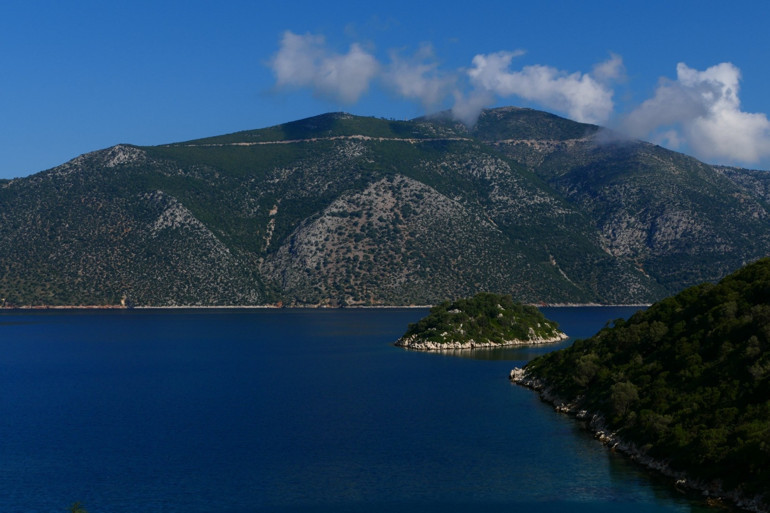
Located just off the coast near the mouth of the Dardanelles Strait lies the island of Bozcaada, historically known as Tenedos, which played a pivotal role in Trojan mythology. According to Homeric tradition, it was on the shores of Tenedos that the Greeks constructed the legendary Wooden Horse—an ingenious stratagem devised by Odysseus himself—before leaving it outside the gates of Troy. In many respects, this island marks the definitive starting point of Odysseus’s decade-long ordeal to return home.
The Traveler’s Perspective:
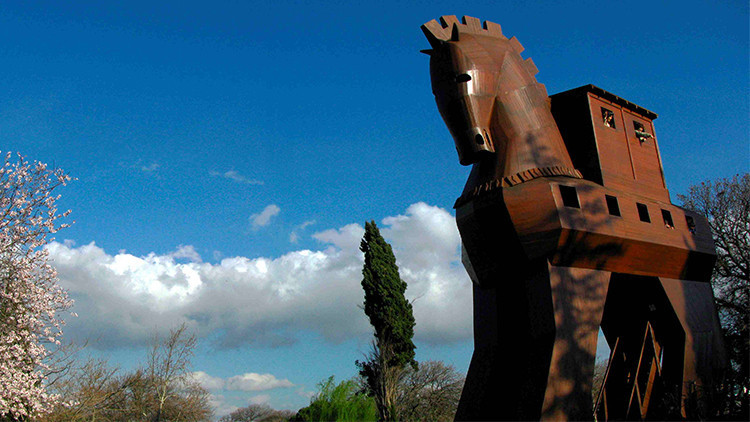
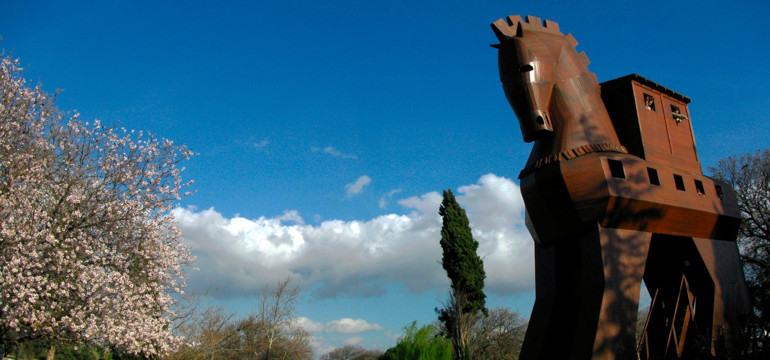
Serda Büyükkoyuncu recommends that after exploring the ancient ruins and the museum exhibits, travelers should stand on Hisarlık Hill at sunset to look out over the historical Troas Plain. Observing the strategic landscape helps visitors understand why the legendary Trojan War unfolded at this precise geographic crossroads. Visitors can also view the large wooden horse prop displayed in Çanakkale’s city center, which was originally crafted for the 2004 Hollywood film Troy.
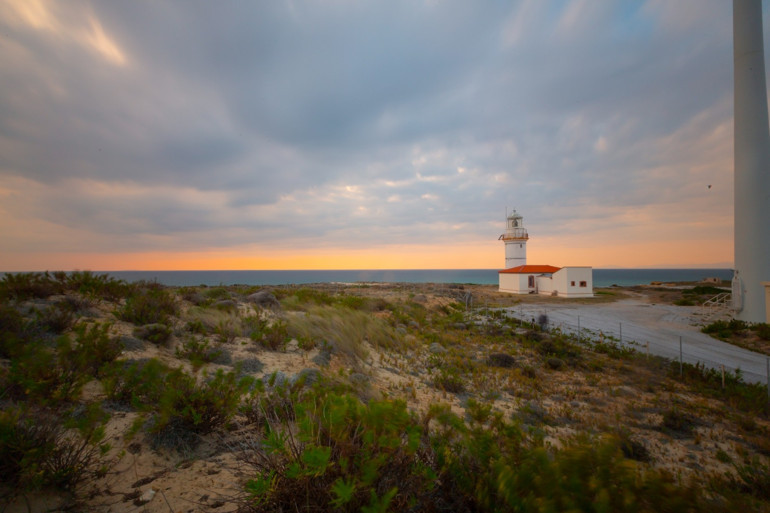
Today, Bozcaada is recognized as one of the Aegean Sea’s most picturesque islands. Essential stops include the imposing Bozcaada Castle, followed by a walk through the island’s historical Greek Quarter, characterized by narrow cobblestone streets lined with bougainvillea. At the western tip of the island, Polente Lighthouse provides an exceptional vantage point for viewing the sunset, offering visitors an opportunity to experience the very coastal winds described in Homer’s verses.
Mythological Figure of the Stop:
Poseidon: The formidable ruler of the seas, creator of violent waves, and instigator of oceanic storms. As the primary divine antagonist of Odysseus, Poseidon repeatedly manipulates the elements to thwart the hero’s return home.
A Clash of Hubris and Intellect: Taormina, Catania, and Mount Etna
Key Destinations: Taormina, Catania, and Mount Etna National Park, Sicily, Italy
Historical and Mythological Insights:
Prof. Dr. Rüstem Aslan explains that after departing the ruined city of Troy and enduring a series of devastating maritime disasters, Odysseus and his surviving crew reached the land of the Cyclopes. Venturing into the cavern of Polyphemus, a giant one-eyed shepherd, the men were trapped when Polyphemus sealed the cave entrance with a massive boulder, subsequently devouring several crew members.
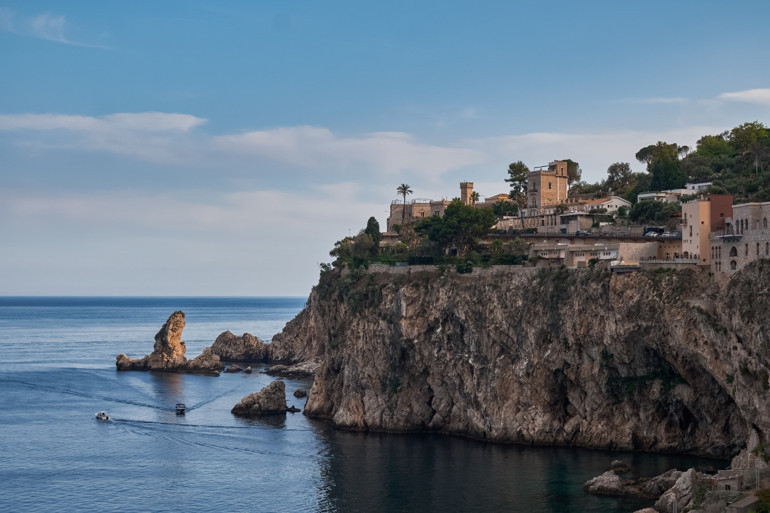
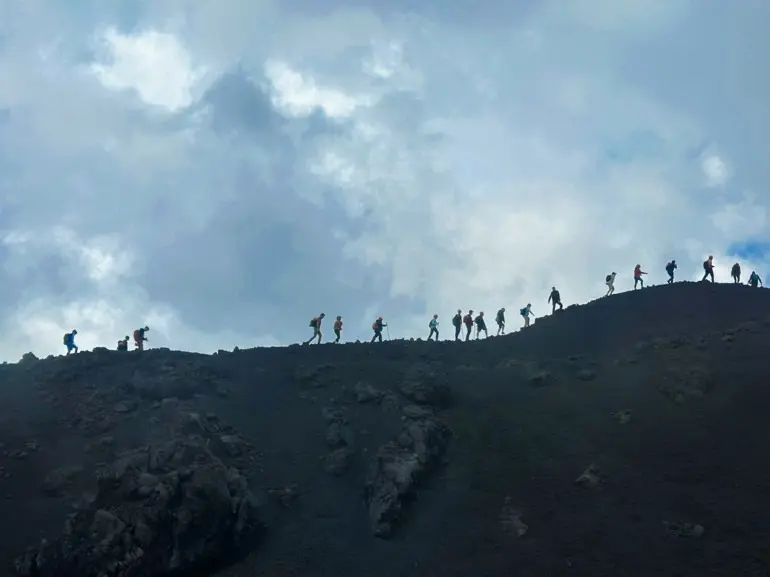
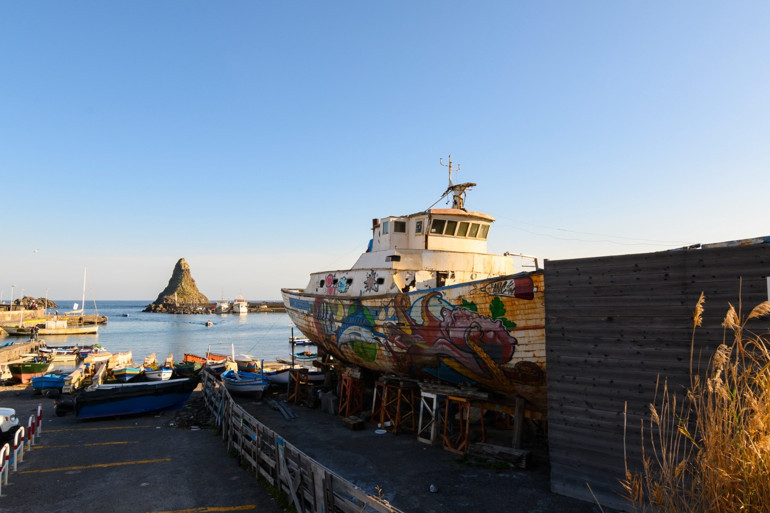
Realizing that physical force could not overcome the giant, Odysseus relied on his cunning tactics, blinding the monster and successfully orchestrating his crew’s escape. Scholars frequently correlate this mythical event with the eastern coast of Sicily around Mount Etna. The striking black basalt rock formations off the coast of Aci Trezza are locally known as the "Cyclops Rocks." Etna’s persistent plumes of volcanic smoke likely inspired ancient mariners to construct tales of mountain-dwelling giants operating beneath the earth. Today, Taormina, Catania, and Mount Etna National Park represent primary cultural destinations along this leg of the route.
The Traveler’s Perspective:
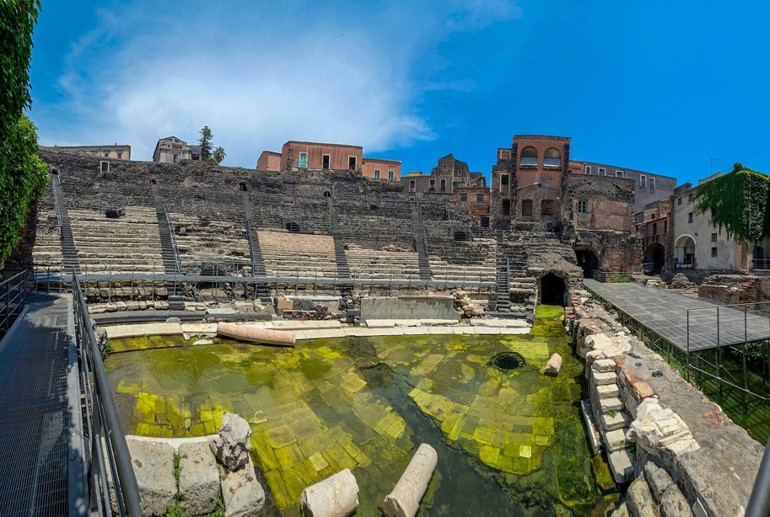
Büyükkoyuncu highlights Taormina as an essential destination for capturing the atmosphere of the epic. The town’s ancient Greek theater is widely regarded as one of the most visually dramatic amphitheaters in existence. Taormina’s main thoroughfare, Corso Umberto, offers a walk past historic palaces, open piazzas, and local cafes, while the secluded cove of Isola Bella sits just below the town center.
Situated at the foot of Mount Etna, the city of Catania carries its own distinct historical legacy. Located between the Ionian Sea and Europe’s most active volcano, Catania is recognized as a UNESCO World Heritage site. Following a catastrophic earthquake in 1693, the city was extensively rebuilt using dark volcanic lava stone, resulting in a striking black-and-white architectural identity. Visitors to Catania can explore the Piazza del Duomo, inspect the historic Elephant Fountain, and visit one of Sicily’s most vibrant traditional fish markets.
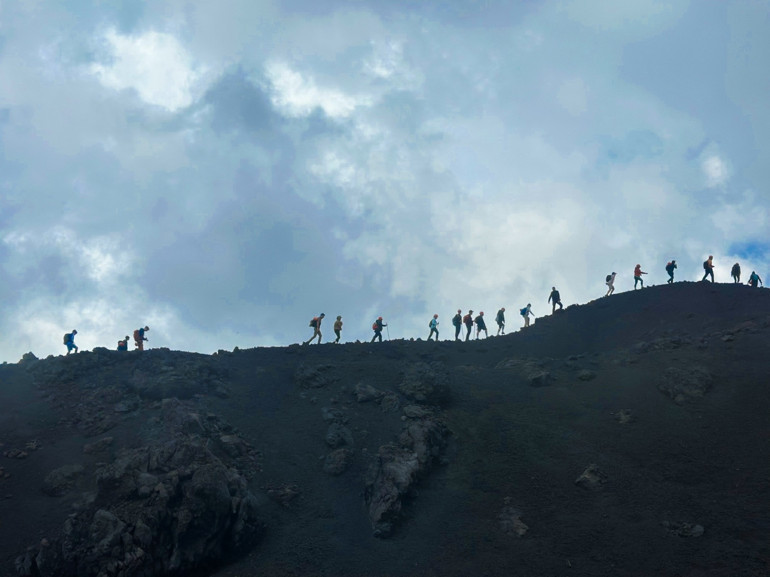
Located between Catania and Taormina, the coastal village of Aci Trezza features the famous basalt sea stacks rising from the water. For centuries, local folklore has maintained that these jagged rocks were the very stones hurled by the blinded Polyphemus at Odysseus’s retreating vessel. When volcanic conditions permit, guided excursions into Mount Etna National Park allow travelers to observe the unique geological terrain firsthand.
Mythological Figures of the Stop:
Hephaestus: The god of fire, metallurgy, and craftsmanship, whose divine forge was traditionally believed to operate beneath Mount Etna. The roar of volcanic eruptions was interpreted by ancients as the striking of his hammer against the anvil.
The Cyclopes: One-eyed subterranean giants who served as assistants within Hephaestus’s volcanic forge.
Polyphemus: A fierce Cyclops and son of Poseidon who lived a solitary shepherd’s life and harbored deep hostility toward mortal men.
Enceladus: A defeated Titan imprisoned beneath Mount Etna, whose restless movements in Greek mythology were believed to cause earthly seismic tremors.
Temptation, Sorcery, and Transformation: Cape Circeo, Messina, and the Amalfi Coast
Key Destinations: Monte Circeo, Strait of Messina, Amalfi-Capri Coastlines (Italy), and Corfu (Greece)
Historical and Mythological Insights:
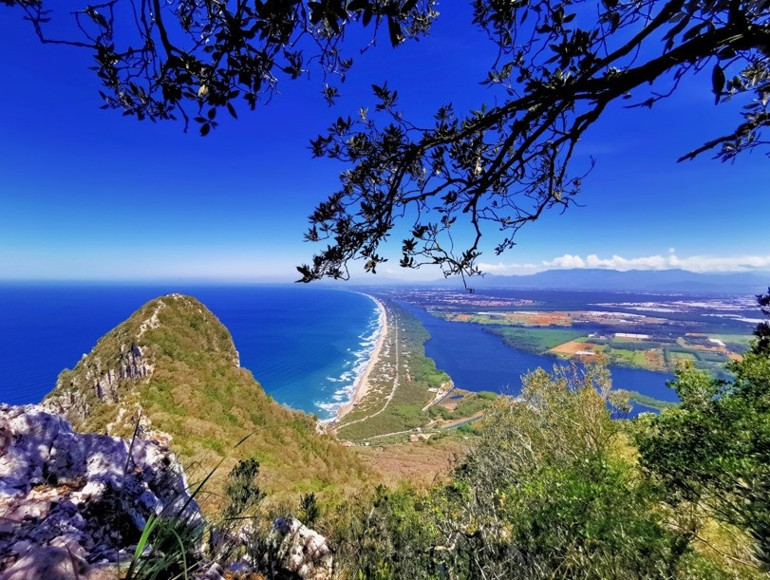
Prof. Dr. Rüstem Aslan notes that when Odysseus’s remaining fleet anchored at the enchanted island of Aeaea, the sorceress Circe lured his scouting party into her palace, serving them a potion that transformed them into swine. Only the officer Eurylochus managed to evade the trap and alert Odysseus. Arming himself with a protective herb provided by Hermes, Odysseus confronted Circe, forcing her to lift the spell and restore his men to human form. This episode marks a pivotal transition in the narrative, shifting the journey from a test of physical survival to an internal, spiritual quest. Since antiquity, Cape Circeo (Monte Circeo) on the western coast of mainland Italy has been associated with Circe’s realm.
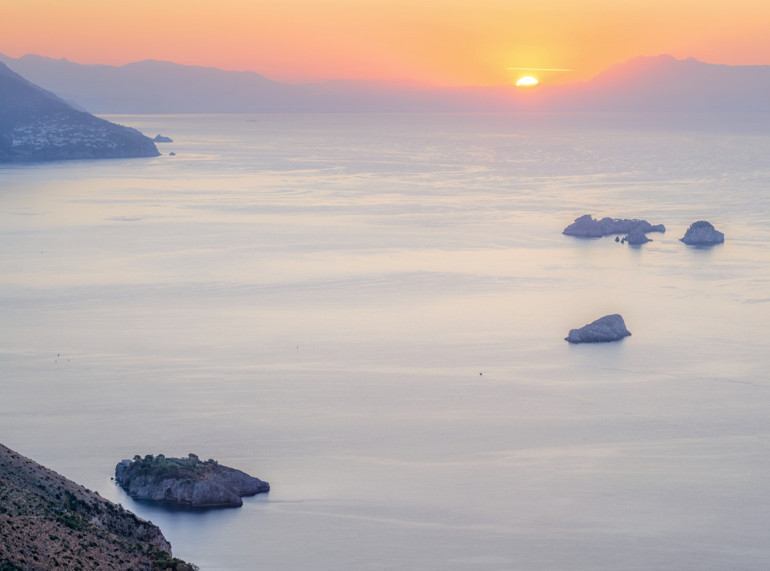
Subsequent to his encounter with Circe, Odysseus faced the dangerous ordeal of the Sirens. By plugging his crew’s ears with beeswax and binding himself securely to the ship’s mast, Odysseus listened to their seductive songs without succumbing to destruction, gaining profound knowledge while preserving his life. Shortly thereafter, the crew navigated the deadly passage between Scylla, a six-headed sea monster, and Charybdis, a catastrophic whirlpool—a harrowing trial demonstrating that leadership sometimes requires impossible choices. Researchers historically identify the home of the Sirens with the Li Galli Islands off the Amalfi Coast, while the perilous passage of Scylla and Charybdis corresponds to the narrow Strait of Messina.
The Traveler’s Perspective:
Separating the island of Sicily from the Italian mainland, the Strait of Messina narrows to a width of just three kilometers. While modern passenger ferries cross the channel in minutes, this body of water was regarded in antiquity as one of the most hazardous nautical passages in the Mediterranean. Travelers can take in panoramic views of the strait from coastal lookouts in Messina before crossing over to Reggio Calabria.
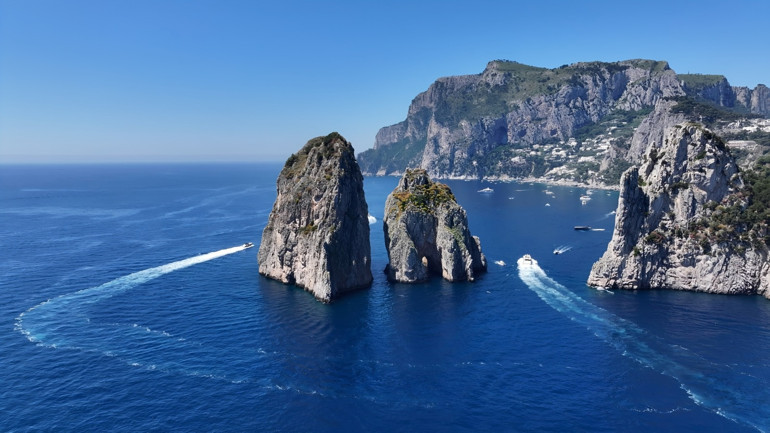
Along the Amalfi Coast, boat tours frequently take visitors past the secluded Li Galli archipelago. Positano and Amalfi offer convenient departure points for coastal excursions. On the island of Capri, prominent destinations include the Blue Grotto (Grotta Azzurra), the high vantage point of Monte Solaro, the historical Gardens of Augustus, and the bustling harbor of Marina Grande.
Additionally, many classical scholars identify Homer’s mythical island of Scheria—the final stop of Odysseus before reaching home—with the modern Greek island of Corfu. Visitors to Corfu can explore its UNESCO-listed Old Town, defined by a unique mix of Venetian, French, and British architectural influences. Nearby, the coastal coves of Paleokastritsa feature dramatic rocky shorelines where tradition holds that Odysseus was washed ashore and rescued by Princess Nausicaa.
Mythological Figures of the Stop:
Circe: The powerful goddess of magic, herbology, and transformation, widely regarded in classical literature as one of ancient mythology’s premier sorceresses.
The Sirens: Dangerous avian-human sea nymphs whose enchanting songs lured passing mariners to shipwreck upon rocky shores.
The Ultimate Homecoming: Reaching the Quiet Shores of Ithaca
Key Destination: Island of Ithaca, Greece
Historical and Mythological Insights:
Prof. Dr. Rüstem Aslan recounts that after twenty long years of absence—ten spent fighting at Troy and ten wandering foreign seas—Odysseus finally set foot upon his native soil of Ithaca. Reunited with his son Telemachus, he devised a strategy to eliminate the corrupt suitors occupying his palace, successfully reclaiming his kingdom, restoring peace, and reuniting with his loyal wife, Penelope.
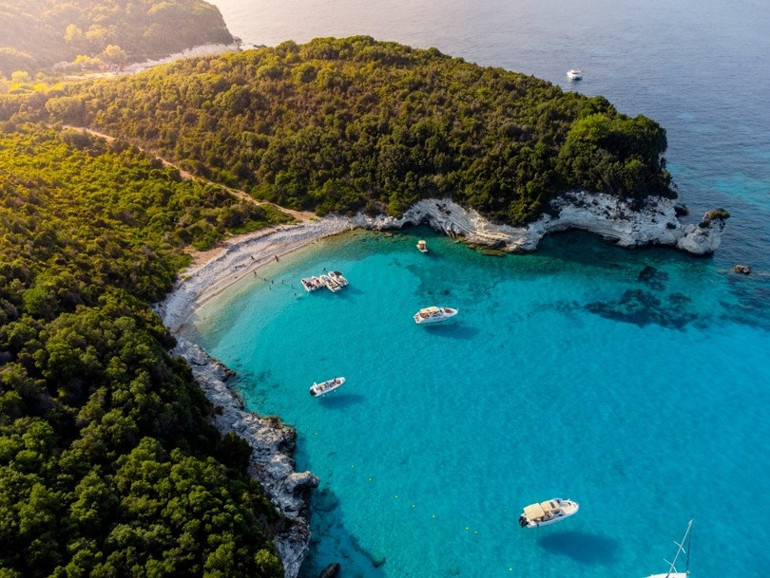
Located in the Ionian Sea, the small island of Ithaca remains one of the most tranquil destinations in modern Greece. The island’s rugged topography, terraced olive groves, and secluded inlets closely match the modest, peaceful homeland vividly described in Homer’s text.
The Traveler’s Perspective:
Serda Büyükkoyuncu notes that upon his initial arrival in Ithaca, Odysseus was unrecognizable to all save his faithful old dog, Argus, because the goddess Athena had disguised him as an impoverished traveler. Today, Ithaca retains an unhurried, authentic atmosphere. The capital town of Vathy sits wrapped around a deep natural harbor, featuring traditional Greek island architecture.
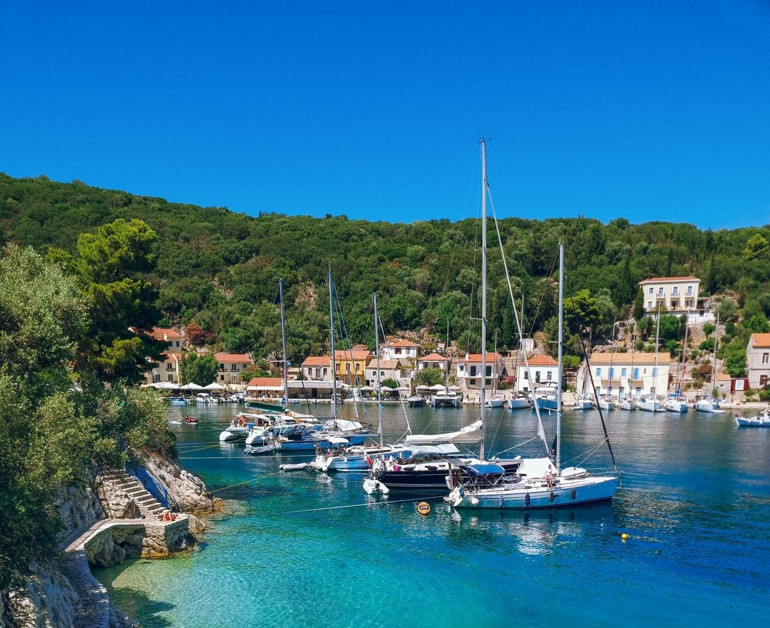
In the northern region of the island, Polis Bay remains closely tied to the Homeric narrative, with the nearby Loizos Cave historically preserved as an ancient site of worship. Furthermore, on the hill of Aetos, ongoing archaeological excavations have uncovered structural ruins believed by several prominent researchers to be the historical "Palace of Odysseus"—representing one of the most significant classical discoveries of recent decades.
Mythological Figure of the Stop:
Athena: The goddess of wisdom, tactical warfare, and intellectual strategy. Throughout Odysseus’s arduous twenty-year absence, Athena serves as his steadfast divine protector, guiding his steps, offering counsel, and ultimately facilitating his safe restoration to the throne of Ithaca.