
İMRALI ISLAND – In a development that has captured the immediate attention of the Turkish political landscape and regional observers, the Peoples’ Equality and Democracy Party (DEM Party) has announced the conclusion of a high-stakes visit to the Imrali F-Type High-Security Prison. The delegation, comprised of senior party figures and legal representation, departed the island on the afternoon of September 13, 2026, following a scheduled meeting with Abdullah Öcalan, the imprisoned leader of the Kurdistan Workers’ Party (PKK).
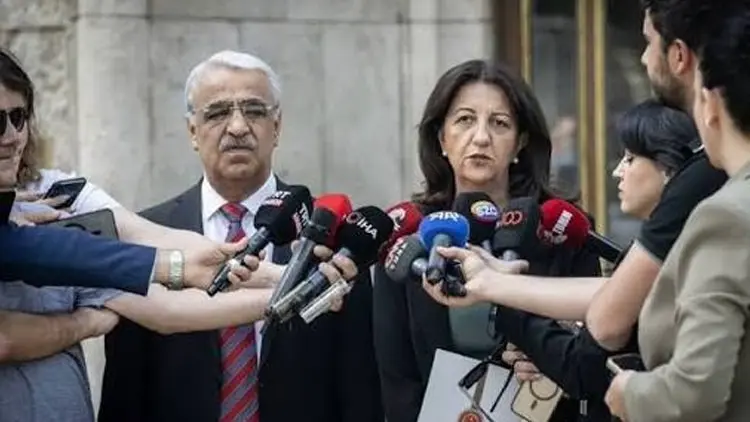
The delegation included Pervin Buldan and Mithat Sancar, both prominent veteran politicians and former co-chairs of the party’s predecessor movements, alongside Faik Özgür Erol, a legal professional who has long been involved in the judicial proceedings and defense matters related to the Imrali island prison. The departure of the three-member group marks the end of a visit that has been the subject of intense speculation regarding the current state of political dialogue and the potential for renewed discourse on the Kurdish issue in Turkey.
The news of the delegation’s return was first confirmed through official channels and subsequently reported by the İhlas News Agency (İHA). According to the timeline provided by the party and local authorities, the members finished their discussions and left the island via the high-security maritime route that connects the isolated facility in the Sea of Marmara to the mainland.
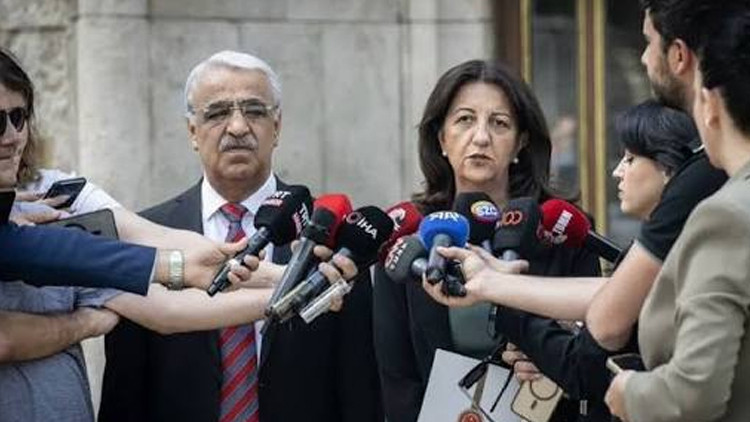
DEM Party Issues Preliminary Statement Following Delegation’s Return
Immediately following the arrival of the delegation back on the mainland, the DEM Party headquarters issued a brief but formal written statement to the press and the public. The communication served as an official confirmation of the day’s events, though it remained guarded regarding the specific details of the conversation held behind the closed doors of the Imrali facility.
"The DEM Party Imrali Delegation members, Pervin Buldan, Mithat Sancar, and Faik Özgür Erol, have returned from Imrali following their meeting with Mr. Öcalan," the party’s press office stated. Recognizing the high level of public interest and the potential political implications of the visit, the party added that a more comprehensive disclosure would be forthcoming: "A detailed statement regarding the contents and nature of the meeting will be made at a later date."
The brevity of the initial announcement is consistent with the protocol typically observed by the party during such sensitive missions. Historically, the Imrali delegation acts as a conduit for communication, and the information gathered during these sessions is usually subjected to internal evaluation before being shared with the broader political community or the media. The promise of a future statement suggests that the discussions may have covered a range of topics currently affecting the domestic political climate, though the party has not yet specified when this briefing will occur.
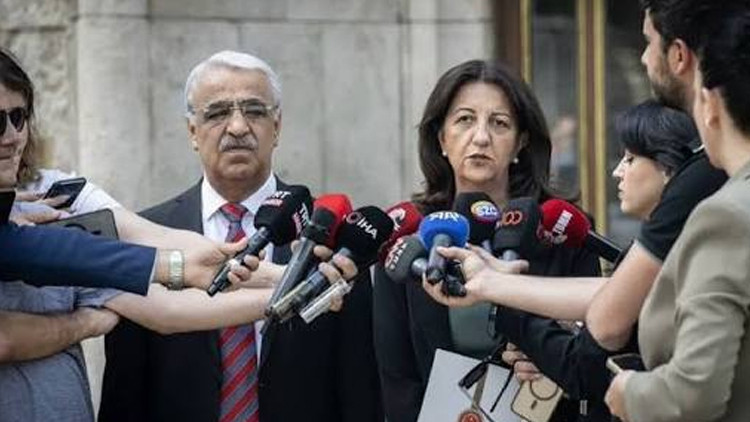
The presence of Pervin Buldan and Mithat Sancar in the delegation is particularly noteworthy. Both individuals have played central roles in the Turkish parliament and have been instrumental in navigating the complex relationship between the state, the pro-Kurdish political movement, and the aspirations for a democratic resolution to long-standing conflicts. Their involvement signals the high level of importance the DEM Party attaches to this specific round of talks.
The Strategic Context of the Imrali Visit
The visit to Imrali Island takes place against a backdrop of complex socio-political dynamics within Turkey. Imrali, located in the Sea of Marmara, has served as the sole place of incarceration for Abdullah Öcalan since his capture in 1999. Over the decades, the facility has become a symbol of the broader struggle for a political solution to the Kurdish question, with the frequency and nature of visits to the island often serving as a barometer for the state of peace efforts or political tension.
For several years, the "Imrali Delegation" has been a recognized concept in Turkish politics, referring to the group of representatives authorized to bridge the gap between the imprisoned PKK leader and the legal political sphere. The delegation’s work is often viewed through the lens of democratization, human rights, and the search for a permanent end to the decades-long armed conflict.
The inclusion of Faik Özgür Erol, a lawyer from the Asrın Law Office, underscores the legal dimension of these visits. For years, legal representatives and family members have frequently applied for permission to visit the island, often citing international human rights standards and Turkish correctional laws regarding the rights of detainees to see their counsel and kin. The approval of this specific visit by the Ministry of Justice suggests a particular moment in the administrative and political handling of the Imrali files.
The logistical aspects of such a trip are inherently rigorous. Access to the island is strictly controlled by the Turkish military and the Ministry of Justice. Delegations typically travel from the Gemlik district of Bursa or the Mudanya coast, utilizing specialized vessels designated for the transport of personnel to the high-security zone. The return of Buldan, Sancar, and Erol to the mainland indicates that the procedural and security requirements of the mission were fulfilled without incident.

Broader Implications for the Political Landscape
As the news of the delegation’s departure spreads, analysts are closely monitoring the potential impact on Turkey’s domestic agenda. The DEM Party, as a significant force in the Turkish Grand National Assembly, has consistently advocated for a "democratic solution" and the lifting of what they describe as the "isolation" (tecrit) of Abdullah Öcalan. They argue that direct communication with Imrali is an essential component of any sustainable peace process and a necessary step toward stabilizing the region.
The timing of the visit, occurring in September 2026, falls within a period where the Turkish public has been engaged in debates over constitutional reforms, economic stability, and the country’s role in a rapidly shifting Middle Eastern geopolitical environment. The messages that may emerge from Imrali often carry weight not only within the borders of Turkey but also among Kurdish populations in neighboring Syria and Iraq, where the political philosophy of Öcalan continues to influence various local actors.
The "Imrali Process" has seen various phases over the years, ranging from the active "Resolution Process" of 2013–2015 to periods of total communication breakdown. Each time a delegation is permitted to make the journey to the island, it reignites questions about whether a new framework for dialogue is being established. While the government maintains a firm stance on security and counter-terrorism, the facilitation of meetings between legal political representatives and the PKK leader is often interpreted by observers as a sign of behind-the-scenes diplomatic or intelligence-led maneuvering.
The international community also remains attentive to these developments. Organizations such as the European Committee for the Prevention of Torture (CPT) have previously issued reports regarding the conditions at Imrali, and the European Court of Human Rights (ECHR) has processed numerous applications related to the legal status of the prisoners held there. Consequently, the ability of a political delegation to conduct a meeting and return safely is a matter of record for both domestic and international legal observers.

Anticipation for the Upcoming Detailed Disclosure
With the delegation now back from the island, the focus shifts entirely to the promised "later statement" from the DEM Party. This forthcoming announcement is expected to clarify whether the meeting was a routine check on the conditions of the prison or a more substantial discussion regarding the future of political negotiations.
Historically, messages from Imrali have touched upon themes of "democratic autonomy," the need for a new civilian constitution, and calls for various parties to lay down arms in favor of political engagement. Whether the September 2026 meeting followed these traditional themes or introduced new perspectives remains to be seen.
The delegation members—Buldan, Sancar, and Erol—are currently expected to brief the DEM Party’s central executive board and parliamentary group. This internal reporting process is vital for ensuring that the party’s official stance is aligned with the information received during the visit. Until that official briefing is prepared and released, the political atmosphere in Ankara remains one of cautious observation.
As the sun sets on the Sea of Marmara today, the departure of the DEM Party Imrali Delegation from the island marks the end of a physical journey, but it likely signals the beginning of a new chapter in the ongoing political discourse. The details of what transpired in the high-security halls of Imrali will undoubtedly shape the headlines in the days and weeks to come, as Turkey continues to grapple with the complexities of its internal peace and the path toward a more stable democratic future.