Desserts prepared effortlessly on the stovetop or through chilled assembly, entirely without the heat of an oven, are claiming an increasingly prominent place on dining tables. Offering a versatile spectrum of culinary choices ranging from silky, milk-based puddings to syrup-soaked fried doughs and refreshing citrus creations, these no-bake sweets captivate palates the moment they are presented. By eliminating the waiting times, preheating requirements, and dry heat associated with conventional baking, home cooks and culinary enthusiasts are rediscovering classic palace traditions and international confections that rely exclusively on stovetop simmering, frying, or gentle refrigeration.
From the historic indulgence of caramelized kazandibi and authentic chicken breast pudding to modern favorites such as strawberry-infused tiramisu and pistachio-stuffed mochi, no-bake confectionery bridges classic heritage with quick contemporary lifestyles. The enduring appeal of these ten distinctive sweets demonstrates that an absence of oven baking does not diminish sophistication, textural complexity, or rich flavor profiles.
Saray Sarması: The Imperial Roll of Delicate Milk Cream
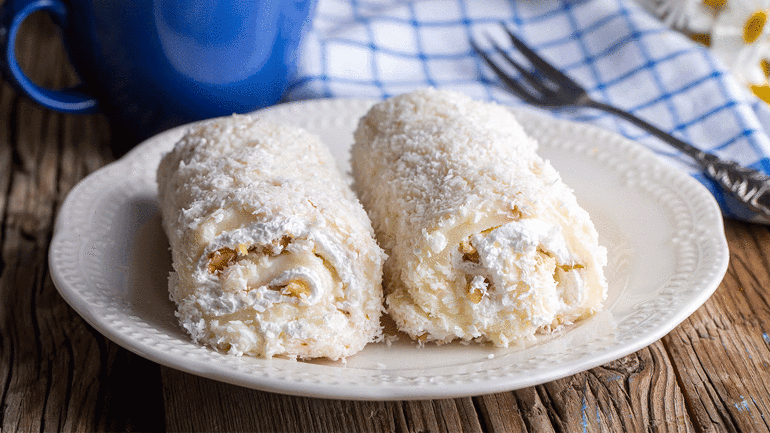
Saray sarması, historically associated with royal banquet traditions and afternoon tea tables, remains one of the most celebrated milk desserts in domestic culinary culture. Known for its featherlight consistency and smooth flavor profile, this confection provides an elegant centerpiece for hosting guests while demanding remarkably little active cooking time. The entire base rests upon a velvety, stove-cooked milk custard poured thin over a bed of desiccated coconut or finely crushed biscuits, allowing it to cool and set naturally into an elastic sheet.
The secret to a flawless saray sarması lies in the precise consistency of its stovetop custard. Cooked slowly over low heat while whisking continuously, the cream reaches a lustrous, silky texture that firms up without turning dense or rubbery. Once chilled thoroughly, the dessert is topped with a thin layer of whipped chantilly cream and gently sliced into ribbons, which are then deftly rolled over themselves. Because no baking is required, the dessert retains maximum moisture, offering a melt-in-the-mouth sensation that provides a guaranteed and reliable result for both seasoned hosts and novice cooks.

Strawberry Tiramisu: A Fruity Elevation of an Italian Classic
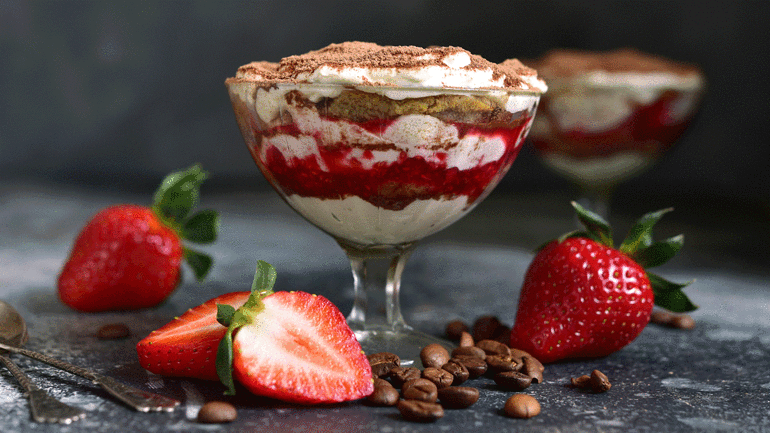
Blending the rich heritage of Italian pastry making with the seasonal freshness of ripe fruit, strawberry tiramisu offers an inventive spin on the traditional espresso-infused dessert. In this no-bake creation, classic ladyfinger biscuits, known as cat’s tongues, are delicately dipped in coffee or fruit-infused syrups before being assembled into structured tiers. The customary bitterness of traditional tiramisu is elevated and softened by vibrant layers of homemade strawberry compote and freshly sliced berries.
Between each layer of soaked sponge biscuits lies an airy, decadent tiramisu cream typically whisked from mascarpone and whipped cream until it achieves an impeccable, velvety sheen. As the dessert rests in the refrigerator, the ladyfingers absorb the surrounding moisture, softening into a sponge-cake consistency without ever touching an oven rack. When sliced and plated, the vivid red stripes of fresh fruit contrasting against ivory cream create an immediate visual appeal, awakening appetites and refreshing the palate at afternoon gatherings.

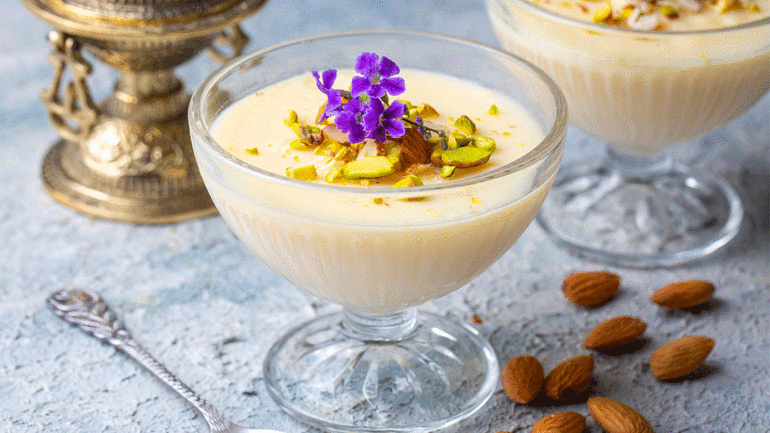
Keşkül: The Fragrant Almond Pudding of Ottoman Lore
Keşkül stands as one of the most distinguished pillars of traditional milk puddings, boasting roots that trace deeply into centuries-old palace cuisine. Celebrated for its unique textural grain and delicate nuttiness, this stovetop dessert centers on the marriage of finely ground blanched almonds, fresh whole milk, starch, and sugar. The gentle simmering allows the natural oils of the almonds to infuse throughout the mixture, resulting in a deep, aromatic profile distinct from ordinary vanilla custards.
Achieving the authentic consistency of keşkül requires patient stirring on the stovetop until the pudding thickens to a glossy, ribbon-like density. Served chilled in individual bowls, it forms a delicate skin on the surface while remaining sumptuously creamy beneath. Garnished generously with crushed raw almonds, pistachios, or shredded coconut, keşkül delivers a swift and satisfying resolution to dessert cravings while preserving an age-old culinary custom that demands nothing more than a pot, a whisk, and pure ingredients.

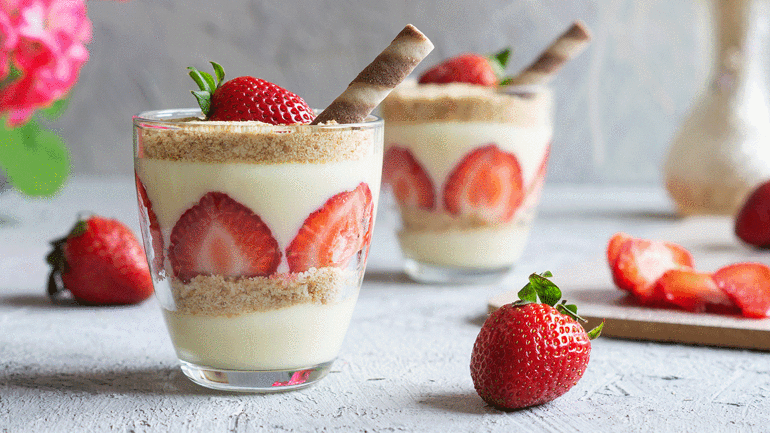
Strawberry Magnolia: Contemporary Layered Comfort
In recent years, the layered pudding known as magnolia has surged in popularity, becoming a staple offering in modern cafes and home kitchens alike. Built around a custard that is silky, light, and lightly scented, this dessert pairs crushed tea biscuits or graham crumbs with freshly sliced strawberries arranged decoratively along the glass walls of individual serving cups.
The beauty of the strawberry magnolia lies in the simplicity of its construction and its reliance on readily available pantry essentials. The pudding base, enriched with a splash of liquid cream or egg yolk during stovetop preparation, achieves a consistency that cushions the crisp biscuit crumbs and tart, juicy fruit. Because the assembly is entirely cold once the pudding base reaches room temperature, the strawberries retain their fresh firmness and bright acidity, preventing the sogginess that can occur in baked fruit tarts.
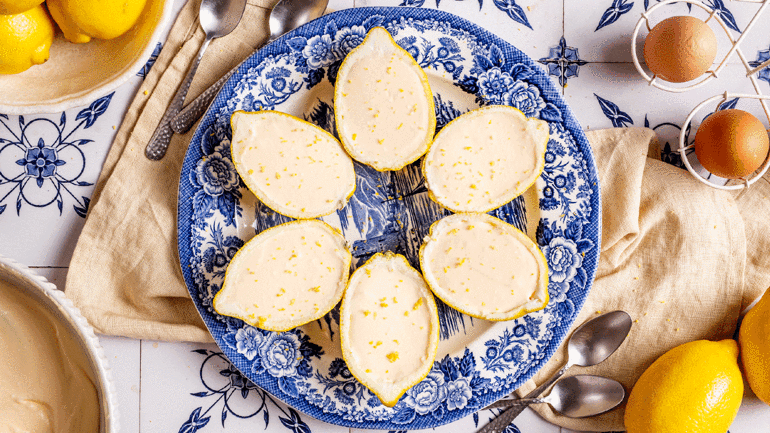
Lemon Dessert: Chilled Elegance in Natural Citrus Rinds
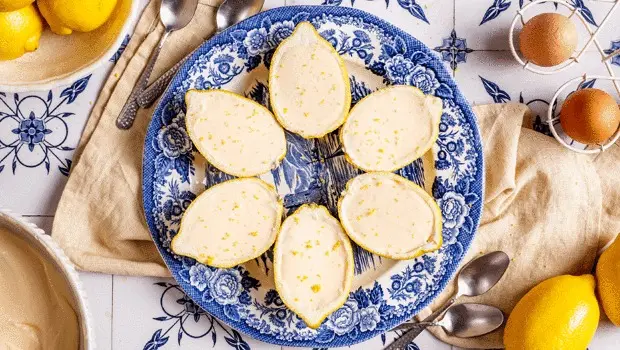
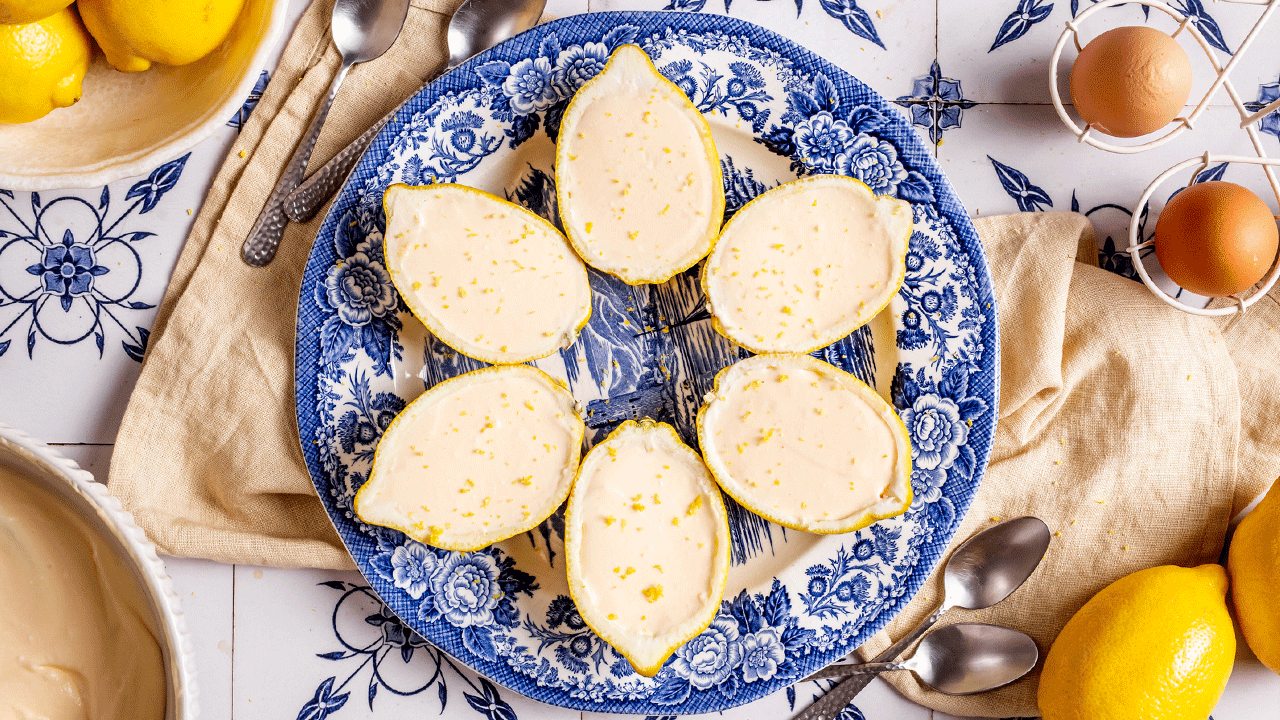
Limon tatlısı brings invigorating citrus brightness to dessert spreads, presenting a sharp, palate-cleansing contrast to heavier, sugar-laden treats. The preparation is straightforward yet visually striking: fresh whole lemons are hollowed out to serve as natural, aromatic serving vessels, while their freshly squeezed juice and grated zest are incorporated directly into a cooked lemon cream.
Simmered until smooth and thickened, the lemon curd filling is poured warm into the chilled lemon cups before being transferred to the refrigerator to set completely. Served ice-cold, this dessert delivers a burst of acidity paired with mellow sweetness, making it a favorite for hot summer evenings or as a refreshing finish to a multi-course dinner. The inventive presentation transforms a humble citrus fruit into an artisanal confection that requires minimal cleanup and zero oven intervention.
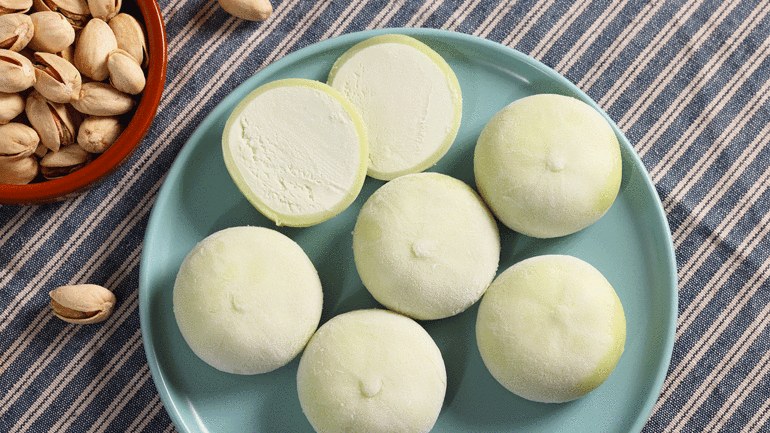
Ice Cream Mochi: East Asian Textures Meet Pistachio Indulgence
Originating in the storied confectionery culture of East Asia, mochi has captured global attention with its uniquely chewy, elastic texture. While traditionally prepared through laborious manual pounding of glutinous rice, contemporary stovetop and microwave methods allow the outer wrapper to be steamed quickly into a pliable, tender dough. When rolled thin and wrapped around a firm core of pistachio ice cream, the confection becomes an imaginative companion to afternoon tea and coffee services.
The dynamic contrast between the room-temperature, supple rice skin and the frozen, nutty ice cream center provides a multisensory eating experience. Once wrapped and shaped into tidy spheres, the mochies are kept frozen until moments before serving, allowing the outer layer to soften slightly while keeping the pistachio interior perfectly chilled. This dessert demonstrates the versatility of stovetop starch preparations, offering an international, handheld sweet that bypasses traditional baking entirely.
Real Tavuk Göğsü: The Legendary Chicken Breast Pudding
Tavuk göğsü holds an extraordinary position among global desserts, representing an imperial culinary technique wherein savory white meat is transformed into a silky, sweet delicacy. True to its authentic heritage, the original recipe requires finely shredded, boiled chicken breast meat that is repeatedly rinsed in cold water until all poultry flavor and aroma are completely washed away, leaving only fine, fibrous strands.
These delicate fibers are folded into a simmering base of milk, sugar, and rice flour, where they disintegrate during vigorous beating, imparting an unmistakable, stretchy, and chewy consistency akin to gum mastic. Cooked purely on the stovetop, authentic tavuk göğsü achieves a velvety elasticity that cannot be replicated through cornstarch alone or produced inside a dry oven. Chilled in wide trays and dusted with ground cinnamon, it stands as an enduring testament to the ingenuity of historical culinary craftsmanship.
Halka Tatlısı: The Irresistible Street Crunch of Golden Rings
For enthusiasts of syrup-soaked sweets, halka tatlısı delivers an unmistakable crunch that rivals any traditional pastry counter. Resembling fluted ring doughnuts, this beloved street-food specialty relies on a choux-like dough prepared entirely over the stove, where semolina, flour, and water are cooked into a cohesive paste before eggs are beaten into the cooled mass.
Piped directly into hot oil through a star-shaped nozzle, the rings fry to a deep golden amber, puffing into a crisp exterior while remaining tender inside. Immediately upon being lifted from the bubbling oil, the sizzling rings are submerged in a thick, ice-cold lemon-scented sugar syrup. The dramatic contrast in temperature forces the dough to drink in the syrup instantly without losing its crisp bite. Bypassing the baking process altogether, halka tatlısı yields an authentic street confection that satisfies sudden sweet cravings with theatrical flair.
Su Muhallebisi: Botanical Simplicity and Chilled Cleanliness
Su muhallebisi, or water pudding, represents minimalist dessert preparation at its most refined. Crafted with a delicate balance of water, milk, and starch, this stovetop pudding cooks into a translucent, firm gel that slices cleanly once chilled thoroughly in shallow pans. Its understated sweetness allows the clean textures of the set milk starch to dominate the palate.
What truly elevates su muhallebisi is its traditional presentation: rather than being heavily sweetened in the pot, cubes of the firm pudding are placed in serving bowls and showered with powdery confectioner’s sugar and fragrant, pure rosewater just before consumption. The delicate floral notes of the rosewater paired with the melting powdered sugar provide an antique, soothing flavor experience that is light on the digestion, exceptionally cooling, and entirely free of oven preparation.
Kazandibi: The Allure of Intentional Stovetop Caramelization
Kazandibi, which translates literally to "the bottom of the cauldron," is celebrated for the intentional scorching of its bottom layer, which produces a deep, bittersweet caramel crust. Developed as a natural extension of traditional milk custards, the pudding—often prepared with a mastic or rice-flour base—is poured into heavy, buttered and sugared metal trays and placed directly over open flames on the stove.
As the cook rotates the tray systematically across the burners, the bottom layer of sugar and milk solids begins to brown and caramelize, developing a dark amber sheet beneath the pristine white pudding above. Once chilled to allow the caramelized crust to set firmly, the pudding is cut into wide rectangles and rolled up from the pan, placing the smoky, burnt-sugar crust on display against the supple custard. The elastic, stretchy chew of the pudding combined with the complex bitterness of the caramel makes kazandibi an enduring pinnacle of stovetop artistry.