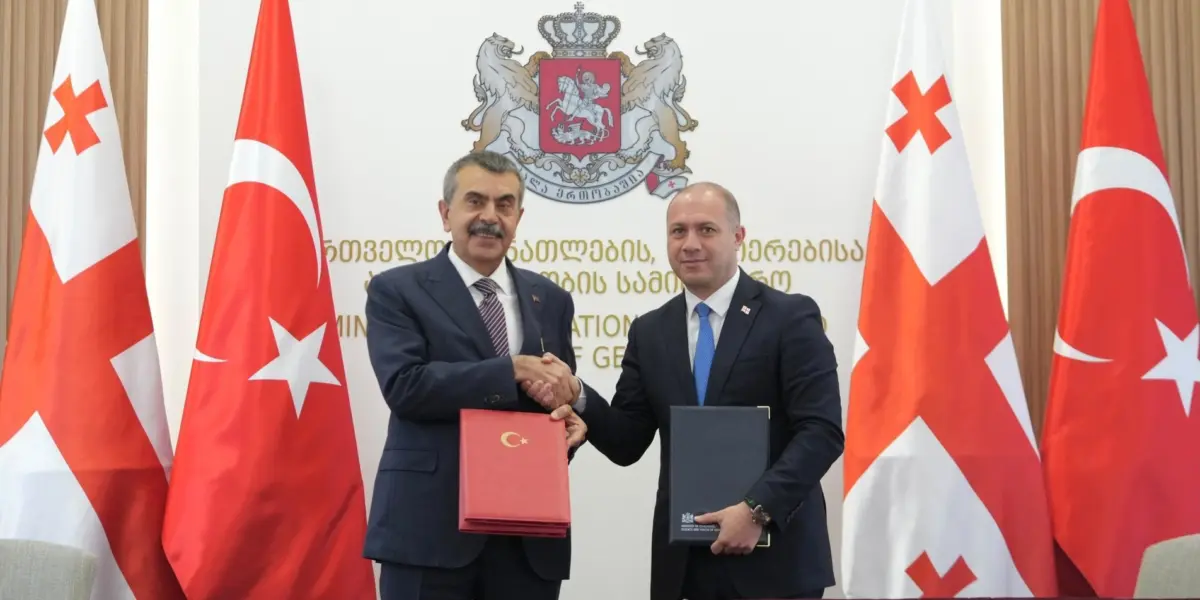
TBILISI — In a major step toward deepening bilateral relations and fostering academic synergy, Turkey and Georgia have signed a comprehensive education cooperation agreement. The pact, finalized in the Georgian capital of Tbilisi, establishes a robust legal and operational framework for mutual educational initiatives. These range from the mutual recognition of academic credentials to joint language promotion programs, vocational training, and technological integration in classrooms.
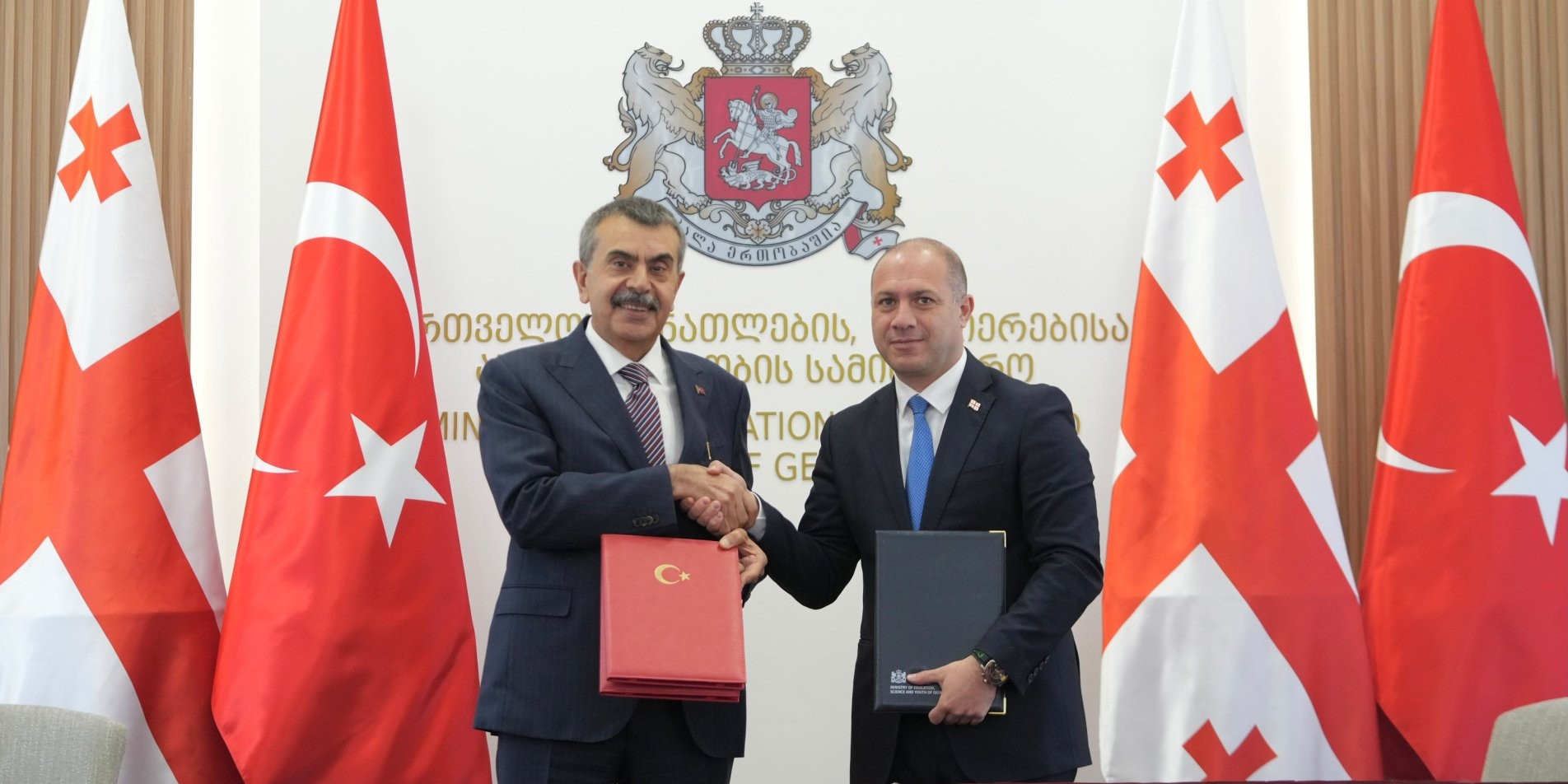
The agreement was signed during an official visit to Georgia by Turkey’s National Education Minister, Yusuf Tekin. Minister Tekin met with his Georgian counterpart, Givi Mikanadze, the Minister of Education, Science, and Youth of Georgia, at the ministry headquarters in Tbilisi. The high-level meeting, which lasted approximately one hour, concluded with a formal signing ceremony. The proceedings were also attended by Turkey’s Ambassador to Tbilisi, Mustafa Türker Arı, underlining the diplomatic weight and strategic importance of the accord.
The discussions and the subsequent agreement reflect a shared commitment to building stronger bridges between the two neighboring countries. By focusing on education, both nations are looking to secure a cooperative future rooted in cultural understanding, shared academic standards, and joint economic development.
Diploma Equivalence and the Promotion of National Languages
One of the primary pillars of the newly signed agreement is the mutual recognition of diplomas and academic documents. Historically, students moving between Turkey and Georgia have faced administrative and bureaucratic hurdles regarding the equivalence of their school and university credentials. By establishing a clear, cooperative framework for diploma equivalence, the agreement is expected to significantly ease academic mobility. This will allow students from both nations to pursue higher education or seek employment in either country without facing prolonged qualification delays.
In addition to credential recognition, the agreement places a strong emphasis on the reciprocal opening of educational institutions. This aspect of the pact paves the way for Turkish schools to operate in Georgia and Georgian educational initiatives to take root in Turkey. This reciprocal opening is designed to provide direct access to quality instruction for expatriate communities, diplomats, and local students interested in cross-border education.
Language teaching also stands out as a major component of the bilateral accord. The agreement seeks to actively encourage and facilitate the teaching of the Turkish language in Georgia and the Georgian language in Turkey. Language is widely regarded as the most effective tool for cultural diplomacy, and both ministries aim to integrate language learning more deeply into their respective school systems. By facilitating the training of language teachers, sharing pedagogical resources, and providing updated instructional materials, the two countries aim to foster a deeper mutual understanding between their younger generations. This cultural exchange is seen as a vital step in dismantling barriers and building lifelong connections between the future citizens and leaders of both nations.
Beyond language and diplomas, the agreement targets modernization in educational practices. It covers vocational education, which has become a major priority for both countries as they seek to align their school systems with the demands of the modern global economy. Through shared expertise, Turkey and Georgia aim to enhance vocational training programs, ensuring that students acquire practical, technical skills that are directly applicable to the contemporary job market.
The collaboration also extends to the professional development of educators. Recognizing that the quality of an education system relies heavily on the caliber of its teachers, the agreement outlines joint initiatives for teacher training. Educators from both countries will have opportunities to share pedagogical methodologies, exchange best practices, and participate in joint professional development workshops.
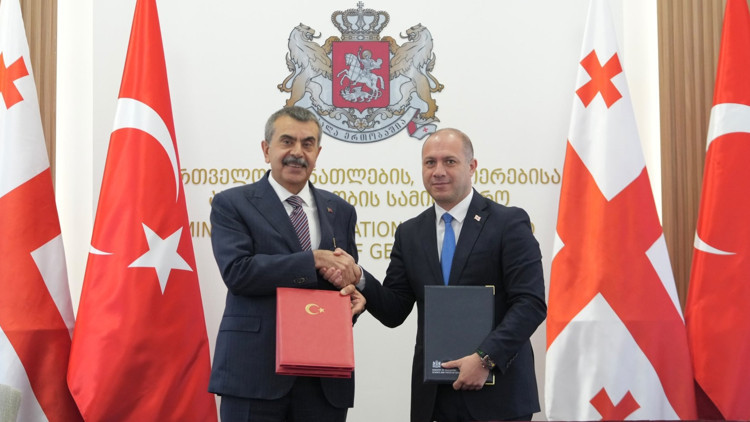
Furthermore, the agreement addresses the physical and technological infrastructure of schools. As digital classrooms, online learning platforms, and advanced educational technologies become standard worldwide, Turkey and Georgia will share their experiences in integrating technology into the classroom. This includes sharing strategies on digital curriculum development, the deployment of educational hardware, and training teachers to effectively use digital tools to improve learning outcomes.
Education as an Indispensable Pillar of Regional Cooperation
Following the signing ceremony, Minister Yusuf Tekin highlighted the broader geopolitical and social implications of the accord. He emphasized that Turkey’s foreign policy prioritizes the development of strong, friendly relations with its neighboring countries, with the ultimate goal of leaving a legacy of peace, stability, and solidarity for future generations.
"One of the most indispensable dimensions of this cooperation is education," Minister Tekin remarked. He pointed out that educational cooperation plays a critical role in fostering regional peace, upholding human rights, and strengthening democratic values. By educating young people in an environment of mutual respect and shared knowledge, both countries are contributing to the long-term stability and prosperity of the region.
Minister Tekin expressed his satisfaction with the swift and successful conclusion of the negotiations, stressing that both sides are fully committed to implementing the agreement without delay. He noted that the text of the agreement formally registers cooperation in a wide array of areas, from vocational training to infrastructural modernization. The immediate focus, according to Tekin, will be to translate these written commitments into practical, on-the-ground programs that benefit students, teachers, and schools in both countries.

A Robust Legal Framework Born from Intensive Dialogue
Georgian Minister of Education, Science, and Youth Givi Mikanadze echoed Minister Tekin’s enthusiasm, shedding light on the intensive diplomatic efforts that led to the signing of the agreement. Minister Mikanadze revealed that the two ministers had met three times in just the past few months, a testament to the high priority both governments place on educational cooperation.
According to Minister Mikanadze, the newly signed document is the result of long-term, detailed work carried out by technical and diplomatic teams from both ministries. He emphasized that the agreement provides a solid and comprehensive legal framework that will guide bilateral educational relations for years to come. With this legal foundation in place, subsequent joint projects, institutional exchanges, and policy alignments will have a clear path forward, free from legal ambiguities.
The presence of Ambassador Mustafa Türker Arı at the meeting further highlighted the strategic nature of the agreement. Diplomatic missions in both Ankara and Tbilisi are expected to play a key role in facilitating the implementation phase of the agreement, coordinating between educational authorities, and helping to resolve any logistical challenges that may arise as new schools are opened and language programs are integrated into national curricula.
Turkey and Georgia share a close partnership, characterized by strong economic ties, open borders for travel, and collaborative infrastructure projects in the energy and transport sectors. Extending this partnership to the field of education is a natural progression of these deep-rooted ties. As both nations navigate a rapidly changing global landscape, equipping their youth with competitive skills, cross-cultural competence, and recognized qualifications remains essential. This agreement serves as a vital tool in achieving those national objectives, transforming neighborly goodwill into tangible academic and professional opportunities for students and educators alike.