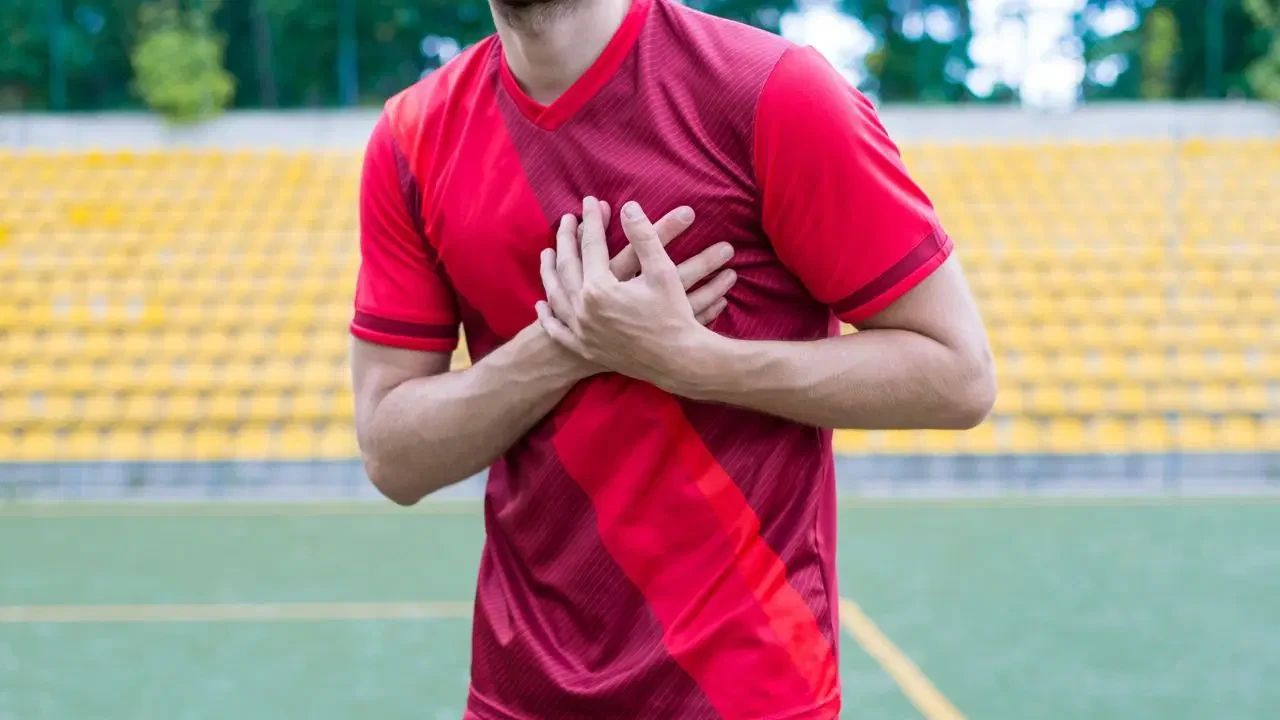
Physical activities, team sports, and individual exercise routines are universally recognized as the cornerstones of a healthy lifestyle. Engaging in regular physical exertion not only bolsters cardiovascular health and muscular strength but also fosters mental well-being and social cohesion. However, the world of athletics is not without its inherent risks. While most participants and spectators are familiar with the common hazards of the field—such as ligament tears, muscle strains, or bone fractures—there exists a far more elusive and life-threatening phenomenon that can strike even the most conditioned athletes.
In the high-intensity environment of contact sports, athletes frequently encounter physical impacts. Most of these are dismissed as routine: a shoulder check in hockey, a stray pitch in baseball, or a collision on the football field. In the majority of cases, these incidents result in nothing more than temporary discomfort or a minor bruise. Yet, under a very specific and rare set of circumstances, a blunt, non-penetrating blow to the chest can bypass the protection of the rib cage and wreak havoc on the heart’s internal rhythm. This condition, known in the medical community as Commotio Cordis, represents one of the most harrowing emergencies in sports medicine, where a seemingly innocuous impact turns a routine game into a desperate struggle for survival.
The Mechanism Triggering Cardiac Arrhythmia
To understand Commotio Cordis, one must look beyond the surface level of physical injury and into the complex bio-electrical world of the human heart. Unlike a cardiac contusion, which involves actual structural damage or bruising to the heart muscle, Commotio Cordis is a purely electrical event. It occurs when the heart’s rhythm is disrupted by external mechanical energy, leading to a total collapse of the organ’s ability to pump blood.
The heart operates on a precise, rhythmic cycle of electrical impulses that signal the chambers to contract and relax. Within each individual heartbeat, there is a window of time measured in mere milliseconds that is characterized by extreme vulnerability. This interval occurs during the repolarization phase of the cardiac cycle—specifically on the upstroke of the T-wave. If a sudden, sharp impact strikes the chest directly over the heart during this precise millisecond window, it can trigger an immediate transition into ventricular fibrillation.
Ventricular fibrillation is a state of chaotic electrical activity where the heart’s lower chambers quiver uselessly instead of contracting with force. When this occurs, the heart ceases to pump oxygenated blood to the brain and other vital organs. From the outside, the athlete may appear to have been "knocked breathless" for a moment, only to collapse seconds later as the lack of blood flow to the brain leads to a loss of consciousness. It is this specific convergence of factors—the location of the blow, the velocity of the impact, and the exact timing relative to the heart’s rhythm—that makes Commotio Cordis such a rare but devastating occurrence.
High-Risk Sports and Preventative Measures
The risk of Commotio Cordis is most prevalent in sports that involve high-velocity projectiles or frequent, forceful physical contact. Statistics and medical records indicate that the condition is most commonly associated with sports such as baseball, ice hockey, cricket, and American football. In these environments, objects like baseballs, hockey pucks, or even a player’s helmet or fist can deliver the concentrated energy required to trigger a rhythmic disruption.
It is important to note that this danger is not confined solely to the professional arena. In fact, amateur athletes, particularly children and adolescents, may be at a higher risk. Younger athletes often have thinner, more compliant chest walls, which may provide less of a buffer against the mechanical energy of an impact compared to the more developed musculoskeletal structures of adults. Consequently, awareness and prevention are critical across all levels of play.
To mitigate these risks, several fundamental safety measures should be prioritized by sports organizations, coaches, and parents:
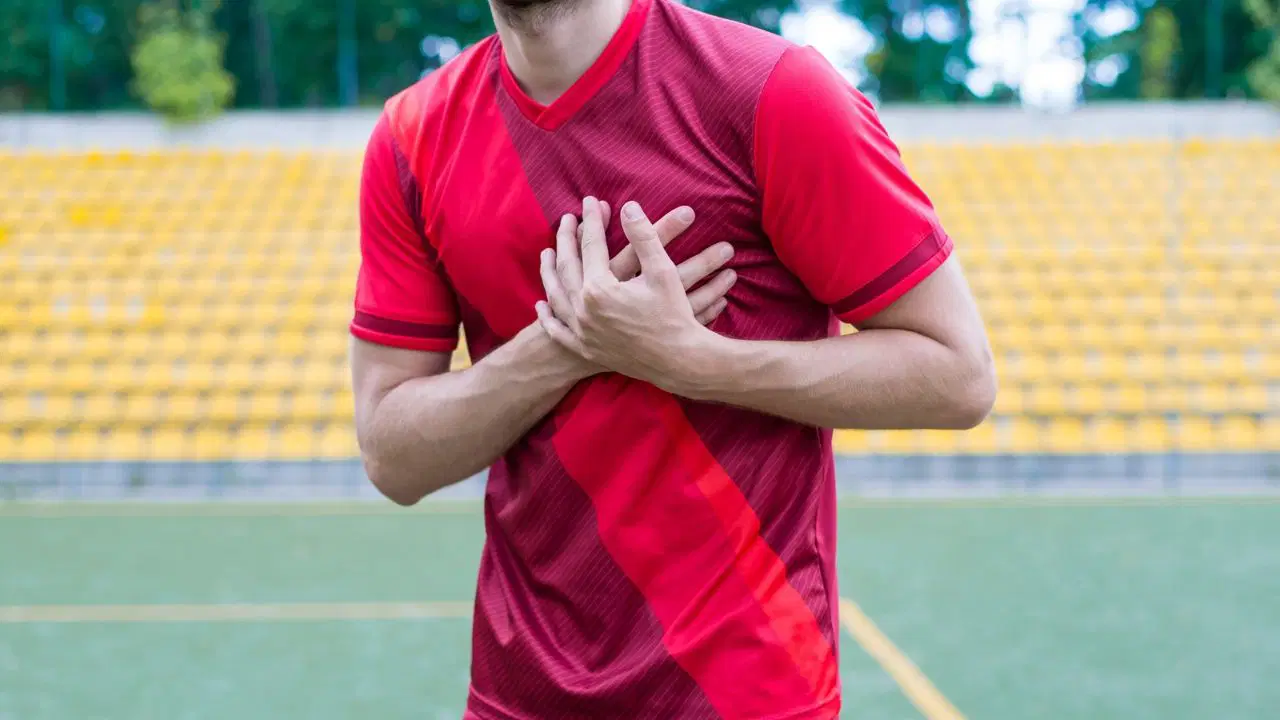
- Utilization of Protective Gear: The use of high-quality, certified chest protectors is essential. Modern sports technology has led to the development of equipment specifically designed to disperse the energy of an impact across a wider surface area, reducing the localized force that reaches the heart.
- Modified Equipment for Youth: In many developmental leagues, the use of "safety" balls—which are softer than standard baseballs or softballs—has been shown to reduce the likelihood of injury without compromising the integrity of the game.
- Coaching and Technique: Teaching athletes proper defensive techniques, such as how to turn away from a wild pitch or how to position the body during a collision, can reduce the chances of a direct blow to the center of the chest.
- Widespread Education: Ensuring that coaches, referees, and even parents are aware of the signs of Commotio Cordis is the first step in ensuring a rapid response. Recognizing that a collapse following a chest impact is a medical emergency, rather than a simple case of "getting the wind knocked out," is vital.
Life-Saving First Aid and the Critical Importance of Timing
When a Commotio Cordis event occurs, the clock begins a relentless countdown. In these scenarios, seconds are the difference between a full recovery, permanent neurological damage, or a tragic fatality. Because the heart has entered a state of fibrillation, it cannot reset its rhythm on its own; it requires an external intervention to restore order to its electrical system.
The survival rate for victims of Commotio Cordis increases dramatically when immediate action is taken. The first and most critical step is the immediate commencement of Cardiopulmonary Resuscitation (CPR). High-quality chest compressions help maintain a minimal flow of oxygenated blood to the brain, buying precious time for the next phase of intervention.
However, CPR alone is rarely enough to stop ventricular fibrillation. The "gold standard" for treatment is the use of an Automated External Defibrillator (AED). These portable devices are designed to analyze the heart’s rhythm and, if necessary, deliver a controlled electric shock to "reset" the heart. If an AED is applied and a shock is delivered within the first three minutes of the collapse, survival rates can be as high as 70% or more. Conversely, for every minute that defibrillation is delayed, the probability of survival drops by approximately 7% to 10%.
The presence of AEDs at sports facilities, schools, and community centers is no longer just a luxury; it is a critical component of public safety. When an athlete collapses, the bystanders must act with urgency: call emergency services immediately, begin CPR without hesitation, and deploy an AED as soon as it becomes available.
Frequently Asked Questions
Does Commotio Cordis occur with every blow to the chest?
No, the occurrence of Commotio Cordis is exceedingly rare because it requires a "perfect storm" of physical and physiological conditions. For the heart to enter fibrillation, the impact must be of a specific velocity (neither too slow nor too fast), it must land directly over the center of the left ventricle, and most importantly, it must occur during a 15 to 20-millisecond window in the heart’s electrical cycle. If any of these variables are missing, the blow may cause a bruise or a broken rib, but it will not cause the heart to stop.
What should be done if there is no defibrillator at the scene?
In the absence of an Automated External Defibrillator (AED), the focus must remain entirely on continuous, high-quality CPR. One person should immediately call emergency medical services to ensure professional help is on the way with the necessary equipment. Meanwhile, bystanders should perform chest compressions at a rate of 100 to 120 beats per minute, allowing for full chest recoil between compressions. This manual pumping of the heart is the only way to keep the brain alive until a defibrillator arrives.
As sports continue to evolve and athletes push the boundaries of physical performance, the medical community and sports organizations must remain vigilant. By understanding the mechanisms of Commotio Cordis and ensuring that the proper safety protocols and life-saving equipment are in place, the sporting world can better protect its participants from this hidden, yet formidable, danger. Through education and preparedness, the goal remains clear: to ensure that the field of play remains a place of health, growth, and safety for all.