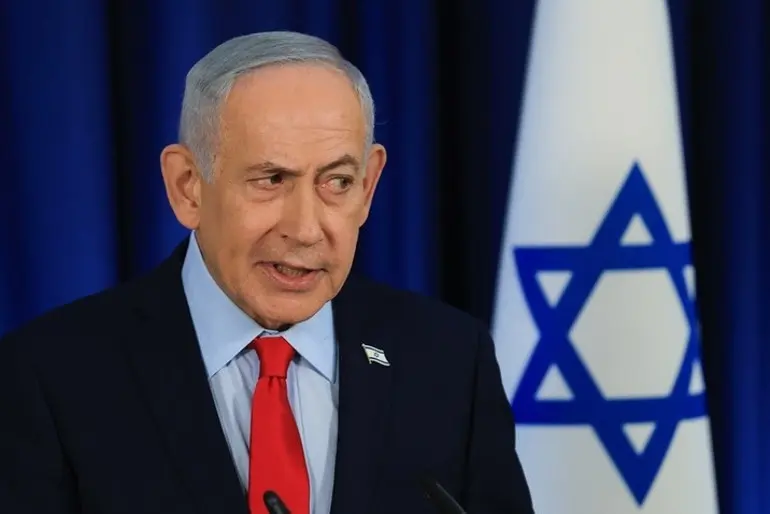
The global geopolitical landscape is bracing for a significant recalibration following the results of the United States midterm elections. While domestic concerns often dominate the American ballot box, the repercussions of this particular election cycle are reverberating far beyond the borders of the Western Hemisphere, specifically cutting through the volatile corridors of power in Tel Aviv and Tehran. As the dust settles on a legislative shift that sees the Democratic Party poised to take control of both chambers of Congress, a critical countdown has begun toward January 3—the date when the new legislative body will officially be sworn in. This transition period marks a high-stakes "lame-duck" window for the administration of President Donald Trump, potentially dictating the trajectory of conflict and diplomacy in the Middle East for years to come.
The shift in Congressional dynamics comes at a time when the Trump administration’s regional strategy, particularly its confrontational stance toward Iran, has faced both military escalation and intense economic scrutiny. For observers in the Middle East, the change in Washington is not merely a matter of American internal politics; it is a fundamental shift in the institutional constraints that govern how the United States exercises its military and financial might. With the transition looming, the coming two months are viewed by analysts as a "sensitive window" where the outgoing Republican majority and the President may seek to cement their legacy or, conversely, where the threat of future Congressional oversight may force a pivot toward the negotiating table.
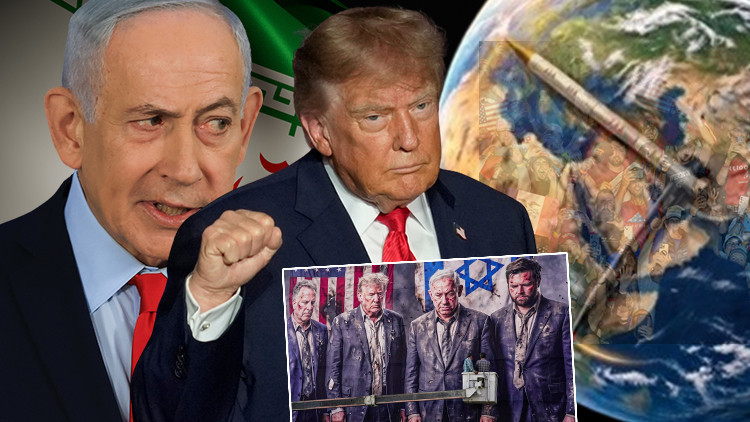
Trump’s Admission: The Political Cost of the Iranian Conflict
In the immediate aftermath of the election results, a rare moment of political introspection emerged from the White House. During a candid interview with the Wall Street Journal, President Donald Trump acknowledged a reality that many of his strategists had feared: the ongoing military and economic confrontation with Iran played a decisive role in the Republican Party’s losses. The conflict, characterized by fluctuating energy prices, the mounting cost of military deployments, and a general sense of unease among the American public regarding another "extended war," appears to have alienated key segments of the electorate.
Despite this admission, the President remained defiant regarding the strategic necessity of his decisions. Trump asserted that he did not regret the move to initiate military actions, suggesting that under the same circumstances, he would make the same choices again. This duality—acknowledging the political damage while doubling down on the policy—suggests that the administration does not view the election defeat as a mandate to retreat. However, the political reality of a Democratic-controlled Congress means that the President’s unilateral path will soon meet significant institutional resistance.

The Democrats’ victory in both the House and the Senate grants them the "power of the purse," a formidable tool in American governance. For the Trump administration, this means that every dollar allocated for military operations in the Middle East, every arms sale to regional allies, and every expansion of the defense budget will now be subject to rigorous, and likely hostile, oversight. The institutional pressure is expected to mount significantly after January 3, as the new Congress gains the authority to invoke the War Powers Act and demand greater transparency regarding the costs and objectives of the administration’s foreign policy.
The January 3 Threshold: A Window of Opportunity and Pressure
The timeline of American governance has created a peculiar and dangerous vacuum. While the election results are clear, the actual transfer of legislative power does not occur until early January. According to analysts from the Center for Iranian Studies (İRAM), this two-month window is the most critical period for regional stability. During this time, President Trump still operates with a Republican-aligned Congress, giving him a final opportunity to take decisive actions without the immediate threat of legislative blocking or subpoenas.

Oral Toğa, a researcher at İRAM, emphasizes that the "breaking point" in US policy is not necessarily where or when the public expects it. He notes that while the media focuses on the long-term shift in January, the immediate concern is what the administration might do to re-establish its "strong leader" image before its domestic authority is curtailed. There is a prevailing logic that Trump might lean further into military options against Iran to project strength and secure a "victory narrative" before the Democratic majority can intervene.
However, there is a powerful counter-argument to this escalation. The election results are widely interpreted as a public rejection of war and the high cost of living. Escalating the conflict now would fly in the face of the message sent by the voters. Furthermore, the financial burden has become impossible to ignore. Reports from the Pentagon indicate that the cost of the conflict has already surged past the $47 billion mark. This staggering figure provides a robust platform for the incoming Democratic leadership to question the sustainability of the administration’s current path, making any further military adventurism a difficult sell even within some Republican circles.
Mixed Signals: Between Limited Strikes and Doha Negotiations

The signals emanating from Washington in the last 48 hours have been remarkably contradictory, reflecting an administration at a crossroads. On the morning of the election, the United States conducted a limited strike on a newly constructed air defense facility on Iran’s Qeshm Island. President Trump characterized this as a minor engagement, a move perhaps intended to signal continued resolve without triggering a full-scale retaliatory cycle.
Simultaneously, the administration has flirted with the possibility of a diplomatic breakthrough. Reports from the Financial Times suggest that the White House currently has no plans for a major strike on Iran, with officials claiming they are already achieving their strategic objectives through existing pressure. Vice President JD Vance has also expressed a degree of optimism regarding the potential for a deal. This "dual-track" approach—military movement in the region alongside talk of a "Doha-based agreement"—leaves both allies and adversaries guessing.
For Trump, the ultimate goal may not be the conflict itself, but the appearance of winning. Whether that victory comes through a short, intense military campaign that forces a concession or a landmark diplomatic agreement signed in Doha, the objective remains the same: a narrative of dominance. If a deal can be secured at the negotiating table that satisfies the administration’s demands regarding Iran’s nuclear program and regional influence, the military option may be sidelined. Yet, seasoned observers remain skeptical, noting that the gap between Washington’s demands and Tehran’s "red lines" remains vast.
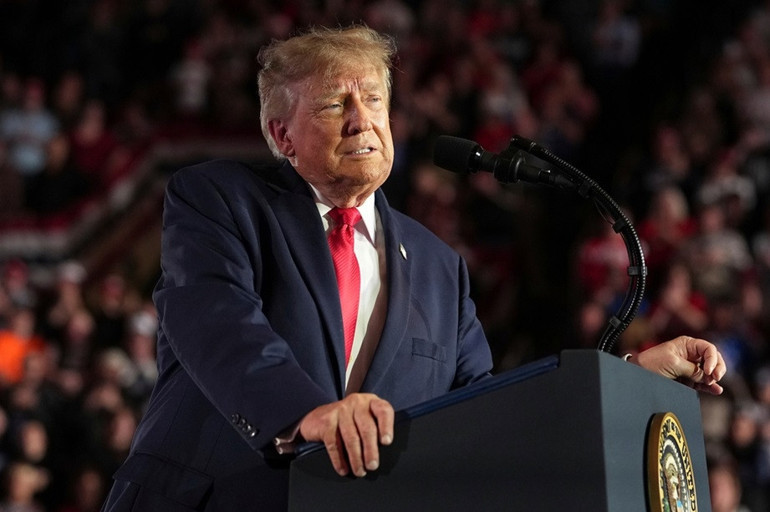
The Israel Front: Netanyahu’s Shrinking Maneuver Space
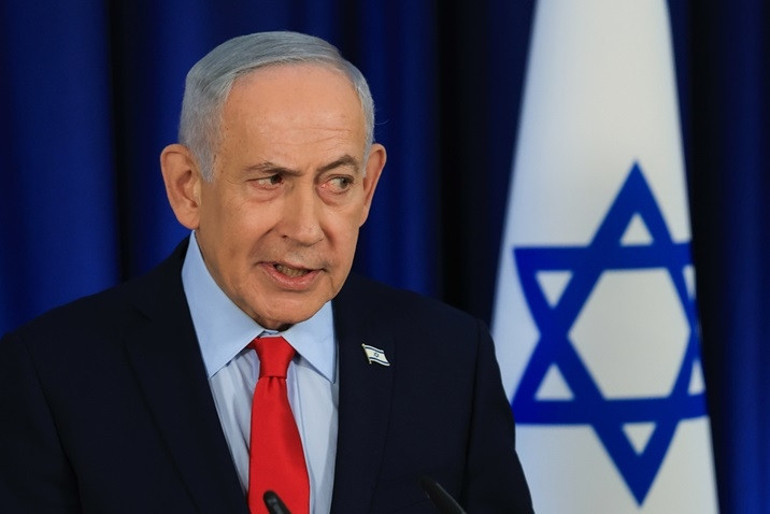
The political tremors in Washington are being felt acutely in Israel, where Prime Minister Benjamin Netanyahu finds himself in an increasingly precarious position. The weakening of Trump’s domestic political base complicates the military and diplomatic coordination between Washington and Tel Aviv. For years, Netanyahu has relied on a nearly seamless alignment with the Trump administration, particularly regarding the "maximum pressure" campaign against Iran. Now, that foundation is showing cracks.
Netanyahu faces his own domestic crises. Following the October 27 elections in Israel, his bloc failed to secure a clear majority, leaving the country under a transitional government. This internal political uncertainty, combined with the shifting tides in the US Congress, has narrowed Netanyahu’s window for action. A Democratic-led Congress is expected to be far more critical of military aid and arms sales to Israel, particularly as the humanitarian and economic costs of regional instability continue to climb.
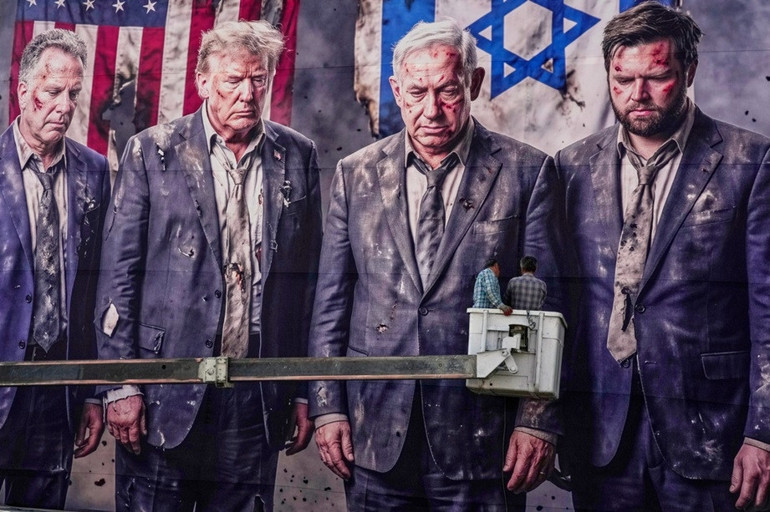
In a move that caught many Israeli officials off guard, President Trump announced on election morning that the annual $4 billion military aid package to Israel would conclude at the end of the year, claiming this was based on a prior agreement with Netanyahu. While the current aid memorandum is technically valid until 2028, Trump’s statement appears to be a calculated political maneuver designed to strip the Democrats of a key talking point regarding "blank check" support for foreign allies. This sudden uncertainty regarding American financial backing forces Israel to reconsider the timing and scale of any potential independent action against Iranian targets.
Tehran’s Dual Strategy: Deterrence and Diplomacy
Iran, meanwhile, is observing the shifts in Washington and Tel Aviv with a mixture of defiance and calculated pragmatism. Tehran’s strategy appears to be a mirrored version of Washington’s: increasing military readiness while keeping diplomatic channels open. For the Iranian leadership, the identity of the person in the White House or the Prime Minister’s Office in Israel is secondary to the reality of what they perceive as an ongoing state of war.
Iranian officials, including Ibrahim Azizi, Chairman of the National Security Commission, have made it clear that they do not expect a change in "hostility" regardless of election outcomes. This perspective has led to a two-pronged response. On one hand, Supreme Leader Ali Khamenei has reportedly instructed the armed forces to prepare for a response that knows no geographical limits, expanding the list of potential targets in the event of an escalation. This is a clear attempt to establish a "deterrence of terror," signaling that any strike on Iranian soil will carry a cost that exceeds the benefit.
On the other hand, Iranian negotiators have remained active in Doha, engaging with mediators from Qatar and Pakistan. For Tehran, these talks are not just about preventing war; they are a vital tool for economic survival. The Iranian Rial is currently at historic lows, and the looming winter threatens to exacerbate a domestic energy and economic crisis. Tehran views its military deterrence as a prerequisite for these negotiations; they believe that a "weak Iran" will have nothing to bargain with at the table.
As the world looks toward January 3, the Middle East remains a powder keg of competing narratives. The Trump administration is searching for a "win" to offset its domestic losses; Netanyahu is struggling to maintain his grip on power and his security doctrine; and Iran is attempting to balance the threat of total war with the necessity of economic relief. In this dangerous equation, the next two months will determine whether the region moves toward a fragile new order or a deeper, more costly conflagration. The transition of power in Washington has traditionally been a time of caution, but in the current climate, it has become the ultimate catalyst for uncertainty.