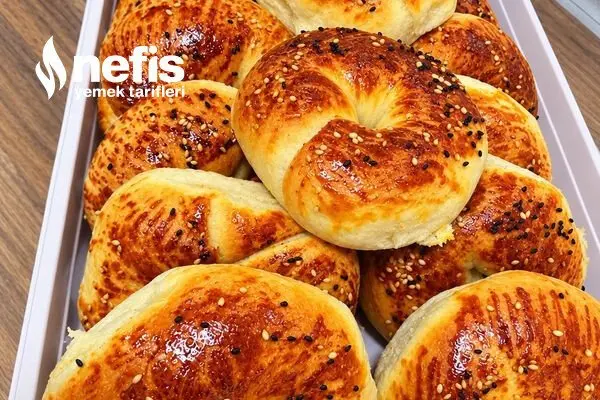
ISTANBUL — As parents continually seek creative, wholesome, and comforting options for children’s school lunchboxes, home cooks and culinary enthusiasts alike are turning their attention to a newly trending kitchen favorite. Food creator Yasemin Eren Sezen has captured the attention of countless home bakers and busy parents with her latest culinary creation, known simply as "Pamuk Açma"—translating to "Cotton-Soft Açma," a traditional Turkish style of soft, fluffy bread.
Shared through popular culinary platforms and building widespread digital engagement, the recipe has quickly become a staple in numerous recipe collections. Designed specifically to remain exceptionally soft, light, and appealing for daily meals, the formulation addresses a common challenge for parents: preparing baked goods that stay fresh and appetizing throughout a long school day.
The Story Behind the Recipe
The inspiration behind the popular Pamuk Açma recipe stems from a very practical everyday need. In households across the region, packing school lunches often involves a delicate balance between nutritional value and foods that children will genuinely enjoy eating. Recognizing that commercial baked goods often lack the warmth and wholesomeness of home-cooked alternatives, recipe developer Yasemin Eren Sezen set out to design a dough-based treat that combines simplicity with superior texture.
According to shared culinary notes from the creator, the primary focus of the recipe is achieving a feather-light consistency—hence the name "Pamuk," meaning cotton. The soft crumb and rich texture make it an ideal candidate for lunchboxes, morning breakfast tables, or afternoon snacks. Since its publication, the recipe has garnered attention for its detailed presentation and the enthusiastic visual responses of home bakers who have successfully tested the method in their own kitchens.
Understanding Traditional Turkish Baking Concepts
The term "açma" occupies a beloved place in Turkish culinary culture. Distinct from standard bread rolls or simit, traditional açma is characterized by a slightly enriched dough, often shaped by twisting strands of dough together before baking. This rolling and twisting technique not only gives the pastry its characteristic visual appeal but also contributes to its distinct texture, allowing layers of soft crumb to form naturally during the baking process.
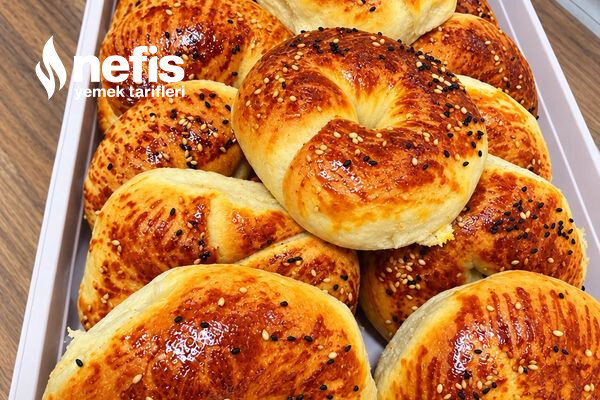
In Sezen’s modern adaptation, the emphasis is placed heavily on achieving maximum tenderness. While traditional variations can sometimes vary in texture depending on regional techniques and resting times, this particular formulation focuses on ensuring that the interior remains moist and soft long after cooling. This makes it particularly valuable for meal-prepping parents who need items that can be baked ahead of time and packed conveniently into containers or lunch bags.
Ingredients and Preparation Approach
While detailed proportions are tailored for optimal results, the structural foundation of the Pamuk Açma relies on classic, accessible kitchen ingredients common to traditional enriched doughs. The formulation is divided into two primary components: the core dough mixture, which requires careful kneading and adequate resting time to develop its characteristic elasticity, and the supplementary ingredients used for brushing or spreading during the shaping phase to enhance richness and color.
Culinary experts note that achieving the signature cotton-like texture depends heavily on environmental factors during preparation, such as allowing the yeast dough sufficient time to rise in a warm, draft-free environment. The gentle manipulation of the dough—incorporating folding and twisting techniques just before the final proofing and baking stages—ensures that the finished pastries achieve an inviting golden-brown exterior while retaining a delicate, airy interior.
Growing Popularity and Community Reception
The digital release of the Pamuk Açma recipe has resonated strongly within online food communities, reflected by an active exchange of baking photographs, reviews, and community notes shared by individuals who have tried the method at home. Food enthusiasts have praised the approach for its reliability and the comfort it brings to daily routine meals.
As interest in home-baked goods continues to grow among families looking for wholesome alternatives to processed snacks, creations like Yasemin Eren Sezen’s Pamuk Açma highlight the enduring appeal of traditional baking techniques adapted for modern, everyday convenience. With its combination of comforting flavors and a texture designed to withstand the test of a school day, the recipe stands out as a practical and cherished addition to contemporary home cooking.