As winter temperatures settle across the country, dining tables are increasingly turning toward traditional, nutrient-dense soups that offer substantial nourishment and warmth. Far from serving merely as light appetizers or modest precursors to an evening meal, several regional Turkish soups carry the density, intricate preparation, and rich ingredients required to function as complete, standalone feasts. From the fiery, slow-cooked lamb broths of Southeastern Anatolia to the delicate, hand-rolled specialties of Central Turkey, these time-honored recipes highlight the deep cultural heritage and culinary ingenuity embedded in the nation’s regional kitchens.
Centuries of culinary development across Anatolia have given rise to recipes that maximize both flavor and sustenance. Whether utilizing long-simmered bone broths, delicate dumplings, dried flora preserved from the summer harvest, or restorative poultry reductions, these dishes demonstrate how regional gastronomy transforms essential pantry staples into deeply satisfying comfort food. Culinary experts and home cooks alike continue to celebrate five classic recipes—Beyran, Yüksük, Yuvalama, Kuru Bamya, and Tavuklu Sebzeli Tel Şehriye—that stand at the intersection of culinary heritage, restorative nutrition, and winter comfort.
Beyran Çorbası: Gaziantep’s Fiery, Slow-Cooked Morning Staple
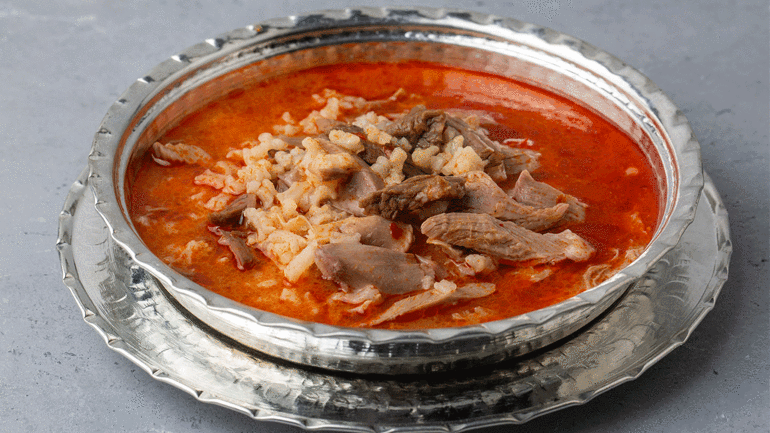
Hailing from the renowned culinary capital of Gaziantep, Beyran soup represents one of the most distinctive and labor-intensive culinary achievements in Turkish regional cooking. While often classified under the broad umbrella of soups, Beyran possesses the body, protein concentration, and complexity of a heavy main course. Traditionally prepared in specialized copper plates over intense open flames, the dish is historically consumed during early morning hours to provide laborers and locals with long-lasting vitality and defense against the morning chill.
The foundation of authentic Beyran rests upon hours of patient preparation. The process begins with lamb neck and marrow bones, which are gently simmered over low heat for up to ten to twelve hours until the meat reaches complete tenderness and falls away effortlessly from the bone. This prolonged simmering draws out collagen, gelatin, and deep flavor, producing a rich, unctuous broth that forms the soul of the dish.

When assembled, cooked rice is layered into heavy copper pans alongside generous portions of the shredded, slow-cooked lamb and a measured quantity of rendered lamb fat. Generous amounts of freshly crushed garlic and vibrant Aleppo pepper flakes (pul biber) are layered directly over the meat and rice. The dish is then placed over roaring flames, allowing the garlic and pepper to briefly sear in the sizzling fat before the boiling, concentrated meat broth is ladled on top. The resulting soup is bold, intensely aromatic, and unmistakably invigorating, offering a deeply therapeutic combination of garlic, capsicum heat, and pure lamb essence that warms the body from the inside out.
Yüksük Çorbası: The Comforting Dumpling and Chickpea Classic
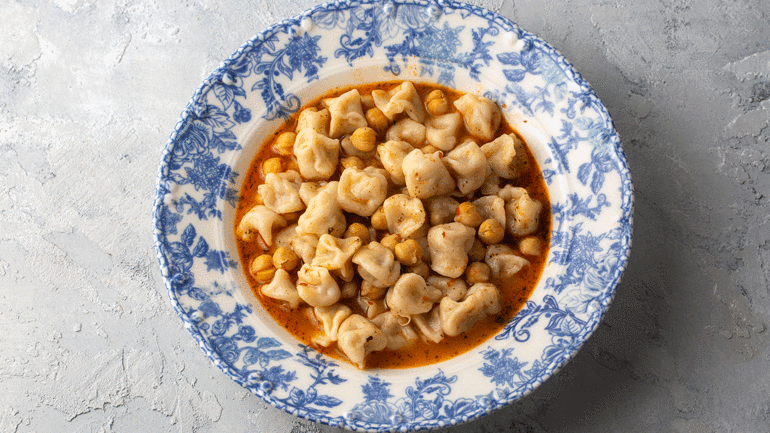
Representing the rich culinary traditions of the Cilician plains and the wider Mediterranean and Southern Anatolian regions, Yüksük soup—often referred to as thimble soup due to the diminutive size of its dough parcels—brings together hand-crafted dough, legumes, and a tangy spiced broth. The dish is widely celebrated for its ability to feed large family gatherings and festive celebrations, providing exceptional substance through a harmonious combination of protein, carbohydrates, and aromatics.

The structural heart of Yüksük soup is the tiny, hand-crimped mantı (meat-filled dumplings). Prepared from unleavened dough rolled out thin and filled with seasoned minced beef or lamb, each dumpling is shaped into an exceptionally small parcel designed to fit comfortably onto a dinner spoon alongside whole chickpeas. These delicate dumplings are combined with pre-soaked, tenderly boiled chickpeas in a deeply flavorful cooking base.
The soup’s liquid foundation is crafted from a rich meat or bone broth enriched with concentrated tomato and sun-dried pepper pastes, which impart a vibrant red hue and an assertive savory depth. As the ingredients simmer together in a single pot, the starch released from the boiling dumplings naturally thickens the liquid into a silky, cohesive consistency. Fresh garlic, dried mint heated in butter, and freshly squeezed lemon juice are introduced toward the final stages of cooking, creating an appetizing contrast of acidity, herbaceous brightness, and robust warmth that makes the dish uniquely satisfying.

Yuvalama Çorbası: A Masterpiece of Patience and Craftsmanship
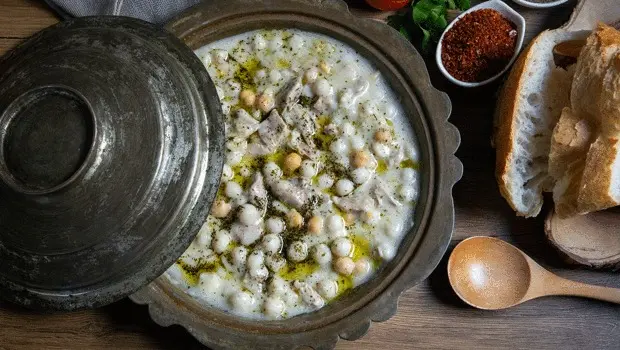
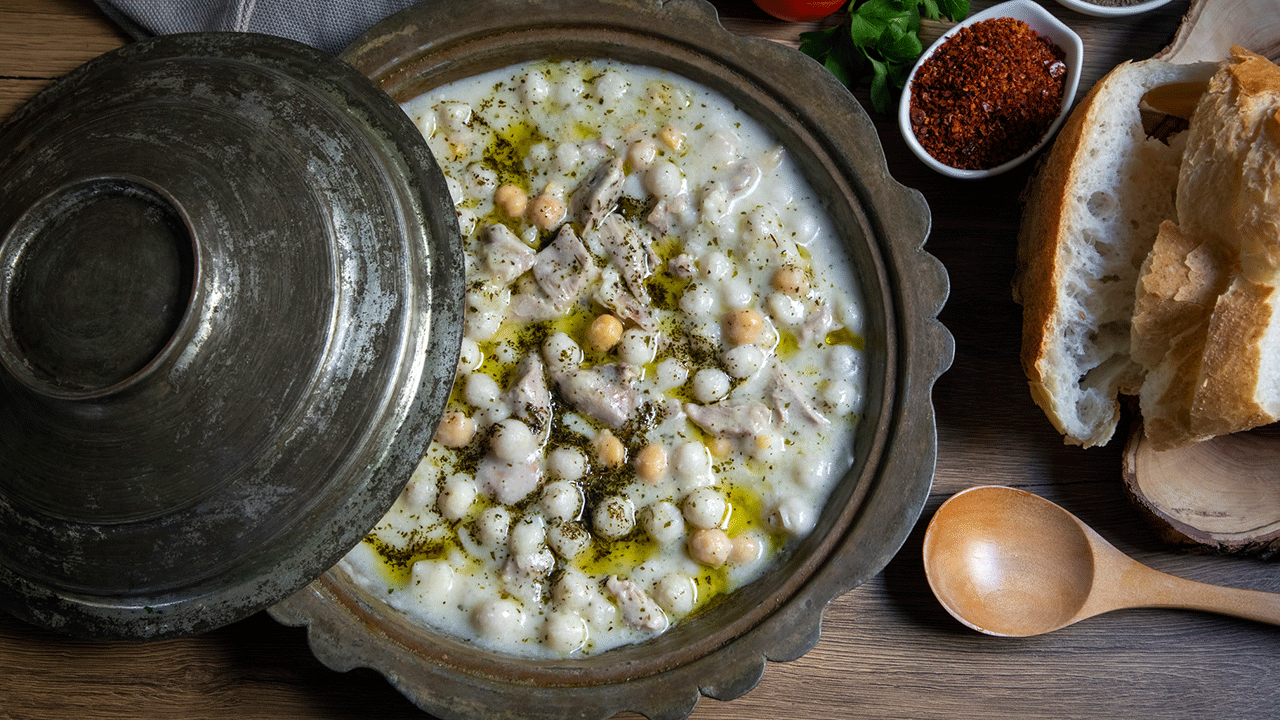
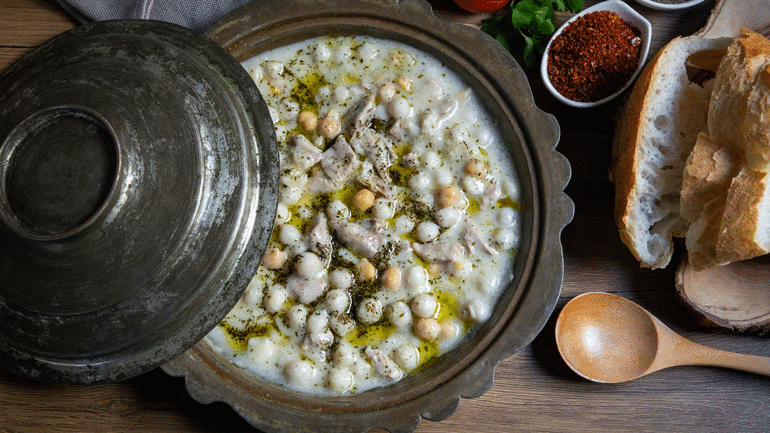
Few dishes reflect the dedication, communal spirit, and refined technique of Gaziantep cooking quite like Yuvalama soup. Frequently prepared for major holidays, family gatherings, and religious feasts such as Eid al-Fitr, Yuvalama is an extraordinary demonstration of patience and artisanal craftsmanship, featuring hundreds of minuscule, pearl-sized meatballs simmered in a creamy, warmed yogurt broth.
The preparation of the signature dumplings requires extraordinary attention to detail. Rice is soaked, dried, and ground into a fine flour before being thoroughly kneaded with lean minced meat, black pepper, and salt to form a firm, cohesive paste. Family members often gather together to roll this mixture between their palms into hundreds of tiny spheres, each no larger than a chickpea, designed so that dozens can fit comfortably into a single tablespoon. These microscopic meatballs are then gently steamed to preserve their structural integrity before entering the soup pot.
To build the final dish, the steamed meatballs are united with tender cubes of stewed beef or lamb and pre-cooked chickpeas in a rich meat broth. The entire mixture is then brought together with a temperate, strained yogurt base that has been carefully stabilized with egg or starch and gradually tempered with hot broth to prevent curdling. The result is an exceptionally velvety, pale broth with a delicate tartness. Just prior to service, the soup is finished with a fragrant drizzle of sizzling olive oil or melted butter infused with dried mint, creating a stunning visual contrast and an unforgettable balance of richness and brightness.
Kuru Bamya Çorbası: Konya’s Elegant Sweet and Sour Tradition
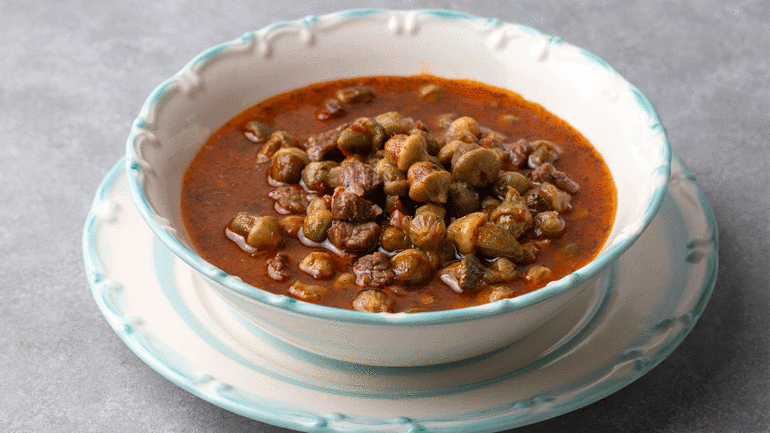
Deeply rooted in the imperial and regional heritage of Konya, Kuru Bamya soup stands out as one of Central Anatolia’s most sophisticated culinary contributions. Renowned as an indispensable course at traditional wedding feasts and formal banquets, where it is historically served between heavier meat dishes to refresh the palate, this dried okra soup is celebrated for its harmonious balance of tender meat, delicate vegetal notes, and a signature citrusy tang.
The preparation relies exclusively on tiny, sun-dried flower okra, which are harvested when young and strung onto threads to dry naturally under the summer sun. Because dried okra can release an undesirable viscous texture if handled improperly, the preparation demands specific culinary care. The dried pods are gently blanched in water with lemon juice to clean them and remove their outer fuzz while preventing mucilage, after which they are carefully removed from their strings.
In the soup pot, small, tender cubes of lamb or veal are browned with finely chopped onions, butter, and tomato paste until fragrant. The prepared okra and rich broth are added to the pot, allowing the flavors to meld over a steady, gentle simmer until the meat achieves melt-in-the-mouth tenderness. The defining characteristic of Kuru Bamya is its assertive acidity, achieved through liberal additions of fresh lemon juice or sumac water, which cuts through the richness of the meat and leaves a clean, bright, and deeply satisfying finish that has made the dish an enduring classic across generations.
Tavuklu Sebzeli Tel Şehriye Çorbası: The Ultimate Restorative Bowl
While regional specialties often demand hours of intricate assembly, vegetable and vermicelli chicken soup (Tavuklu Sebzeli Tel Şehriye Çorbası) remains a universal symbol of domestic comfort, home nourishment, and physical recovery across the country. Revered for its lightness, wholesome ingredient profile, and naturally restorative properties, this classic chicken soup is a cornerstone of family dining throughout the colder months.
The foundation of the soup is a clean, aromatic golden broth produced by gently poaching whole chicken or bone-in pieces alongside mirepoix vegetables such as carrots, celery, onions, and parsley stems. Once thoroughly cooked, the chicken meat is pulled away from the bone and finely shredded, ready to be reintroduced to the clarified broth alongside diced carrots, sweet bell peppers, and other seasonal aromatics.
Fine tel şehriye (vermicelli pasta) is cooked directly in the simmering vegetable and poultry broth, swelling to absorb the concentrated chicken flavor while naturally thickening the soup just enough to provide a comforting, spoon-coating body. Freshly cracked black pepper, a splash of lemon juice, and a shower of finely chopped flat-leaf parsley add vibrancy and freshness just before the soup is ladled into bowls. Light yet deeply nourishing, it provides balanced hydration, lean protein, and immune-supporting nutrients that appeal equally to children and adults seeking comforting, home-style nourishment.
A Lasting Legacy on the Modern Table
As winter continues to encourage home cooking and communal dining, these five iconic recipes underscore the enduring relevance of traditional Turkish soup culture. Combining time-tested culinary techniques with accessible, whole-food ingredients, they demonstrate that a single pot of soup can deliver the nutritional richness, deep flavor, and cultural resonance of a complete culinary feast.