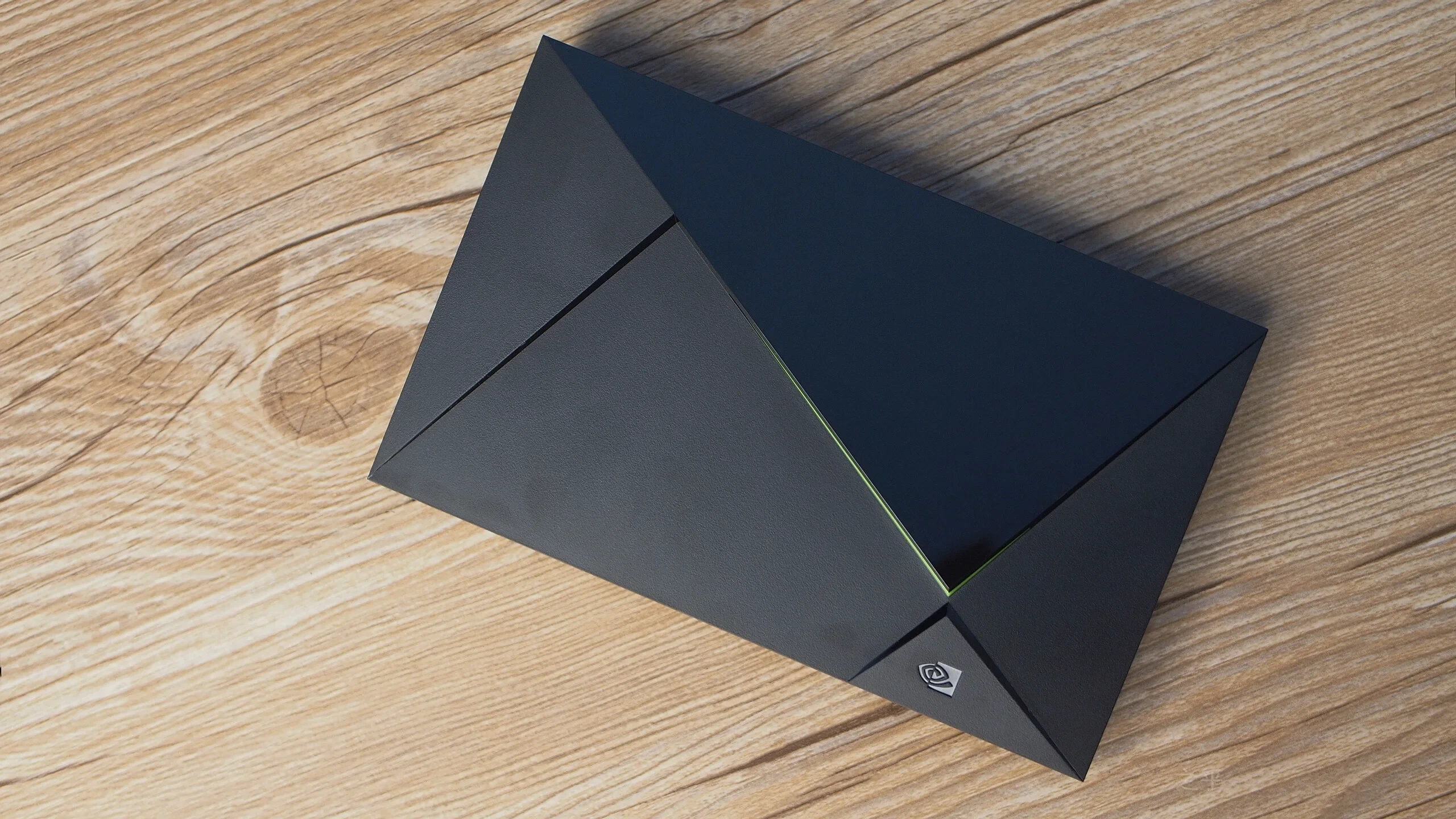
In an unexpected development that has reverberated across the consumer electronics and home entertainment landscapes, Nvidia has officially implemented a substantial price increase for its long-standing Android TV flagship, the Nvidia Shield TV Pro. Despite receiving no hardware updates or internal hardware refreshes in recent years, the premium streaming and gaming device has seen its retail price surge by $100, climbing from its long-held price point of $199.99 to a new tier of $299.99 on the company’s official website.
According to industry data and official company positioning, this dramatic 50 percent price hike is a direct consequence of the global artificial intelligence boom, which has triggered a severe and far-reaching memory component crisis. The massive surge in demand for enterprise-grade AI hardware has placed unprecedented pressure on global semiconductor supply chains, driving up the manufacturing and procurement costs of critical memory components used across Nvidia’s entire product portfolio, including legacy consumer devices.
In tandem with this price adjustment, Nvidia has also quietly restructured its consumer Android TV lineup. The company has officially discontinued the standard, entry-level Shield TV model—often colloquially referred to as the "Shield TV Tube"—leaving the newly repriced Shield TV Pro as the sole surviving representative of Nvidia’s dedicated home entertainment hardware ecosystem.
The AI Memory Crisis and Its Ripple Effects on Consumer Hardware
To understand why a consumer streaming device with hardware roots dating back several years is suddenly experiencing a major price hike, one must look at the broader dynamics currently shaping the global semiconductor industry. The rapid proliferation of artificial intelligence, machine learning, and large language model (LLM) training has created an insatiable demand for high-performance computing clusters and enterprise data centers.
These massive AI installations require specialized hardware, particularly high-bandwidth memory (HBM) and advanced DRAM configurations, to process vast pools of data at high speeds. Because major semiconductor fabrication plants and memory manufacturers have shifted their production priorities toward high-margin, high-demand enterprise AI components, the manufacturing capacity for standard consumer-grade memory modules has faced severe constraints.
This global pivot has triggered what industry analysts describe as an AI memory crisis. The shortage of essential silicon wafers, packaging substrates, and memory chips has not only impacted the production of cutting-edge graphic processing units (GPUs) and server architecture but has also driven up the raw material and logistics costs for older, established consumer devices.
For Nvidia, a company that has transitioned into a multi-trillion-dollar titan at the very center of the global AI revolution, the trade-offs of resource allocation have become increasingly stark. The components required to keep legacy consumer products like the Shield TV Pro in continuous production must now be sourced from a highly competitive and expensive global supply pool.
Rather than absorbing these rising procurement and manufacturing costs or operating at reduced profit margins, Nvidia has chosen to pass the financial burden directly to the end consumer. The $100 price increase serves as a clear indication of how the enterprise-level AI gold rush is actively reshaping the pricing structures of everyday consumer electronics, even those that do not directly utilize modern AI processing hardware.
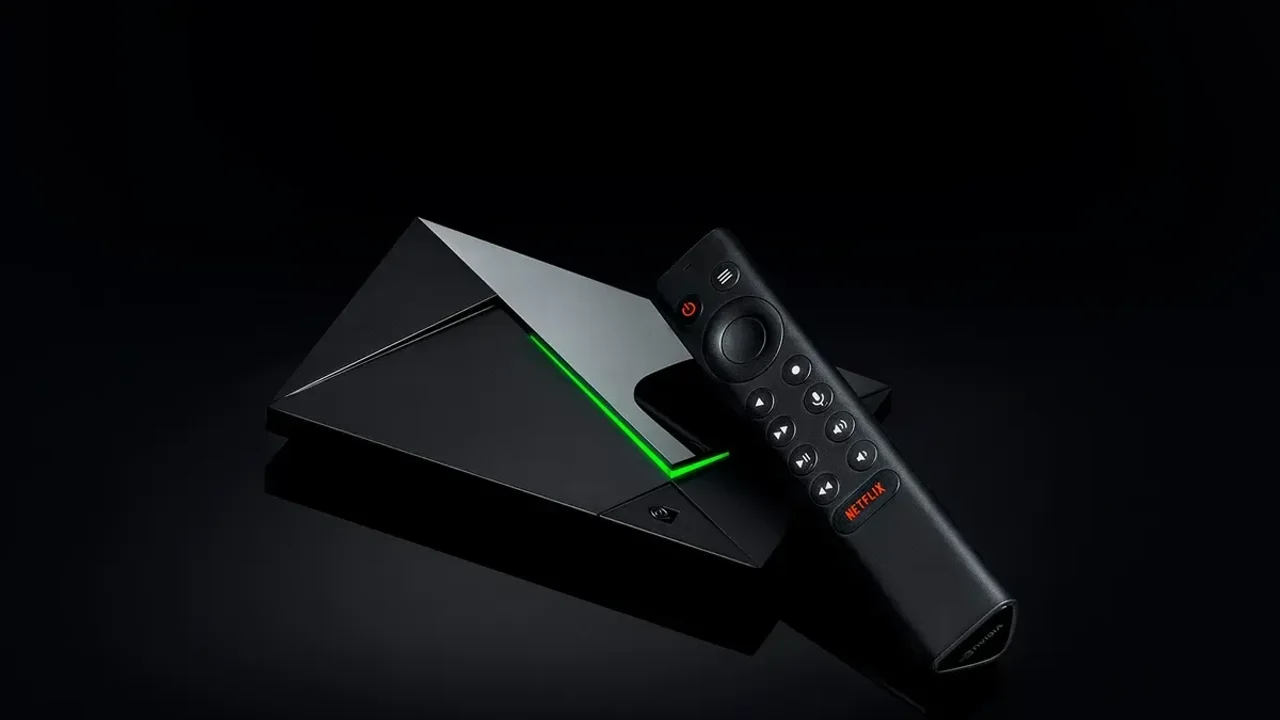
The Enduring Legacy of the Nvidia Shield TV Pro
The Nvidia Shield TV Pro occupies a unique and highly respected position in the history of consumer streaming devices. First introduced in its original form in 2015 and subsequently updated in 2017 and 2019, the Shield TV platform has long been regarded by technology enthusiasts, home theater purists, and power users as the gold standard of Android TV boxes.
At the heart of the Shield TV Pro’s enduring appeal is the Tegra X1+ processor, a custom system-on-a-chip (SoC) that, despite its age, continues to deliver performance that rivals or exceeds many modern streaming sticks and smart TV chipsets. Combined with 3GB of RAM and 16GB of expandable internal storage, the Pro model has remained a versatile powerhouse capable of handling demanding tasks that budget streaming devices simply cannot replicate.
Among its standout features, the Shield TV Pro is highly celebrated for its advanced AI-powered upscaling technology, which uses basic machine learning algorithms to upscale standard-definition and high-definition content to near-4K resolution in real-time. Furthermore, its robust audio and video format support—including Dolby Vision, HDR10, Dolby Atmos, and DTS-X—makes it an essential component for high-end home theater setups.
The device is also uniquely capable of acting as a standalone Plex Media Server, allowing users to transcode and stream local media libraries to other devices across their home networks. For gamers, the Shield TV Pro has served as an excellent portal for Nvidia’s GeForce NOW cloud gaming service, offering low-latency streaming of PC games directly to the living room television.
Because Nvidia has consistently supported the Shield TV ecosystem with regular software updates, security patches, and operating system upgrades over the years, the device has maintained an extraordinarily long lifecycle. However, the decision to raise the price of a device with hardware that has remained fundamentally unchanged for years represents a highly unusual move in an industry where aging technology typically depreciates in value over time.
Lineup Consolidation: The Discontinuation of the Standard Shield TV
The $100 price increase for the Pro model is not the only major change to Nvidia’s home entertainment portfolio. In a strategic move to optimize its supply chain and maximize manufacturing efficiency, Nvidia has officially halted production of the standard Shield TV.
Launched alongside the 2019 refresh of the Pro model, the standard Shield TV was designed as a more compact, cylindrical device aimed at mainstream consumers who wanted the performance of the Tegra X1+ chip but did not require the extra RAM, USB ports, or Plex server capabilities of the Pro variant. Originally priced at $149.99, the standard model offered an accessible entry point into Nvidia’s highly regarded TV ecosystem.
With the standard model now permanently phased out, consumers looking to enter the Nvidia Android TV ecosystem have no choice but to purchase the Shield TV Pro at its new premium price point of $299.99. The decision to retire the entry-level model highlights a growing trend among hardware manufacturers faced with rising component costs: when faced with limited resources and high manufacturing expenses, companies often choose to phase out lower-margin, budget-friendly products in order to focus entirely on high-margin, premium offerings.
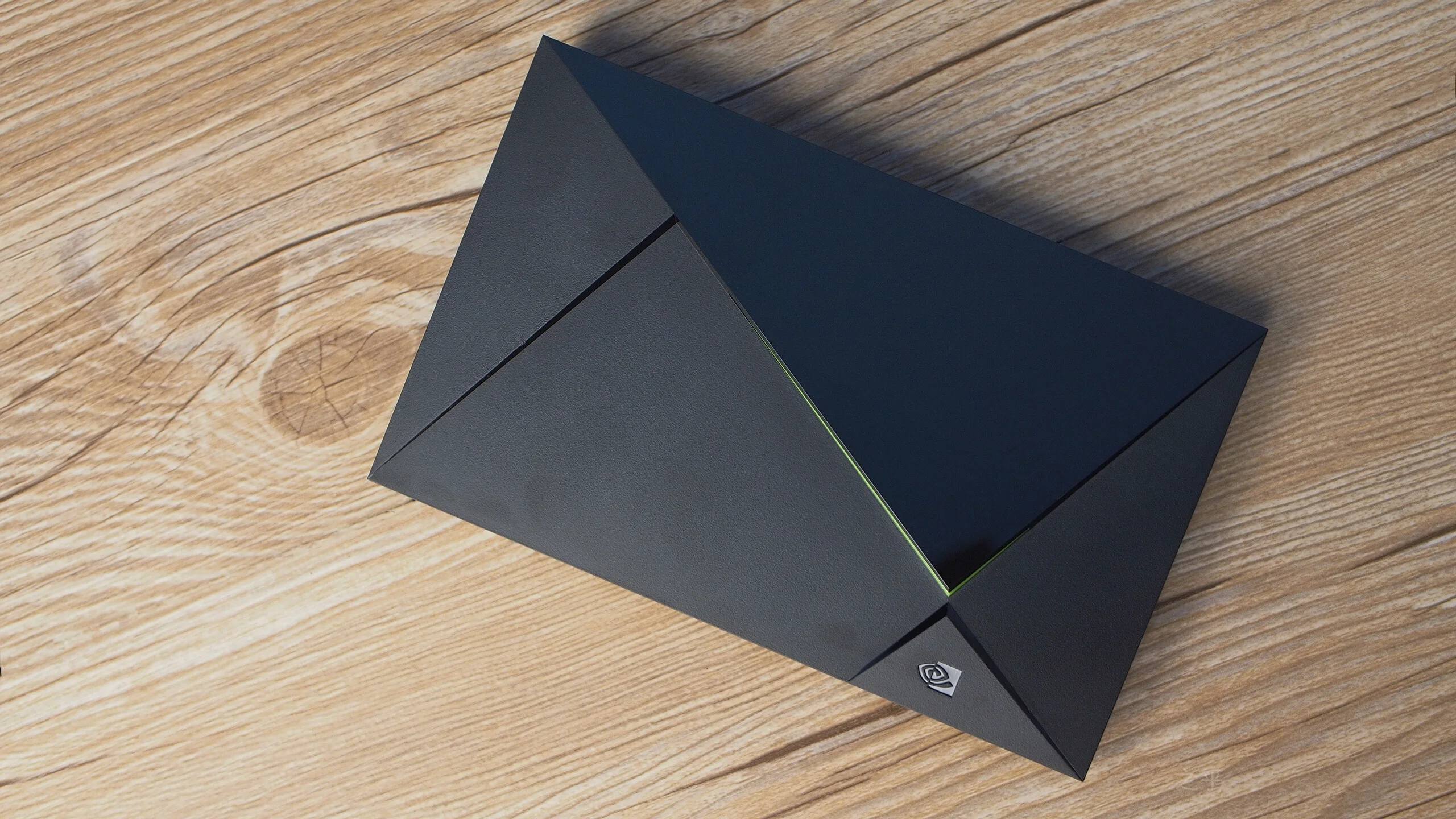
By consolidating its lineup around a single, higher-priced product, Nvidia can streamline its inventory management, simplify its consumer-facing hardware supply chains, and focus its limited production capacity on the more profitable Shield TV Pro. However, this consolidation leaves a massive pricing void in the premium streaming market, effectively pricing out casual consumers who are unwilling to spend $300 on a media streaming device.
The Consumer Dilemma in a Shifting Smart TV Market
The dramatic price hike of the Nvidia Shield TV Pro and the elimination of the standard model come at a time when the streaming device market is more competitive and cost-conscious than ever. Today, consumers have access to a wide array of modern, capable, and highly affordable streaming devices from major technology brands.
Devices such as the Apple TV 4K, which starts at $129, offer modern, highly efficient processors, extensive app support, and deep integration into premium smart home ecosystems at less than half the price of the newly adjusted Shield TV Pro. Similarly, Google’s own hardware offerings, along with high-end streaming sticks from Amazon and Roku, provide robust 4K streaming, HDR support, and modern smart TV interfaces for under $100.
While none of these competing devices offer the exact feature set that has made the Shield TV Pro a favorite among power users—such as dual USB ports for external storage, advanced local Plex hosting, and lossless audio passthrough for high-end AV receivers—the $300 price tag places the Shield TV Pro into an incredibly niche category. For the vast majority of mainstream viewers who simply want to access popular subscription streaming services in 4K, the premium features of the Shield TV Pro may no longer justify the steep financial investment.
This market reality has sparked intense debate among technology enthusiasts and home theater communities. While some argue that the Shield TV Pro remains peerless in its specific capabilities and is therefore still worth the premium for dedicated power users, others suggest that the combination of aging hardware and a massive price hike makes the device increasingly difficult to recommend over modern, more cost-effective alternatives.
As Nvidia continues to prioritize its highly lucrative enterprise AI divisions, the future of its consumer hardware products remains an intriguing point of discussion. The sharp price increase of the Shield TV Pro stands as a stark reminder of how global tech trends, industrial supply chains, and the relentless rise of artificial intelligence can have unexpected, tangible consequences on the availability and cost of the devices in our living rooms.