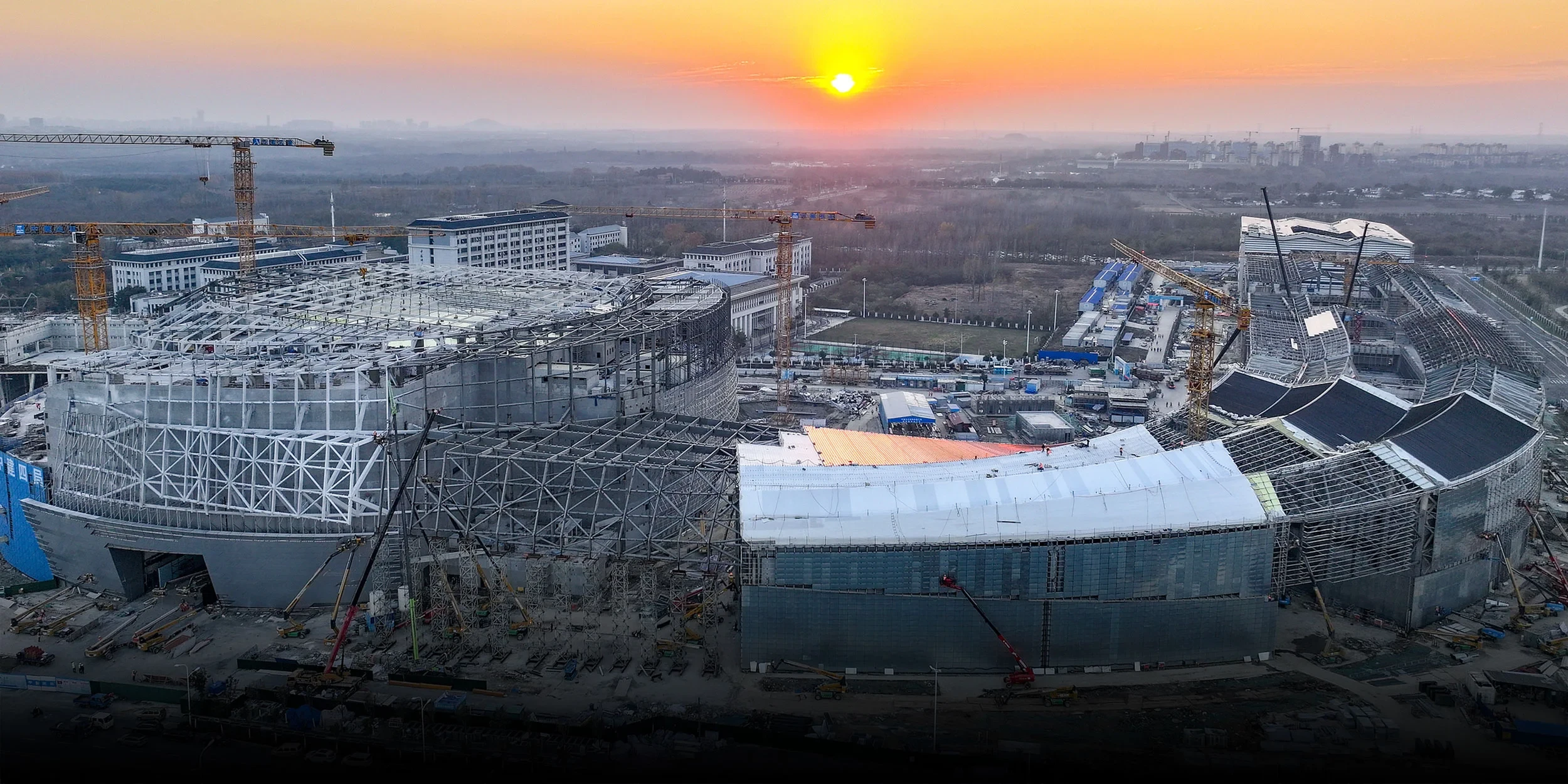
In the global race to harness the power of the stars and secure a virtually limitless source of clean energy, China has marked a significant milestone. The main building complex for the country’s next-generation "artificial sun" project—the Burning Plasma Experimental Superconducting Tokamak (BEST)—has been officially completed in the city of Hefei. With the structural framework of the facility now in place, the ambitious project has transitioned from civil construction to the highly complex and critical phase of physical reactor assembly.
This transition represents a major leap forward for China’s nuclear fusion program. Since construction began in 2023, the project has progressed rapidly. The completion of the primary facility buildings allows engineers and scientists to begin the delicate process of installing and integrating the high-tech components that will form the core of the reactor. This assembly phase is widely regarded as one of the most technically demanding stages of the entire project, requiring unprecedented precision to ensure the reactor can safely contain and sustain temperatures hotter than the core of the sun.
The BEST Project: Targeting the Milestone of Burning Plasma
The BEST reactor is not merely another experimental device designed to study basic plasma physics. Instead, it is engineered to achieve a highly coveted state in nuclear fusion research: a self-sustaining "burning plasma."
To understand the significance of this goal, it is helpful to look at how nuclear fusion works. Unlike conventional nuclear fission—which splits heavy atoms like uranium to release energy and produces long-lived radioactive waste—fusion involves forcing light atomic nuclei together to form heavier elements. This is the same process that powers the sun and other stars.
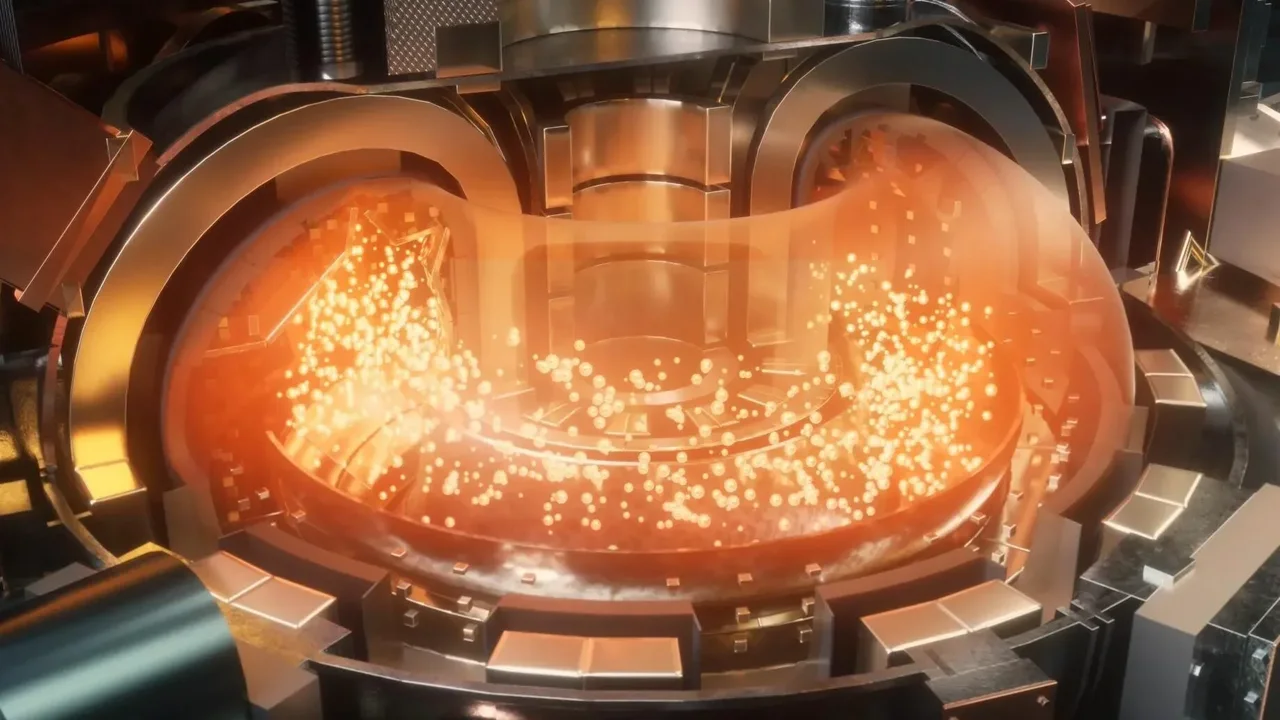
On Earth, replicating this process requires heating hydrogen isotopes to temperatures exceeding 100 million degrees Celsius. At these extreme temperatures, matter enters the plasma state, where electrons are stripped from atomic nuclei. To achieve fusion, scientists must keep this volatile, ultra-hot plasma confined long enough for the nuclei to collide and fuse.
       [ Deuterium ] (1 proton, 1 neutron)

               + ---> [ Helium-4 ] (2 protons, 2 neutrons) + [ Energetic Neutron ] + ENERGY
              /
       [ Tritium ]   (1 proton, 2 neutrons)
While previous experimental reactors have successfully produced and confined plasma for varying durations, they have relied heavily on external heating systems—such as high-power radiofrequency waves and energetic neutral particle beams—to maintain the necessary temperatures.
The BEST reactor aims to change this paradigm by using a specific fuel mixture of deuterium and tritium, which are isotopes of hydrogen. When deuterium and tritium nuclei fuse, they produce helium nuclei (also known as alpha particles) and high-energy neutrons. In a true "burning plasma" state, the energy carried by these alpha particles is retained within the plasma, providing the primary source of heating required to maintain the fusion reactions. This reduces or even eliminates the need for continuous external heating, allowing the reaction to become self-sustaining.
By achieving a burning plasma, the BEST project aims to generate between 20 and 200 megawatts of fusion power. More importantly, the reactor is designed to demonstrate a net energy gain, proving that a fusion system can produce significantly more energy than the amount consumed to initiate and sustain the reaction. Achieving a net energy gain is the ultimate threshold that must be crossed before nuclear fusion can be transitioned from an experimental science into a viable commercial power source.
The Inner Workings of the Tokamak and Its Core Components
At the heart of the BEST facility is the tokamak, a Russian-invented magnetic confinement device shaped like a torus, or a giant donut. Because no physical material on Earth can withstand direct contact with plasma heated to tens of millions of degrees, the tokamak utilizes an invisible "magnetic bottle" to suspend the plasma in mid-air, keeping it safely away from the reactor’s inner walls.
The physical assembly phase currently underway in Hefei involves integrating several highly sophisticated engineering systems that make this magnetic confinement possible:
- Superconducting Magnets: The reactor relies on powerful toroidal field magnets to generate the intense magnetic fields required to shape and confine the plasma. These magnets are superconducting, meaning they can conduct electricity with zero resistance, but they must be cooled to near absolute zero (around -269 degrees Celsius) using liquid helium to maintain their superconducting state.
- The Vacuum Vessel: This is the central chamber where the fusion reactions take place. It must maintain an ultra-high vacuum environment to prevent any impurities from contaminating the plasma, which would instantly cool the reaction and cause it to collapse.
- The Cold Shield: Positioned between the ultra-hot plasma chamber and the super-cooled superconducting magnets, the cold shield acts as an advanced thermal barrier. It provides the extreme insulation necessary to protect the cryogenically cooled magnets from the intense heat radiated by the plasma just meters away.
Since July, these key components—including the vacuum vessel sections, the thermal cold shields, and the massive superconducting magnetic coils—have been systematically delivered to the Hefei site. The engineering team is now focused on the meticulous task of aligning, welding, and vacuum-testing these colossal structures. The margin for error is virtually zero; even a microscopic misalignment of the magnetic coils could distort the magnetic field, leading to plasma instability and halting the fusion reaction.
Assembly Milestones and the Path to 2027
The successful completion of the BEST reactor’s physical assembly will mark a pivotal transition for China’s broader energy strategy. Rather than focusing solely on scientific exploration, the BEST project is designed as an engineering demonstration bridge. It aims to take the lessons learned from earlier experimental reactors and apply them directly to the technologies needed for future commercial fusion power plants.
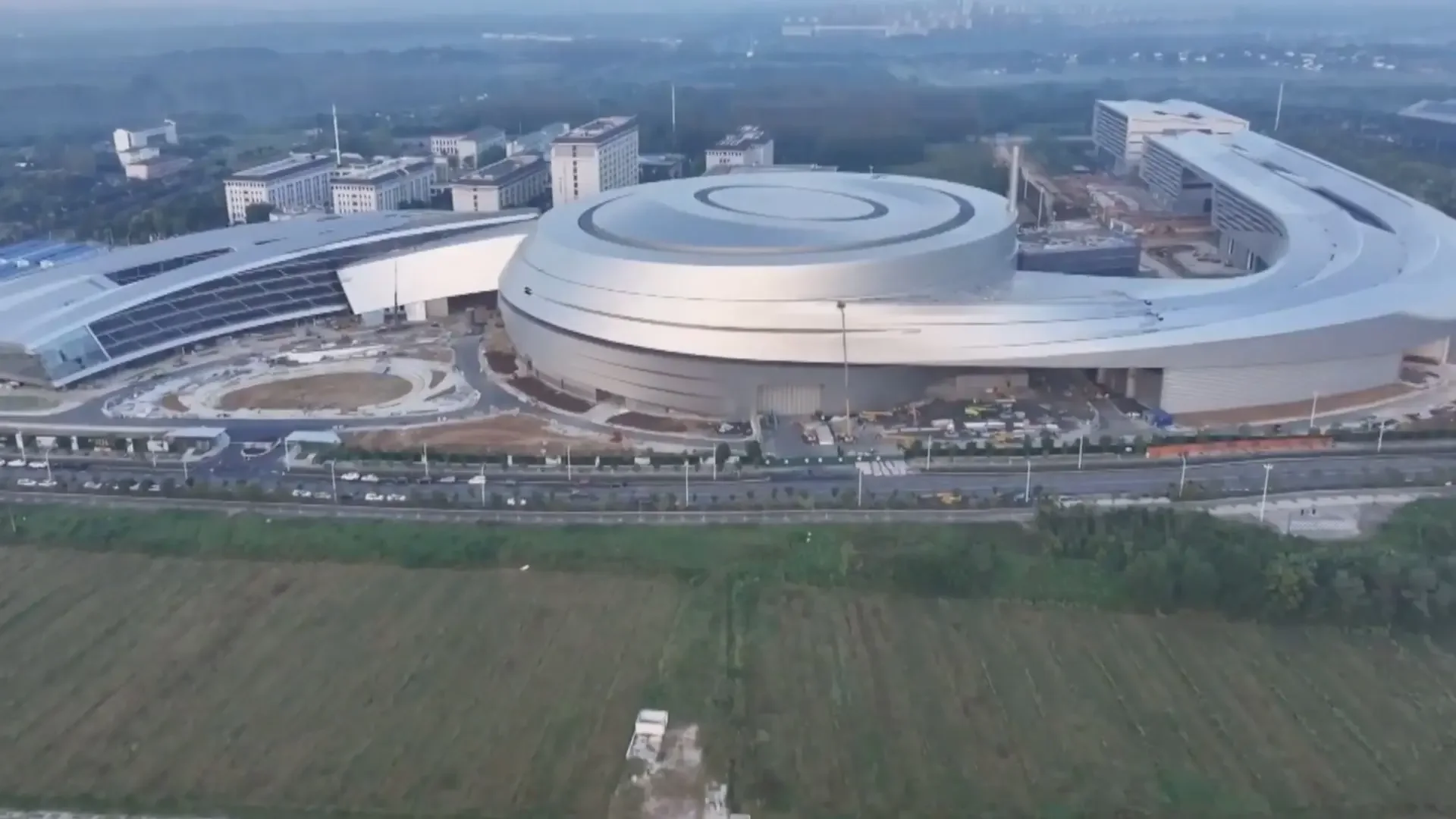
Hefei has long been the epicenter of China’s fusion research, hosting the Experimental Advanced Superconducting Tokamak (EAST), which has set numerous world records for plasma confinement times and temperatures. While EAST has provided invaluable data on plasma physics, BEST represents the crucial next step: proving that those physical principles can be scaled up to generate substantial, usable thermal and electrical energy.
According to the project timeline, the installation and testing of the BEST reactor’s intricate systems are projected to be completed by the end of 2027. Once operational, the reactor will undergo a series of rigorous testing phases, gradually ramping up the plasma temperature and density until the deuterium-tritium fuel mixture can be introduced to attempt the historic burning plasma demonstration.
The data gathered from the BEST reactor will also support international fusion research efforts. The challenges of material degradation under intense neutron bombardment, tritium breeding, and heat exhaust management are hurdles that all fusion projects worldwide must overcome. By demonstrating solutions to these engineering bottlenecks, the BEST project will provide a concrete blueprint for the construction of future commercial-scale fusion reactors.
As global energy demands continue to rise and the pressure to reduce carbon emissions intensifies, the progress of the BEST project is being closely watched by scientists and policymakers worldwide. If China can successfully meet its 2027 timeline and demonstrate a stable, self-sustaining burning plasma with a net energy gain, the dream of safe, clean, and virtually inexhaustible fusion energy will move significantly closer to becoming a reality.