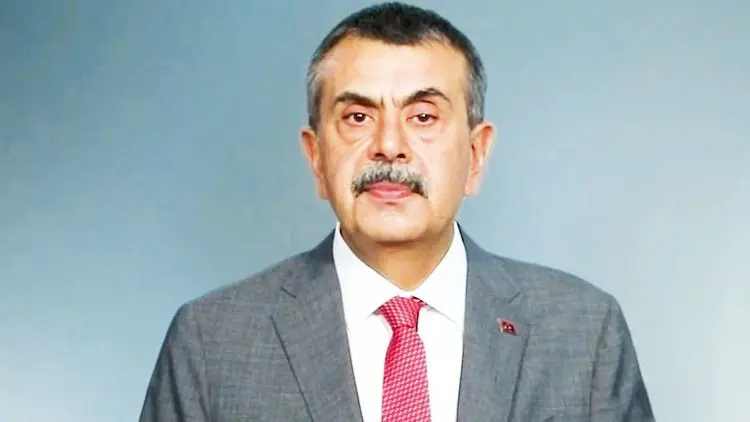
ANKARA — In a milestone for international educational collaboration and environmental sustainability, Turkey has officially joined the UNESCO-led Greening Education Partnership as its 100th member state. Marking this landmark achievement, Turkish Minister of National Education Yusuf Tekin delivered a video message at the annual meeting of the partnership, extending a formal invitation to member nations to gather in Turkey for the 31st United Nations Climate Change Conference of the Parties.
The high-level climate conference, commonly known as COP31, is scheduled to take place under Turkey’s host status in the coastal city of Antalya from November 9 to November 20, 2026. Addressing international delegates and representatives from member states, Minister Tekin emphasized the indispensable role that education must play in global climate action, calling for a unified international effort to align educational reform with environmental governance.
The announcement comes at a crucial juncture when international bodies are increasingly recognizing that long-term climate targets cannot be achieved through technological and economic policies alone. By joining the UNESCO Secretariat’s flagship green education framework, Turkey has signaled its commitment to integrating sustainability into every layer of its national educational system, while simultaneously advocating for a stronger focus on education within international climate diplomacy.
Turkey Marks a Historic Milestone in UNESCO’s Greening Education Initiative
The Greening Education Partnership, executed under the auspices of the UNESCO Secretariat, serves as a global coalition designed to deliver strong, coordinated, and comprehensive action to prepare learners to address climate change. By becoming the 100th country to join this global initiative, Turkey has underscored its strategic dedication to reforming educational paradigms to meet global ecological challenges.
The partnership operates as an international platform designed to transform education systems worldwide. It focuses on four key pillars of greening education: greening schools, greening learning curricula, greening teacher training and education system capacities, and greening communities. Through these focused areas, the initiative seeks to ensure that every learner is equipped with the knowledge, skills, values, and attitudes necessary to tackle climate change and promote sustainable development.
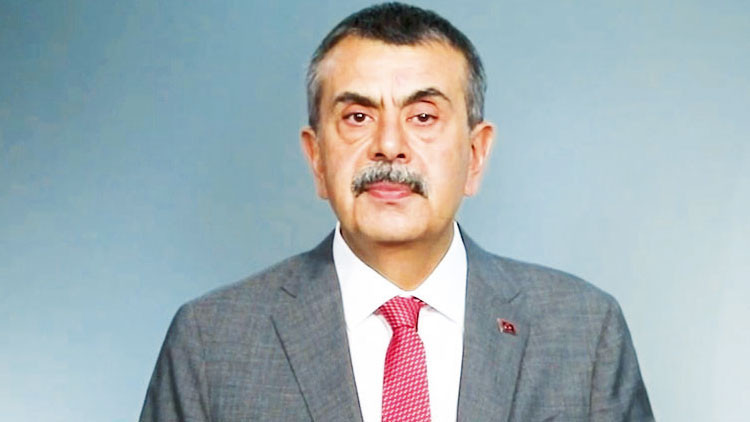
Turkey’s formal accession as the 100th member state provides significant momentum to both the national educational landscape and the international partnership itself. The milestone reflects a growing recognition within the Turkish educational leadership that ecological literacy must be treated as a foundational component of modern schooling.
In his video address broadcast during the annual GEP summit, Minister Tekin highlighted the significance of Turkey’s participation in the partnership. He noted that becoming part of this 100-nation network demonstrates Turkey’s readiness to actively contribute to global educational standards that prioritize environmental stewardship and sustainable living practices for future generations.
Bridging Climate Diplomacy and Education Diplomacy on the Global Stage
A central theme of Minister Tekin’s address was the concept of education diplomacy and its vital intersection with traditional climate diplomacy. The Minister observed that while international climate conferences historically center on emission targets, financial commitments, and geopolitical agreements, the human element—cultivated through structured education—remains the true engine of sustainable global transformation.
Tekin stated that hosting COP31 in Antalya offers an unprecedented opportunity to elevate education within the broader scope of global environmental governance. The summit in November 2026 is expected to gather thousands of diplomats, government ministers, environmental experts, civil society organizations, and international leaders to deliberate on the future of global climate policy.
According to Minister Tekin, the 31st United Nations Climate Change Conference of the Parties will serve as a historic gathering that can fundamentally strengthen collective international resolve against the escalating climate crisis. He emphasized that embedding educational strategies directly into climate negotiations will unlock new avenues for multilateral cooperation and policy development.
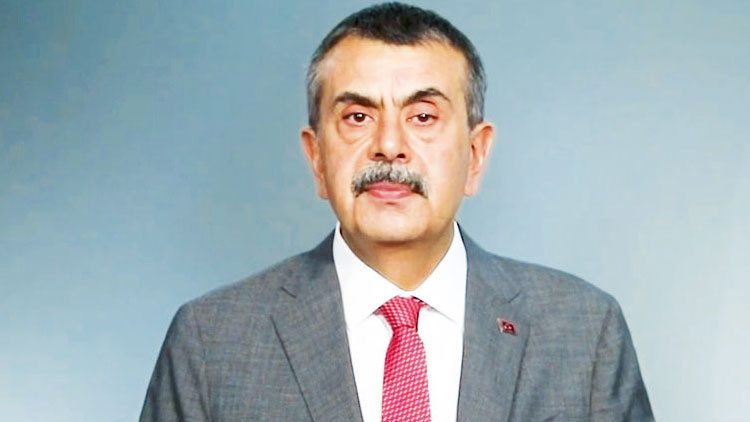
"I invite you to address together the decisive role of education in climate action, share our experiences, and develop joint projects at COP31 to be held in Turkey in November," Minister Tekin said in his address to the international community.
By framing education as a cornerstone of COP31, Tekin aims to encourage participating countries to view school systems not merely as passive recipients of environmental policy, but as active drivers of climate solutions. The Minister stressed that cross-border sharing of educational methodologies, shared research initiatives, and joint curriculum development can accelerate global climate readiness far more effectively than isolated national efforts.
The "Green Homeland" Vision and International Collaboration
In expanding upon Turkey’s vision for green education, Minister Tekin introduced the concept of the "Green Homeland" (Yeşil Vatan), a foundational principle shaping Turkey’s national environmental policy and educational philosophy. The concept emphasizes the protection, restoration, and sustainable management of the nation’s natural resources, ecosystems, and environmental heritage as a matter of national priority and duty.
During his address, Tekin explained how this national philosophy is being woven into Turkey’s educational system, nurturing a generation of students who understand their intrinsic connection to the environment. However, the Minister asserted that the principles developed under the "Green Homeland" framework are not intended to remain confined within national borders. Instead, Turkey seeks to align this national vision with international efforts to build a broader, global commitment to environmental justice and sustainability.
"We are determined to develop the understanding of education we have nurtured in the ‘Green Homeland’ together for a green world and a fairer future through the common will of COP31," Minister Tekin affirmed in his message to the GEP delegates.

This statement reflects Turkey’s intention to utilize its platform as the host of COP31 to bridge local environmental initiatives with international climate goals. By connecting the ethos of the "Green Homeland" to global educational partnerships, Turkey aims to demonstrate how national identity and ecological responsibility can combine to foster effective climate stewardship among youth.
The Minister’s call for a "fairer future" aligns closely with global discussions around climate justice and equitable access to green education. Millions of young people around the world, particularly in developing and climate-vulnerable regions, face disproportionate risks from environmental degradation while lacking access to quality environmental education. Through its participation in GEP and its host role at COP31, Turkey seeks to advocate for inclusive educational frameworks that ensure no student is left behind in the global green transition.
Educational Imperatives on the Road to COP31 in Antalya
The upcoming COP31 conference in Antalya, scheduled for November 9–20, 2026, is poised to mark a key moment in how international climate summits incorporate educational policy. As preparations for the summit continue, Minister Tekin’s invitation sets the stage for a strong educational agenda within the conference program.
Hosting the event in Antalya—a region celebrated for its natural biodiversity as well as its position as a global hub for international diplomacy—provides a symbolic and practical backdrop for high-level deliberations. The Turkish Ministry of National Education plans to work closely with international partners, including UNESCO and member states of the Greening Education Partnership, to ensure that educational forums, workshops, and policy sessions are seamlessly integrated into the COP31 framework.
By inviting GEP member nations to share their unique experiences and launch joint projects during the November summit, Turkey aims to transform COP31 into a practical launchpad for actionable educational initiatives. These collaborative efforts are anticipated to range from green school infrastructure standards and teacher capacity-building programs to international youth climate leadership networks and unified climate literacy assessments.

As international attention turns toward Antalya for COP31, Turkey’s dual milestone—joining the UNESCO Greening Education Partnership as its 100th member and hosting the premier global climate conference—positions the nation as an active leader in the movement to place education at the heart of climate action. Through education diplomacy, shared international projects, and the core principles of the "Green Homeland," Minister Tekin’s message invites the global community to recognize that building a sustainable future begins in the classroom.