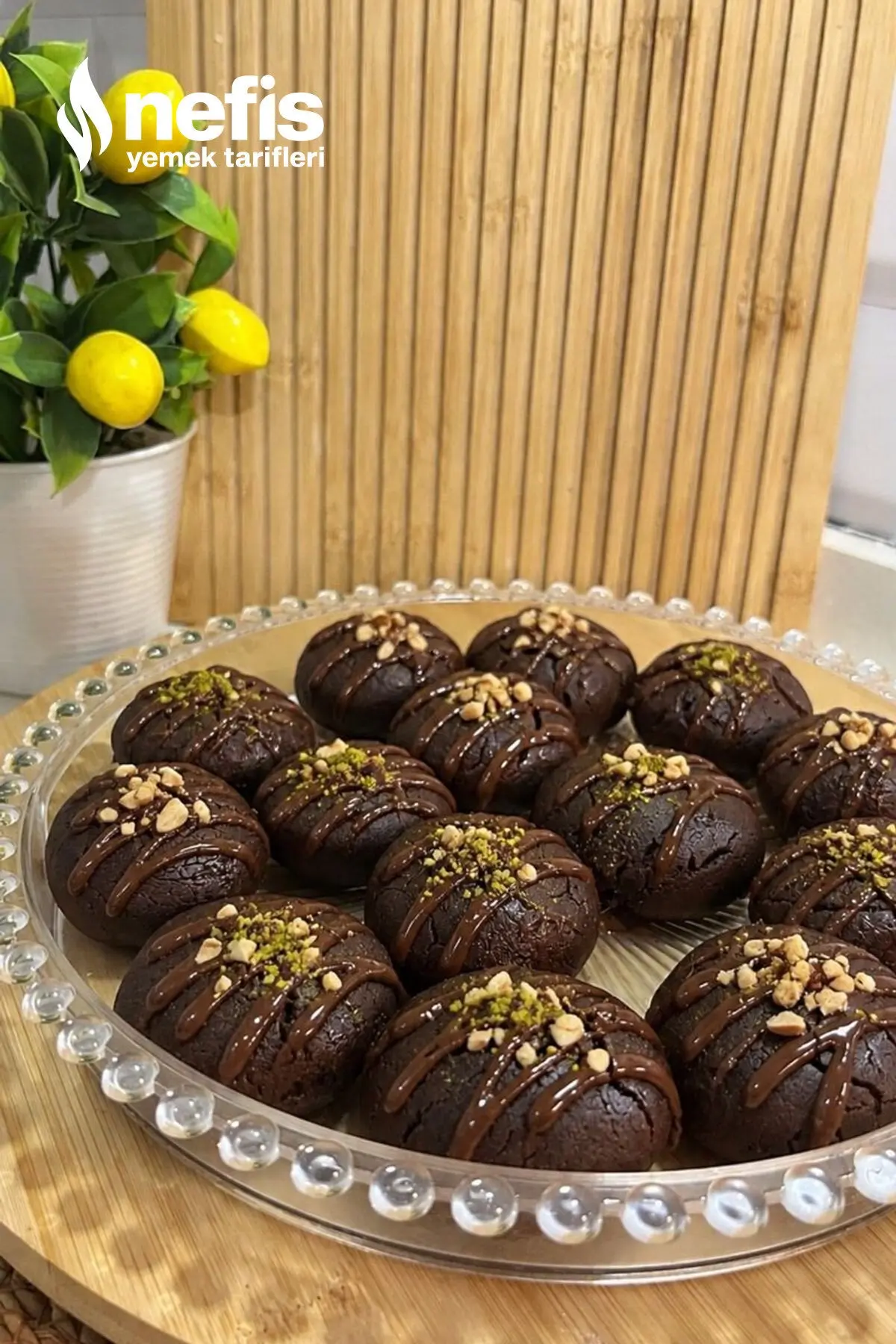
In the rich and diverse landscape of Turkish cuisine, few sweet treats have achieved the widespread popularity and cultural resonance of the "Browni Kurabiye"—a pastry that bridges the gap between a dense, fudgy brownie and a classic, comforting cookie. Recently highlighted in culinary circles by recipe developer Hilal Kotanoğlu, this beloved dessert continues to be a staple in home kitchens across Turkey, drawing hundreds of thousands of views and enthusiastic reviews from dessert enthusiasts eager to recreate the delicate balance of texture and flavor that defines the treat.
The appeal of the Browni Kurabiye lies primarily in its unique preparation method, which distinguishes it from standard baked goods. Unlike traditional cookies that rely solely on a standard dough baked to a crisp or chewy finish, this particular delicacy incorporates a distinct two-part process. The creation begins with a rich cookie dough, which is expertly shaped and baked to achieve a soft interior. What truly elevates the pastry, however, is the application of a specially prepared syrup—frequently referred to in Turkish as "şerbet"—into which the warm cookies are gently immersed shortly after emerging from the oven. This infusion ensures that the interior retains a moist, dense texture reminiscent of a classic chocolate brownie, while the exterior holds its shape and absorbs the rich flavors of the syrup and cocoa.
Culinary traditions in Turkey have long embraced the marriage of baked pastries and light syrups, a technique famously utilized in classics like şekerpare and revani. However, applying this technique to a chocolate-heavy cookie dough represents a modern evolution in home baking. Food historians and culinary experts note that recipes blending Western-style confectionery—such as brownies and chocolate chip cookies—with traditional Middle Eastern syrup-soaked methods have surged in popularity over the last decade. This cultural fusion allows home cooks to experiment with familiar international flavors while retaining the comforting textures characteristic of traditional Turkish desserts.
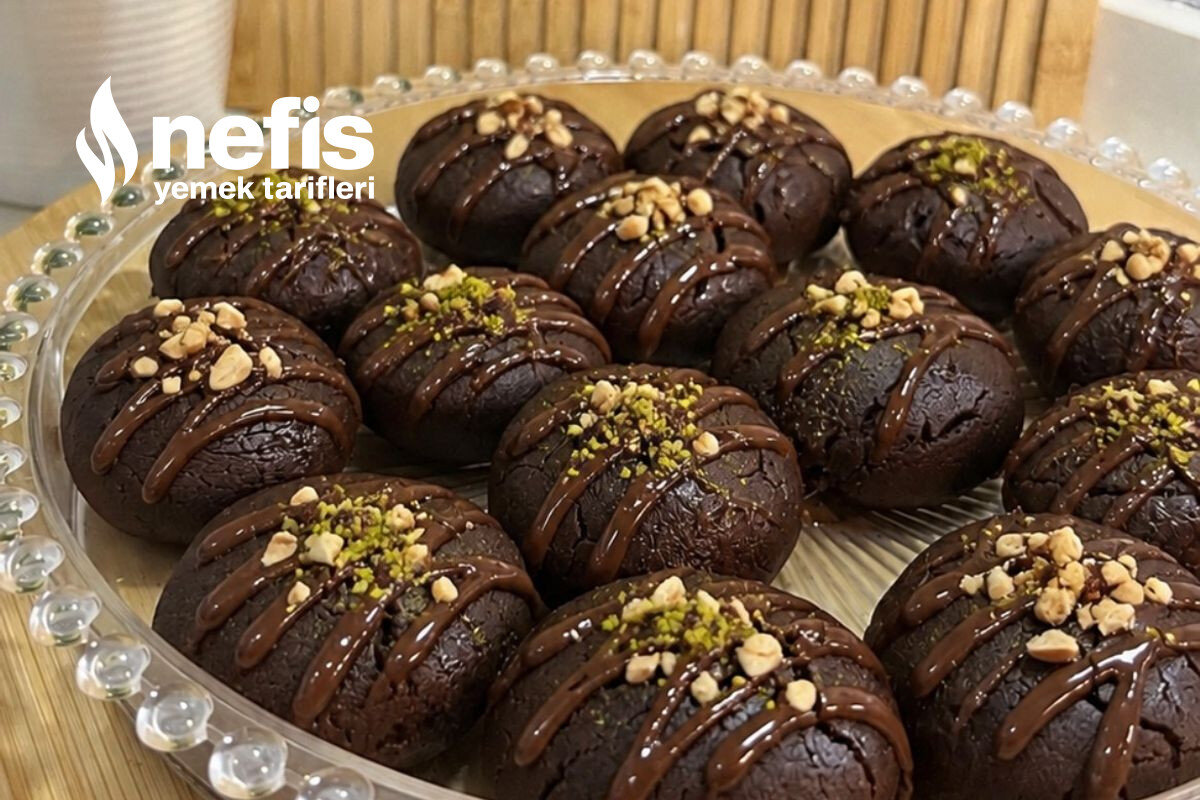
The recent spotlight on the recipe by creators like Kotanoğlu highlights a broader cultural phenomenon: the digitization of traditional and modern home recipes through dedicated food platforms. Rather than remaining locked in handwritten family notebooks, contemporary interpretations of classic sweets are shared, reviewed, and refined by communities of passionate home cooks. Photographs shared by those who have successfully prepared the dessert showcase a uniform, glossy appearance, often topped simply with a dusting of powdered sugar, crushed pistachios, or grated coconut, adding both visual contrast and a subtle nutty or sweet finish to the rich chocolate base.

As food enthusiasts continue to exchange tips and variations of the Browni Kurabiye online, the recipe remains a testament to the dynamic nature of modern baking in Turkey. It demonstrates how global confectionery influences can be seamlessly integrated into local culinary traditions, resulting in a dessert that is at once innovative and deeply comforting. Whether served alongside afternoon tea or presented as a decadent ending to a family meal, the Browni Kurabiye secures its place as a enduring favorite in contemporary Turkish households.