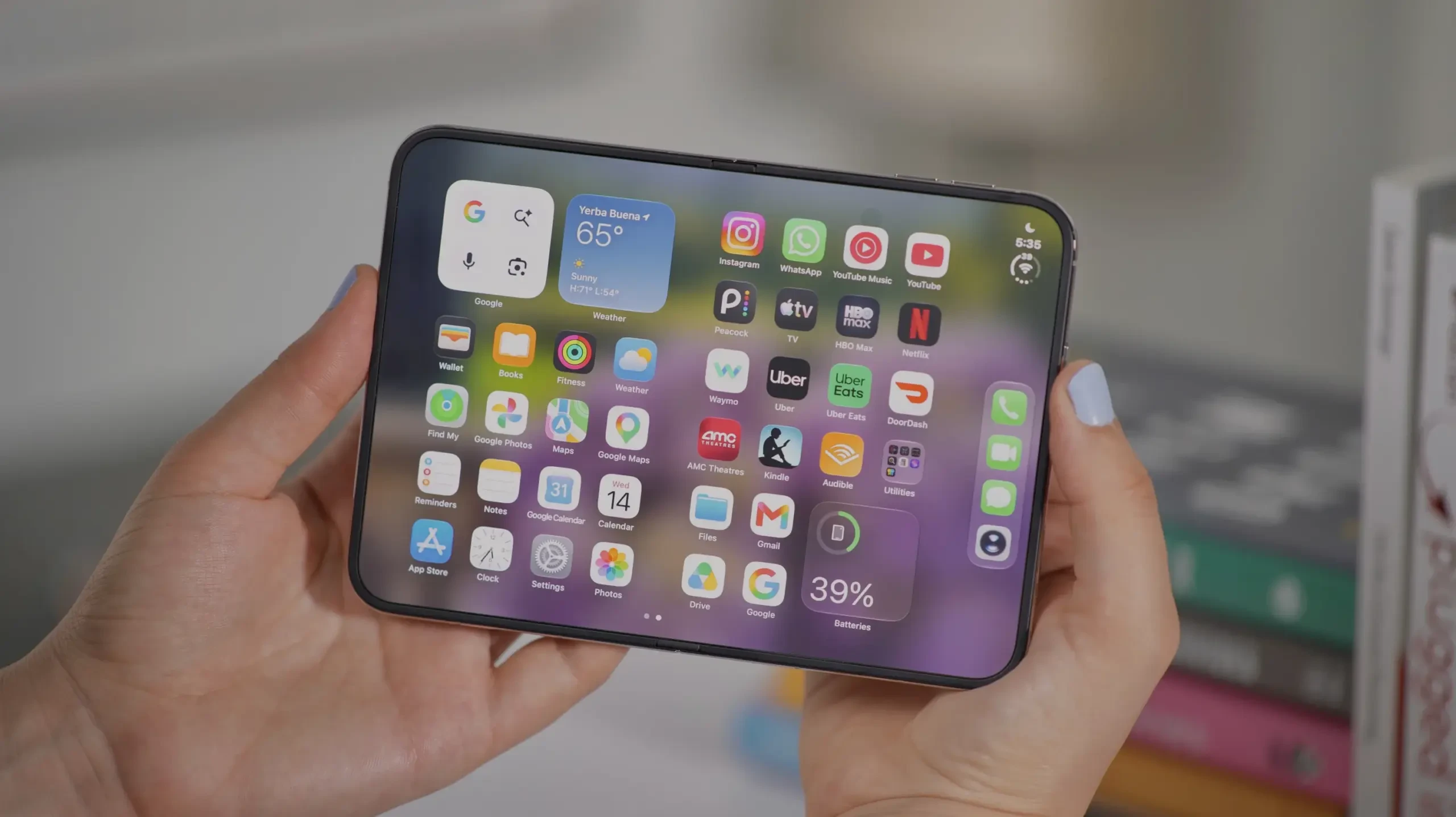
Apple has quietly released a specialized software update, iOS 27.1, engineered exclusively for its newly launched foldable device, the iPhone Duo. The unexpected operating system release comes as part of a carefully managed software distribution strategy designed to optimize the unique hardware requirements of the foldable smartphone while maintaining strict secrecy around device-specific features prior to its official market debut.
While early adopters who have managed to acquire the iPhone Duo will receive access to this tailored software build, the broader ecosystem of standard iPhone models remains on iOS 27.0.1. Consequently, standard iPhone users looking for a new software update in their system settings will not see iOS 27.1 listed. Instead, the general public is slated to receive a much larger, feature-packed release when iOS 27.2 rolls out to all compatible iPhone devices next week.
The release of iOS 27.1 highlights Apple’s distinct approach to managing hardware launches that require specialized software foundations. By isolating this operating system version specifically to the iPhone Duo, Apple ensured that proprietary software features and interface adaptations unique to the foldable display remained guarded until the hardware reached consumers.
The Role of iOS 27.1 and the Unique Setup Process for iPhone Duo
For consumers unboxing the new iPhone Duo, the device ships from the factory pre-installed with the initial version of iOS 27.1. However, upon powering on the smartphone and beginning the initial setup process, users are immediately required to download and install a newer, refined build of iOS 27.1. This day-one software update is required during the initial device configuration stage to ensure the hardware runs on the latest build.
To facilitate system restores and administrative management, Apple has also made the corresponding IPSW firmware file directly available for download. An examination of the official release notes accompanying the iOS 27.1 build reveals that the update focuses primarily on unspecified bug fixes and system stability enhancements. Interestingly, the documentation explicitly notes that no security vulnerability patches are addressed in this specific release, confirming that the update is focused entirely on operational stability, performance adjustments, and hardware synchronization for the new device form factor.
Despite the global launch of the iPhone Duo, obtaining the device remains a significant hurdle for prospective buyers. The product is currently experiencing severe supply constraints worldwide, leading to extended wait times and delayed shipping schedules. Consumers eager to purchase Apple’s foldable hardware may face continued delays before taking delivery of the device and experiencing the new software interface firsthand.
For owners of traditional, non-foldable iPhone models, the absence of an iOS 27.1 update prompt is entirely expected behavior. Apple has deliberately kept the main line of active iPhone devices on iOS 27.0.1. Standard models do not require the specialized display and interaction code embedded within iOS 27.1, making a interim public release unnecessary ahead of the major operating system upgrade scheduled for the coming days.

The engineering behind iOS 27.1 centers heavily on hardware-level integration. Foldable screen technology demands unique software behavior compared to traditional flat glass displays. Interface elements must respond smoothly to screen state changes, and software processes must seamlessly adapt to the multi-display dynamics of the iPhone Duo. The targeted release of iOS 27.1 provides the fundamental software layer necessary to ensure that the foldable screen operates in complete harmony with the underlying operating system.
Features and Improvements Arriving with iOS 27.2
While iOS 27.1 remains restricted to the foldable form factor, the broader base of iPhone users is looking toward the upcoming release of iOS 27.2. This major software iteration has been undergoing extensive testing for approximately one month across developer and public beta channels. Apple is preparing to release iOS 27.2 to all compatible iPhone models next week, bringing a comprehensive suite of new functionality, interface redesigns, and intelligence enhancements across the entire product lineup.
One of the flagship additions in iOS 27.2 is the introduction of a new feature within the Messages application known as Suggested Actions. This capability is designed to streamline communication by analyzing conversation context and offering proactive, one-tap actions directly within active message threads, reducing friction when responding to context-specific prompts.
The media consumption experience across Apple’s software ecosystem is also receiving noticeable updates in this release. The Apple Music application features a fully updated design interface alongside a refreshed application icon, aligning the music streaming platform with modern visual guidelines. Meanwhile, the Apple TV application gains long-awaited user profile support. This addition allows individual members of a household to create and switch between personalized profiles, maintaining distinct watchlists, customized viewing histories, and tailored content recommendations on a shared device.
Video communication receives a major functional upgrade through enhancements to FaceTime. With iOS 27.2, FaceTime group video calls will support a new Dual Capture feature. This functionality enables users to leverage multi-camera feeds simultaneously during group calls, expanding creative options and providing a more dynamic video streaming experience during group conversations.
Artificial intelligence capabilities are also taking a step forward with this upcoming release. Apple’s integrated assistant, Siri, is receiving expanded language support within its AI framework. This update allows Siri to comprehend and process complex requests across a broader range of international languages and regional dialects, significantly widening the global accessibility of Apple’s advanced AI features.
Deployment Strategy and What It Means for Users
The arrival of iOS 27.2 represents one of the most comprehensive and anticipated software updates for general iPhone users in recent months. Beyond visible feature additions, the update is engineered to deliver underlying system performance enhancements and maintain long-term stability across supported hardware generations. The culmination of the month-long beta testing period ensures that the operating system build has undergone rigorous performance tuning to minimize system errors and optimize battery efficiency.
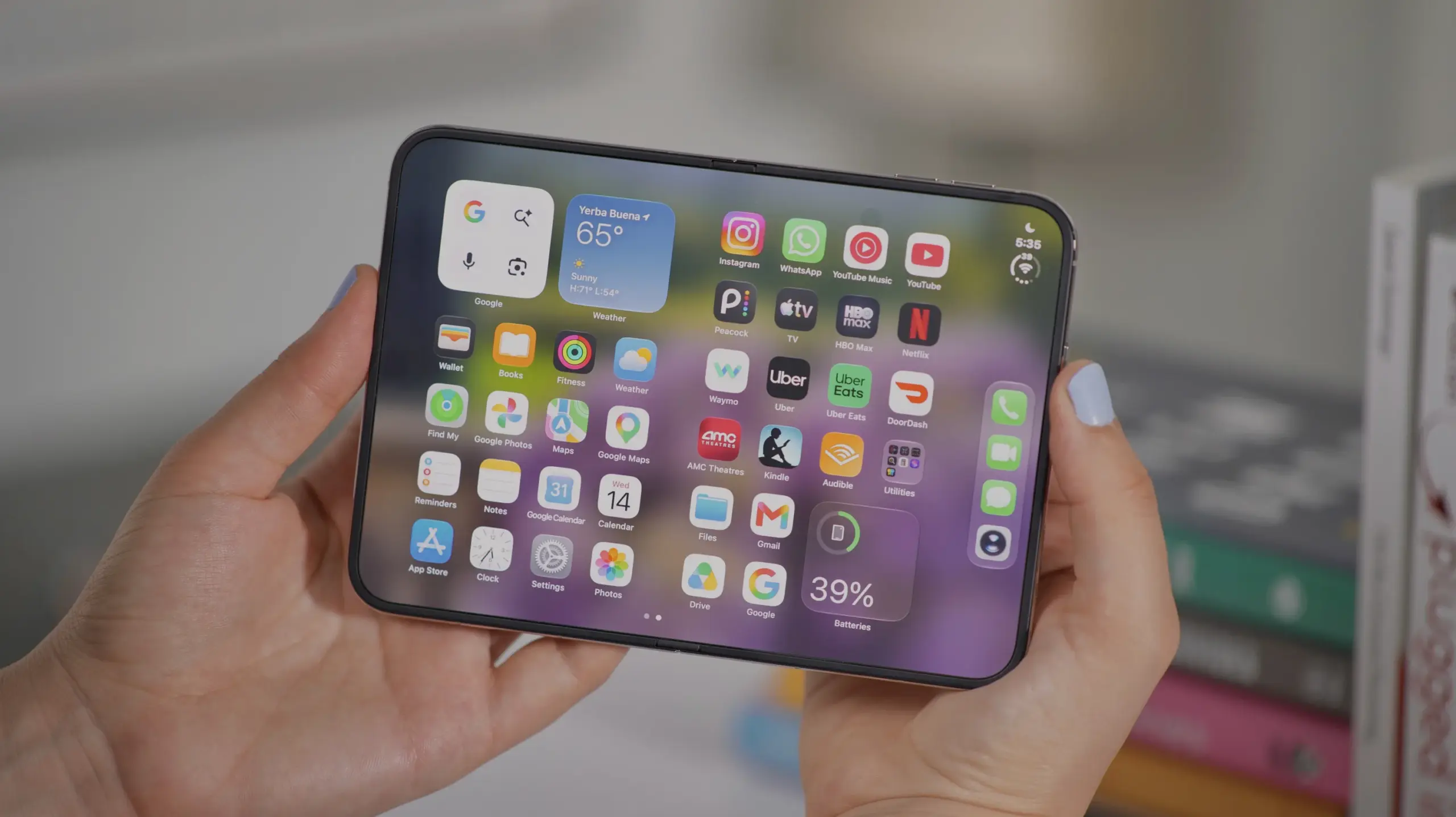
Starting next week, iPhone users will be able to check for and install the new update directly through the standard system interface. By navigating to the Settings app, selecting the General tab, and tapping Software Update, users can initiate the over-the-air installation process once the build is officially pushed live to Apple’s distribution servers.
Apple continues to rely on a structured, staged rollout strategy when pushing major software releases to its global user base. Distributing updates incrementally helps mitigate potential server overload during peak adoption hours and allows the company to monitor system health metrics across live devices. This controlled approach ensures that any unforeseen operational edge cases can be contained swiftly, protecting overall system stability for millions of active users worldwide.
The dual release strategy observed with iOS 27.1 and iOS 27.2 reflects Apple’s broader approach to managing hardware innovation alongside unified software ecosystems. By deploying an isolated build like iOS 27.1 for the iPhone Duo, Apple effectively shielded its unreleased software features and hardware capabilities from early leak channels, maintaining full control over the device’s public reveal and initial market presentation.
This approach underscores how critical software privacy and controlled release cycles have become to Apple’s hardware launch campaigns. Isolating hardware-specific code to custom firmware releases ensures that proprietary interface concepts remain unexposed until products hit store shelves, safeguarding both user experience and corporate strategy.
As the launch of iOS 27.2 approaches, standard iPhone owners can prepare for a feature-rich software update that significantly modernizes daily device interactions, while iPhone Duo owners continue to receive dedicated system refinements tailored specifically to their foldable display experience.