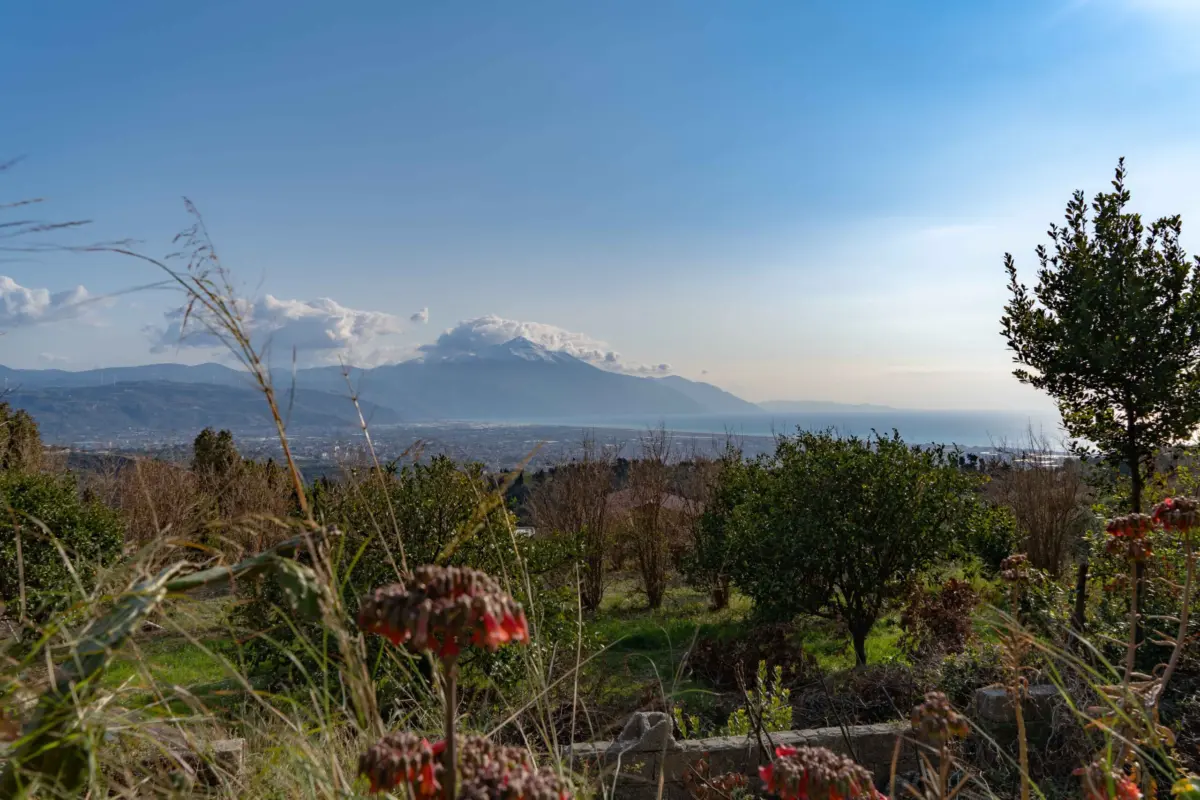
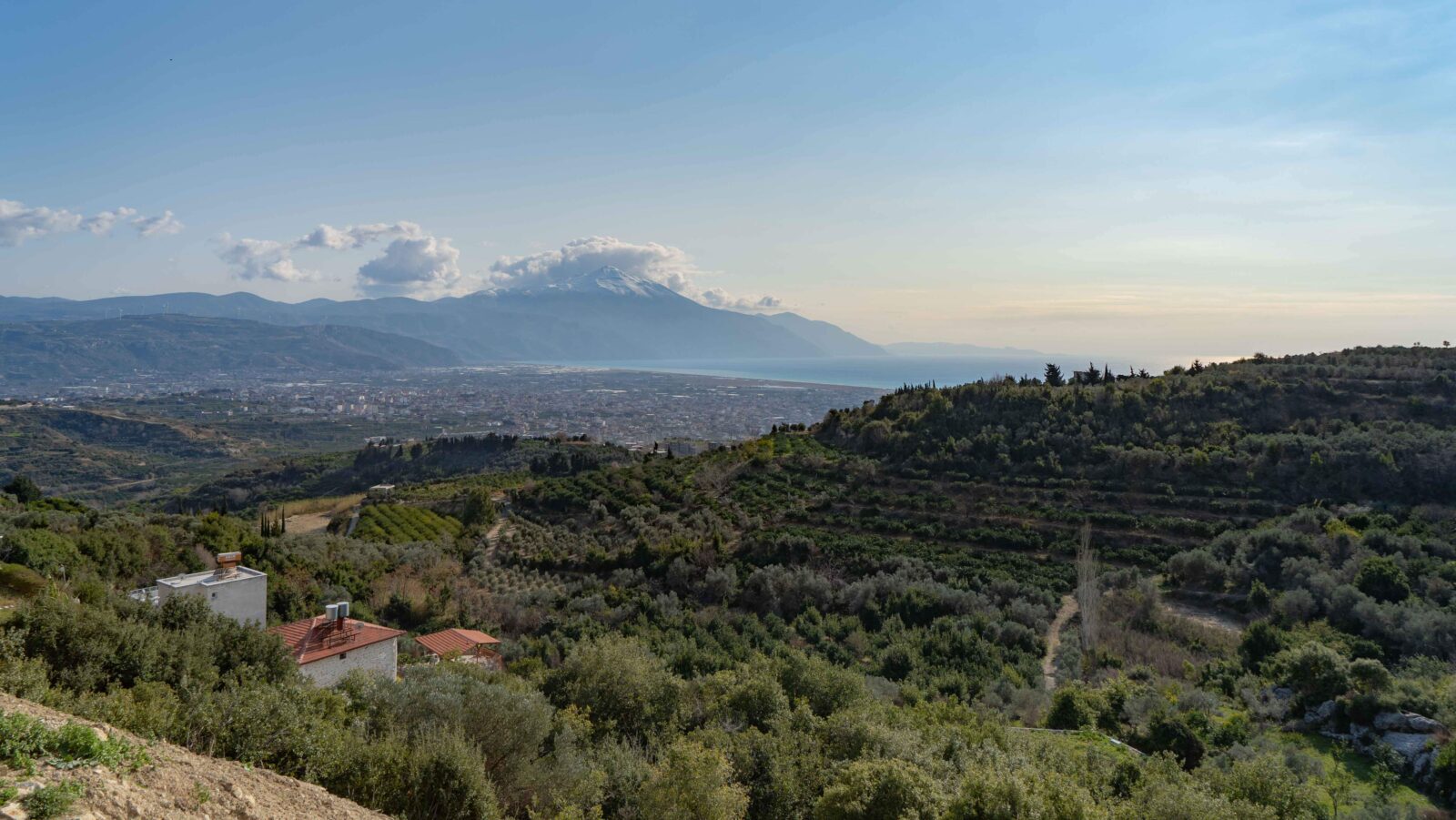
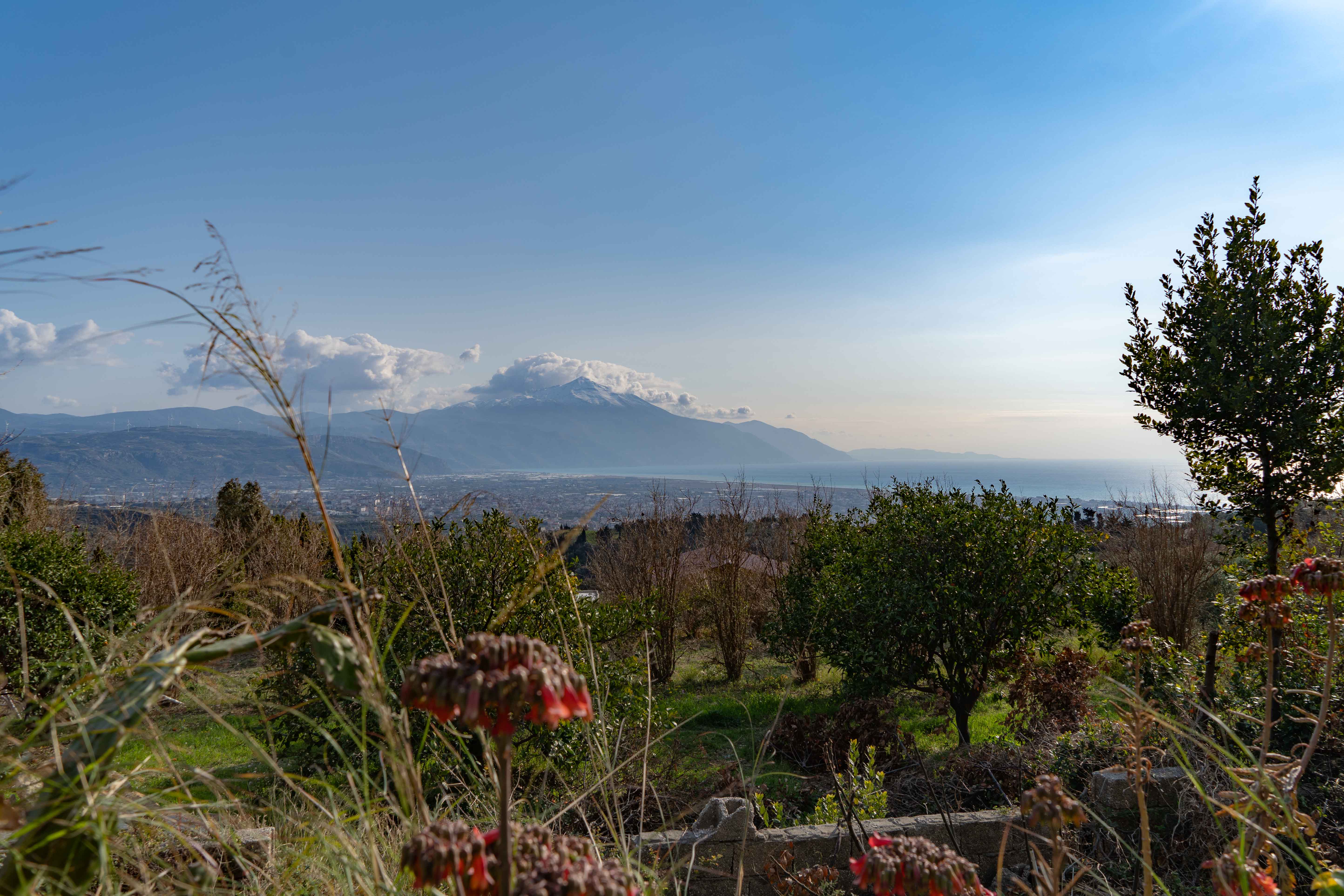
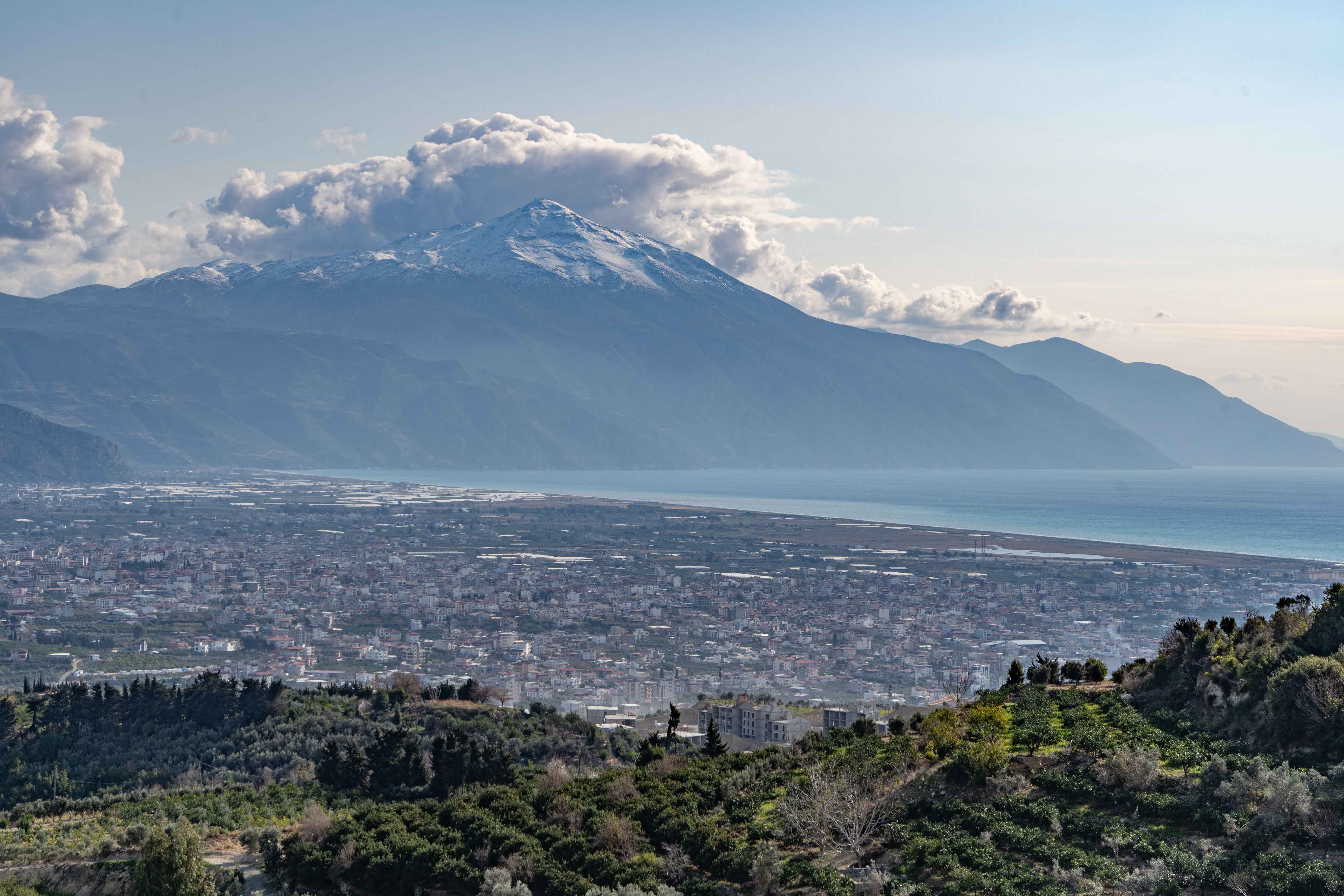
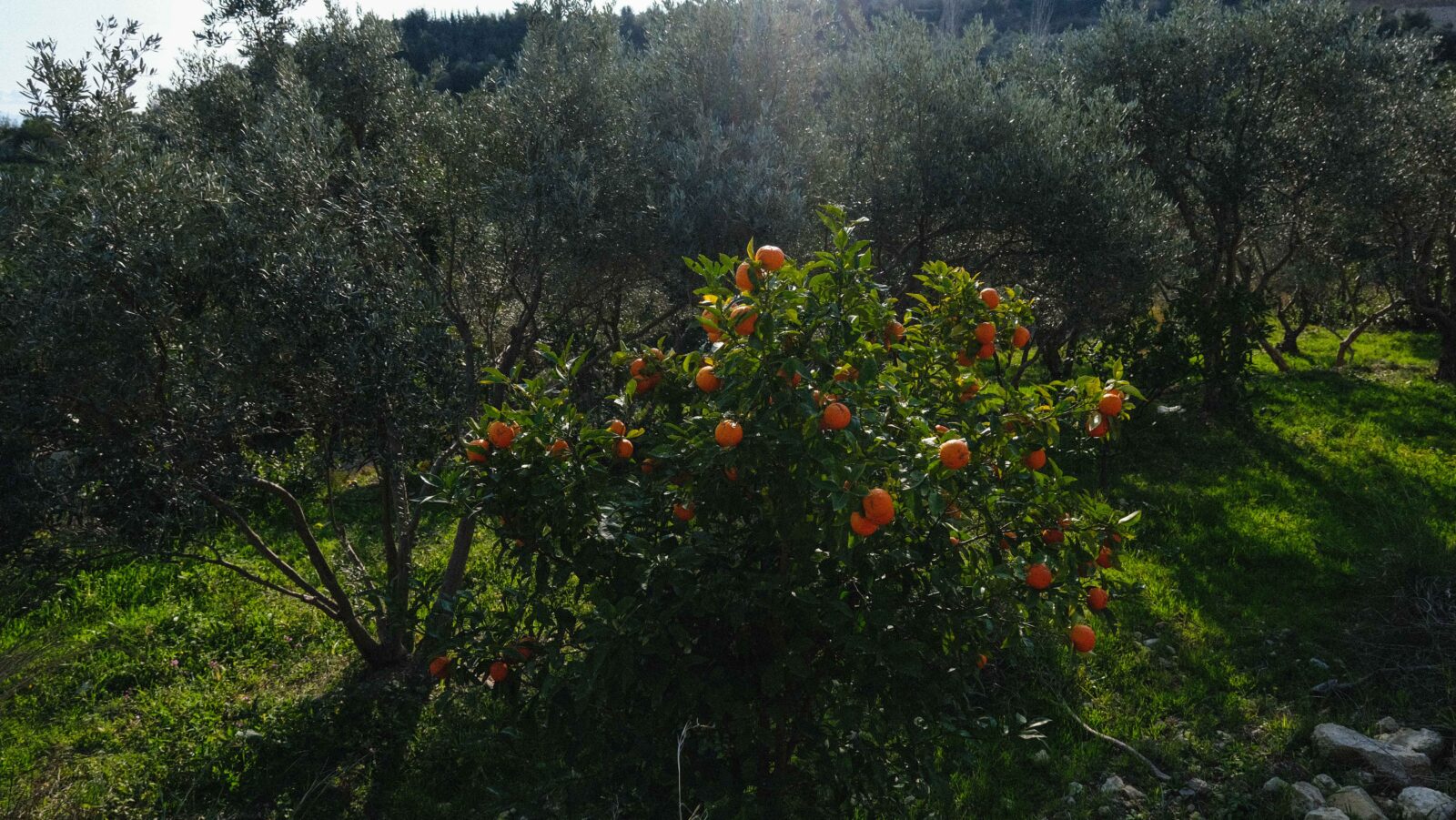
SAMANDAĞ, Hatay — Two years after twin earthquakes devastated southern Turkey, vast swaths of Hatay remain buried under rubble. Yet as one travels away from the ruined urban core of Samandağ and ascends into the hills, the physical destruction of collapsed concrete gradually gives way to lush greenery. Winding roads passing through Vakıflı toward the village of Hıdırbey are flanked by ancient olive groves, aromatic bay laurel trees, and vibrant citrus orchards, leading to panoramic viewpoints where the slopes of Mount Casius (Kel Dağı) meet the Mediterranean Sea.
In these rural foothills, life had begun to find a fragile rhythm of recovery amid the enduring trauma of the disaster. However, for hundreds of local farmers and residents across Samandağ’s villages, that fragile stability has been shattered not by aftershocks, but by an administrative decree delivered via text message. Without warning or prior consultation, villagers have received automated notifications from the local land registry informing them that their ancestral agricultural lands and residential properties have been summarily seized by the state for reconstruction projects managed by the Housing Development Administration of Turkey (TOKİ).
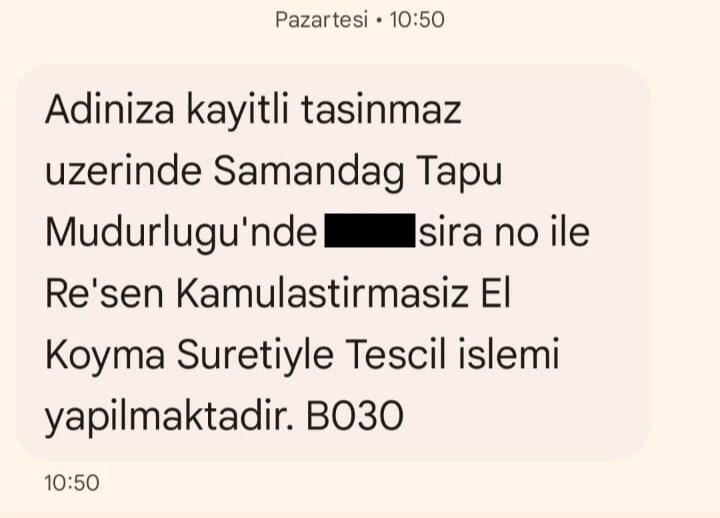
The official SMS notification, dispatched by the Samandağ Land Registry Directorate, delivered the decision in terse bureaucratic language: “An ex officio registration procedure via confiscation without expropriation is being carried out on the immovable property registered in your name under sequence number […] at the Samandağ Land Registry Directorate.”
According to environmental lawyer İsmail Hakkı Atal, this mechanism—known in Turkish jurisprudence as kamulaştırmasız el koyma (de facto confiscation without formal expropriation)—represents a severe departure from established legal order.
“This is entirely contrary to the rule of law,” Atal explained. “A lawful expropriation process must be executed within established statutory procedures. Confiscation without formal expropriation, by definition, occurs when standard legal procedures are bypassed. In conventional circumstances, a citizen’s property remains theirs; if a state body like the highways authority builds a road across their field, the property owner files a lawsuit either to annul the de facto seizure or to demand compensation. What we are witnessing now, under the banner of the ‘Century of Turkey,’ is an attempt to dress up an unlawful act and institutionalize an otherwise non-procedural land seizure as if it were a legitimate legal process.”
‘The Old Samandağ, This Nature, This Agriculture Will Be Gone’
The sudden cancellations of title deeds have sparked widespread distress across Samandağ’s distinct cultural landscape. Near Vakıflı—famed as Turkey’s last remaining ethnic Armenian village—communities of Alevi, Sunni, Christian, and Turkmen heritage have lived side by side for generations, cultivating the fertile mountainous terrain and sustaining renowned gastronomy and organic agriculture traditions.
Similar automated title-cancellation messages had previously been received by residents in Dikmece, where state authorities also designated extensive olive groves for public housing developments. Now, the practice has extended directly into the hills of Hıdırbey.
One Hıdırbey resident, who requested anonymity to protect her family, recounted the shock of discovering that her multi-generational family landholdings had vanished from the state registry overnight. A mother of twins—one of whom suffers from cerebral palsy—she had spent months surviving in an emergency container after the earthquakes before managing to repair their home.
“They tell us, ‘You will take the compensation money and buy a new home,’” she said. “But this is a small area; there is no alternative land left. In our vicinity alone, 277 title deeds have been revoked. These 277 deeds are not mere single-dönüm plots. A single deed belonging to my father covers five to six dönüms. In effect, all the land we hold has been taken away.”
She emphasized that financial compensation cannot replace the social and ecological ecosystem being dismantled:
“We do not want money. We want to see our community, our neighbors, our family, and our extended family around us in the place where we belong. That is why our lands and our title deeds matter. Beyond that, this natural landscape is being wiped out, organic farming is being destroyed, and our ethnic and cultural fabric is being erased. Here, our neighbors are Christian, Sunni, Alevi; we belong to different faiths, yet we live together in peace. The authorities are choosing to ignore this reality, but it cannot be ignored. Hatay and Samandağ represent a city of civilizations. Every policy and plan must be conceived with this heritage in mind. These values must not be destroyed.”
The resident warned that replacing agricultural acreage with large-scale housing blocks would irreparably alter the district’s identity:
“Many people criticize us, saying, ‘Why are you objecting to housing?’ These are the reasons for our objection. Proper planning, programming, and projects must take these factors into account. If these lands are stripped away, the old Samandağ, this nature, and this agriculture will simply cease to exist. People will be deprived of both their homeland and their livelihood, forced into dispersion away from their families.”
‘A Dream or an Earthquake?’
The land seizures compound deep psychological wounds that remain raw two years after the February 2023 disaster. Families throughout the area still live with the enduring trauma of seismic activity, frequently struggling to distinguish between reality and nightmare during minor tremors.
For the family in Hıdırbey, the post-earthquake journey was marked by severe disruption to specialized medical care. Their child, Deniz, who lives with cerebral palsy, requires consistent physical therapy and an accessible outdoor environment to maintain basic mobility.
“Because we lived in a car and then in a tent immediately after the earthquake, moving into our first container initially felt like immense luxury and comfort,” the mother recalled. “A friend recently reminded me of how relieved I was when I called her back then, saying, ‘I finally have hot water, a private toilet, and a small space of our own.’ But over time, those tight quarters turned into severe hardships.”
She continued: “My son needed continuous physical therapy, which became impossible to provide. Following the earthquake, public institutions and hospitals were shuttered. My child missed out on crucial care, which led to significant developmental setbacks. We could not sustain his physical therapy, and the consequences were severe. At the same time, we were living in a single container with two first-grade children, a special-needs child, and two elderly relatives.”
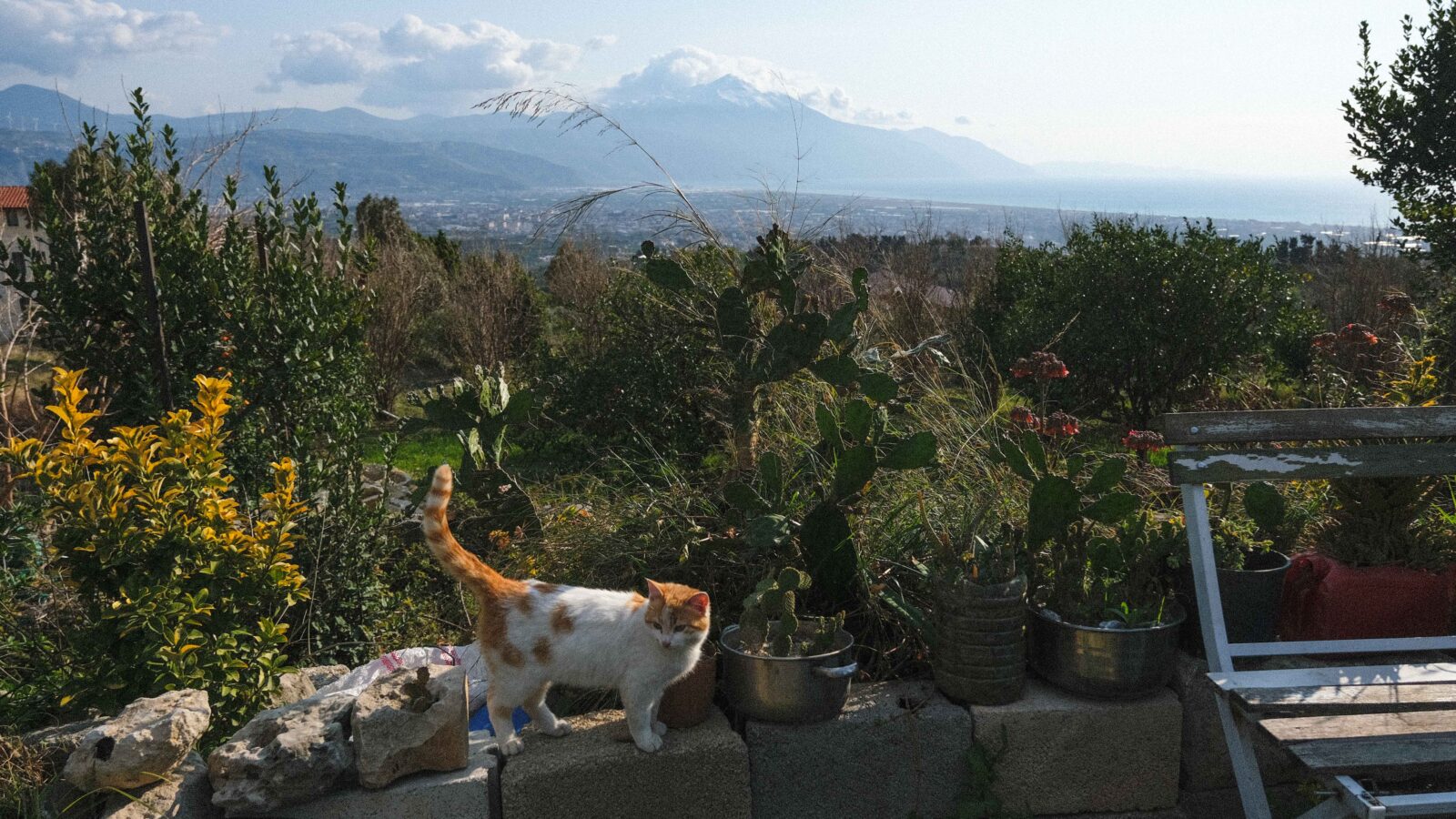
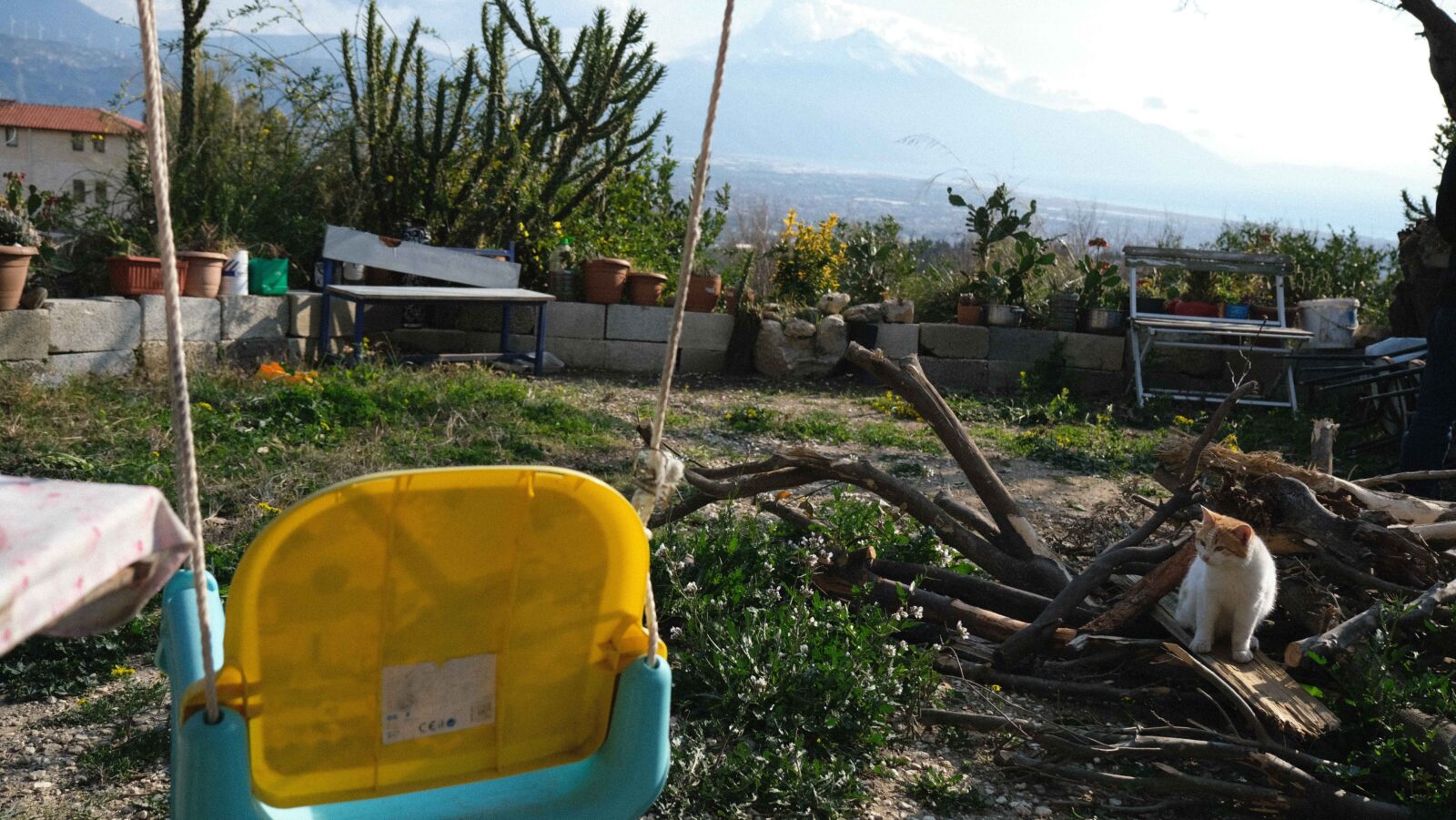
The therapeutic necessity of their rural homestead—where Deniz can move freely in the garden, interact with household animals, and walk on natural ground with supportive apparatus—remains the family’s primary reason for staying.
“It is vital for my son to be able to touch the earth and walk outside,” she explained. “It is critical that he is not confined continuously indoors with his medical braces. By confiscating our land, the authorities are not merely taking property deeds; they are intervening in our future, our children’s lives, and our private existence. My parents live close by. My father has tended mandarin and olive trees for fifteen to twenty years to supplement his modest pension. When I read statements in the press claiming ‘citizens will receive their money,’ I feel immense frustration. We may receive money, but our source of life and sustenance will be gone forever.”
She added: “You cannot purchase your past, your neighborhood, your street, or your family with cash. That is what we stand to lose. These hillside lands are the remaining agricultural grounds of Samandağ; below them lie dense settlement zones. If this area is built over, there will be no land left for sustainable living. Agriculture and tourism sustain these communities. Just below us is our gastronomy village, which bustles with life during the summer. If TOKİ complexes are erected here, none of this will survive.”
Six Lives in 21 Square Meters
The prospect of being relocated to standard apartment blocks is widely viewed by local villagers as incompatible with both their way of life and their post-disaster recovery.
After enduring days living in their automobile and subsequently moving into a disaster tent distributed by the district governorate, the family spent half a year sheltering in a 21-square-meter container alongside their elderly parents.
“Think about it: six people living inside 21 square meters,” the resident recounted. “My father-in-law could not endure the immense strain and hardship of those conditions, and he passed away. An elderly man simply could not survive confined to 21 square meters. Later, we finally managed to repair our own house. Initially classified as heavily damaged, our building was re-assessed as lightly damaged upon our formal appeal. We invested heavily in repairs and moved back in.”
She pointed out that multi-generational rural living remains essential for the region’s social structure:
“Those who have the opportunity want to return to their soil. My brother recently returned from working abroad hoping to build a home on our family parcel. But now that the title deeds have been removed from the registry, he is prohibited from building. He cannot live in an apartment building. He says, ‘Even if it is just a single room, I want to live in my own detached home; I cannot survive in a concrete apartment block.’”
‘A Battle for Nature’: Fighting for Heritage Against Concrete
Other local residents frame the ongoing dispute as an existential struggle to safeguard the historical, ecological, and multicultural legacy of the Mediterranean coastline.
“We are fighting to keep from losing our nature and our culture,” another resident from a neighboring village remarked, pointing across rolling olive terraces toward a mountain stream running along the base of the valley. “We are utterly exhausted. The earthquake traumatized us, drained us, and wore us down completely. We were already struggling to rebuild our lives, and having this imposed on top of our grief has forced us into this fight.”
The resident emphasized that the ecological and historical importance of the valley warrants international preservation rather than mass development:
“This region possesses such extraordinary beauty and cultural significance that it ought to be included on the UNESCO World Heritage list. If we succeed in stopping these TOKİ projects, our next objective must be to pursue UNESCO recognition.”
The area is also home to revered landmarks such as the ancient Tree of Moses (Musa Ağacı), an oriental plane tree estimated to be roughly 3,000 years old, situated in Hıdırbey. Nearby Vakıflı, which housed approximately 100 permanent residents before the earthquake, represents an irreplaceable cultural community whose demographic balance could be irreversibly altered by the influx of large apartment developments.
Demands for Restitution and Treasury Land Alternatives
Throughout the affected villages, residents maintain that public housing for displaced earthquake survivors should be constructed exclusively on vacant state treasury lands (hazine arazileri), rather than expropriating actively farmed private parcels.
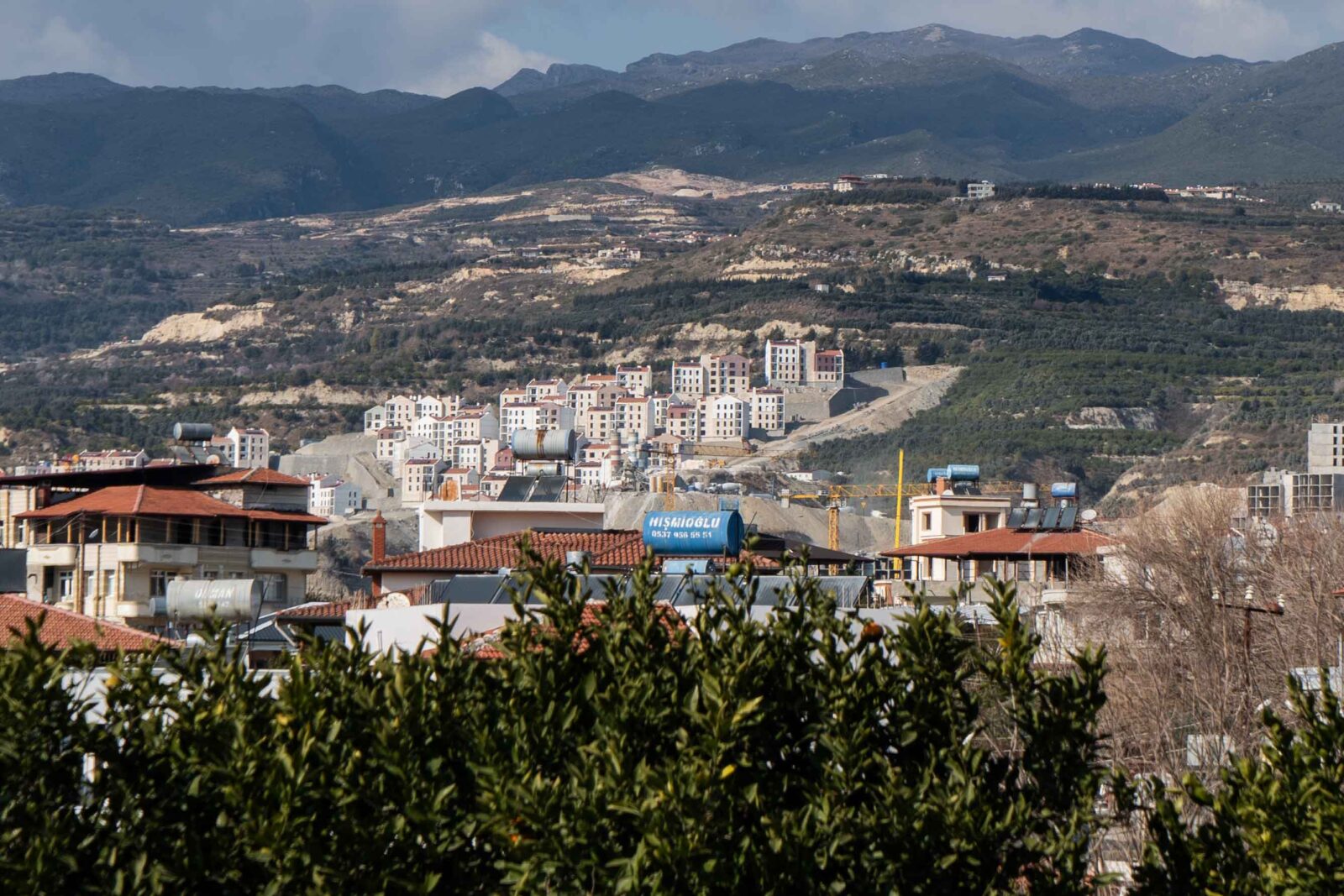
“No one consulted us or communicated with us during this expropriation process,” the mother in Hıdırbey stated. “Yet there are available state treasury lands. Public housing should be constructed on treasury land strictly in proportion to actual need. This is a small, closely knit region. Most rural families here do not have an apartment culture and cannot adapt to multi-story block living. Those who come from apartment backgrounds may seek those units, but rural families here immediately built their own independent dwellings following the earthquake.”
Reaffirming her refusal to vacate the family property, she concluded:
“I have no intention of leaving my home. I cannot leave this place. I have a child with disabilities, and I depend entirely on the support of my nearby family. I cannot simply entrust my child to strangers; only my family can provide that care. For this reason, leaving is impossible. The state must recognize this reality, correct this decision, and return our lands to us.”