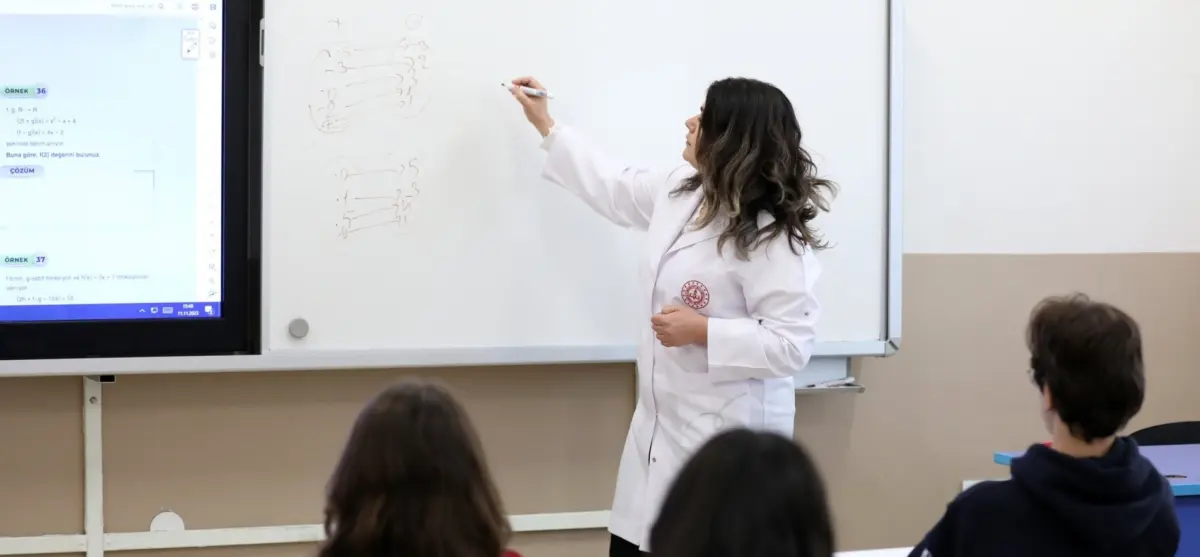
The Ministry of National Education (MEB) has officially finalized the operational guidelines for the upcoming professional development period designated for public and private school educators across Türkiye. According to an official directive issued by the ministry, teachers serving in educational institutions of all levels and categories will fulfill their mandatory professional study requirements for the November mid-term break of the 2026–2027 academic year through online learning modules hosted on the Teacher Information Network (ÖBA – Öğretmen Bilişim Ağı).
The scheduled professional activities will formally correspond to the November mid-term break, running officially from November 16 to November 20, 2026. However, to accommodate varying schedules and ensure uninterrupted access for educators nationwide, the central administration has extended the digital availability window. The online distance training portal will officially open at 08:00 on Monday, November 16, 2026, and will remain accessible continuously until 23:59 on Sunday, November 22, 2026. Educators who complete the required digital training content within this designated timeframe will be formally registered as having fulfilled their statutory professional study obligations for the period.
November Professional Studies for 2026-2027 Academic Year to Be Completed via ÖBA
The transition to digital delivery for the November 2026 professional development term highlights the ministry’s reliance on established technological infrastructure to manage large-scale educator training programs. The Teacher Information Network, widely known as ÖBA, serves as the central digital portal designed specifically to support the continuous professional growth of Türkiye’s teaching workforce. By deploying the November seminar program on ÖBA, the Ministry of National Education enables hundreds of thousands of educators to engage with updated pedagogical materials, administrative guidelines, and specialized subject modules from any location equipped with internet connectivity.
Under the regulatory framework established for the 2026–2027 academic calendar, mid-term breaks serve a dual function within the basic education system. While students utilize the week-long pause to rest and consolidate their learning, educators participate in structured professional work sessions, traditionally referred to within the Turkish education system as mesleki çalışma. These sessions are designed to assess the completed instructional weeks, review institutional progress, refine curriculum plans, and participate in targeted training courses aimed at enhancing classroom effectiveness and administrative efficiency.
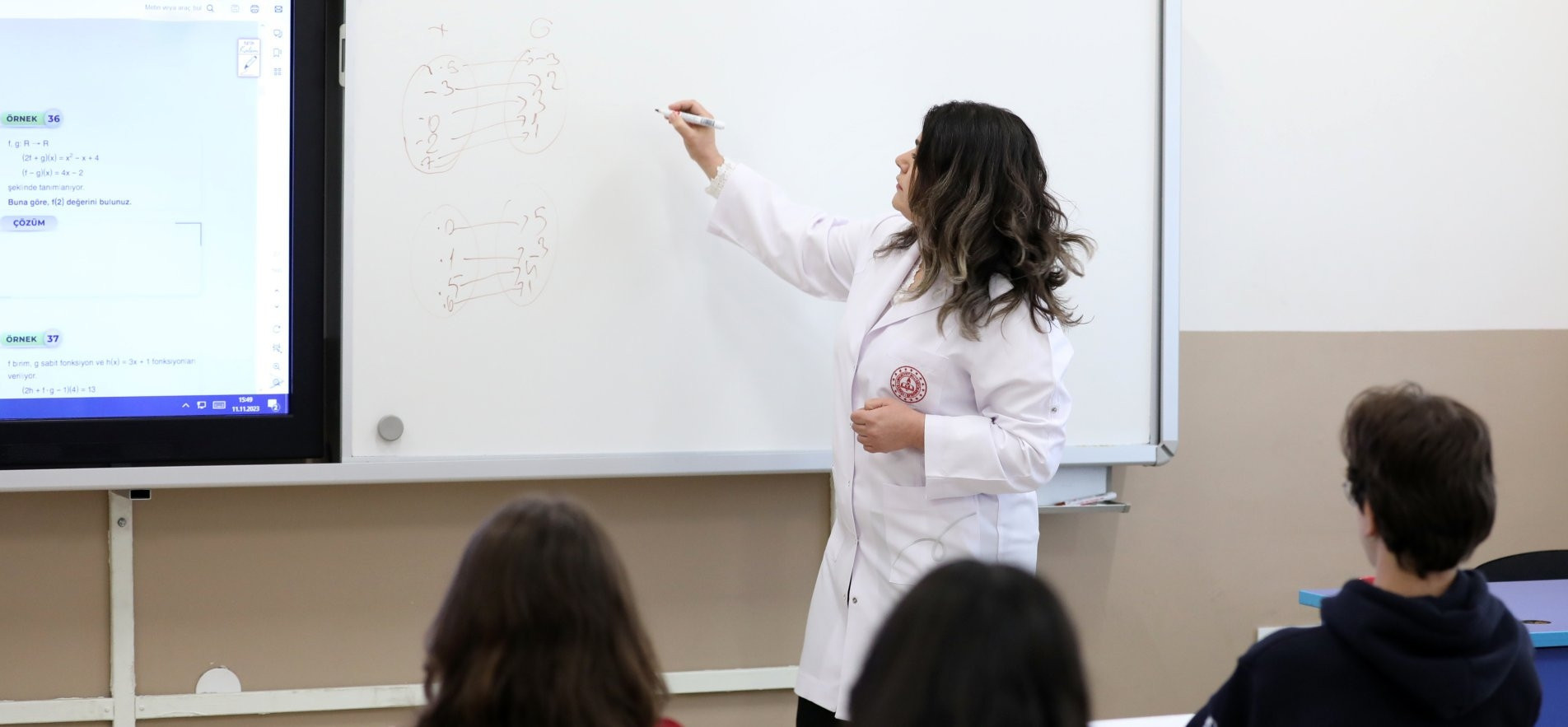
By scheduling the professional study period entirely on the digital ÖBA platform, the ministry provides a flexible structure that allows educators to organize their mandatory course hours asynchronously. The seven-day continuous access window—stretching from Monday morning through Sunday late evening—is structured to prevent server bottlenecks, minimize technical delays, and offer teachers the autonomy to pace their learning around personal and regional circumstances during the official school recess.
Operational Framework and Digital Portal Execution
The operational implementation of the program relies on automated tracking and user authentication integrated into the ÖBA platform. Teachers across all 81 provinces of Türkiye will log into the network using their standardized credentials, accessing assigned distance education packages tailor-made for the November term.
The digital curriculum made available on ÖBA during the November 16–22 window includes a comprehensive selection of distance learning content prepared by central ministry departments. These asynchronous video lectures, reading materials, and assessment modules cover a broad spectrum of educational topics, ranging from modern pedagogical strategies and digital literacy to subject-specific curriculum updates and institutional management practices.
Completion of the professional development requirements is systematically tracked through the platform’s digital learning management system. To receive official credit for the November 2026 professional work period, teachers must view the designated video contents in their entirety and complete any embedded interactive checks or end-of-module evaluations required by the system. Once an educator meets the completion criteria, their participation status is automatically transmitted to the national educational registry, confirming that their legal obligation for the mid-term professional development period has been satisfied.
The Role of ÖBA in Modernizing Teacher Training
The Teacher Information Network (ÖBA) has become an essential component of the Ministry of National Education’s long-term strategy for professional development. Developed to centralize, standardize, and streamline training resources for educators across the country, the platform eliminates regional disparities in access to high-quality instructional leadership and professional growth opportunities.
Prior to the integration of comprehensive digital platforms like ÖBA, mid-term professional development weeks required physical attendance at designated school buildings or central facilities within individual districts. While in-person seminars facilitated local collaboration, they often faced logistical challenges, including varying resource availability between urban and rural schools, geographical constraints for traveling teachers, and inconsistent delivery of centralized ministry initiatives.
Through the ÖBA ecosystem, the ministry ensures that every teacher—whether working in a large metropolitan high school, a remote primary school, or a specialized vocational institution—receives uniform, high-standard instructional materials directly from experts and curriculum developers. The platform also serves as a permanent digital repository, allowing educators to revisit training modules, reference instructional guides, and review educational research long after the official seminar week has concluded.
Universal Application Across Educational Tiers
The decision to conduct the November 2026 professional work via ÖBA applies universally to all teaching staff employed within institutions operating under the jurisdiction of the Ministry of National Education. This inclusive mandate encompasses educators serving across every level of early childhood, basic, and secondary education, including:

- Pre-school and Kindergarten Educators: Early childhood professionals who focus on foundational developmental milestones, early socialization, and preparatory learning frameworks.
- Primary School Teachers (İlkokul): Educators responsible for core literacy, numeracy, and foundational social studies during the early years of formal schooling.
- Lower-Secondary School Teachers (Ortaokul): Subject-matter specialists teaching intermediate mathematics, sciences, humanities, and languages.
- Upper-Secondary School Teachers (Lise): Educators working in general academic, science, and social sciences high schools preparing students for higher education.
- Vocational and Technical Education Teachers: Instructors in specialized technical tracks who oversee practical skills development, industrial alignment, and occupational training.
- Special Education Teachers: Professionals dedicated to supporting students with diverse learning needs, disabilities, and gifted capabilities through tailored instructional strategies.
By applying a uniform digital professional development requirement across all institutional categories, the ministry reinforces a shared standard of professional readiness and system-wide cohesion for the remainder of the 2026–2027 academic year.
Flexibility and Continuity in the Academic Calendar
The placement of the digital professional development week within the November mid-term break aligns with broader administrative efforts to maintain academic continuity while supporting staff wellness and career development. The mid-term break system, introduced to break up long academic terms into manageable instructional blocks, relies heavily on balanced scheduling to prevent educator burnout and student fatigue.
Allowing teachers to complete their mandatory professional studies online during the November 16–20 break period minimizes unnecessary travel and administrative overhead. Educators are empowered to fulfill their duties efficiently, enabling them to return to their regular classroom responsibilities fully prepared for the second half of the first semester when schools reopen following the recess.
School directorates and provincial national education directorates will oversee the administrative verification process through the ministry’s integrated data management networks. As the November 22 deadline approaches, school administrators will monitor completion rates within their respective institutions to ensure total compliance with ministry guidelines. With the portal remaining live until 23:59 on Sunday, November 22, 2026, teachers have a complete seven-day window to complete their coursework seamlessly ahead of the resumption of regular classroom instruction on Monday morning.